


The first wave of AI gadgets tried to replace the phone. That was the mistake.
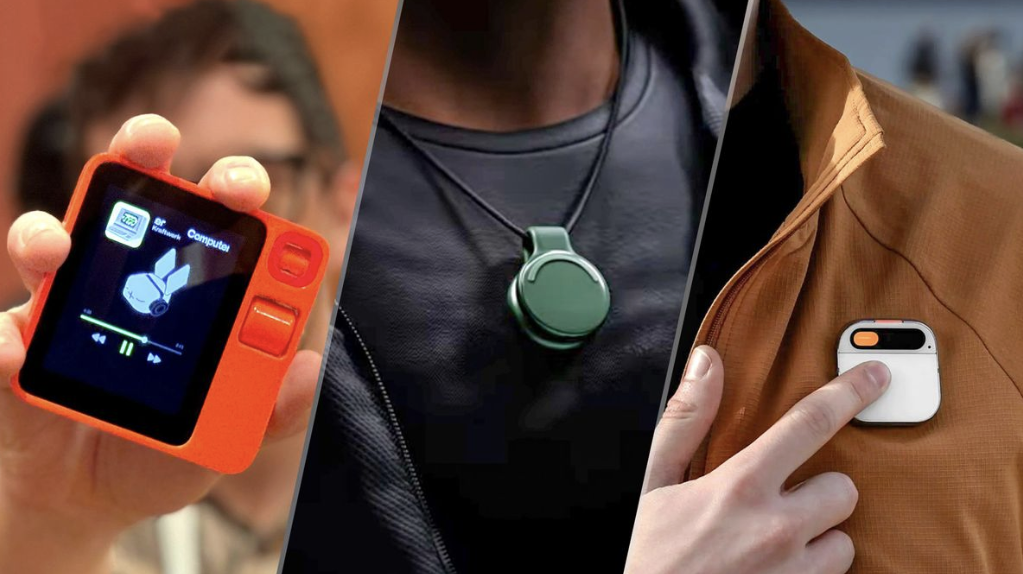
Humane wanted a wearable assistant. Rabbit wanted a pocket agent. Both got pitched as new computing platforms. Buy this thing and your relationship with technology changes forever. The market answered.
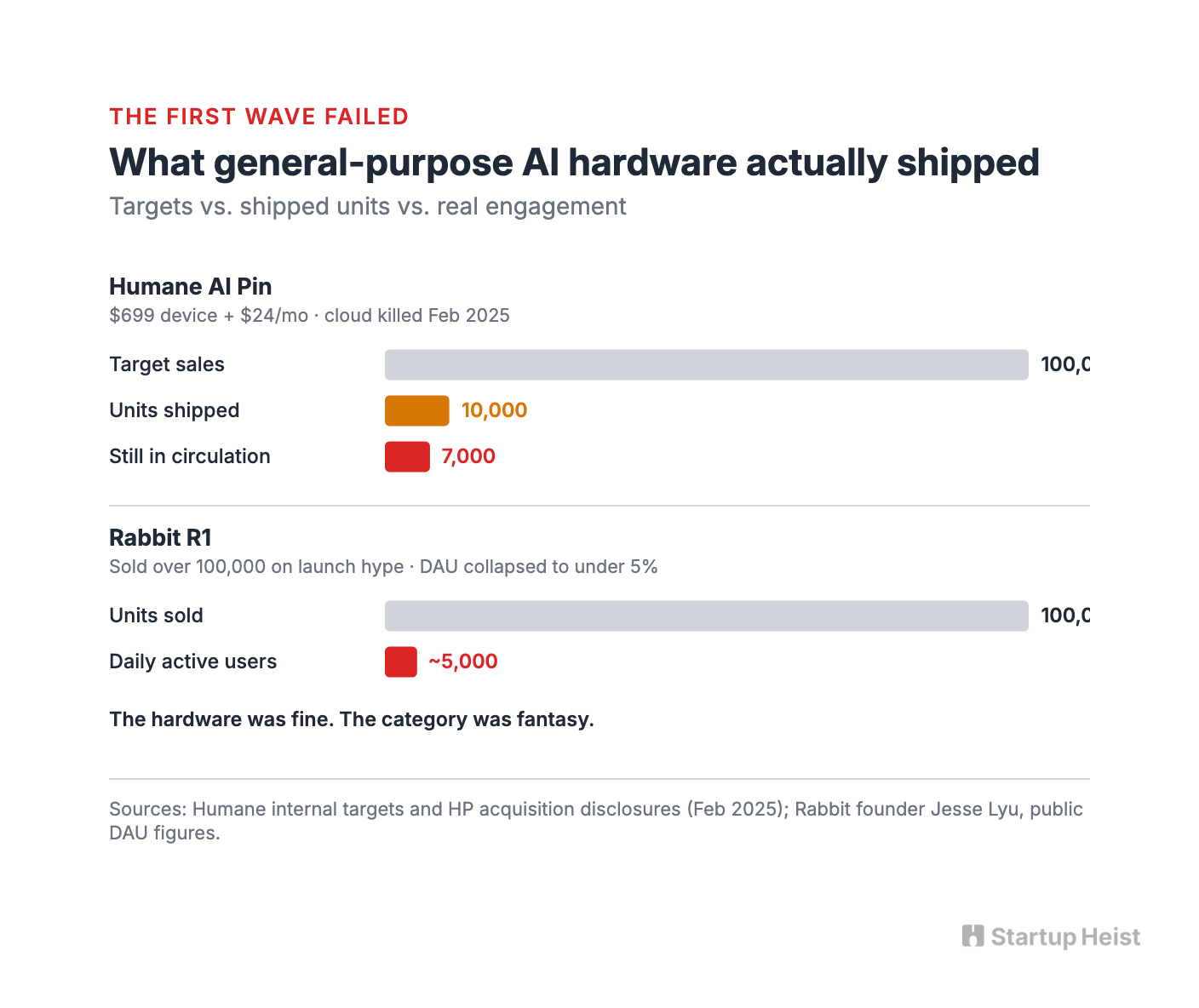
In February 2025, HP bought Humane's assets for $116 million after the company burned roughly $230 million in venture capital. Existing AI Pins lost cloud functionality at noon Pacific on February 28, 2025, turning a $699 device with a mandatory $24-a-month subscription into a paperweight. True year-one cost on the Pin was closer to $1,000. Humane had aimed for 100,000 unit sales and shipped about 10,000, with returns leaving roughly 7,000 in circulation. Rabbit moved over 100,000 R1s on launch hype, then watched daily active users settle around 5,000, under 5% of buyers. The hardware was fine. The category was fantasy.
Here's the opportunity:
The money: A $250K year on one strong SKU is realistic: 800 units across pre-order, holiday, and event batches at $199 to $750. Poetry Camera proves the demand.
Inside:
• Five AI gadget concepts that pass the 5-second test
• Unit economics for a $249 collectible device
• 90-day pre-order launch path with kill criteria
• Outreach templates for press and corporate buyers
AI hardware isn't dead. The wrong category was being built.
The opening now isn't the AI smartphone killer. It's the AI art object: small, strange, specific, giftable devices that do one delightful thing and sell more like limited-edition merch than consumer electronics.
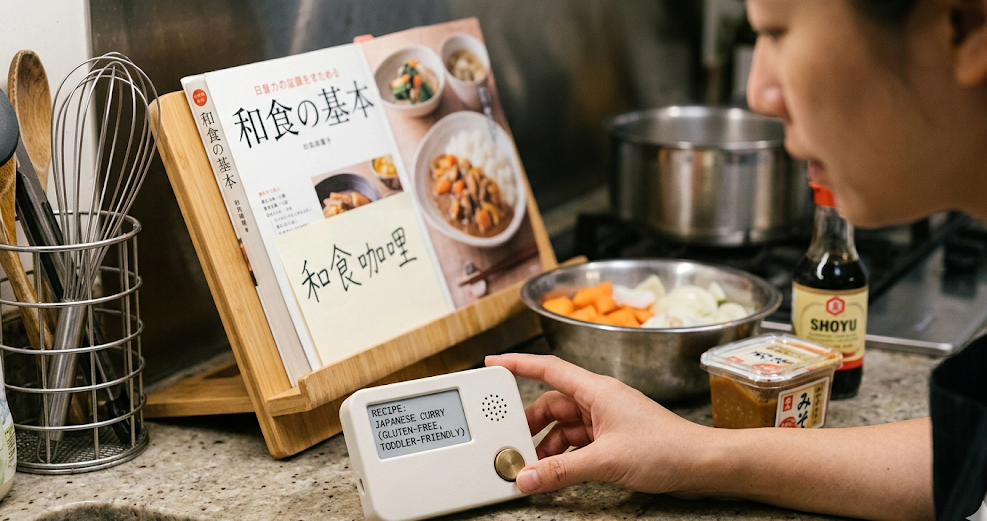
A camera that doesn't take photos but prints poems. A desk object that turns Slack messages into weather. A kitchen oracle that translates recipes into your dietary life. A relic with one button that asks an LLM whether you should quit your job, buy the ticket, or send the email.
Not useful enough to replace software. Too charming to ignore.
The opportunity: build a tiny AI art hardware studio that designs and pre-sells limited-run, single-purpose AI gadgets priced $149 to $399, using Era as the AI/firmware layer, Crowd Supply for pre-orders and fulfillment, and small Shenzhen runs to avoid betting the company on inventory.
This isn't a venture-scale hardware company on day one. It's a drop-based studio. Art prints, not iPhones.
The Signal
On April 23, 2026, Era announced an $11 million round to build a software platform for AI gadgets: a $9 million seed led by Abstract Ventures and BoxGroup, with Collaborative Fund and Mozilla Ventures, plus an earlier $2 million pre-seed from Topology Ventures and Betaworks. Kelin Zhang, the indie hardware designer behind Poetry Camera, is on the angel list. The maker world is a small room.
The interesting part is who Era is targeting and who is building it. The team has direct experience inside Humane and HP. CEO Liz Dorman came out of Humane, the company closest to the AI Pin's collapse. CTO Alex Ollman built enterprise agentic frameworks at HP. CPO Megan Gole came from Sutter Hill and the Jony Ive and Sam Altman "io" project. Their bet is that creators should be able to build AI-powered physical objects without rebuilding the entire software stack from scratch. Era also plans to open the platform to the maker and open-source community.
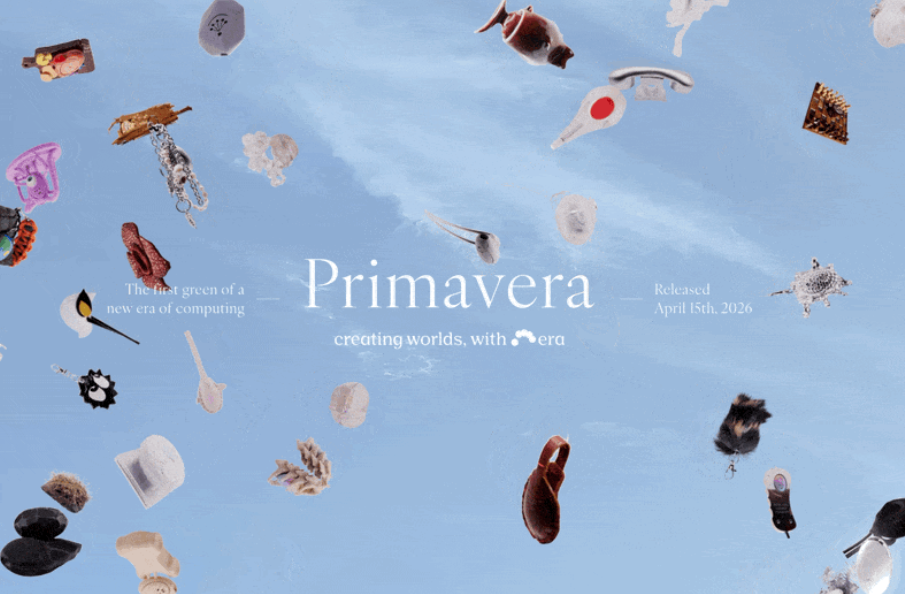
At an April event in New York, artists using Era's developer kit showed off small, specific devices: a French souvenir gadget that tells facts and jokes, a phone-like object that watches your stocks and tells you if today is the day you can quit, an air-quality reader. These were experiments. Objects with a point of view.
Hardware has historically punished weirdness. A software founder can launch a strange web app over a weekend. A hardware founder deals with boards, enclosures, firmware, certifications, fulfillment, returns, and minimum order quantities. That operational drag filters out most strange ideas before customers see them.
Era compresses one part of the stack: the AI layer. Crowd Supply compresses another: launch, payments, fulfillment, customer support, and hardware-specific campaign operations. Crowd Supply runs as a curated incubation platform for hardware creators, taking roughly 12% of campaign sales plus payment processing, and handling orders, marketing, accounting, shipping, inventory, and customer support.
The missing layer is the studio. Someone still has to choose the concept, design the object, tell the story, build the prototype, price it correctly, and ship something people want to put on a desk. That's the heist.
Why This Works Now
The old hardware playbook was utility. Better camera. Better speaker. Better wearable. That market is vicious because buyers compare every device against Apple, Google, Bose, Garmin, and Meta. You can't win that fight.
The new opening is ritual.
Poetry Camera is the clean proof point. An AI instant camera that prints poems based on what it sees, currently selling for $349 after launching at $699. Recent batches sold out, and the product page positions it as an icebreaker for events, an educational toy for classrooms, and a memory-maker for travel. It runs on Claude. The Verge called it a charming gadget. Designboom and Yanko Design wrote it up as a design object before they wrote it up as a tech product.

Poetry Camera isn't trying to beat Canon. It isn't trying to beat your phone camera. It sells a small moment: point, click, receive a poem.
Think of the category as AI experience gifts, not AI gadgets. The buyer behavior already exists. People spend $100 to $400 on objects that feel personal, clever, scarce, and giftable. Mechanical keyboards. Field Notes. Teenage Engineering devices, one of which lives in the SFMOMA permanent collection. Muji desk objects. Boutique lamps. Premium board games. A limited-run AI object sits squarely in that zone. It isn't competing with laptops. It's competing with the museum store, the design newsletter, and the gift list that opens with "for the person who owns everything."
The Five Concepts
The mistake would be building one hero gadget and trying to scale it forever. The smarter play is a micro-studio with a repeatable launch system: two to four limited-run AI gadgets per year, each designed around one specific behavior, sold through pre-orders, manufactured in small batches, and retired or iterated based on demand.
Five concepts that pass the I-get-it test in under five seconds:
Unlock the Vault.
Join founders who spot opportunities ahead of the crowd. Actionable insights. Zero fluff.
“Intelligent, bold, minus the pretense.”
“Like discovering the cheat codes of the startup world.”
“SH is off-Broadway for founders — weird, sharp, and ahead of the curve.”


