


On March 27, 2026, YouTube expanded its Shopping affiliate program to every creator in the YouTube Partner Program with at least 500 subscribers. The threshold had been 10,000, then 5,000, then 1,000. Now it sits at the lowest rung of the partner ladder.
YouTube framed the move as "earn earlier." The reality is sharper. YouTube just pulled hundreds of thousands of small creators into affiliate commerce before most of them have any merchandising instinct or product-selection logic. They know how to make videos. They don't know how to think like retailers.
That gap between YouTube's commerce infrastructure and creators' actual readiness points to a specific product.
The money: 200 agencies at $499/month plus creator subscriptions puts a solo founder at $20K to $60K MRR from one vertical.
Inside:
• Back-catalog audit as lead magnet
• Gaming gear beachhead strategy
• 90-day MVP build with three phases
• Agency-first go-to-market playbook
The Market Signal
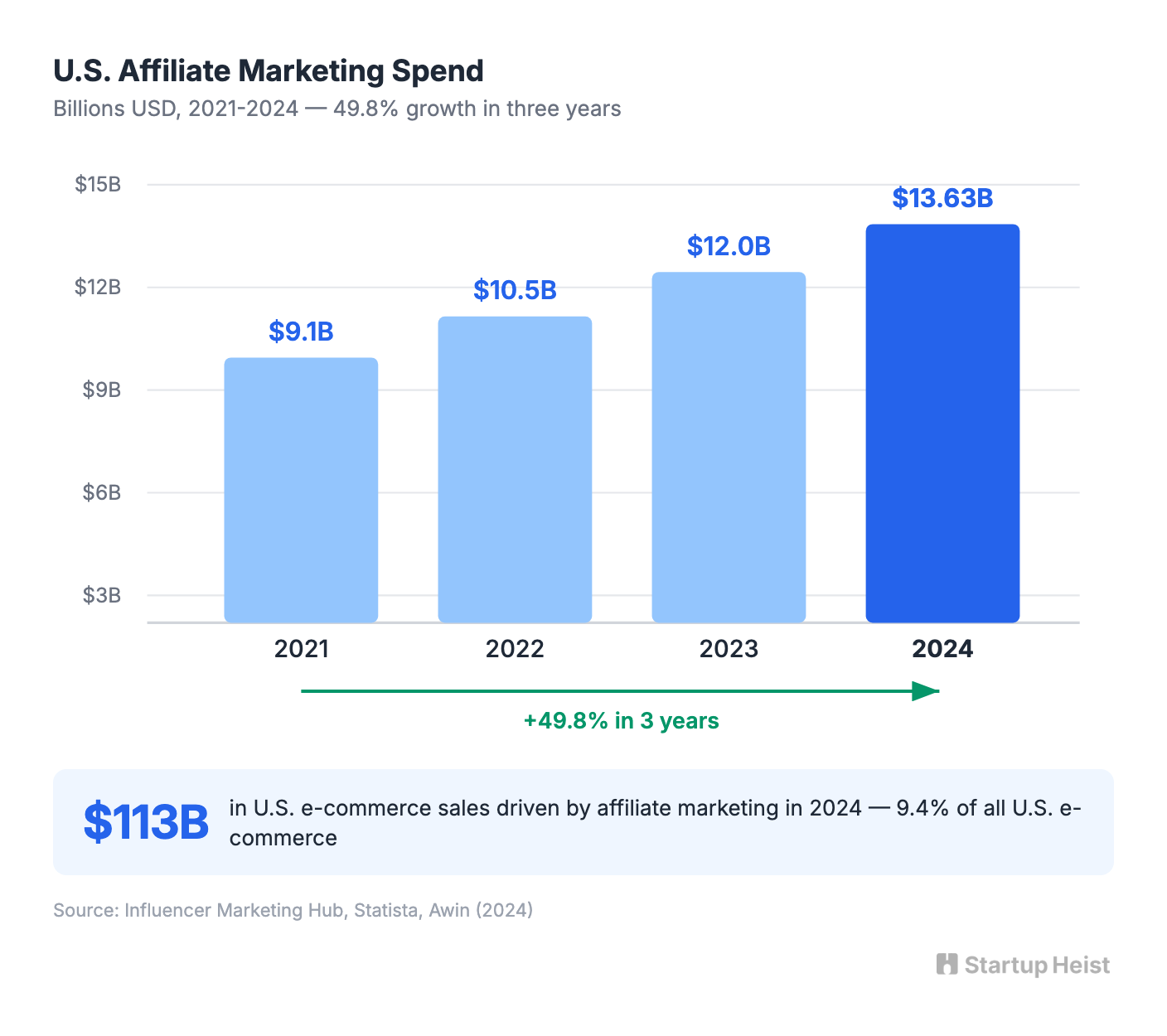
U.S. affiliate marketing spend reached $13.63 billion in 2024, a 49.8% jump from $9.1 billion in 2021, driving $113 billion in e-commerce sales. Content creators are the fastest-growing publisher category in the ecosystem.
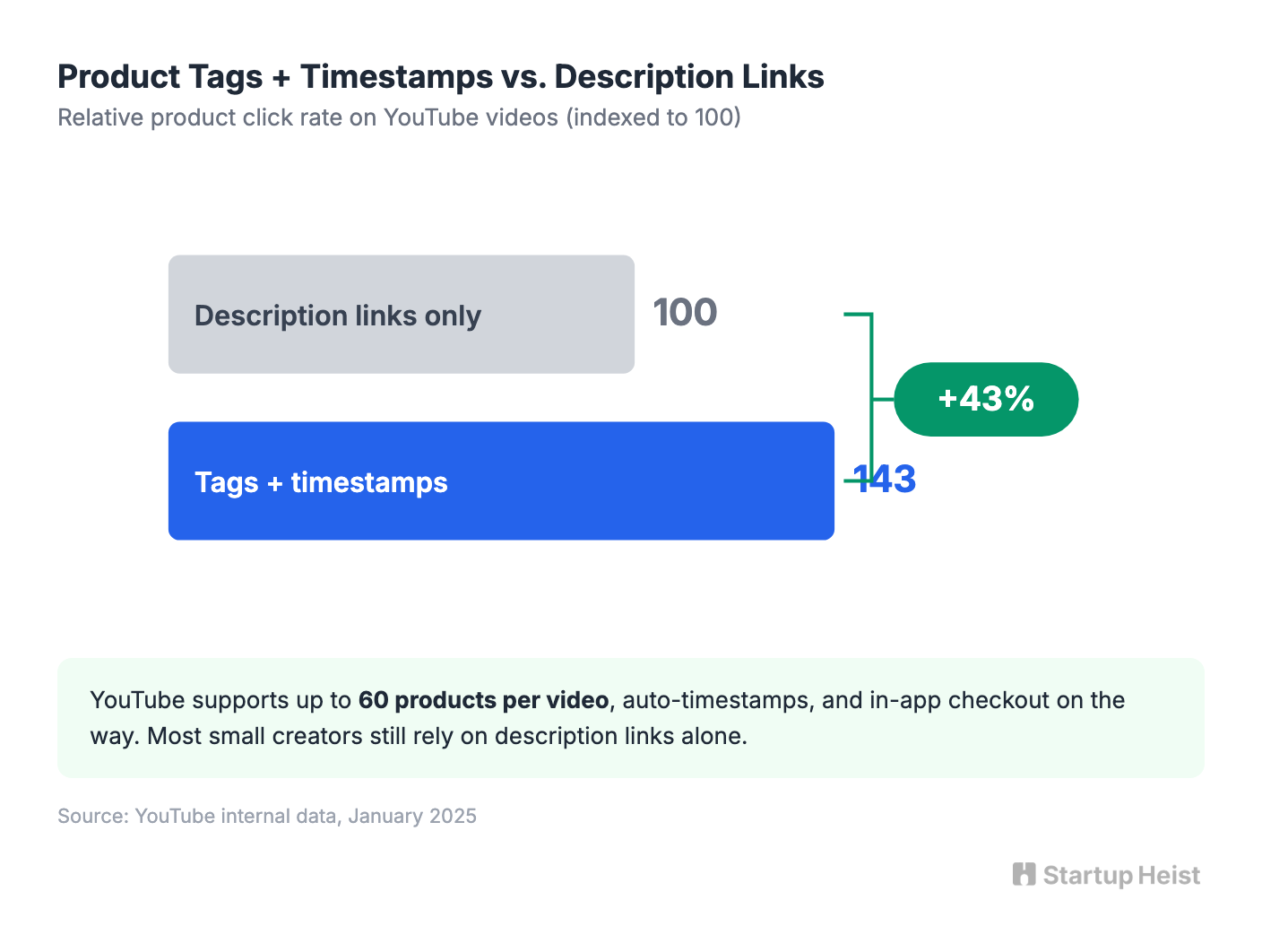
YouTube sits at the center. The platform paid more than $100 billion to creators since 2021, and over 500,000 creators already participate in YouTube Shopping. Internal YouTube data from January 2025 shows that videos with product tags and timestamps see 43% more product clicks than videos with description links alone. The commerce rails keep improving: auto-timestamps, auto-tagging AI, up to 60 products per video, commission rates between 5% and 20% depending on category. In-app checkout is on the way, which will make frictionless purchasing even more dependent on correct product tagging. YouTube is building the infrastructure. Nobody is building the decision layer that tells creators what to tag and when.
Where the Incumbents Stop Short
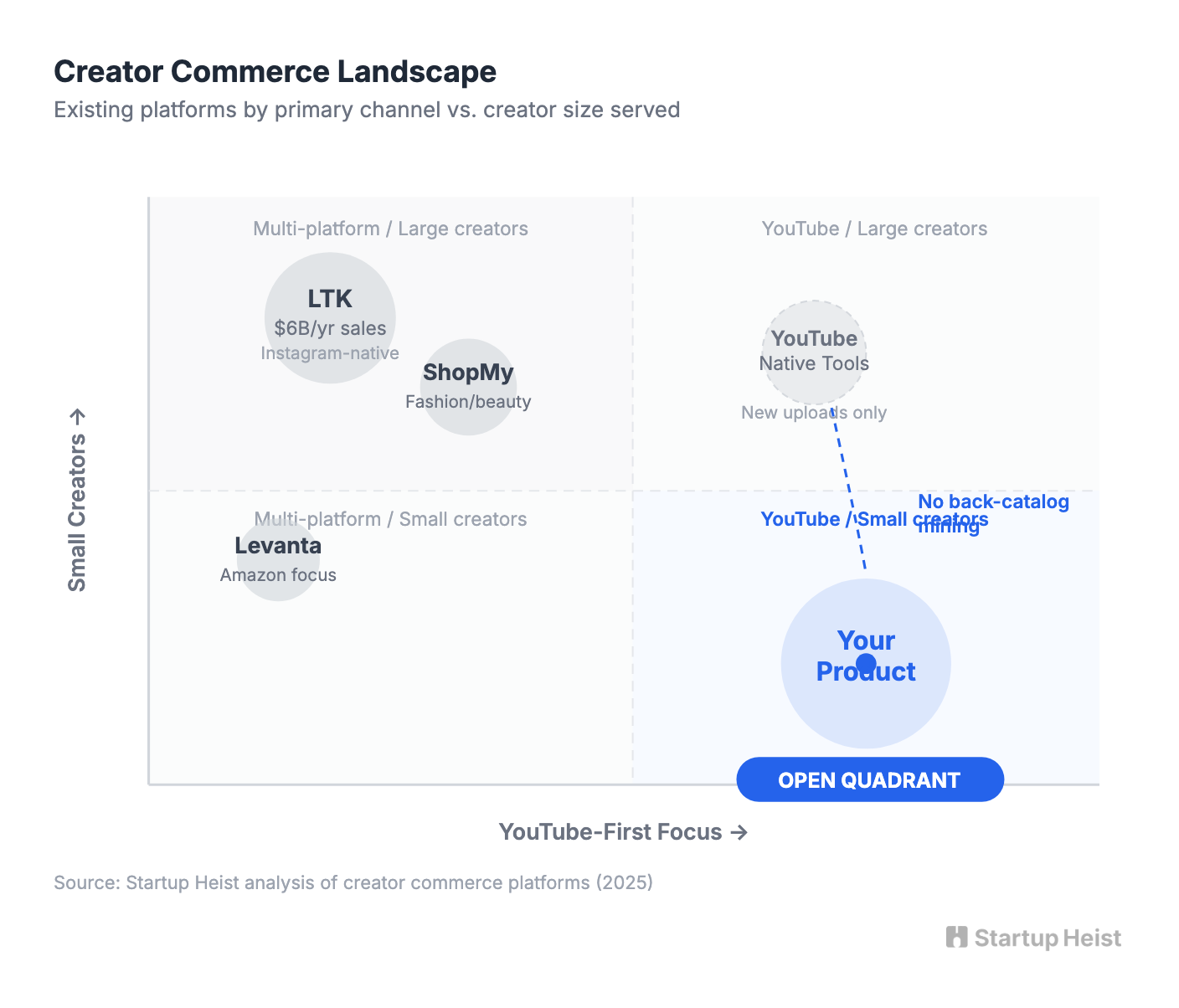
Existing platforms prove creator commerce works at scale, but none of them solve this problem. LTK drives $6 billion in annual retail sales across more than 30 million monthly shoppers. ShopMy has carved out a strong position in fashion and beauty with curated brand storefronts starting at $399 per month for brands. Levanta focuses on Amazon attribution. All three are built around multi-platform creator ecosystems and Instagram-native workflows. None address the specific gap YouTube's expansion created: hundreds of thousands of small, YouTube-first creators who have no idea which of their existing videos contain taggable product moments.
Consider a micro-creator with a 1,500-subscriber gaming channel who has published 86 videos over two years. That person doesn't know which videos contain taggable product moments, which products would actually fit, or which opportunities deserve attention first. YouTube's own auto-tagging AI is rolling out, but it focuses on new uploads. It doesn't retroactively mine a creator's back catalog.
What the Product Does
Software that ingests a YouTube channel's videos, transcripts, and niche, then recommends which products to tag, which old videos contain monetizable product moments, and where a creator is leaving affiliate revenue on the table. Three core jobs:
Product matching. Given a channel niche, transcript history, and content format, recommend 3 to 5 products that actually fit each video. Curated recommendations, not a database dump.
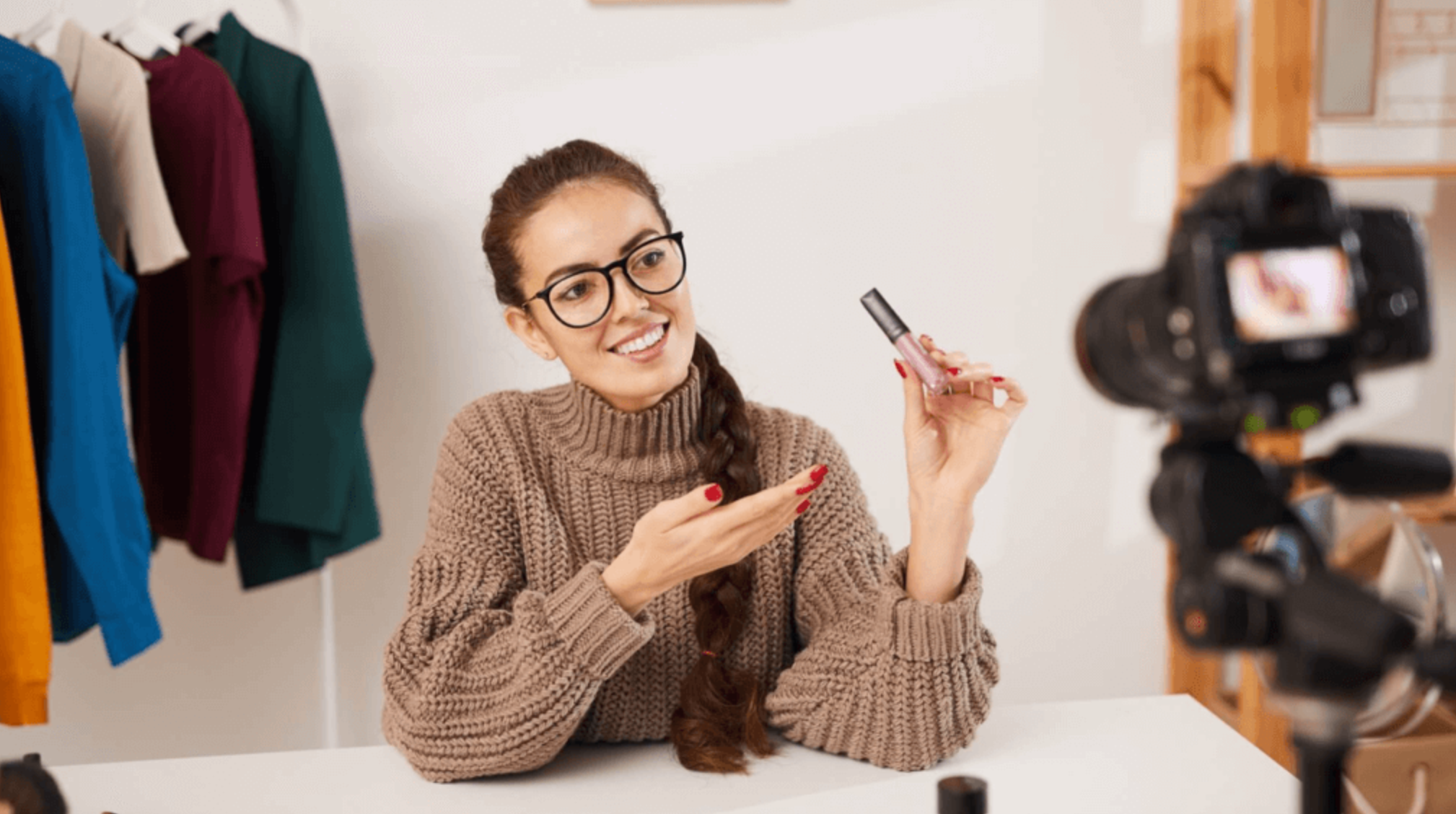
Moment ranking. Detect where in old and new videos product mentions, use cases, comparisons, or show-and-tell moments are taggable. The back catalog is the wedge: "You already published 86 videos. Here are 14 product-tag opportunities that could start earning next week."
Revenue prioritization. Score opportunities based on topical fit, mention confidence, video traffic quality, merchant availability, commission attractiveness, and historical content patterns. The pitch to creators isn't analytics. It's found money.
Why Gaming Gear Is the Beachhead
Beauty and fashion are tempting, but LTK and ShopMy already dominate those verticals with sophisticated tooling and Instagram-native creator bases.
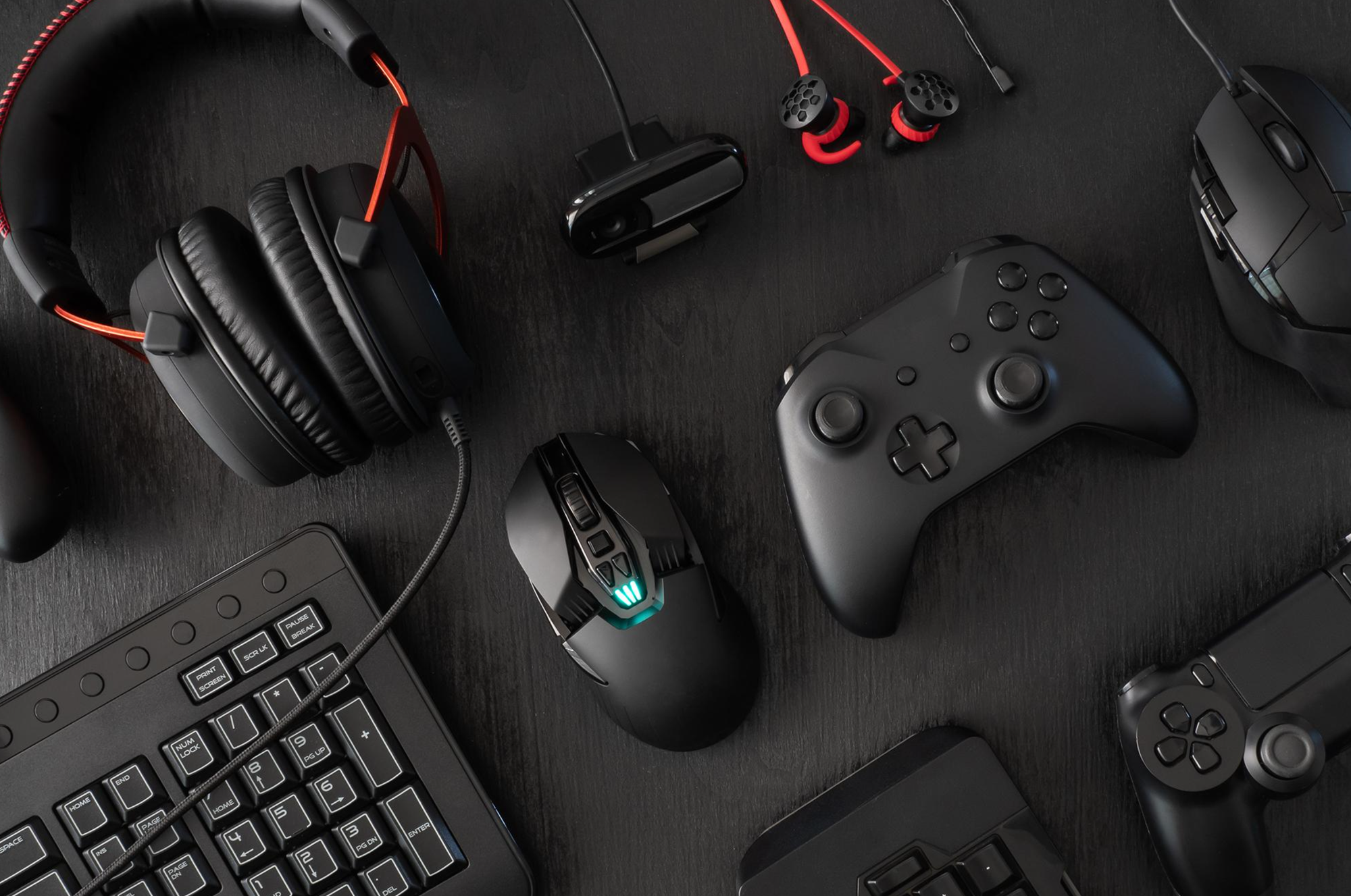
Gaming gear is the cleaner opening. Small gaming channels constantly mention microphones, keyboards, mice, monitors, capture cards, chairs, and desk accessories. The products are discrete, the language is explicit, and many gaming creators are YouTube-first rather than Instagram-commerce natives. A creator saying "I switched to the SteelSeries Arctis Nova Pro" maps directly to a taggable SKU. Clean transcript matching, high confidence. These creators are producing content loaded with product references and doing almost nothing to monetize them.
The Product in Practice
Unlock the Vault.
Join founders who spot opportunities ahead of the crowd. Actionable insights. Zero fluff.
“Intelligent, bold, minus the pretense.”
“Like discovering the cheat codes of the startup world.”
“SH is off-Broadway for founders — weird, sharp, and ahead of the curve.”


