


The AI Video Localization Factory: A Vertical Play Hiding Inside a Flashy AI Trend
Bollywood just showed you the future of video operations.
On April 4, 2026, Indian studios became the first major content market to treat AI video dubbing as infrastructure rather than post-production. They're compressing timelines, slashing production costs, and pushing films across languages at scale. The loud part of that story is celebrity drama and union friction. The quieter part matters more. Once a content market that size absorbs a workflow, the workflow never stays inside film. It spreads into every category sitting on a backlog of useful, evergreen video.

For U.S. operators, that creates a very specific opening in video localization.
Here's the opportunity:
The money: A two-person team owning one niche can reach $20K to $80K MRR through setup fees, per-minute processing, and retainers. ElevenLabs just hit $330M ARR at $11B on this layer.
Inside:
• Why franchise training is the cleanest wedge
• Five-layer MVP: intake, glossary, dub, QC, publish
• Three pricing models with exact dollar ranges
• Vertical outreach email and paid pilot offer
The market just turned
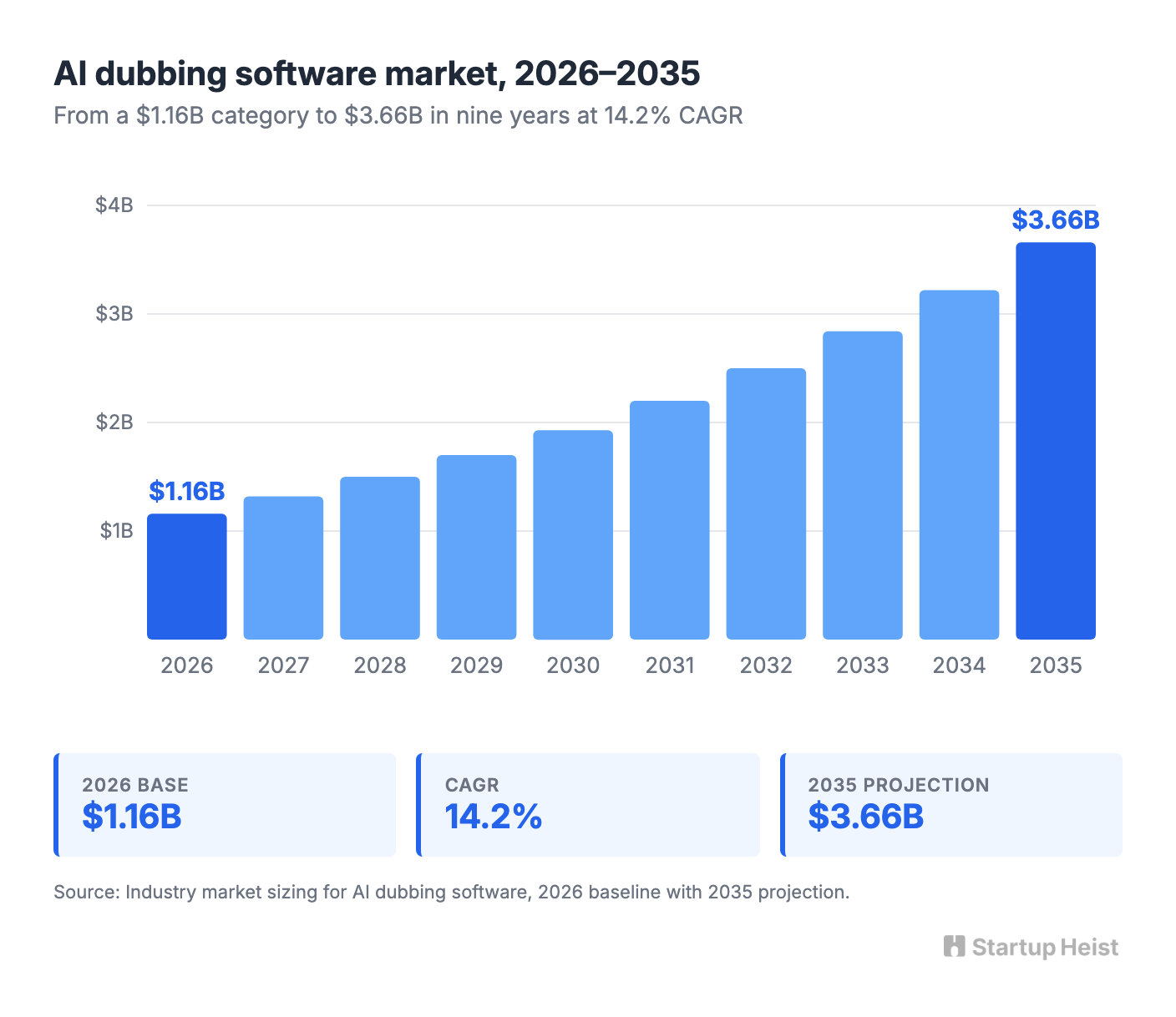
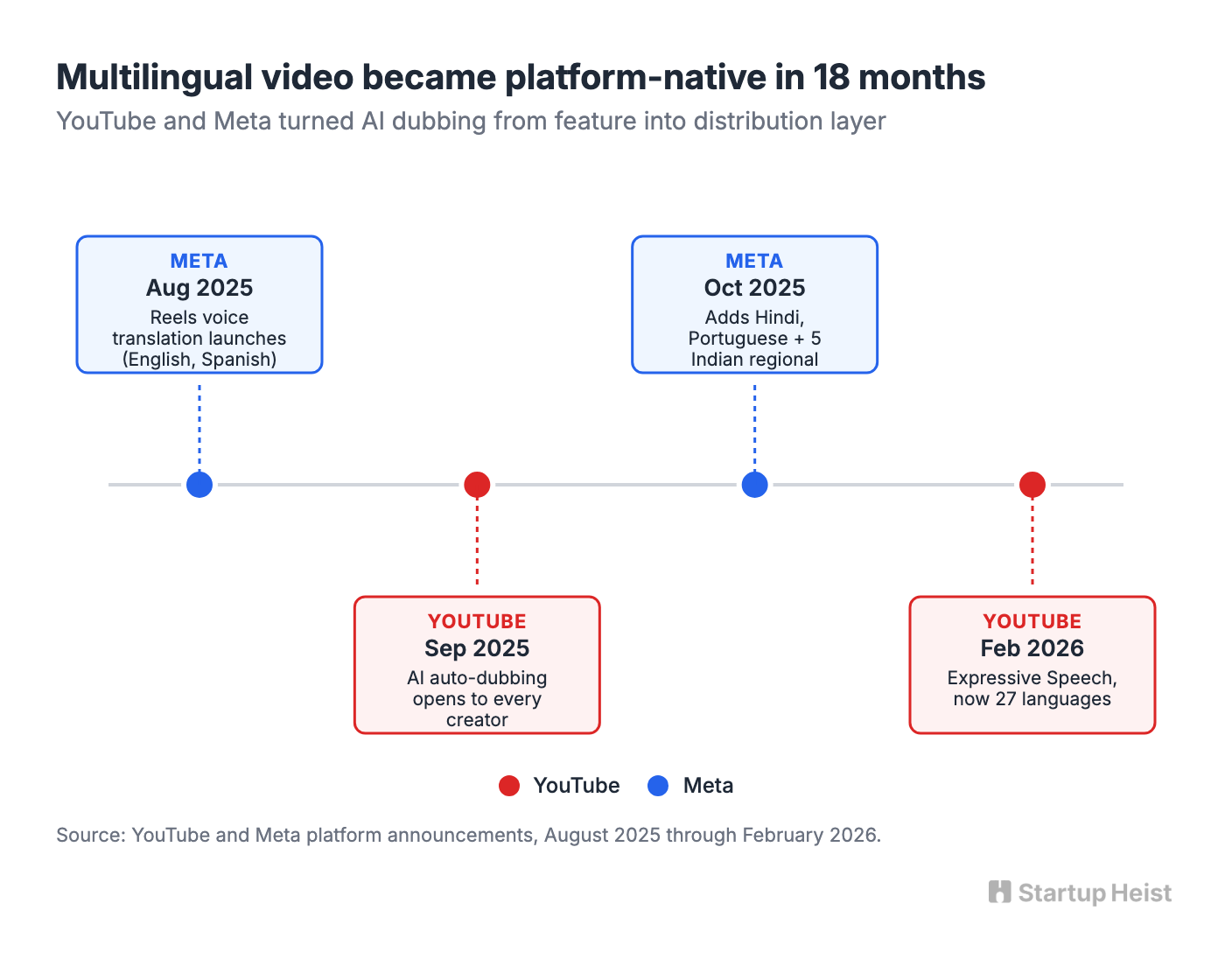
AI dubbing software is already a $1.16 billion category in 2026 and tracks toward $3.66 billion by 2035 at a 14.2% CAGR. Over 65% of content producers have picked up an AI-assisted dubbing tool in the last eighteen months. Platform behavior is moving the same way. YouTube opened AI auto-dubbing to every creator back in September 2025, then upgraded on February 4, 2026 with Expressive Speech and expansion to 27 languages. Pilot data from enrolled creators shows meaningful reach gains from non-primary-language viewers, with Jamie Oliver's channel, for instance, seeing views triple and over 25% of watch time coming from non-primary-language audiences. Meta rolled out AI voice translation for Reels in August 2025 with English and Spanish, then added Hindi, Portuguese, and five Indian regional languages in October. Multilingual video is becoming a standard distribution layer, no longer an exotic add-on.
Who actually needs this
Franchise training companies. Faith-based media networks. Immigration-law firms with heavy Spanish and Asian-language caseloads. Youth sports education businesses. B2B companies with webinar archives. These aren't Hollywood clients, they aren't union-sensitive entertainment, and they aren't creators who enjoy tinkering. The buyer is a practical operator who wants more reach, more usable assets from the same archive, and no new internal workflow to manage.
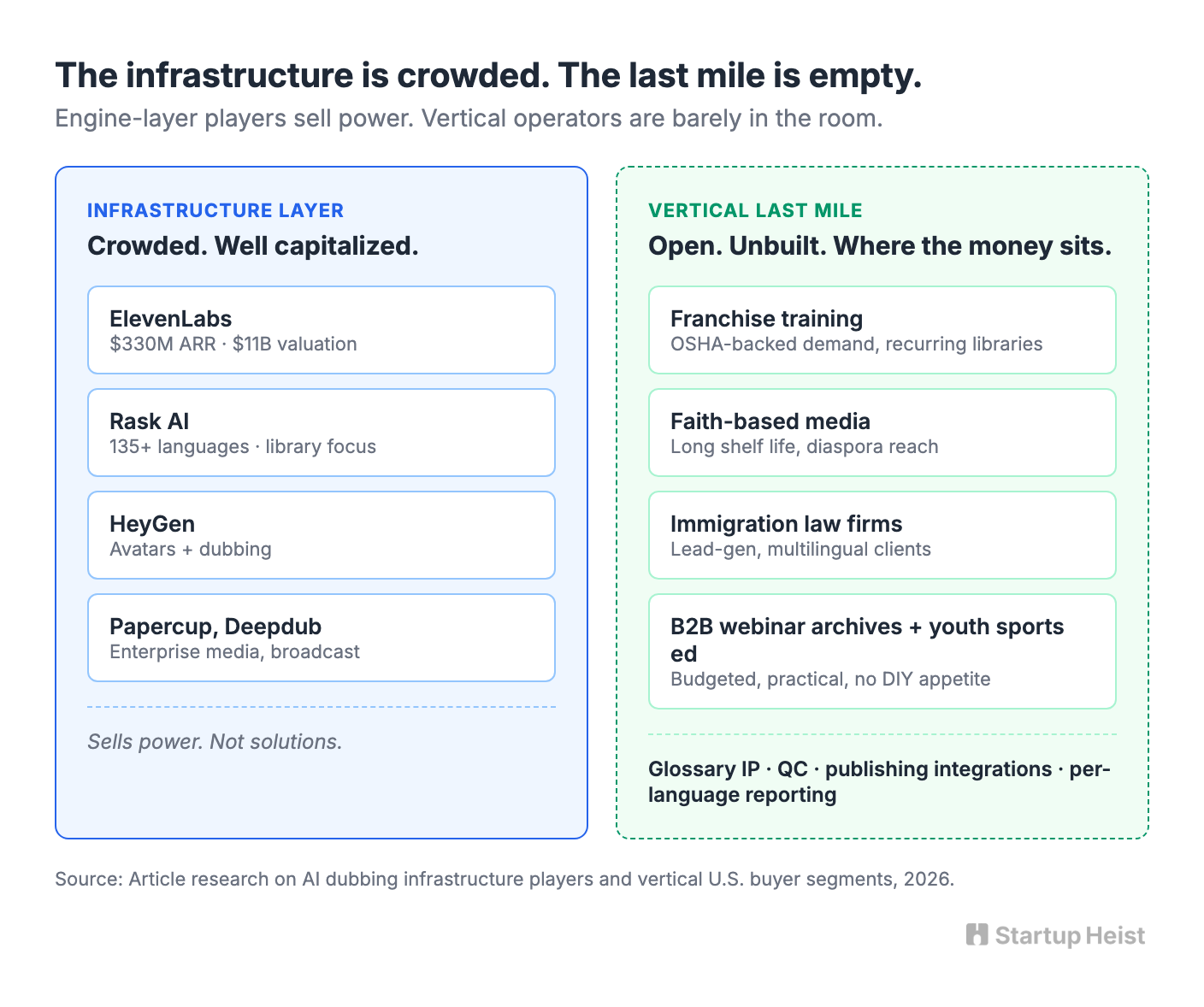
Generic AI dubbing software is already getting commoditized. Vertical localization still has room. ElevenLabs, HeyGen, Rask AI, Papercup, and Deepdub are all racing to build the engine layer, and ElevenLabs just closed a $500 million Series D at an $11 billion valuation on $330 million of ARR. Rask AI now supports 135+ languages and explicitly markets to organizations with large video libraries. Infrastructure money is flowing because infrastructure is easy for investors to imagine. But infrastructure companies sell power. They don't solve the last mile for buyers with messy libraries, specific terminology, internal approval chains, and publishing surfaces that demand a particular format. The last mile is where the money sits.
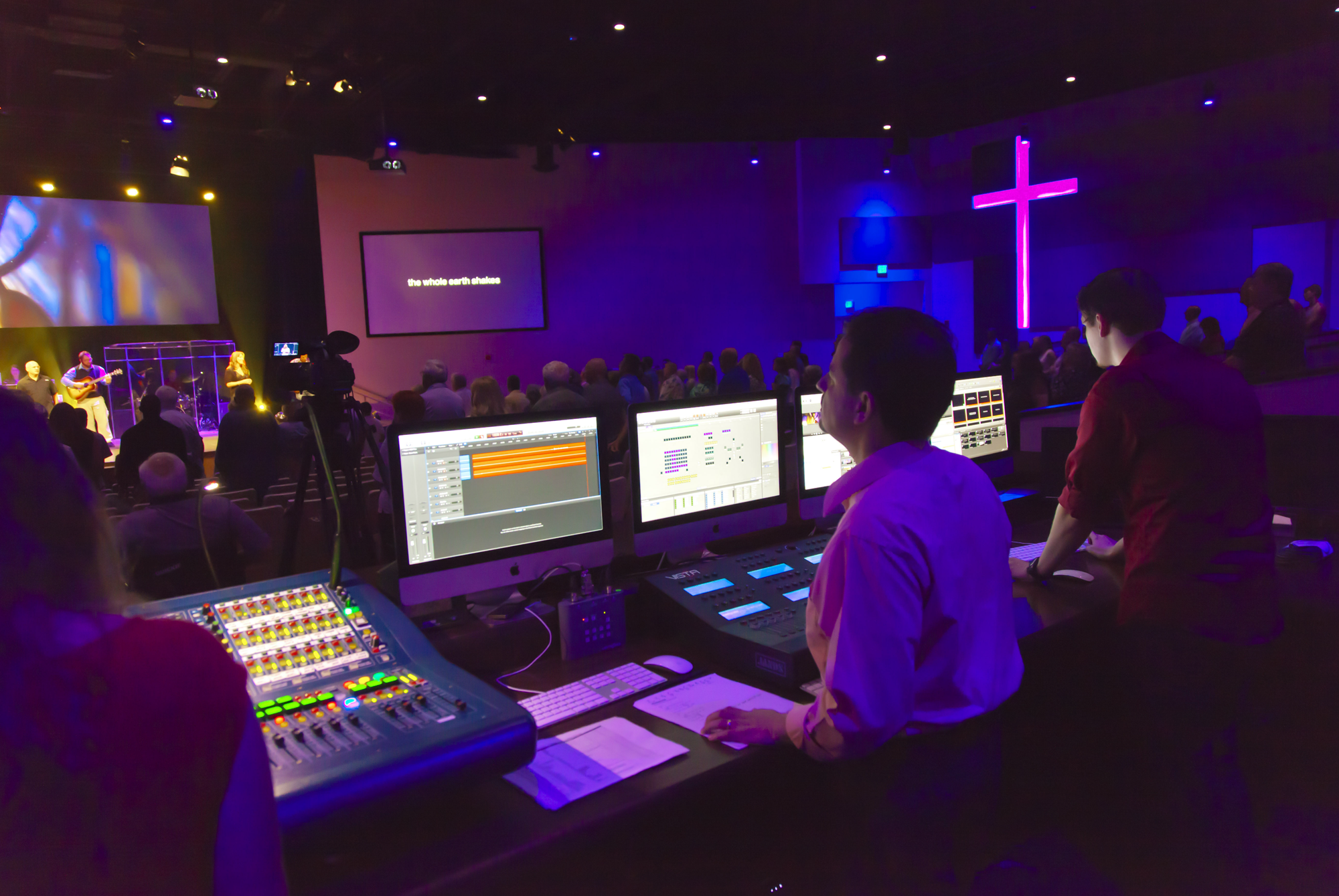
A franchise training company doesn't need synthetic voice access. It needs 240 training videos in English turned into Spanish, Portuguese, and Vietnamese, with kitchen terms, safety language, product SKUs, and franchise-specific vocabulary handled correctly, then pushed into its LMS in the right format, versioned, and tracked. A church media organization needs weekly sermons, children's curriculum, and evergreen discipleship videos localized into a handful of languages, checked for theological terminology, then published to YouTube, app archives, and study portals. An immigration-law firm needs explainers localized for lead generation and intake without mistranslating legal concepts that create liability.
This is a service business with software inside. The first product you sell is certainty. You ingest the library, pick the language plan, run a vertical glossary, dub, QC, publish, and report back on output and performance. The buyer is paying to avoid learning the stack, to avoid embarrassing mistakes, and to avoid handing the work to an internal coordinator who will botch it. The moat is the ugly middle layer that generic AI dubbing software refuses to own: vertical glossaries, pronunciation libraries, approval workflows, publishing integrations, and performance data by language. The more videos you process inside one niche, the more institutional language data you accumulate. That glossary asset ends up harder to replicate than the dubbing itself.
Why franchise training localization is the cleanest wedge
Franchise training sits at the top of the stack because the ROI is legible and the work repeats. Foreign-born workers now make up roughly 19% of the U.S. labor force, and nearly half speak English less than "very well." OSHA has already made clear that safety training must be delivered in a language the worker understands, or the employer eats both compliance and liability exposure. Research from corporate learning vendors suggests localized training can lift retention by as much as 50% and meaningfully improve productivity, with broader learning investment generating gains in the 20-25% range. That's budget-worthy math for any franchisor with thousands of hourly workers behind a counter, and the libraries refresh every time a new SKU, policy, or compliance update drops.
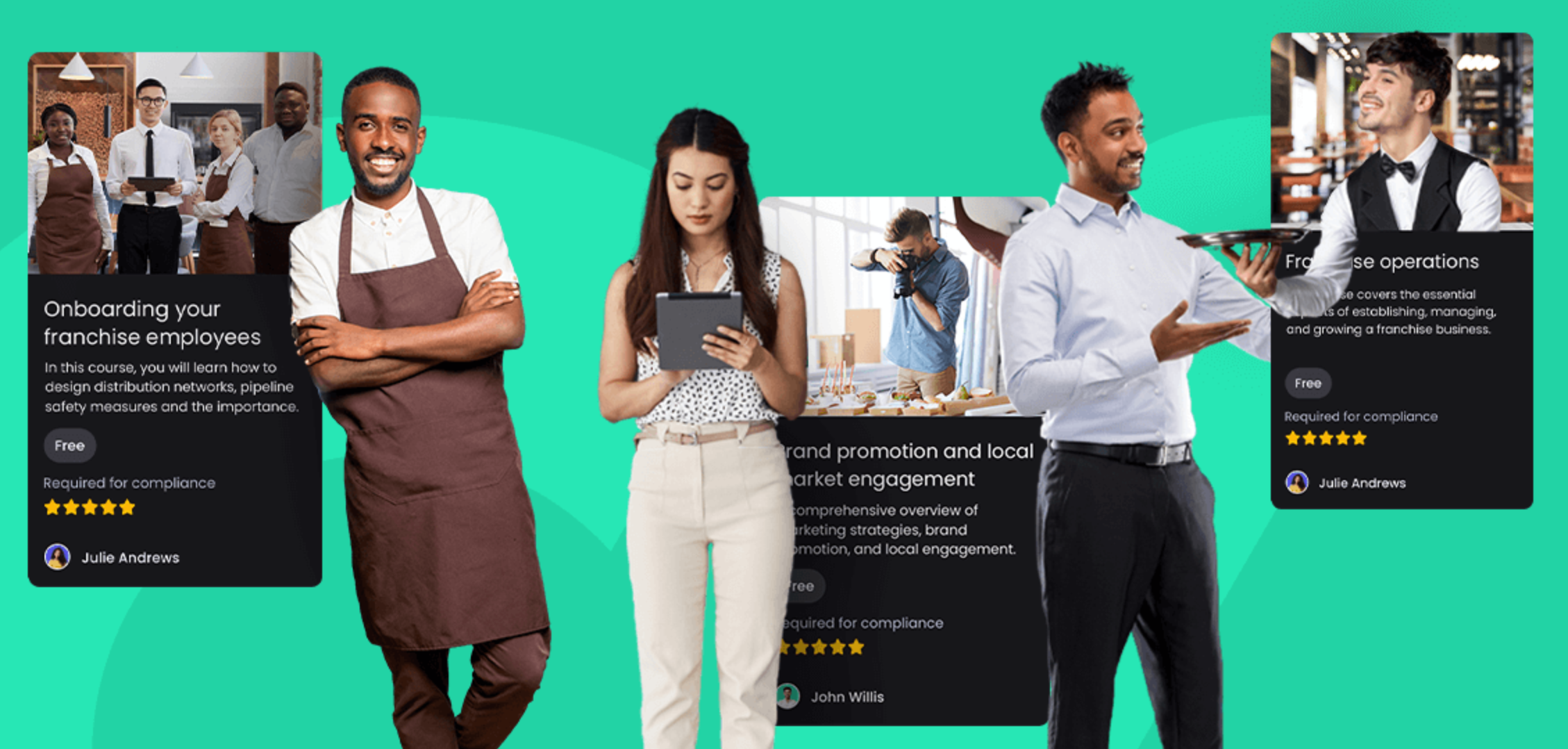
The competitive space is thin too. Franchise LMS platforms are built for content management, not multilingual video production. Traditional localization agencies treat AI as a threat rather than a lever. Rask and Papercup target enterprise media and broadcast, not training verticals. You walk into a market that already spends on training, already knows it has a language problem, and you meet almost no one selling an integrated solution.
Faith-based media is the strong runner-up. High volume. Long shelf life. Strong multilingual demand across U.S. Hispanic, Brazilian, Korean, and African diaspora congregations. A fragmented landscape of operators that's large enough to pay five-figure engagements but too small to build internal tooling. Both categories sit far enough from Hollywood to avoid the loudest labor fights. SAG-AFTRA has drawn the red line clearly on digital replicas for union performers, so don't build this around imitating performers. Use licensed synthetic voices, client-approved voices with written consent, or standard voice options. The product you sell is translation, localization, and distribution workflow. Never clone anyone's voice.
The scale, honestly
This isn't a venture-scale software rocket on day one. It's a high-margin vertical service business that can become a platform if you pick the right niche. A focused operator can credibly cross low six figures in annual revenue faster with this than with a generic localization SaaS, because the buyer is paying for throughput and trust, not experimentation. A two-person team owning one niche and one workflow can reach $20,000 to $80,000 in monthly recurring revenue without breaking things.
There are two plays inside this opportunity. The heist version: pick one niche, sell a done-for-you "localize your archive" package, and use off-the-shelf models plus light automation to throw off fast cash. The compounding version: convert every project into workflow software, glossary IP, templates, and distribution logic until you own a vertical operating system for multilingual video. The second path is where the real multiple lives.
The MVP
Unlock the Vault.
Join founders who spot opportunities ahead of the crowd. Actionable insights. Zero fluff.
“Intelligent, bold, minus the pretense.”
“Like discovering the cheat codes of the startup world.”
“SH is off-Broadway for founders — weird, sharp, and ahead of the curve.”


