


The Vendor Relocation Engine Hiding Inside a Retail Bankruptcy
The Collapse
On April 14, 2026, Painted Tree Boutiques emailed vendors at more than 60 stores nationwide: all business operations would cease immediately. No transition period. Vendors had until April 24 to retrieve their inventory. Chapter 7 bankruptcy, full liquidation, no restructuring.
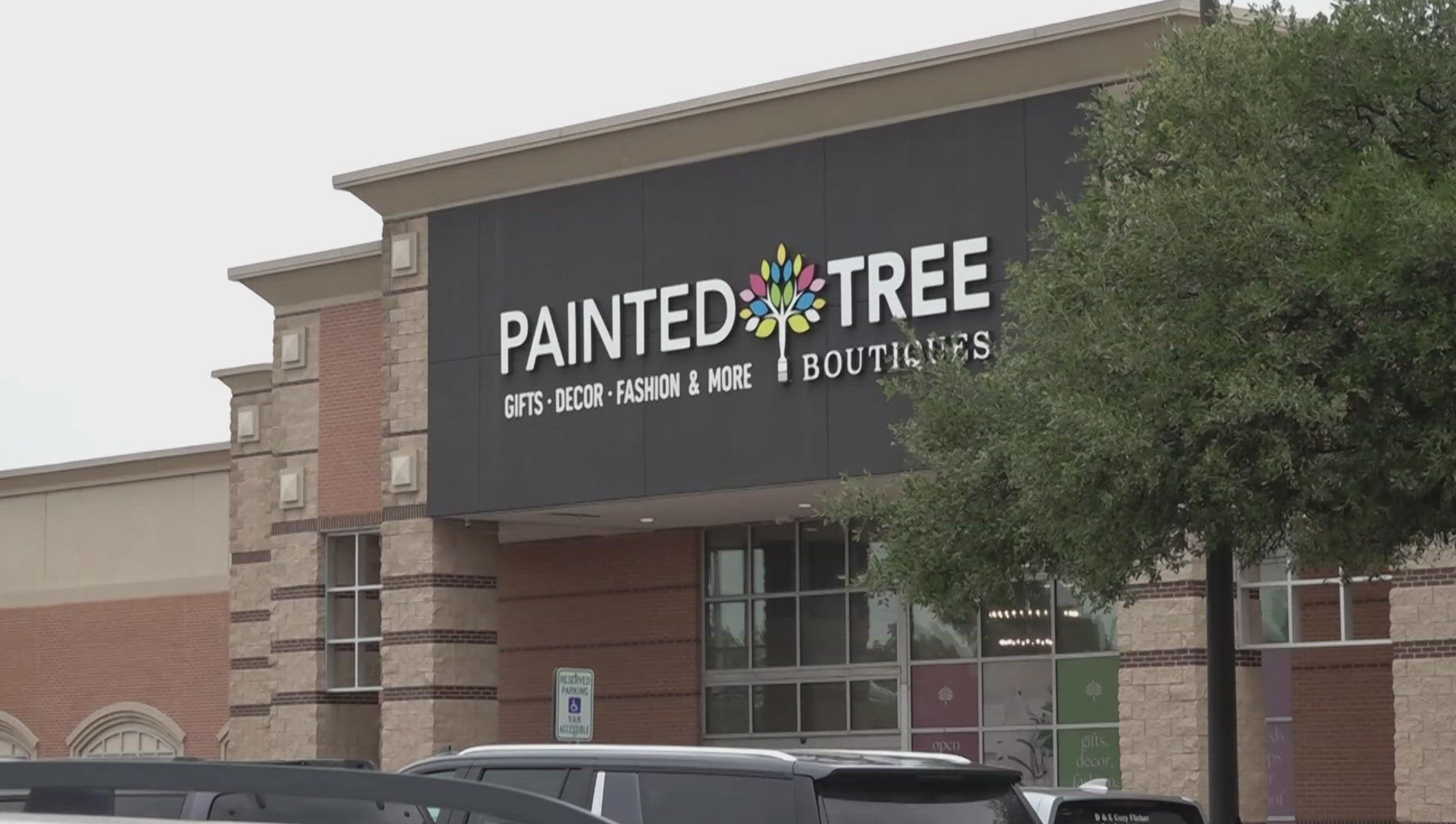
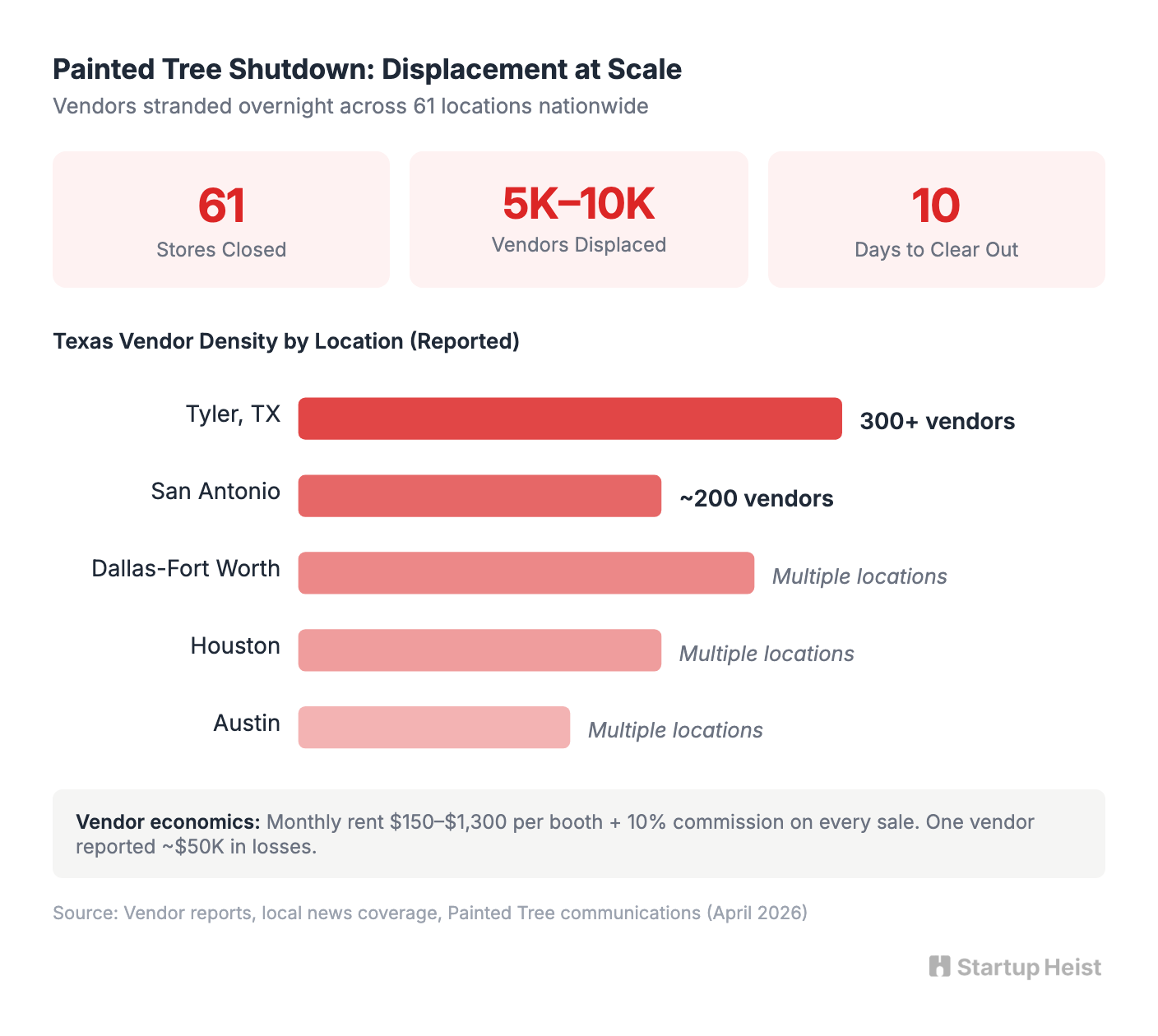
The chain had aggregated independent vendors under one roof since 2015, many locations occupying former Bed Bath & Beyond spaces — one retail bankruptcy creating the footprint for the next. Merchants designed their own spaces, stocked their own products, and paid monthly rent from $150 to $1,300 depending on booth size, plus a 10% commission on every sale. The Tyler, Texas location alone housed more than 300 small businesses. San Antonio hosted roughly 200. Across Texas, where the chain operated at least ten locations spanning Dallas-Fort Worth, Houston, Austin, San Antonio, and Tyler, the vendor count reached into the thousands. Nationwide, 61 stores averaging 150 to 200 vendors each means somewhere between 5,000 and 10,000 small businesses lost their selling location in a single email. One vendor reported losing approximately $50,000.
This is a market-formation event.
The money: Sign 25 recurring hosts at $149/month average for ~$3,725 MRR, scaling to $5K-$15K MRR per metro with transaction fees and featured placements.
Inside:
• MVP matching engine in 2-4 weeks
• Host and vendor onboarding playbook
• Go-to-market using displacement urgency
• Path from crisis tool to vendor OS
The Displacement Problem
Painted Tree's shutdown instantly displaced a fragmented base of small merchants accustomed to a specific operating model: rent booth space, rely on foot traffic, sell inside a semi-managed retail environment. Craft sellers, vintage dealers, home decor makers, specialty producers. They depend on physical presence to move product. When that infrastructure vanishes overnight, they need revenue within days and a new selling location that works with their existing setup.
Texas communities are already improvising. Local businesses are offering temporary space. Vendors are organizing ad hoc pop-ups. Facebook groups are full of matchmaking attempts. All of it manual, all of it fragmented. No one owns the coordination layer.
The Market Behind the Crisis
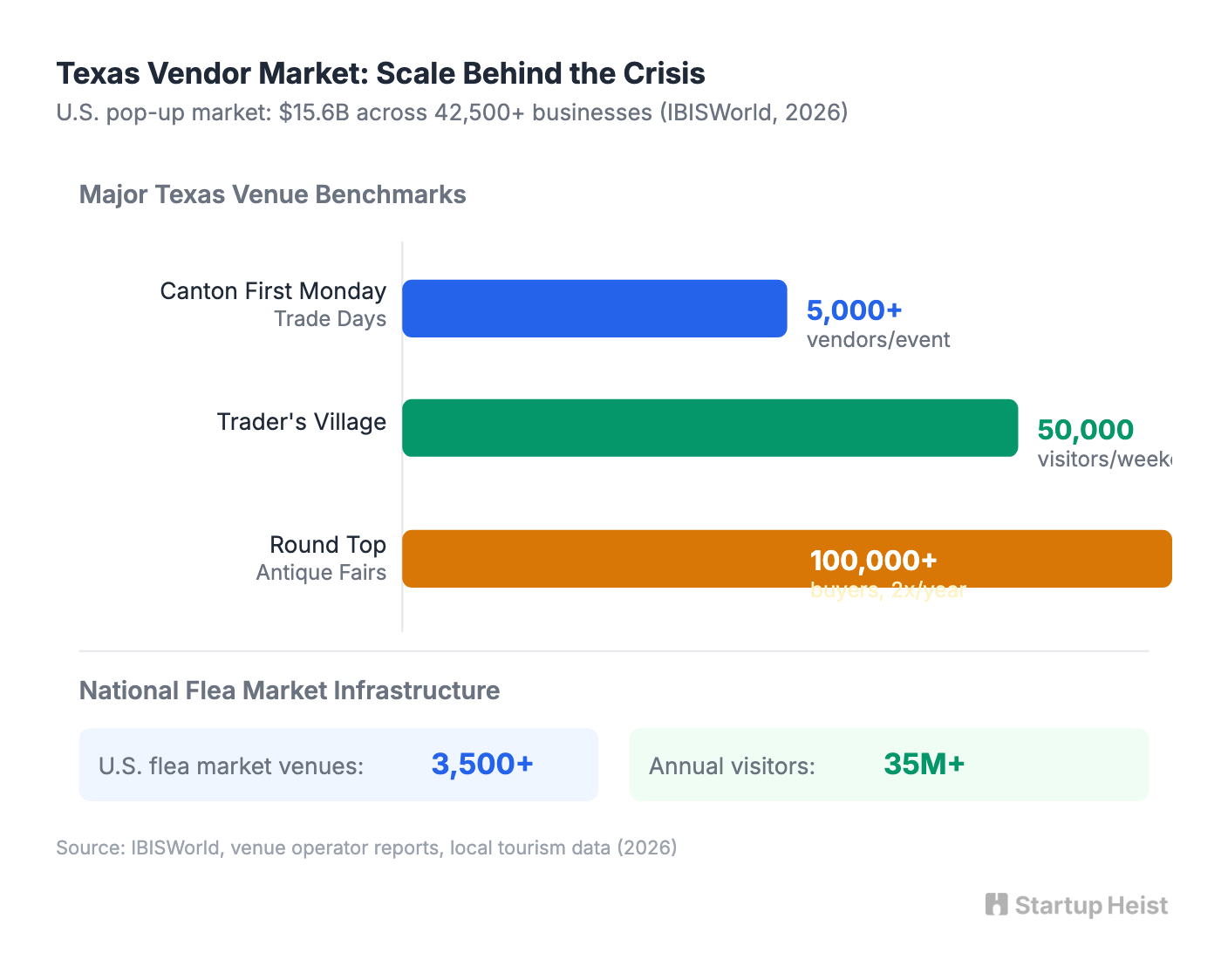
IBISWorld sizes the U.S. pop-up shop market at $15.6 billion in 2026 across more than 42,500 businesses. Flea markets account for 3,500-plus U.S. venues serving roughly 35 million visitors annually. Texas punches above its weight: Canton's First Monday Trade Days draws 5,000-plus vendors per event, Trader's Village sees an estimated 50,000 visitors on a single weekend, and Round Top's antique fairs pull 100,000-plus buyers twice a year.
The Painted Tree collapse supplies the trigger. The broader vendor market, durable and messy, still running on clipboards and Facebook posts, supplies the foundation.
The Competitor Gap
Booth Tracker, Marketspread, and Seen Markets are organizer-side tools. They help a flea market operator who already has a venue manage booth rentals, vendor applications, and payments. Consignment platforms like SimpleConsign handle sales tracking inside a single retail location — SimpleConsign was Painted Tree's own software provider, built to serve the chain, not its vendors. National pop-up matching platforms like Popable and Storefront exist, but they target brand activations in urban retail, not emergency relocation for displaced micro-retailers. None of these tools match displaced vendors with available space across multiple venues. They serve markets that already exist, not markets forming under pressure.
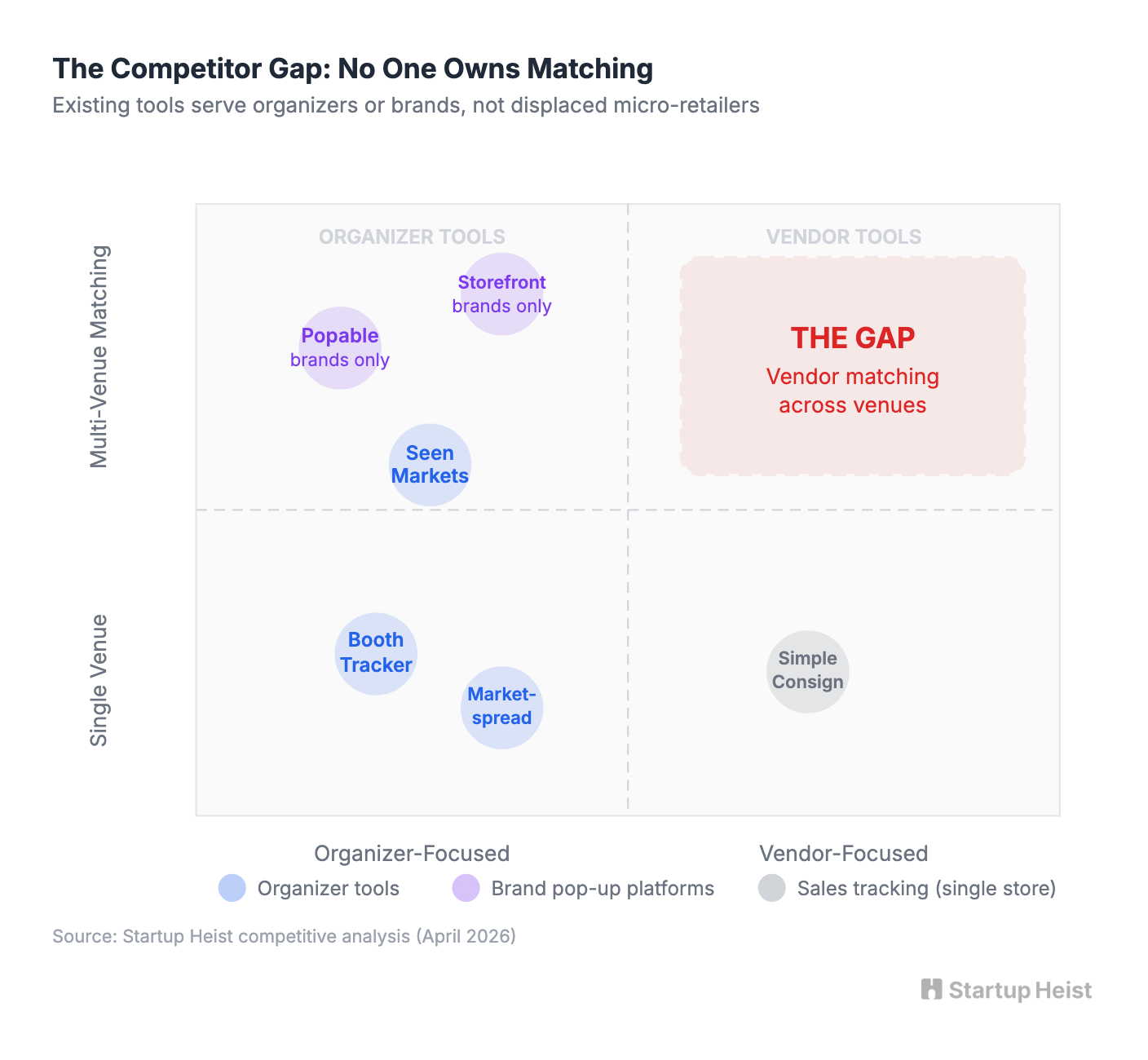
The gap is the matching layer between vendors who need space and hosts with open booths.
The Play
Unlock the Vault.
Join founders who spot opportunities ahead of the crowd. Actionable insights. Zero fluff.
“Intelligent, bold, minus the pretense.”
“Like discovering the cheat codes of the startup world.”
“SH is off-Broadway for founders — weird, sharp, and ahead of the curve.”


