


The Dead Ad Slot Economy
Every serious YouTube creator owns a strange asset they almost never think about: old sponsor reads.
A 14-minute personal finance video from 2021 still pulls 8,000 views a month. A developer tutorial from 2022 keeps ranking in search. A fitness review, a camera comparison, a productivity walkthrough, a "best tools for freelancers" guide. They all quietly generate attention for years.
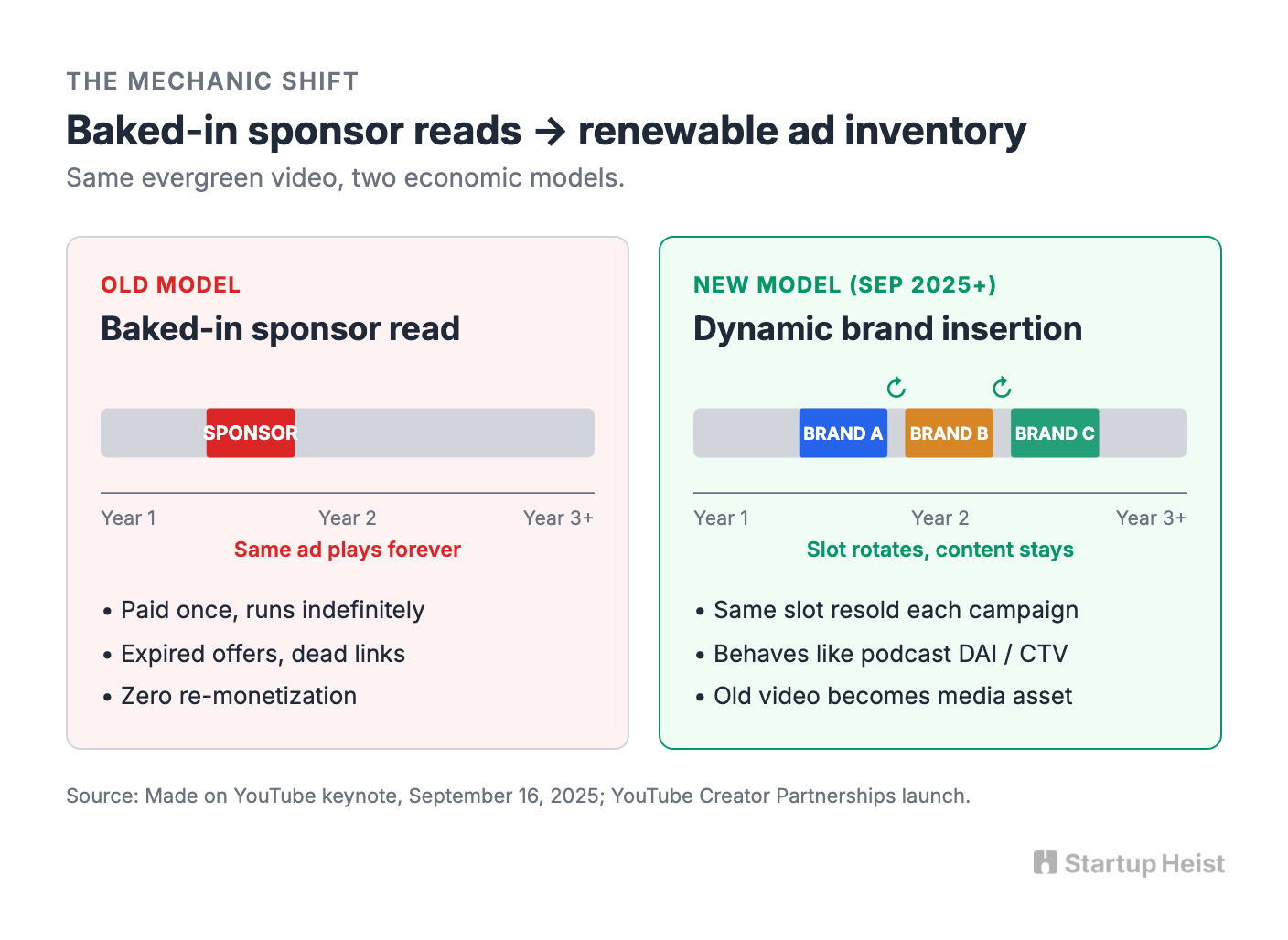
The ad inside the video is frozen in time. The sponsor deal expired two years ago. The brand changed its offer. The product no longer exists. The creator now commands triple the rate. The embedded 60-second read keeps playing like a fossil.
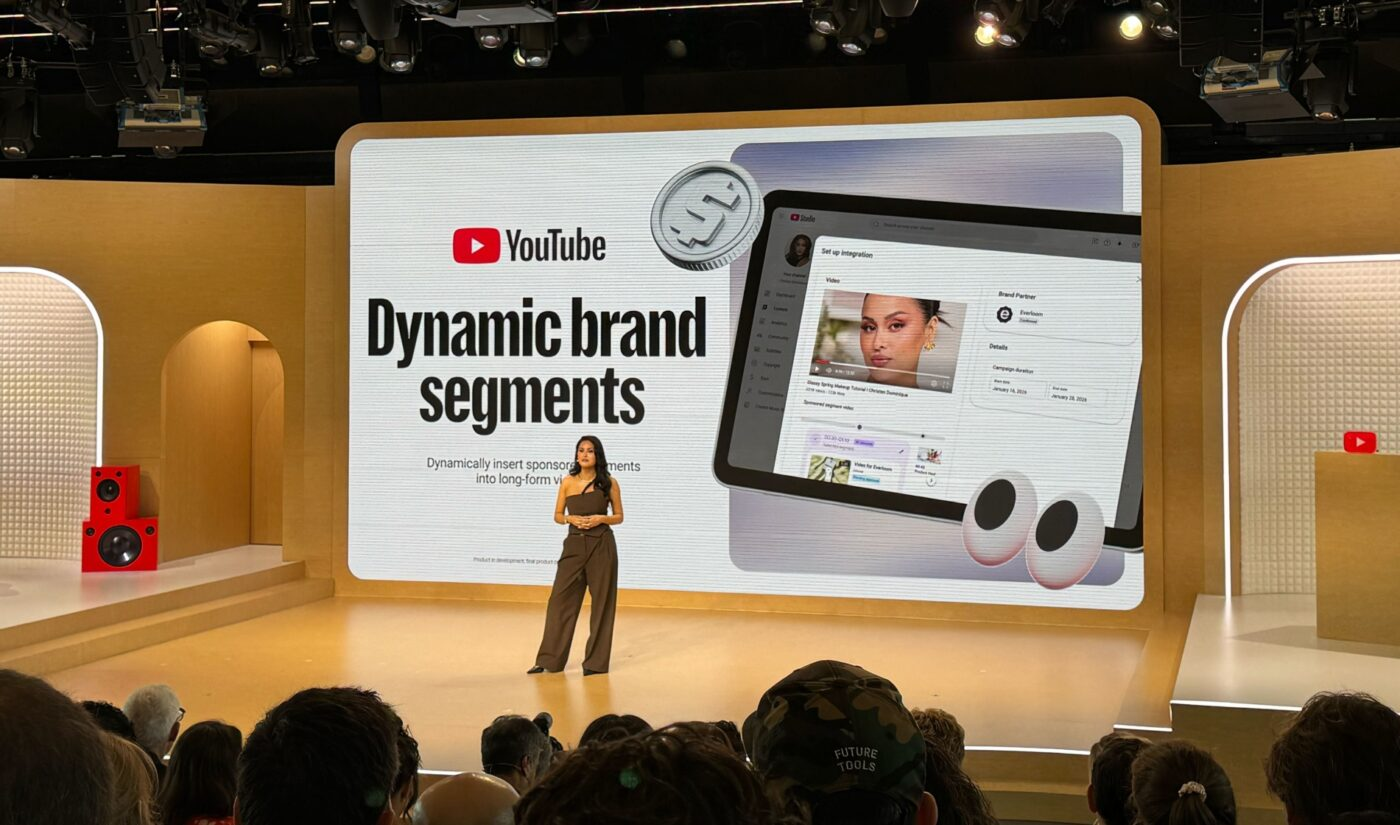
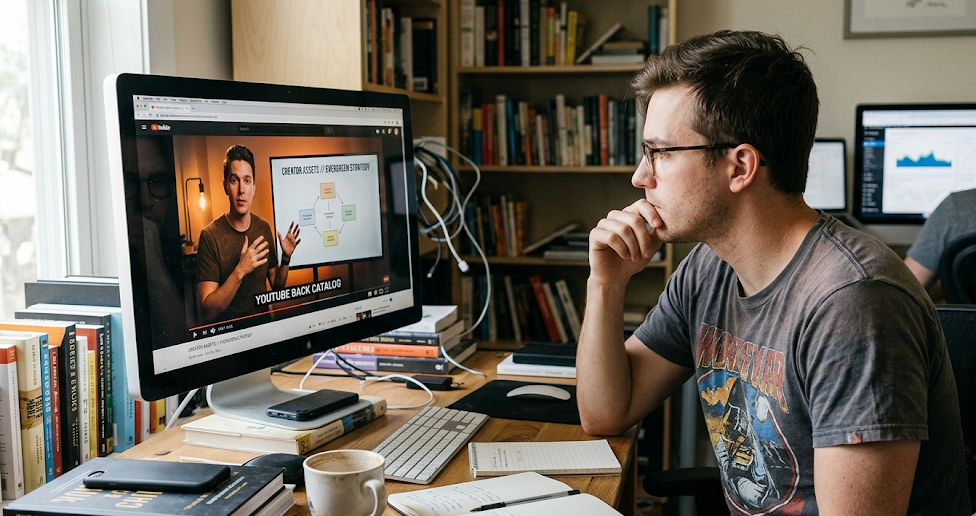
On September 16, 2025, YouTube announced dynamic brand insertions for long-form videos at Made on YouTube. Creators will drop branded segments into swappable slots, remove sponsorships after a deal ends, and resell the same placement to another brand. Testing began with a small group of creators in early 2026, with a broader rollout planned across the year.
Old YouTube videos become renewable ad inventory. Literally, not metaphorically.
Here's the opportunity:
The money: 50 creators, 100 deals a quarter at $2,500 each gets you to $250K commission plus $50–150K in production fees annually as a solo operator.
Inside:
• Back Catalog Revenue Audit MVP
• Slot card sales motion, not a marketplace
• Three-layer pricing: commission, production, SaaS
• Niche-first playbook with outreach templates
A creator's back catalog stops being a museum of old sponsor deals and becomes a media asset: searchable, measurable, priced, packaged, resold. Most operators will chase the obvious version and try to build another influencer marketplace. That market is crowded and the giants are coming for it. The sharper opportunity is a specialized brokerage and production service that helps performance brands buy dynamic sponsorship slots inside evergreen YouTube back catalogs.
A media buying desk for dead ad slots.
The Heist
Creators have inventory they don't know how to package. Brands have no easy way to buy it.
A mid-sized YouTube creator with 100,000 subscribers might have 300 long-form videos. Twenty of those still pull meaningful monthly views. Five are search-driven evergreen assets. Three carry old sponsor reads that are outdated, underpriced, or irrelevant. To the creator, that's "old content." To a smart operator, it's unsold media.
The business is straightforward. Audit mid-sized YouTube channels. Identify evergreen videos with sellable dynamic sponsorship slots. Price those slots based on forward-looking views and audience fit. Broker deals with brands. Produce the replacement sponsor segment. Manage approvals. Report performance.

Start as a service. Build the software later. That sequence matters because YouTube is moving fast. BrandConnect has evolved into YouTube Creator Partnerships, embedded inside YouTube Studio for creators and inside Google Ads and Display & Video 360 for advertisers, with Gemini-powered creator discovery across the full YouTube Partner Program. The platform charges no commission — brands pay creators directly. On April 21, 2026, impact.com became an early adopter of the new YouTube Creator Partnerships API, pulling first-party consented creator data into end-to-end campaign management. CreatorIQ is already integrated. You won't beat YouTube at YouTube. You can do the messy work YouTube won't do well at first: creator audits, slot packaging, sponsorship pricing, brand matching, script production, compliance review, and performance storytelling for mid-tier creators who are too small for elite agencies and too valuable to ignore.
Why This Is Happening Now
For a decade, YouTube sponsorships were permanent. A creator published a video with a sponsor read baked into the edit. The sponsor got exposure as long as the video kept earning views. Great for brands that underpriced the placement. Bad for creators whose evergreen videos kept delivering attention for years without additional compensation.
Dynamic sponsor segments rewrite that economic logic. A long-form video starts to behave like podcast inventory or connected TV inventory: the content stays fixed, the ad slot rotates. A brand buys a defined campaign window. A creator retires expired reads. A high-performing old video gets monetized more than once.
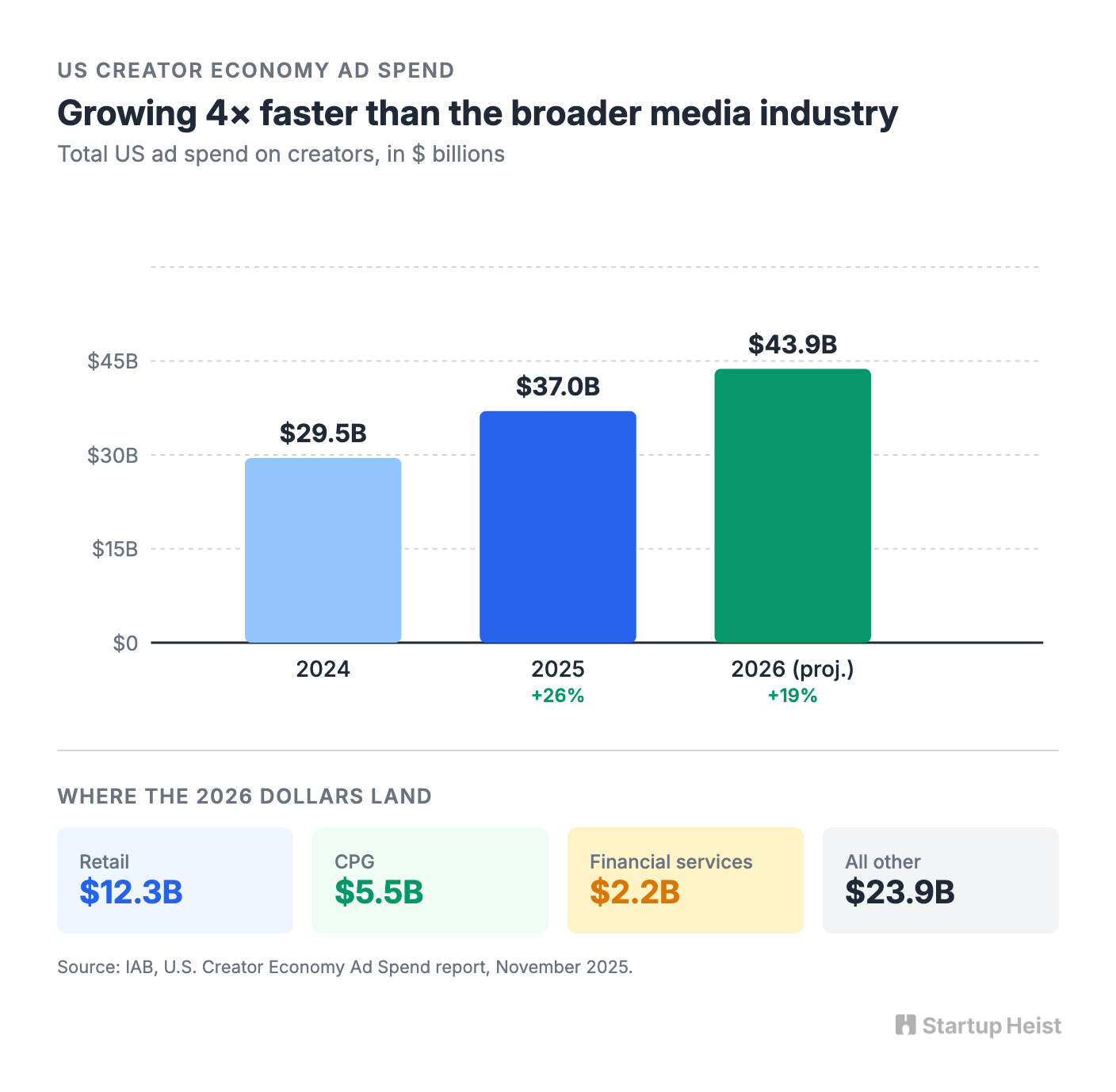
The macro backdrop helps. The IAB reported in November 2025 that U.S. creator economy ad spend would hit $37 billion in 2025, up 26% from $29.5 billion the year before, growing roughly four times faster than the overall media industry. The IAB projects $43.9 billion in 2026. Retail leads at $12.3 billion, CPG follows at $5.5 billion, financial services at $2.2 billion. The 50,000 to 500,000 follower band is where money sits hiding in plain sight, because those creators balance reach with engagement. Big creators have managers, agencies, and direct brand relationships. Tiny creators don't have enough evergreen inventory to justify the work.
The Actual Customer
Two customers, one matters first.
The creator owns the inventory. They need to believe this generates incremental revenue without creating an operational headache. The brand drives demand. The business only works if brands buy back-catalog placements as a real media product.
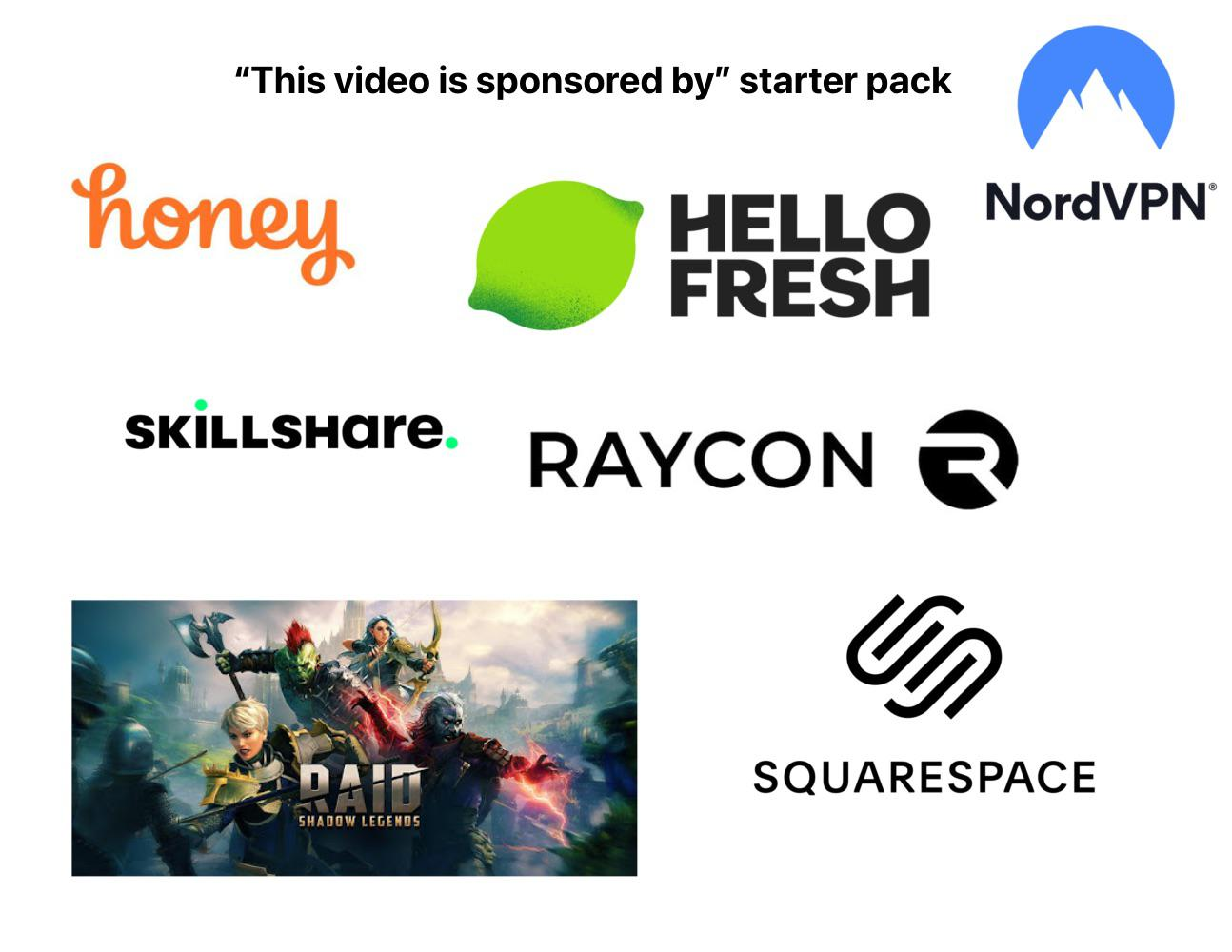
The first target buyer isn't Coca-Cola. It's the performance brand already running YouTube sponsorships: VPNs, productivity tools, fintech apps, AI tools, developer platforms, creator tools, investing apps, fitness products, education platforms, software for freelancers and small businesses. They understand creator reads. They care about CAC. They already run promo codes, landing pages, attribution links, and creator-specific reporting.
The pitch is "buy proven evergreen attention at a better effective CPM than new uploads." A new YouTube sponsorship is a bet. A back-catalog slot is closer to a media asset with historical performance: topic, search ranking, audience, monthly views, engagement, longevity all visible before signing. That's the arbitrage.
What Makes the Back Catalog Different
Most influencer marketing is still obsessed with the launch moment. A creator publishes. The brand gets a burst of attention. The post ages. The campaign ends. Everyone moves on.
YouTube doesn't work that way. A good YouTube video keeps earning views through search, recommendations, playlists, and embedded discovery for years. A "best budgeting apps" video from 2022 is still relevant in 2026. A "how to start a newsletter" tutorial keeps ranking. A "beginner guide to Notion" feels fresh to the viewer who discovers it today.
The best inventory has four traits:
Unlock the Vault.
Join founders who spot opportunities ahead of the crowd. Actionable insights. Zero fluff.
“Intelligent, bold, minus the pretense.”
“Like discovering the cheat codes of the startup world.”
“SH is off-Broadway for founders — weird, sharp, and ahead of the curve.”


