


In November 2017, designer James Bridle published "Something is Wrong on the Internet" on Medium.
The essay catalogued what parents had been finding on YouTube Kids. Fake Peppa Pig drinking bleach. Elsa giving birth in a hospital bed. Spider-Man burying Mickey Mouse alive. Thousands of videos dressed in familiar character thumbnails, autoplaying one after another on a toddler's iPad. Bridle's line: "someone or something or some combination of people and things is using YouTube to systematically frighten, traumatise, and abuse children, automatically and at scale."
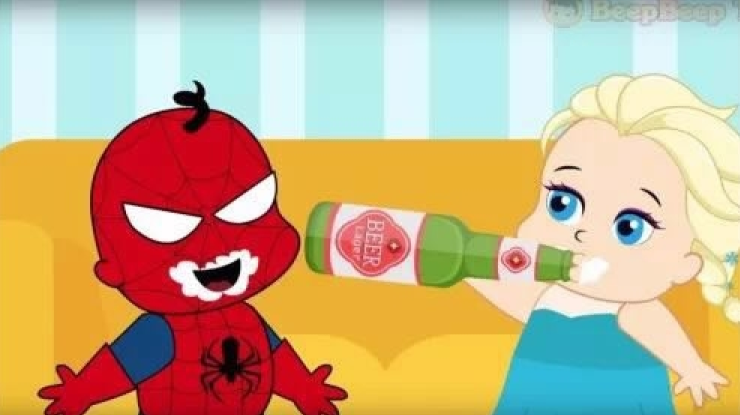
The piece went mega-viral. YouTube panicked. Over the next year they deleted hundreds of thousands of videos, terminated 150 channels, and demonetized roughly 2 million more. Elsagate built YouTube Kids' parental controls, the child-directed flag, and a generation of parents who quietly stopped trusting the feed.
Eight years later, the same exploit is running on the same platform with a new engine.
This time, the operator is anyone with a prompt window. No animation studio required.
Generative AI has industrialized children's video. Cheap synthetic animation, AI singsong narration, stolen character tropes, sensory sludge optimized for autoplay. On April 1, 2026, the advocacy group Fairplay sent an open letter to YouTube signed by 135 organizations and over 100 experts, Jonathan Haidt and Sherry Turkle among them. The asks were direct: ban AI-generated content from YouTube Kids, label every AI video on the main app, ship a parental toggle. YouTube acknowledged the concern. No timeline.
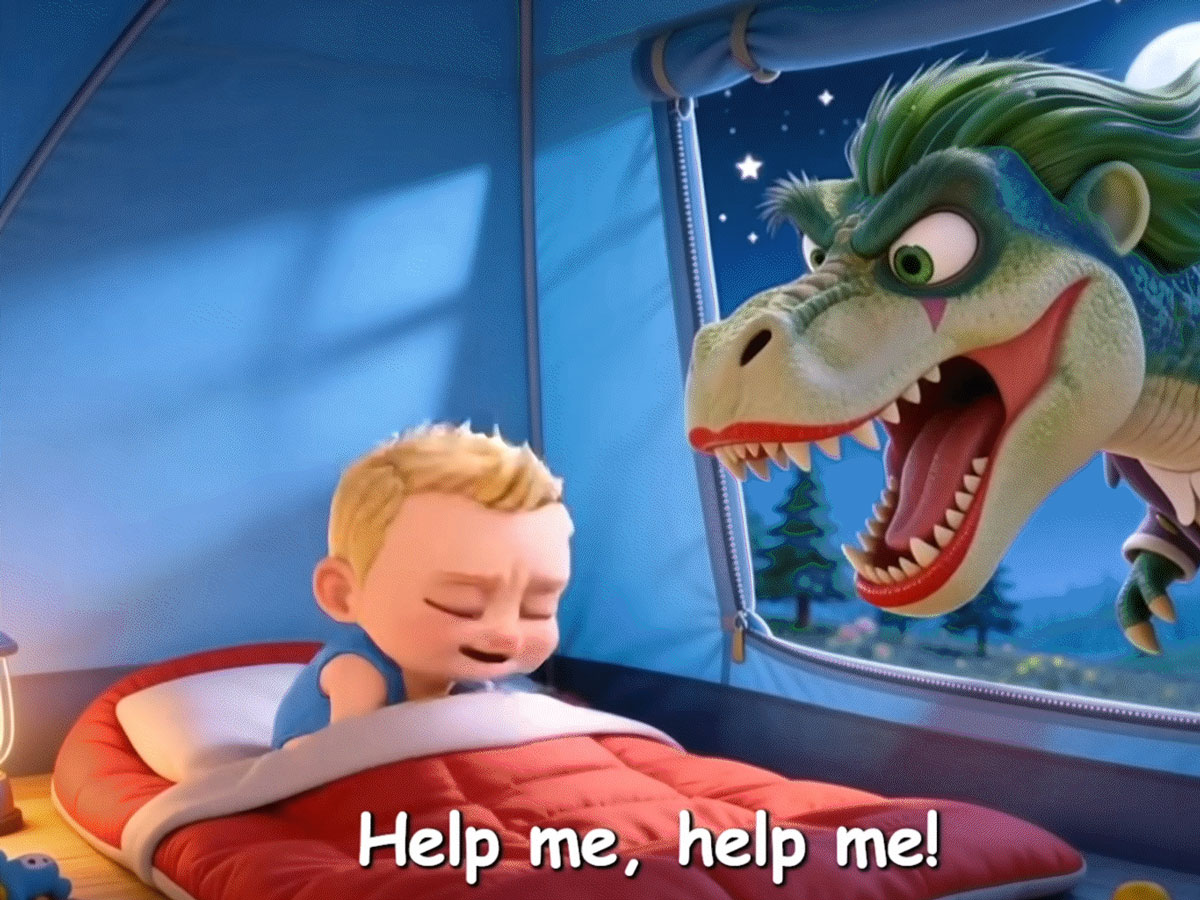
The wedge is a human-curated, approved-only YouTube layer for kids. No Shorts, no recommendations, no open search in kid mode. The brand promise writes itself: the algorithm is not invited. $8/month, 10,000 paying families, $80K MRR. And the defensible asset isn't the app itself. It's the trust database underneath it.
Read the full playbook here:
Generative AI has turned children's YouTube into industrial spam. One narrow app — human-reviewed channels, no Shorts, no recommendations — sits in a gap YouTube won't close.
From the Vault:
ISO 20022 is restructuring cross-border payments by November 2026. SMB exporters using QuickBooks or Xero have no practical tool to make their supplier data bank-ready.

California's AB 1921 is turning online game shutdowns into a compliance event. Studios need notices, refund workflows, and audit trails — and most can't build it themselves.


