


The capsule machine you're picturing, the one packed with anime figures outside a Tokyo arcade, is American. Back in the 1880s, New York shops set out coin-operated machines that spat out gum, then postcards, then little toys sealed in shells. Nothing special. Around 1965 a trading company hauled those same machines across the Pacific and parked them outside dagashiya, the cheap candy stalls where Japanese kids blew their pocket money.
Then a guy named Ryūzō Shigeta changed one thing. Instead of loose candy rattling into your palm, he sealed each toy inside a plastic capsule. Cleaner, more charming, and suddenly collectible, because you couldn't see what you were getting until you cracked it open.
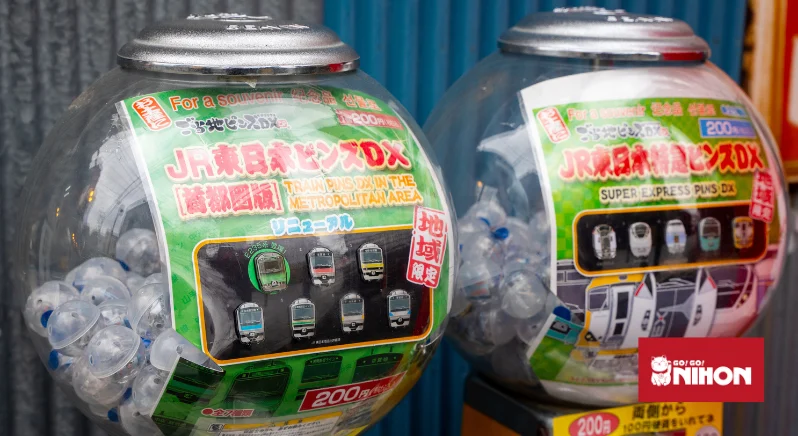
That one tweak built an industry. Bandai took the format in 1977, and today Japan ships roughly ¥141 billion of capsule toys a year, up 20% in twelve months, with around 700 new products hitting machines every month. Same machine America invented and forgot. Japan just changed what went in the ball.
The machine was never the business. The thing inside it was.
Which is exactly the gap sitting wide open in America right now. Bandai and Pop Mart have already trained millions of us to drop $6 on a sealed surprise, and Bandai's US stores now outsell its Japanese ones. But none of the big players can sell you a capsule that belongs to your own neighborhood. That's where you come in.
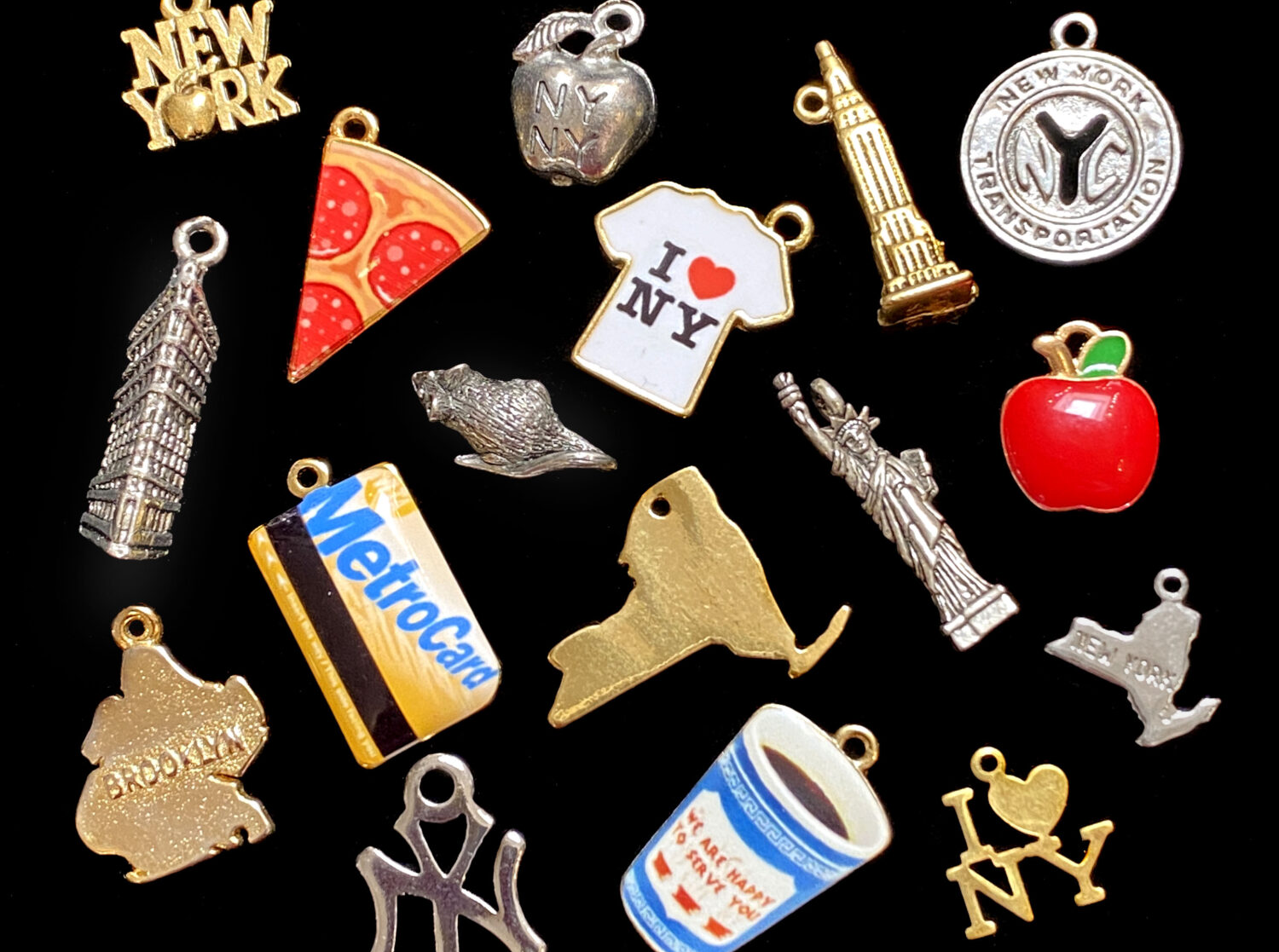
Today's idea: run a small route of capsule machines stocked with venue-exclusive collectibles nobody can buy online. A bookstore's reader archetypes. A brewery turning its resident dog into a charm. Flash designs from the tattoo shop down the block. You commission the art, pack the capsules, service the machines, and split the take with the venue, which gives up three square feet and buys zero inventory. Ten productive machines pulling 200 times a month throw off around $5,200 in monthly contribution. The smallest storefront in town, and nobody else can stock it.
Read the full playbook here:
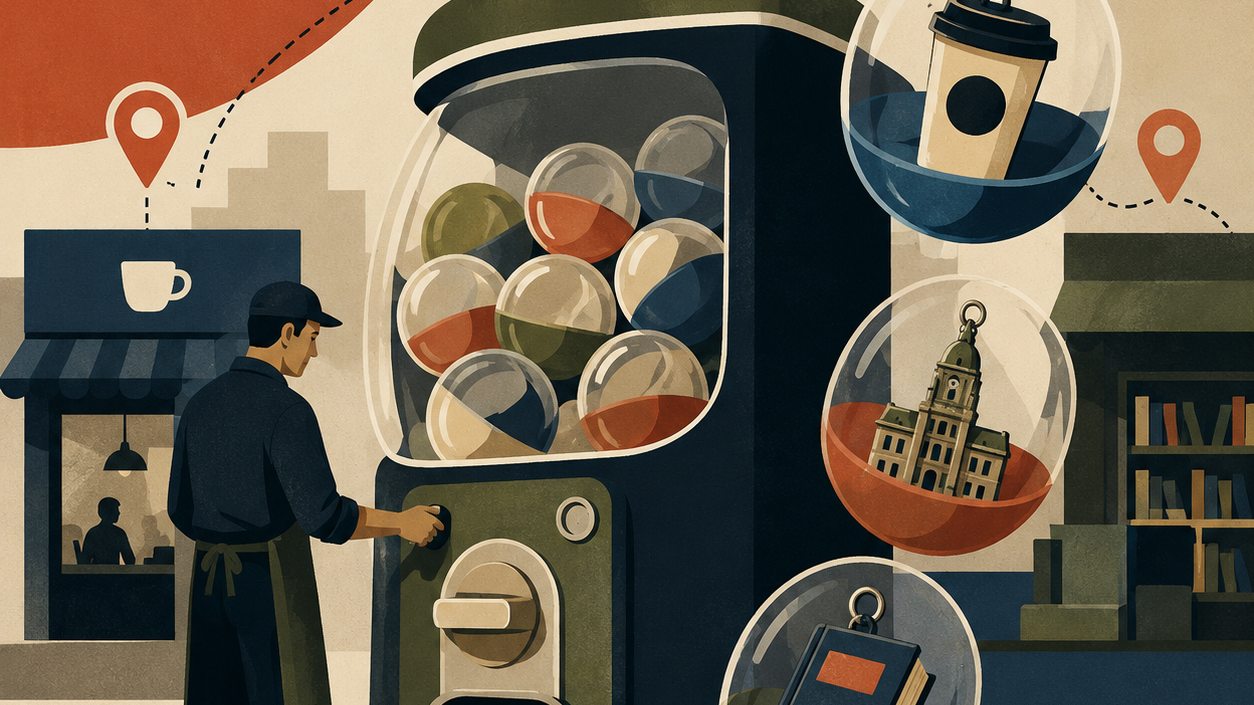
Bandai and Pop Mart trained America to pay for capsule toys, but the real retail gap is venue-exclusive local collectibles nobody else can sell.
From the Vault:
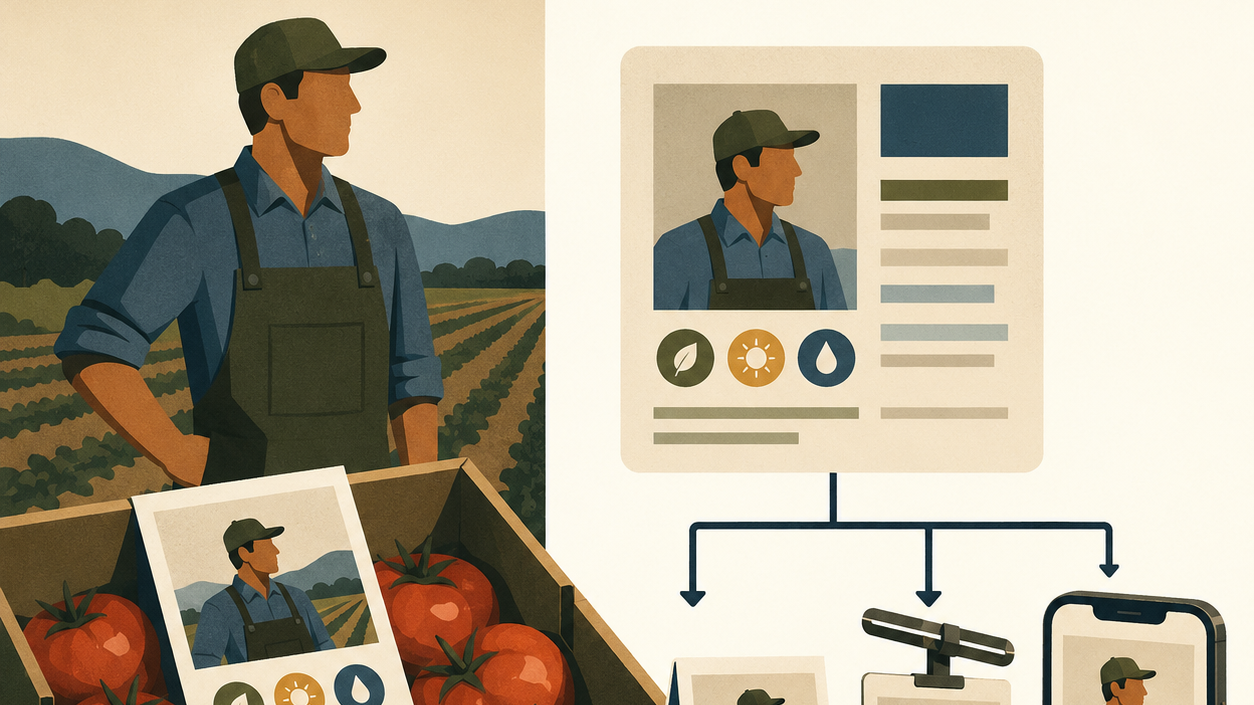
A viral AI farmer photo hid a real business: turning one producer interview into shelf-ready provenance content for grocers, co-ops, and distributors, worth $360K ARR at scale.
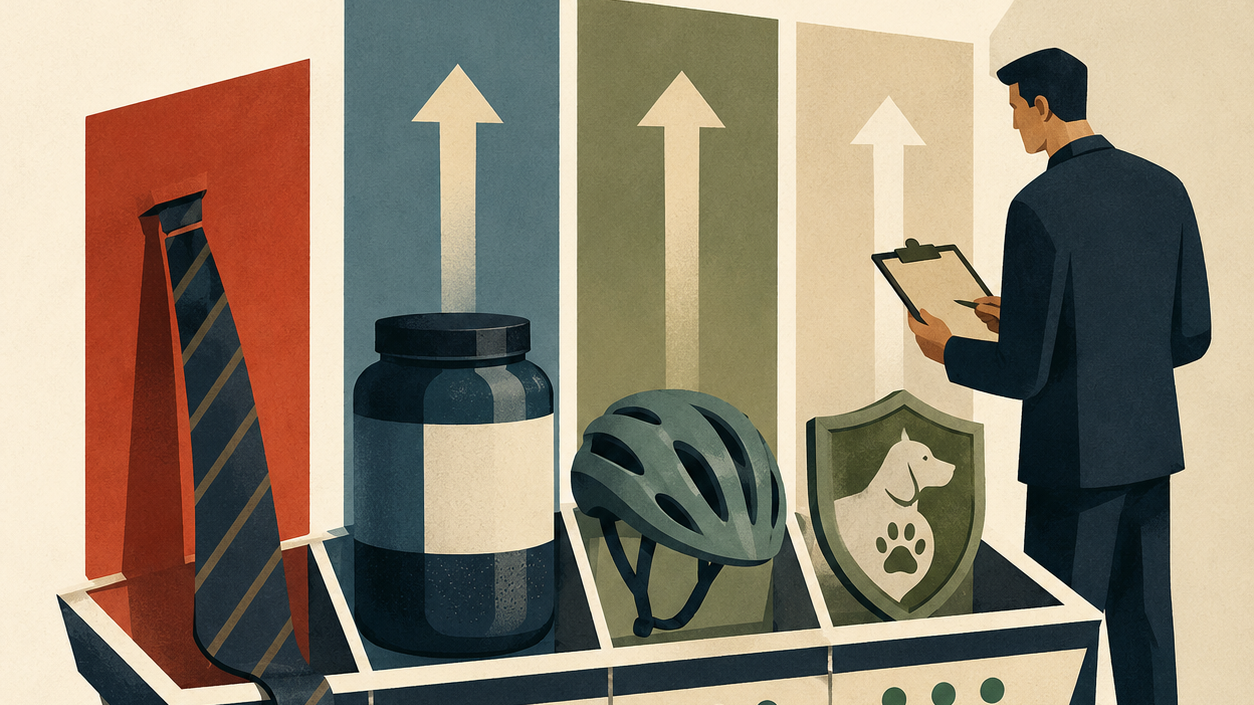
Japan's revised inflation basket adds protein powder and pet insurance while dropping neckties, a quiet signal buried in CPI data most strategists never read.


