


In 1989, a Rhode Island School of Design student was teaching a friend how to cut stencils. He needed a practice image, grabbed a newspaper ad with André the Giant's face, and printed a batch of stickers that read ANDRE THE GIANT HAS A POSSE. 7'4", 520 lbs. It meant nothing, which was the whole point: an inside joke for his skater friends.
The skaters slapped them everywhere. Then strangers started asking where to get one. The sticker climbed up and down the East Coast, lamppost by lamppost, stop sign by stop sign, carried by people who had no clue what it meant and badly wanted you to think they did.
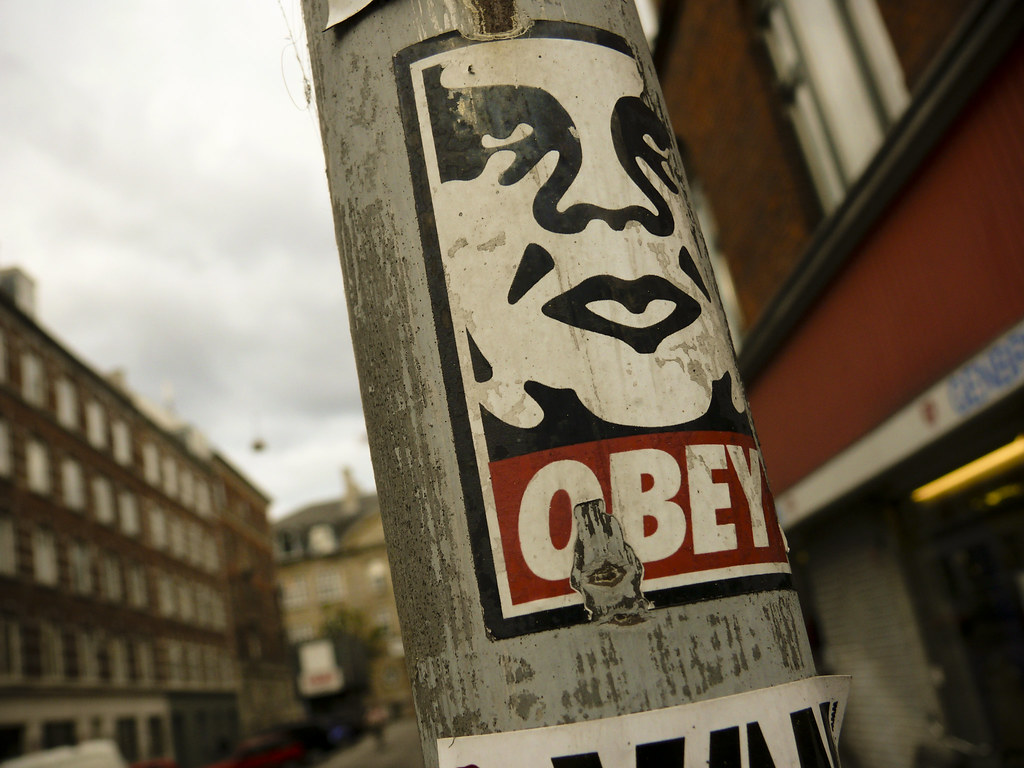
When the WWF threatened to sue in 1994, the student redesigned the face and added one word lifted from a John Carpenter movie: OBEY. By 2001 it was a clothing brand sold worldwide. The student was Shepard Fairey, who'd later paint the Obama Hope poster.
A sticker is the cheapest product you can make. What people actually buy is membership.
Every mid-tier creator on TikTok is sitting on their own André: a recurring bit the comment section parrots back at them every single video. Today's idea turns those bits into money. Printify's TikTok ad data has kiss-cut stickers converting at 68.91%, while every other merch category limps along near 6%. Discount that by 90% and stickers still win.

The play is a done-for-you sticker-drop desk. You mine a creator's comments for the jokes, art-direct themed packs (AI drafts, you bring the taste), run Printify and TikTok Shop, and hand the creator 70% of the margin for posting two launch clips. Ten creators moving 100 packs a month pays you about $4,300. Twenty-five gets you to $16K. The moat is the joke graph you build along the way: a database of which bits actually sell.
Read the full playbook here:
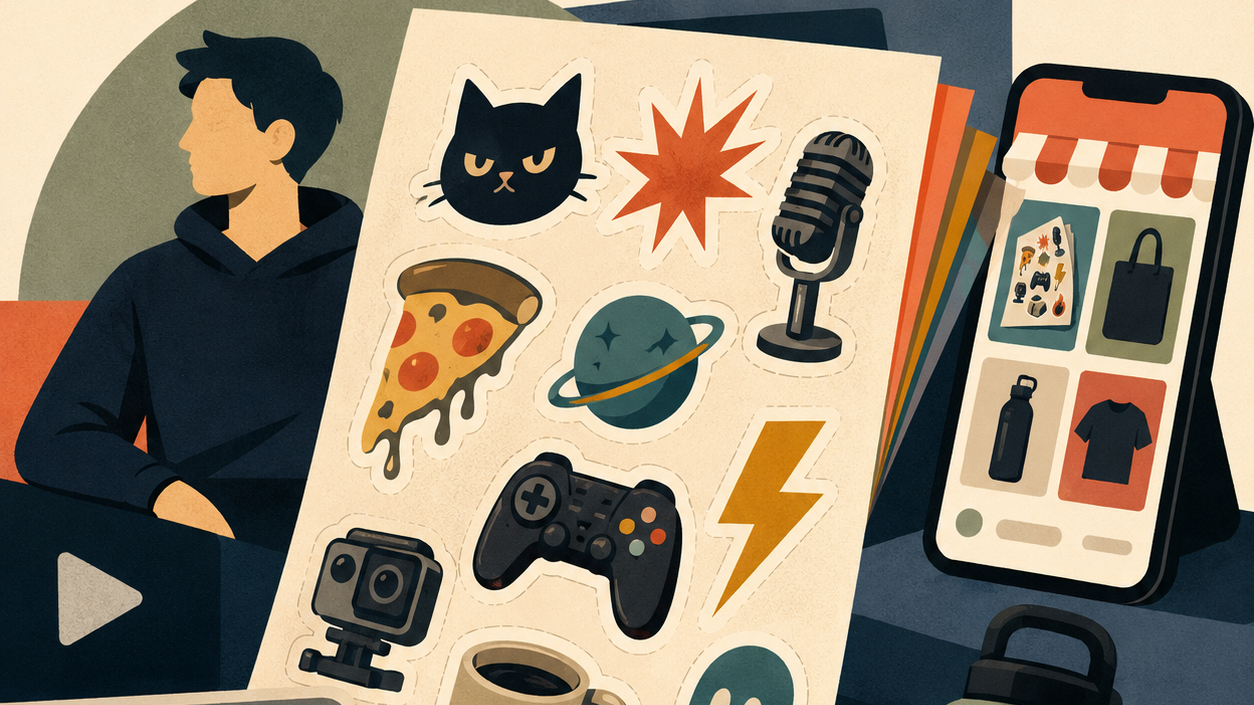
Kiss-cut stickers convert at 68.91% on TikTok Shop — 10x every other merch category. The gap isn't product. It's a done-for-you drop operation nobody has built for mid-tier creators.
From the Vault:
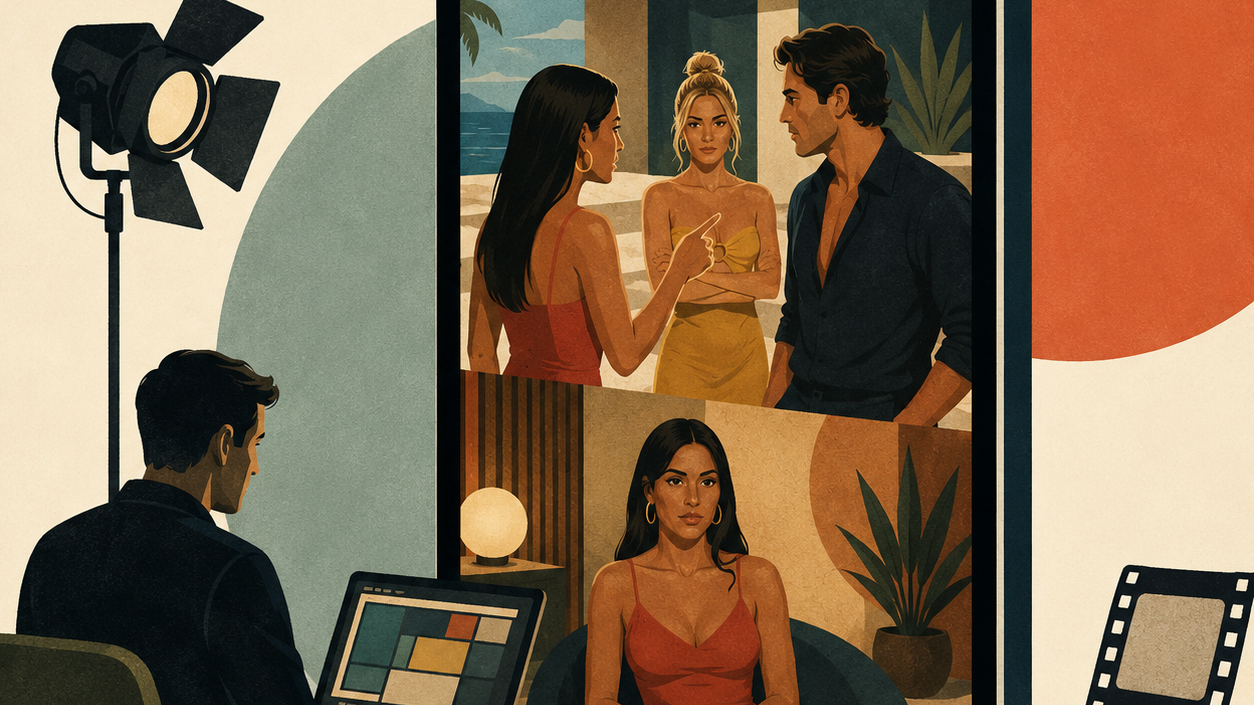
Fruit Love Island hit 300 million views with rough AI animation and a cast of fruit. The real opportunity is using AI video as a rapid-testing engine to find fictional characters audiences won't stop arguing about.
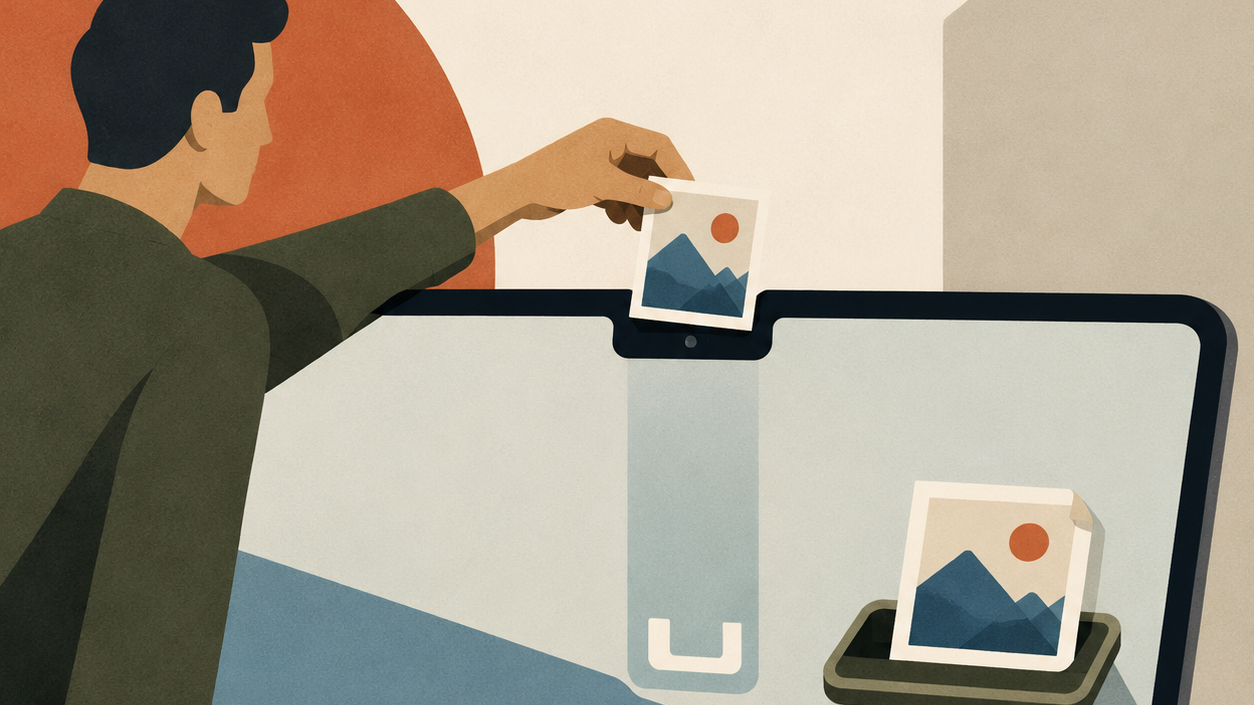
Apple's notch-equipped MacBook market already supports $19–$25 paid utilities. The gap: one disciplined handoff tool for designers and product teams who send files all day.


