


Around 1525, the most famous scholar in Europe sat down and torched the hottest technology of his age. Printers, he wrote, "fill the world with pamphlets and books that are foolish, ignorant, malignant, libelous, mad, impious and subversive." The flood was so bad, he claimed, that even the good books lost their goodness in it. Then he dropped a line you could post today and nobody would blink: "Is there anywhere on earth exempt from these swarms of new books?"
That was Erasmus of Rotterdam, raging at the printing press about 70 years after Gutenberg. The funny part is he wasn't anti-book. The man wrote shelves of them. He was just watching the cost of publishing collapse and spotting the byproduct nobody priced in: a tidal wave of mediocre stuff sitting between readers and anything worth reading.

Europe never fixed that with less printing. It fixed it with new trades. Editors, indexers, anthologists, librarians. When making things gets cheap, the money moves to whoever can tell the difference.
Five hundred years later we're running the experiment again. "Slop" just made Word of the Year. Stanford-affiliated researchers found 40 percent of U.S. desk workers got hit with AI-generated "workslop" in a single month, each piece eating about two hours of cleanup. Companies are already paying freelancers to make machine-made articles sound human again.
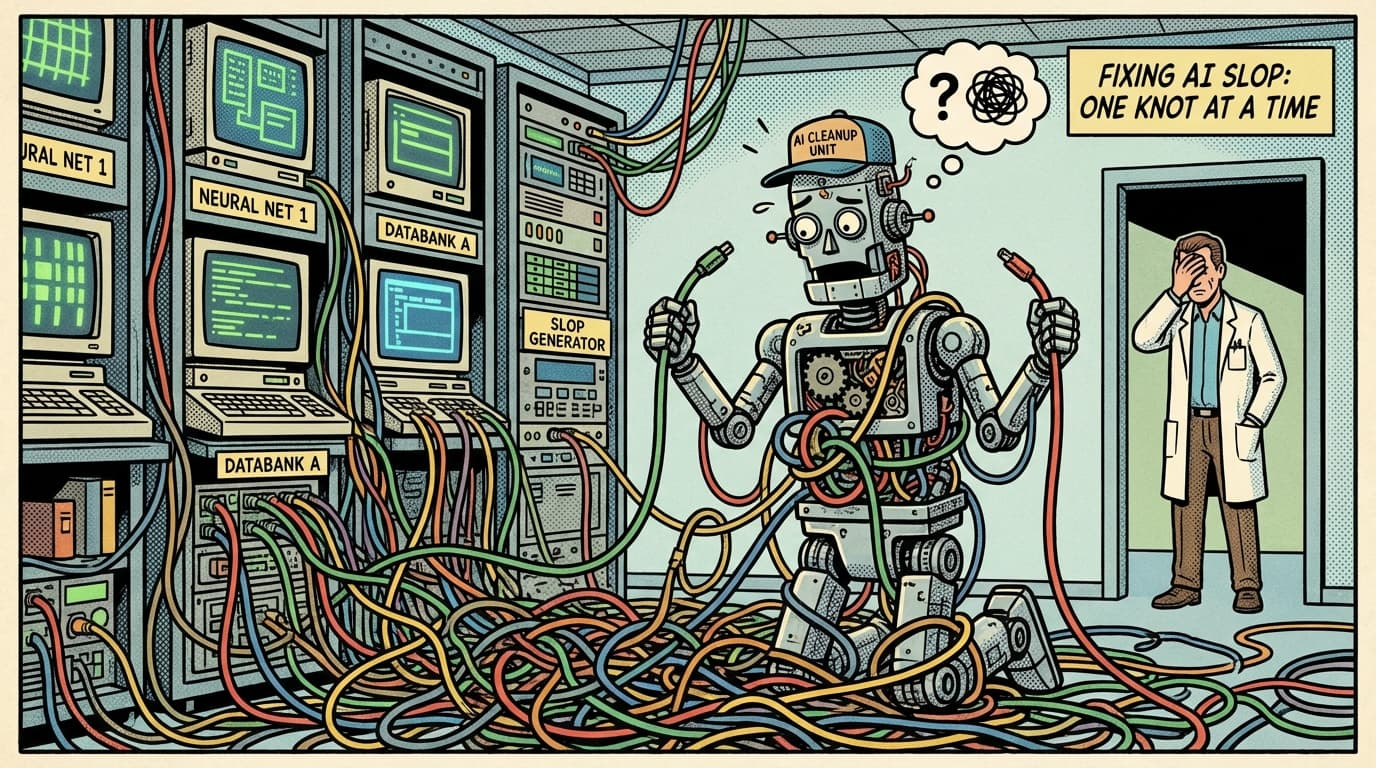
Today's idea is the trade Erasmus accidentally forecast, rebuilt for B2B teams nursing an AI hangover. A $750 audit scores 15 pages in 72 hours. A $1,500 sprint rewrites the worst offenders in the client's actual voice. A monthly retainer keeps the new stuff clean. Four audits, four sprints, and two retainers runs $12K a month solo, and the pattern library you build along the way becomes the moat. AI made publishing free, which is exactly why taste just got expensive.
Read the full playbook here:

AI made it cheap to publish — now companies are buried in content that sounds generic. The cleanup market is forming, and a fixed-price remediation service is the right offer.
From the Vault:
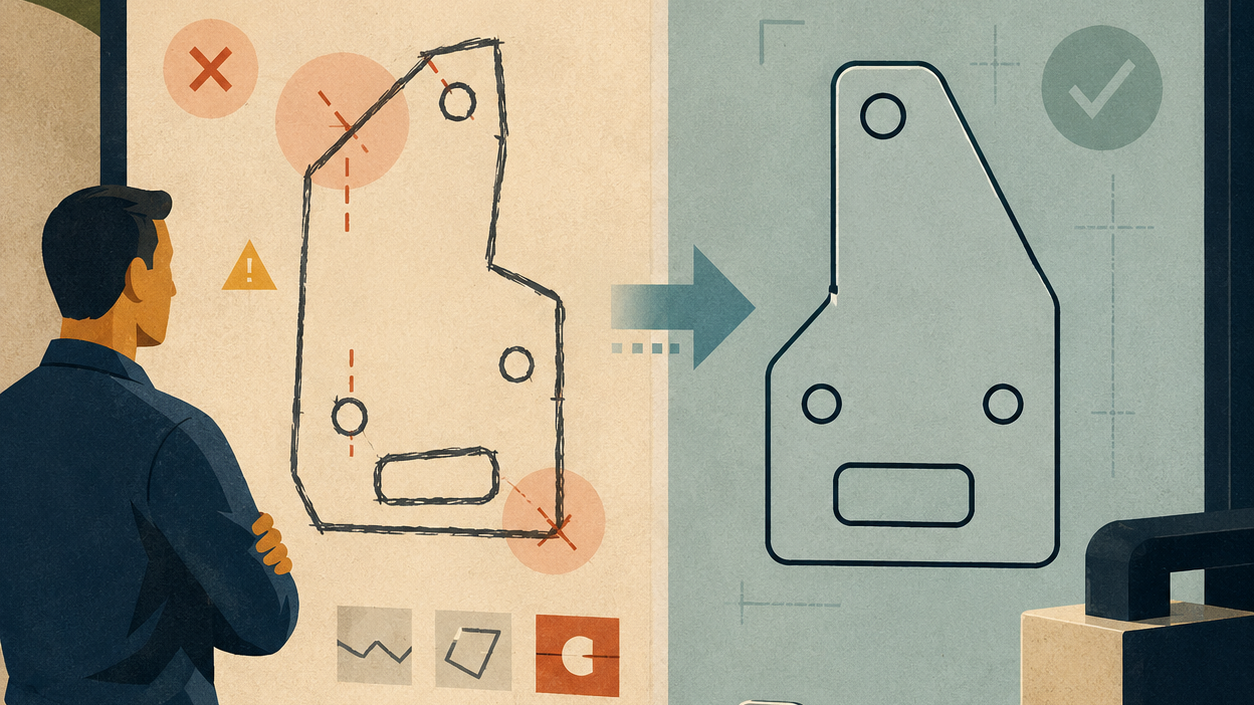
SendCutSend just raised $110M at a $1B valuation — and still loses orders to bad DXF files. The gap between a maker’s sketch and a manufacturable part is a software business.

America’s padel boom is creating a zoning and noise-risk problem nobody has productized. The play is a site-intelligence service that tells racket-sports developers which parcels can actually get approved — before the lease.


