


In 1990, Ken Burns had a problem. He wanted to make an eleven-hour film about the Civil War, a war that ended decades before movie cameras existed. No footage existed. All he had was photographs, roughly 16,000 of them, sitting dead still in archives.
You'd call that a documentary you can't make. Burns called it raw material. He put a camera on the stills and started moving: slow pushes into a soldier's face, a drift across a battlefield until you forgot the picture wasn't breathing. A photograph that had sat frozen for a century suddenly carried tension.
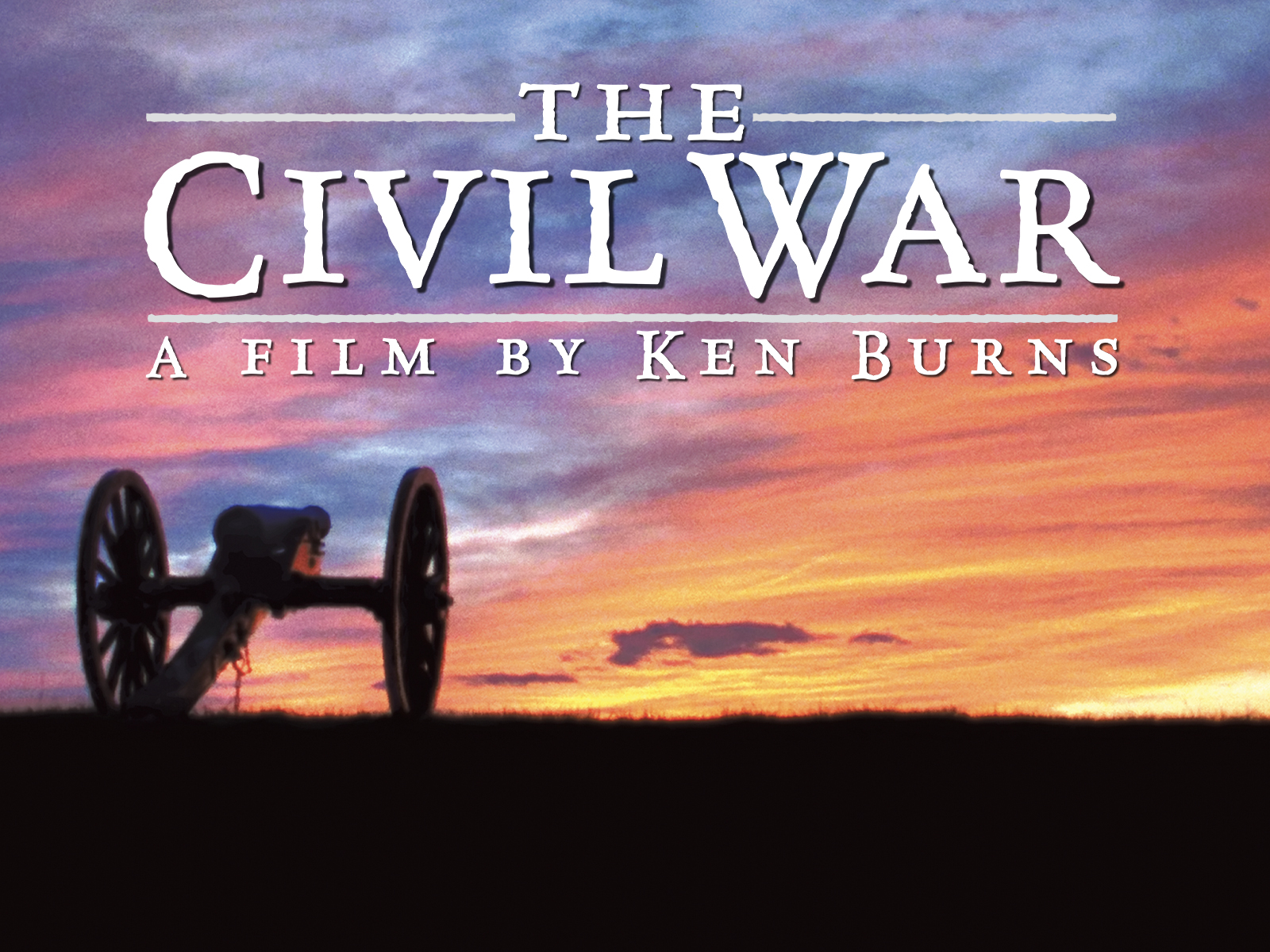
The film pulled 40 million viewers and became the most-watched program PBS had ever aired. The trick got his name. Open iMovie right now and that slow zoom on a photo is literally called the Ken Burns effect. He never shot a single new frame. He just understood that the archive was already the movie, and someone only had to make it move.
An entire industry is sitting on that exact kind of archive right now, and almost nobody's touched it. Podcasting spent twenty years building audio libraries, then discovery quietly shifted to video and YouTube became the top place people find their next show. True crime alone has more than 13,000 active podcasts, most carrying 50-plus episodes of narration, suspense, and unanswered questions. These hosts don't have a content problem. They have hours of gripping story trapped in a format the feed stopped rewarding, and most of them never wanted to be on camera anyway.
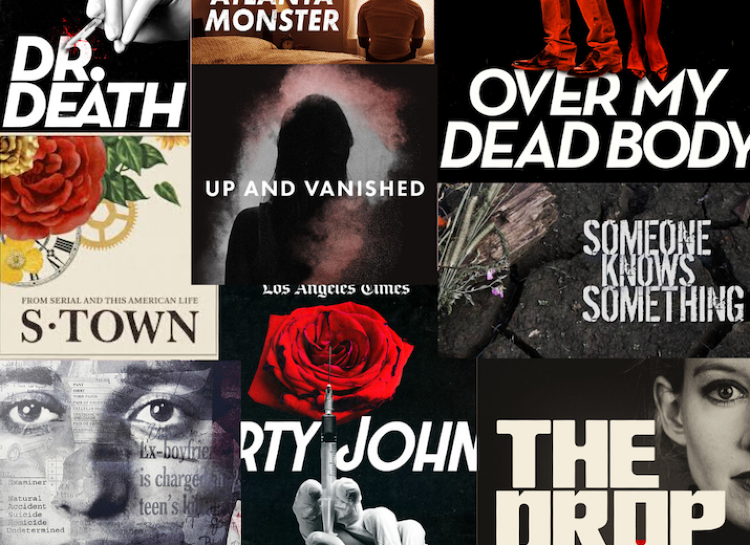
Today's idea: a faceless video studio that turns those archives into short-form video for TikTok, Reels, and Shorts. Keep the host's real voice. Add the reconstructions, the maps, the documents. Ten retainers at $2,250 a month is $22,500 in MRR that a founder and one editor can run. The reporting's already done. You just build the machine that makes it move.
Read the full playbook here:
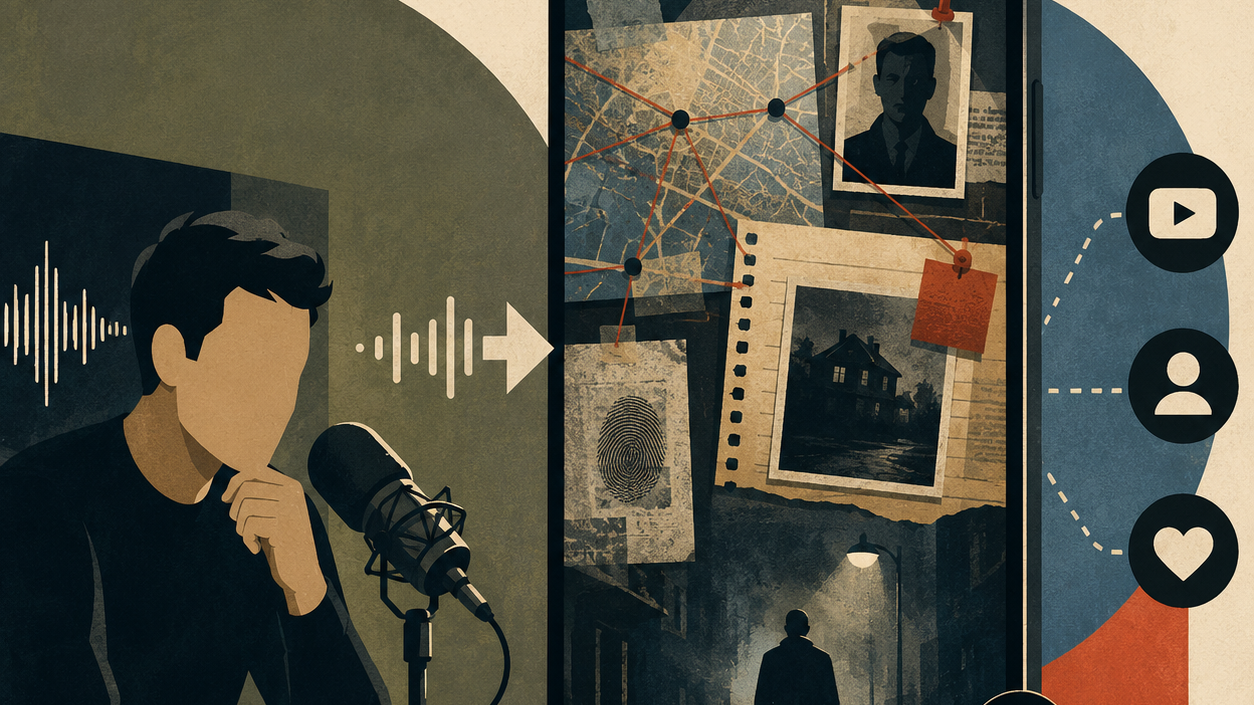
True crime podcasts sit on 13,000 backlogged archives while discovery migrates to video. A faceless production studio turns narrator audio into TikTok, Reels, and Shorts without ever showing a face.
From the Vault:
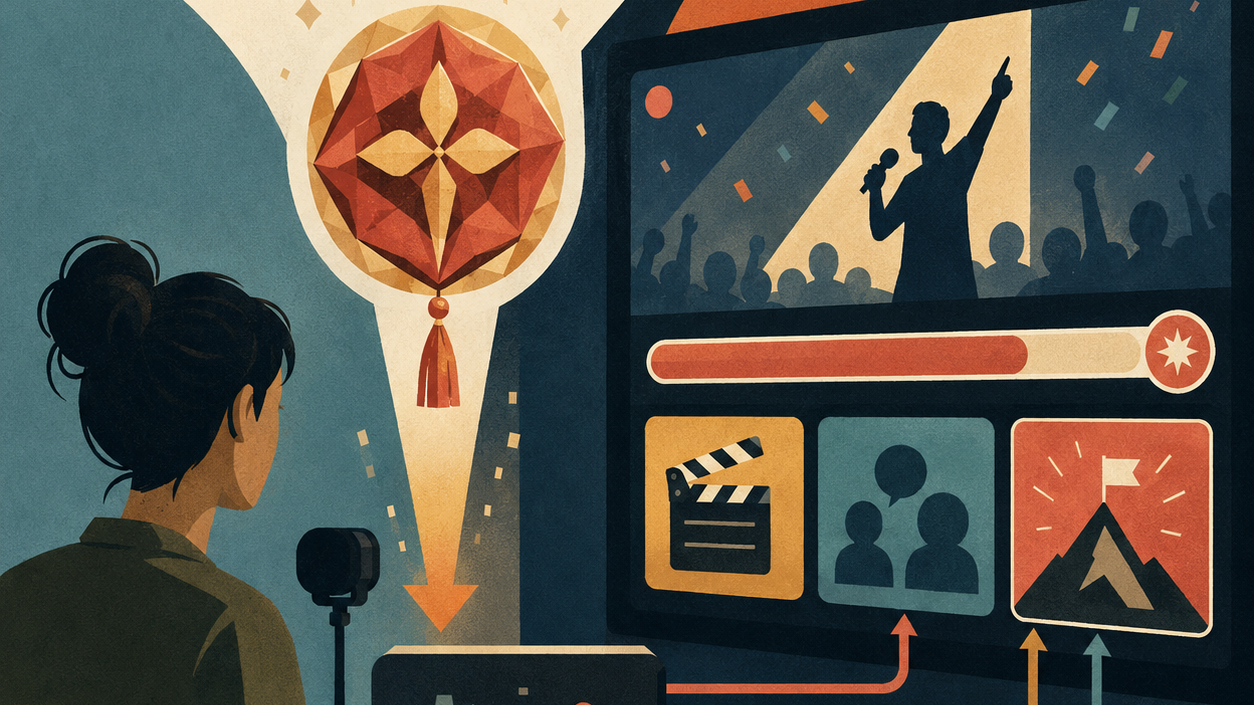
YouTube opened Gift events to developers in India's livestream economy, and the real product is software that turns Gifts into scripted OBS show mechanics for creators.
Multi-location dental groups track every ad dollar but can't measure how each office handles the calls those ads generate. An AI mystery shopper tests every location and scores the gap.


