


In 1982, American pharmacists started handing out supermarket bags.
Go home, empty the medicine cabinet into this, bring it back. All of it. Prescriptions, aspirin, fish oil, the inhaler, the eye drops, the free samples nobody remembers taking.
Asking hadn't worked. About a third of patients on herbs and supplements never mention it to their doctor. They're not hiding anything. Fish oil doesn't feel like a drug, nobody ever asked, so it isn't medicine.
The bags found things. One London study ran 205 patients through it. Around 70% needed a change to their meds or how they were taking them. 24 were headed somewhere life-threatening.
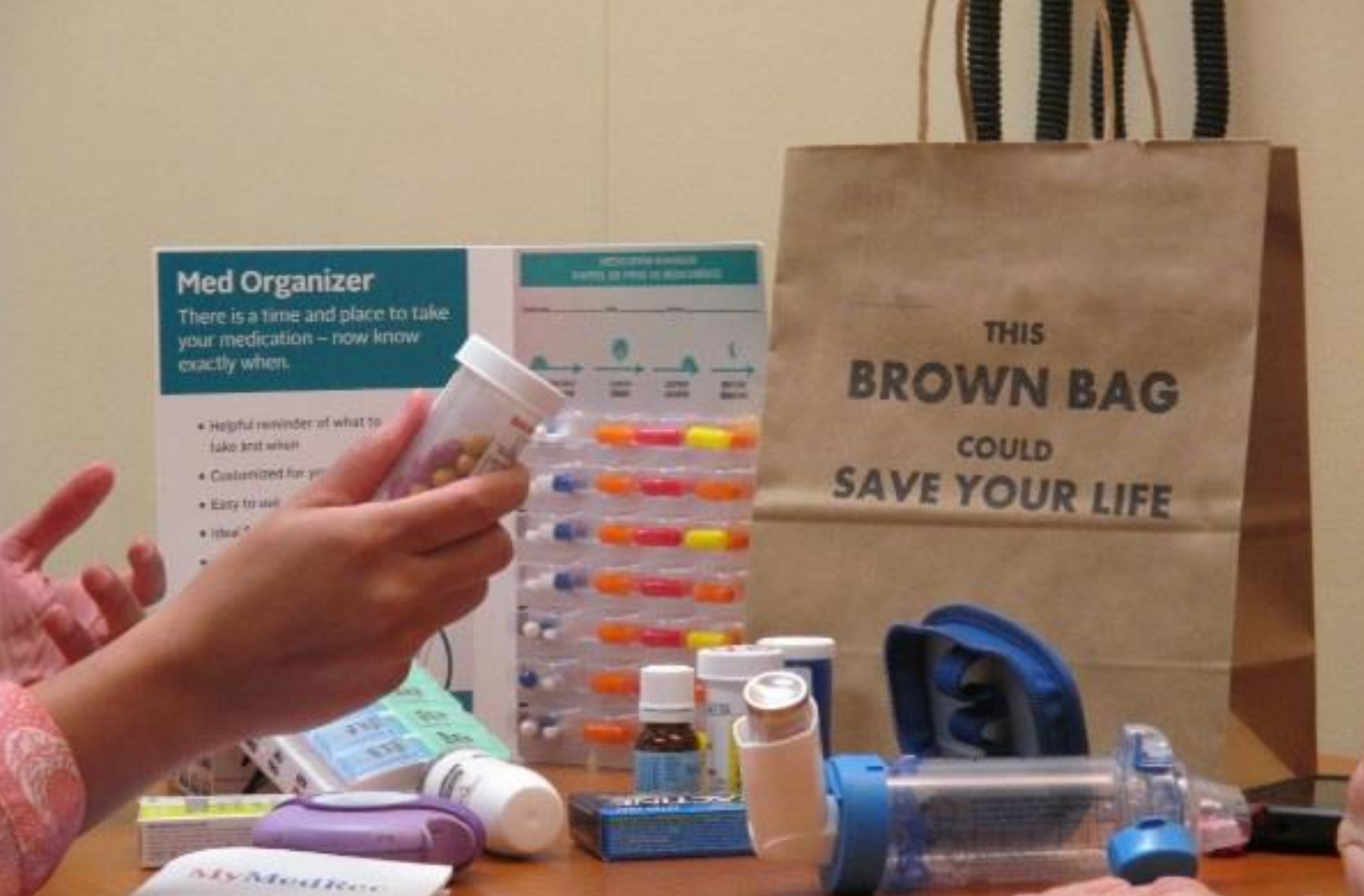
Then a geriatrics clinic in Michigan checked the tape. Only 6.5% of the chart lists were accurate. 76% had errors. And the patients who lugged in the bag scored no better than the ones who showed up empty-handed. Small study, 46 people. Still.
Turns out the bag was never the medicine. The questions were. The bag just made sure somebody asked them.
Therapists are living in 1982 right now, except what's in the cabinet isn't pills.
Between sessions, clients are asking ChatGPT what their symptoms mean, rehearsing hard conversations with Gemini, texting a companion bot at 2 a.m. The APA surveyed 1,242 psychologists in June. 77% said patients had raised AI use. 36% had watched a patient get dependent on one. RAND found 19% of Americans aged 12 to 21 turn to chatbots when they're distressed, and most of them told nobody.

The obvious move is to build a better AI therapist.
Illinois banned it outright, so, no.
Today's idea goes the other way: a HIPAA-conscious workflow tool that helps human therapists ask about client AI use, document it, and follow up on it. High-margin vertical SaaS that connects to nothing and ingests no transcripts. 2,000 clinicians at $30 a month is roughly $700K ARR, inside an estimated 600,000 U.S. therapists.
Every founder is gonna want the ChatGPT history. That's the bag.
Read the full playbook here:
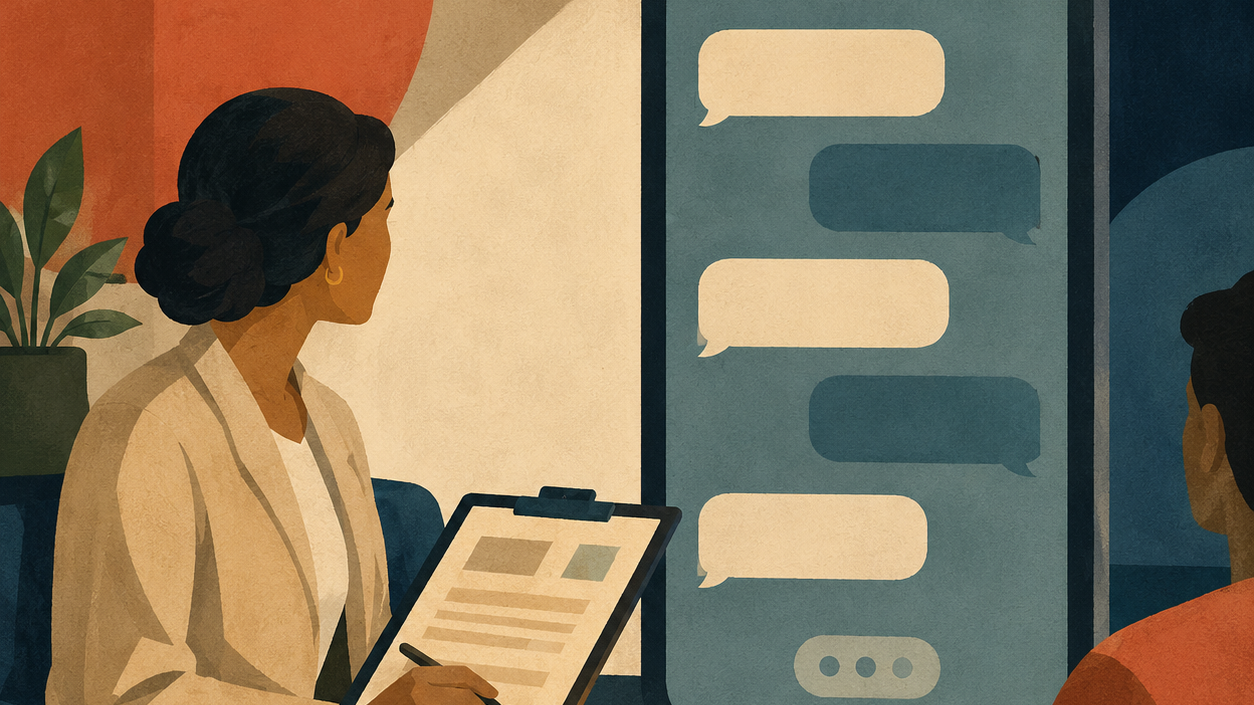
Clients already use ChatGPT and Character.AI between therapy sessions. A HIPAA-conscious workflow tool helps therapists document that use before regulators and EHR vendors standardize it.
From the Vault:
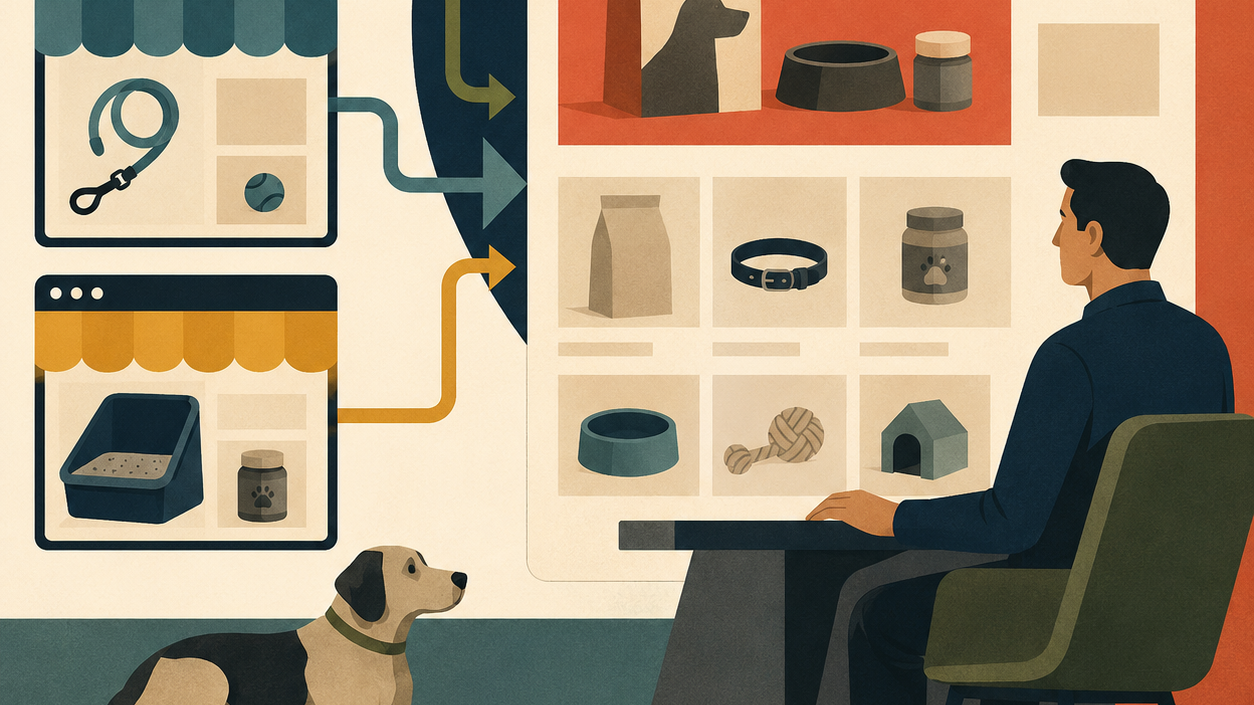
Independent Shopify pet stores sit on retail-media-grade traffic no giant will bother to package. A brokerage model turns fifty of them into one network brands can actually buy.
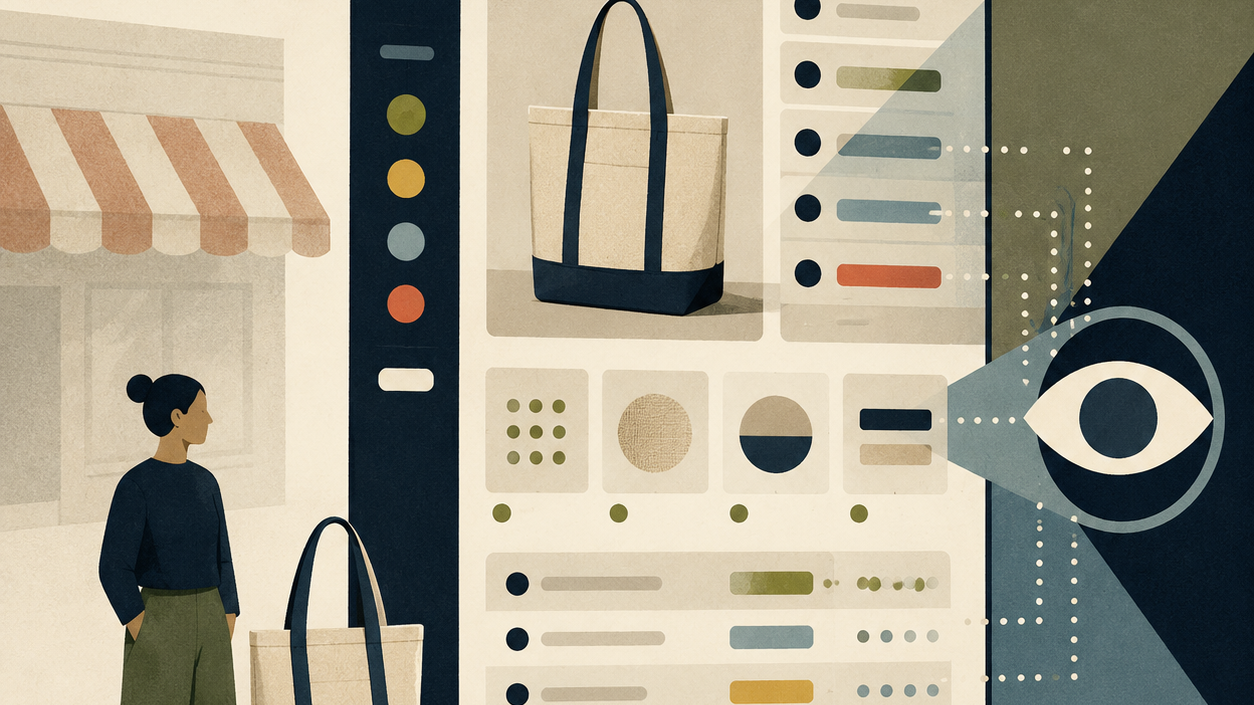
Shopify pushed five million merchants into ChatGPT and Google shopping feeds. Most have messy product data. The catalog-repair tool that fixes it for AI agents is still wide open.


