


In 2020, vinyl records outsold CDs in the United States for the first time since 1986. Spending on vinyl crossed $619 million that year, up 29%, while CDs slid 23%. Two years later, Fujifilm shipped its 100 millionth Instax camera on the way to roughly $960 million in annual sales. The CEO now calls instant film their "new goldmine." LEGO, in the same window, quietly built an adult product line of 142 sets, about 15% of its U.S. catalog. The flagship is a $679 Titanic with 9,090 pieces. It sold out anyway.
None of these things are new. They live on a parent's record shelf, a grandparent's coffee table, a six-year-old's bedroom floor. Adults are paying premium prices to drag them back into the living room.

Today's idea catches the next one mid-flight.
Needlepoint, of all damn things. Etsy says searches for "needlepoint canvas" are up 172% year-over-year. Gen Z searches for needlepoint bags? Up 550%. The average stitcher in 2015 was 61 years old. Today she's roughly thirty years younger and she wants to stitch "Full Bar, No Agenda" onto a canvas before her dinner party on Saturday.
The opportunity is not Etsy-for-needlepoint. Sell digital cross-stitch slogan patterns — "Please Leave By 9," "Emotional Support Martini" — as $12 to $25 PDF downloads on Etsy and Shopify. Watch what converts. Then turn the repeated charting work into a phrase-to-pattern SaaS that spits out DMC-coded PDFs in 60 seconds.
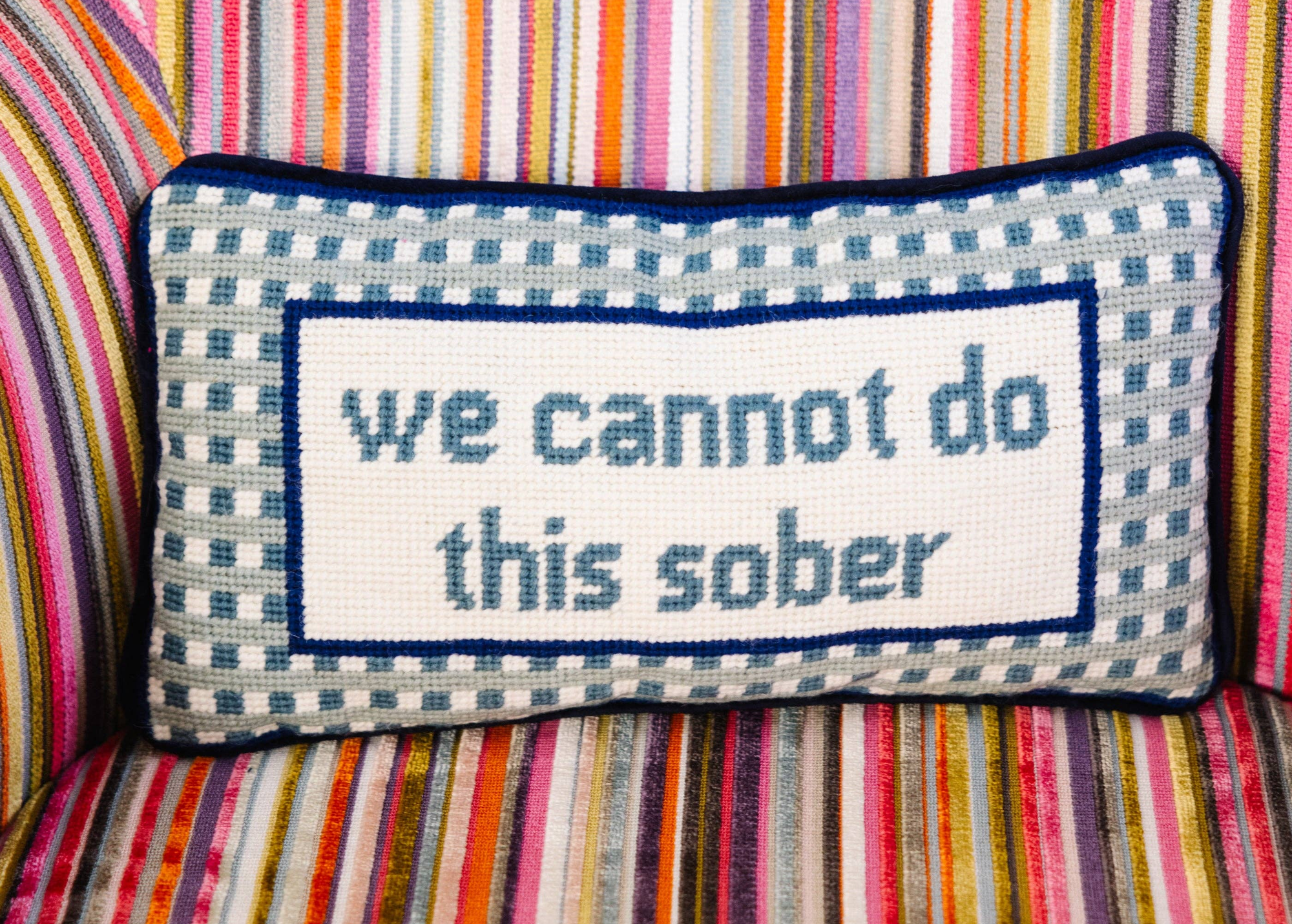
The existing tools (PCStitch, Stitch Fiddle, StitchSketch) are CAD-grade software for people who already know they want a pattern editor. Nobody has built the tool for the woman who decided forty minutes ago that she's stitching a joke for her friends.
A solo operator can run the whole thing for $7K to $13K a month across the pattern shop and a small SaaS layer.
Read the full playbook here:

Needlepoint searches are up 172% year-over-year. The average stitcher dropped 30 years younger. No one has built a phrase-to-chart tool for the new buyer.
From the Vault:
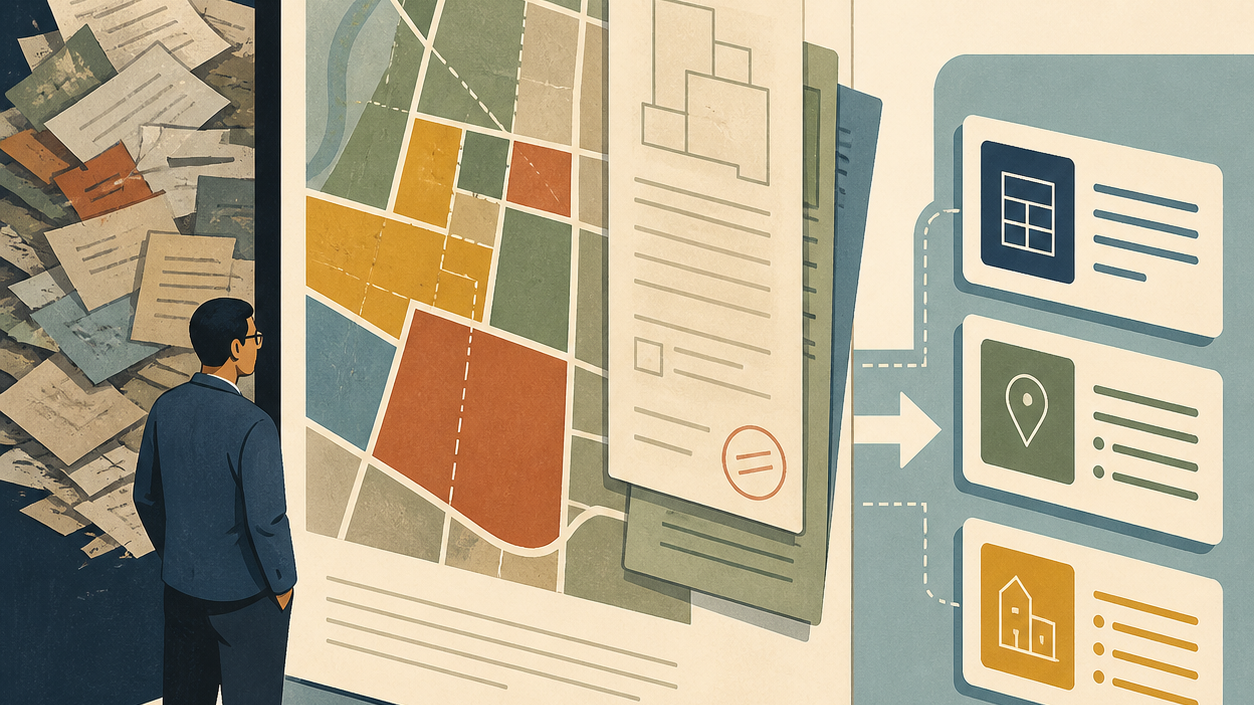
Cities publish zoning and permit rules, but the data is buried in PDFs, GIS maps, and outdated portals. A structured API turns that mess into machine-readable feasibility answers for proptech, lenders, and AI agents.

Apple's widget layer is underbuilt for professionals. The play is profession-specific iPhone dashboards that pull from tools operators already pay for — starting with agency owners.


