


A guy at a Japanese phone company drew 176 tiny pictures on a grid twelve pixels by twelve. Twelve by twelve is nothing. A face is four pixels of eyes and a line for a mouth. He drew weather, food, moods, a heart, and shipped the set on Japanese phones in 1999, while the rest of us were still typing colons and parentheses at each other.
His name was Shigetaka Kurita, on the i-mode team at NTT DoCoMo.
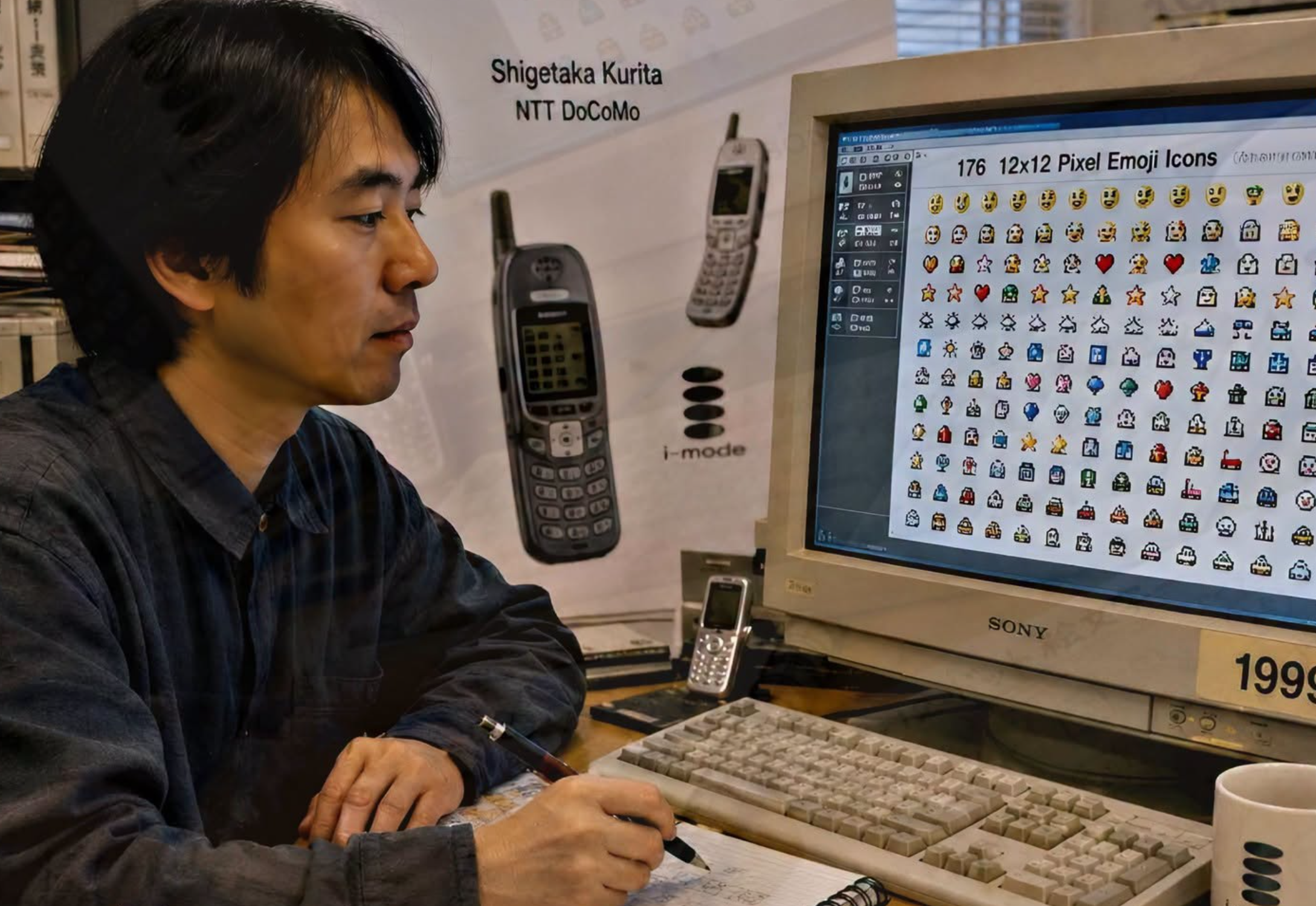
Nobody outside Japan cared for about a decade. Those phones had mobile internet, email, and later contactless payments, years ahead of everyone. None of it crossed the ocean until an American company shipped an emoji keyboard.
In 2016 the Museum of Modern Art acquired Kurita's original 176 and hung them on a wall. Seventeen years late.
The idea was never late. We were.
Bass fishing runs the same lag on a shorter clock. Japanese anglers fish small, clear, brutally pressured water, so they solve problems American anglers won't see for another five years. The drop shot came from Japan. So did the Neko rig. Tackle Warehouse markets its Japanese section with the line "As goes Japan, so goes the bass fishing world."
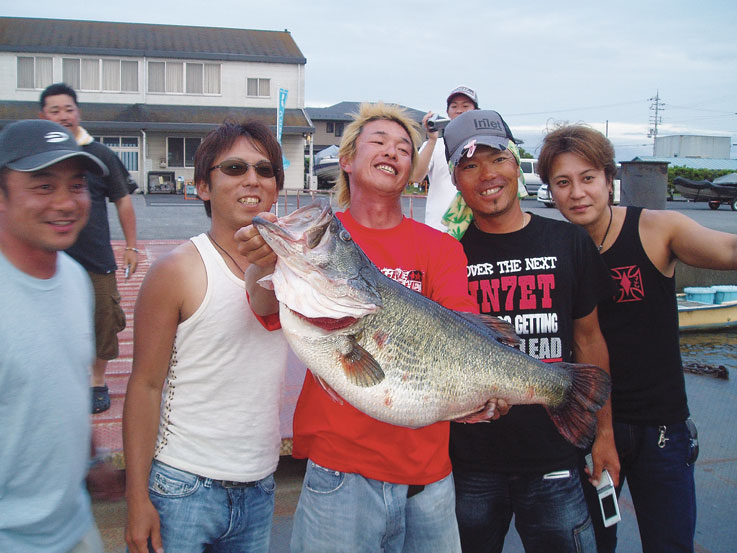
This spring the hottest bait in American bass fishing was a rubber sea urchin. The Coike, a Hideup design made in Japan for more than twenty years before anyone here noticed. Tournament wins put it on camera and by May most variants were sold out. Tackle Warehouse now runs a whole Urchin Baits category: thirty-ish products, thirteen brands, eight bucks to twenty-one.
Today's featured idea lives in that gap. Importing is already solved, so the money is in judgment: fish the weird Japanese technique on American water, explain in plain English what it's actually for, and sell the rigged setup as a limited drop. 250 buyers at $55 across 18 drops a year is $247,500.
Read the full playbook here:

A Hideup urchin bait went from Japanese curiosity to a thirteen-brand Tackle Warehouse category in one season. The lag between Japan and American bass water is a business.
From the Vault:
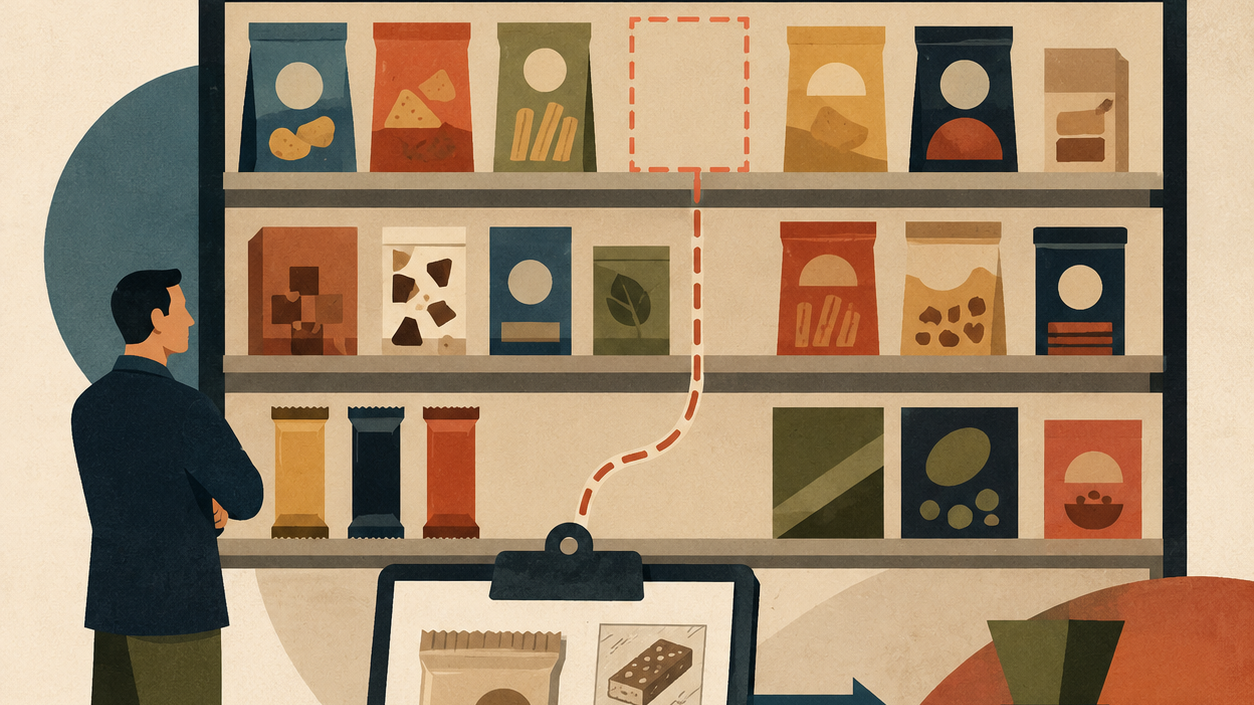
Store brands hit a record $282.8 billion, yet the co-manufacturers behind them still pitch blind. The gap between retailer line reviews and factory capability is a business.
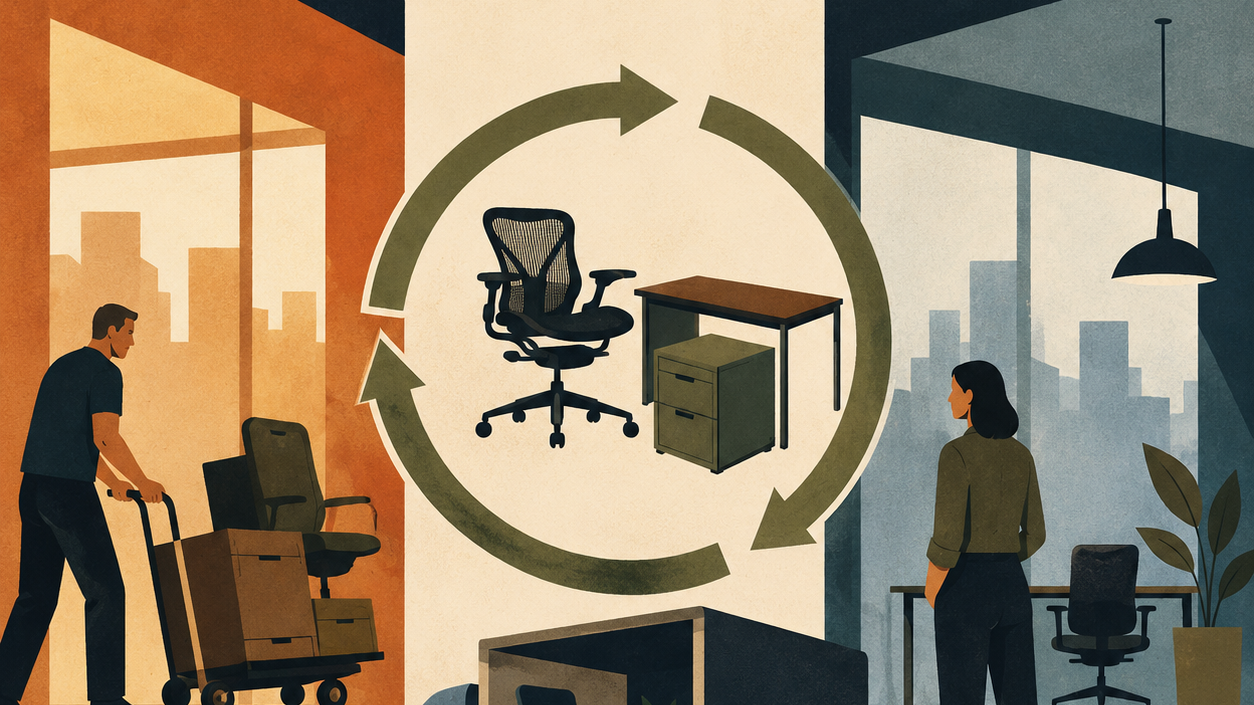
Two hundred million square feet of office leases expire by 2027, stranding premium used office furniture a few miles from the companies about to buy new.


