


On May 14, 1997, five airlines that couldn't legally merge decided to act like one company anyway.
United, Lufthansa, Air Canada, SAS and Thai Airways, three continents between them. A cross-border merger was off the table (the U.S. caps foreign ownership at 25% of voting shares), so they built the next best thing: Star Alliance, with a five-pointed star for a logo, one point per founder.
Passengers got frequent flyer miles that worked across all five, shared lounges and connections that behaved like one trip. Each airline kept its own brand, and nobody bought anybody.
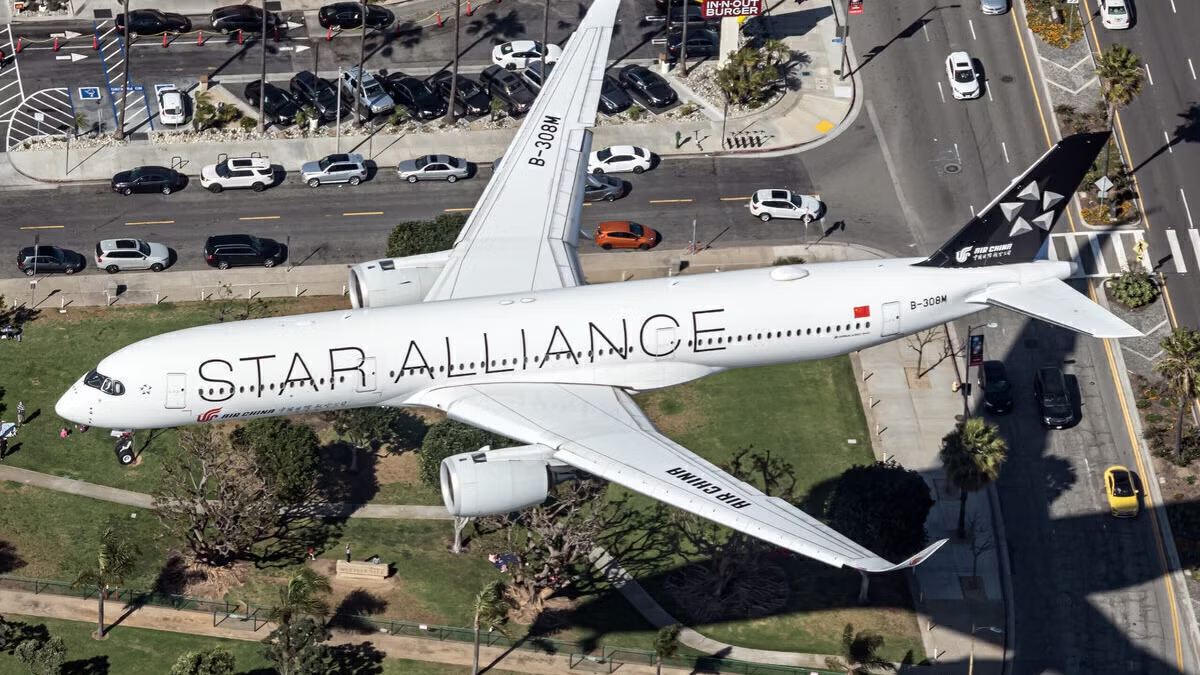
Today Star Alliance has 26 member airlines, more than 5,000 aircraft and 1,300-plus airports in 195 countries. It even has headquarters in Frankfurt, because a federation of proud, separate companies doesn't run itself. Somebody has to sit in the middle.
Hold that number five.
Apple shipped iOS 27 last month with multi-developer App Store Bundles: up to five developers (five!) selling their subscriptions as one purchase. The App Store runs the checkout, upgrades anyone who already pays for one of the apps and refunds the unused part of their old plan. Apple is taking requests now, with the first Bundles launching later this year.
Guess what Apple didn't build? The deal desk. Somebody has to pick which apps belong together, get the founders to agree, push both through Apple's paperwork and measure what the bundle actually added. And somebody has to run the math first, because it bites. Take a $10 running app with 10,000 subscribers and an $8 nutrition tracker, bundled at $14. If 40% of the runners already pay for both, those 4,000 drop from $18 to $14, and the pair loses $16,000 a month before a single new customer shows up.
Today's idea is that somebody: a bundle operator for indie subscription apps. Three bundle projects a month at $5,000 plus ten $1,000 performance retainers is $25K a month, solo, and more than 14,700 new subscription apps launch every month. And every launch leaves you with deal data nobody can scrape off the App Store.
Read the full playbook here:
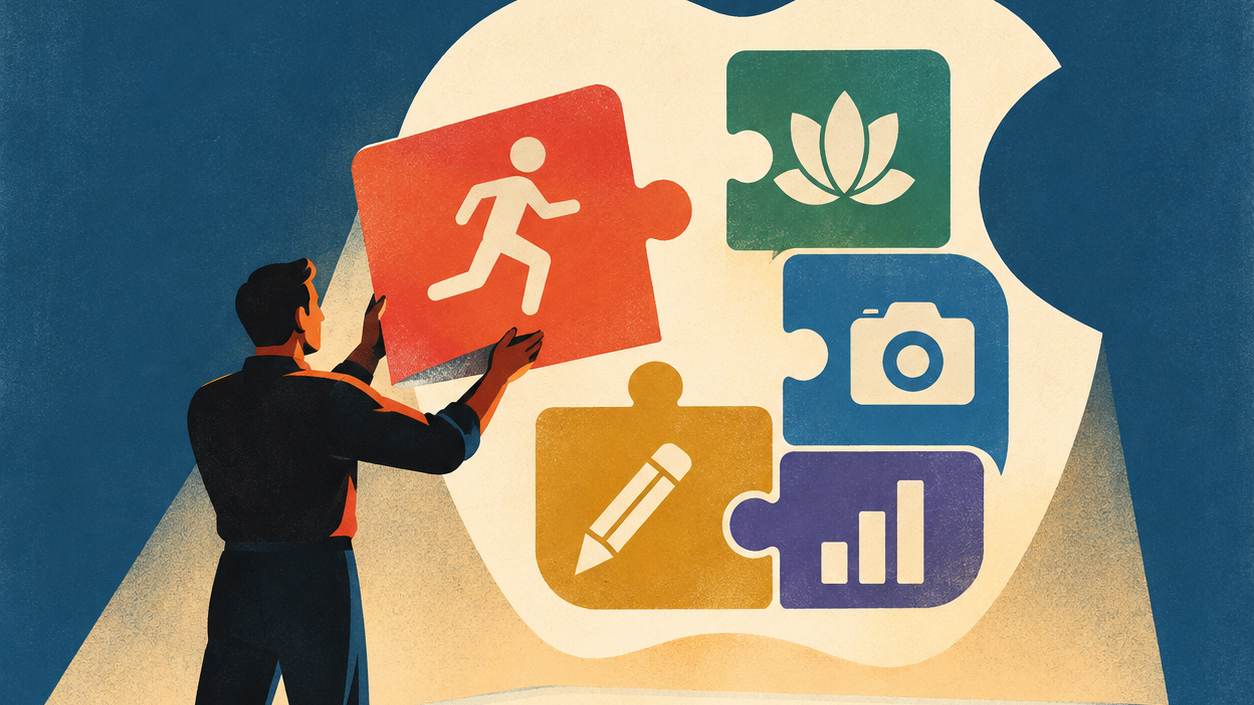
iOS 27 lets separate developers sell their subscriptions as one App Store Bundle. Apple built the checkout. Someone still has to pair the apps and prove the discount pays.
From the Vault:
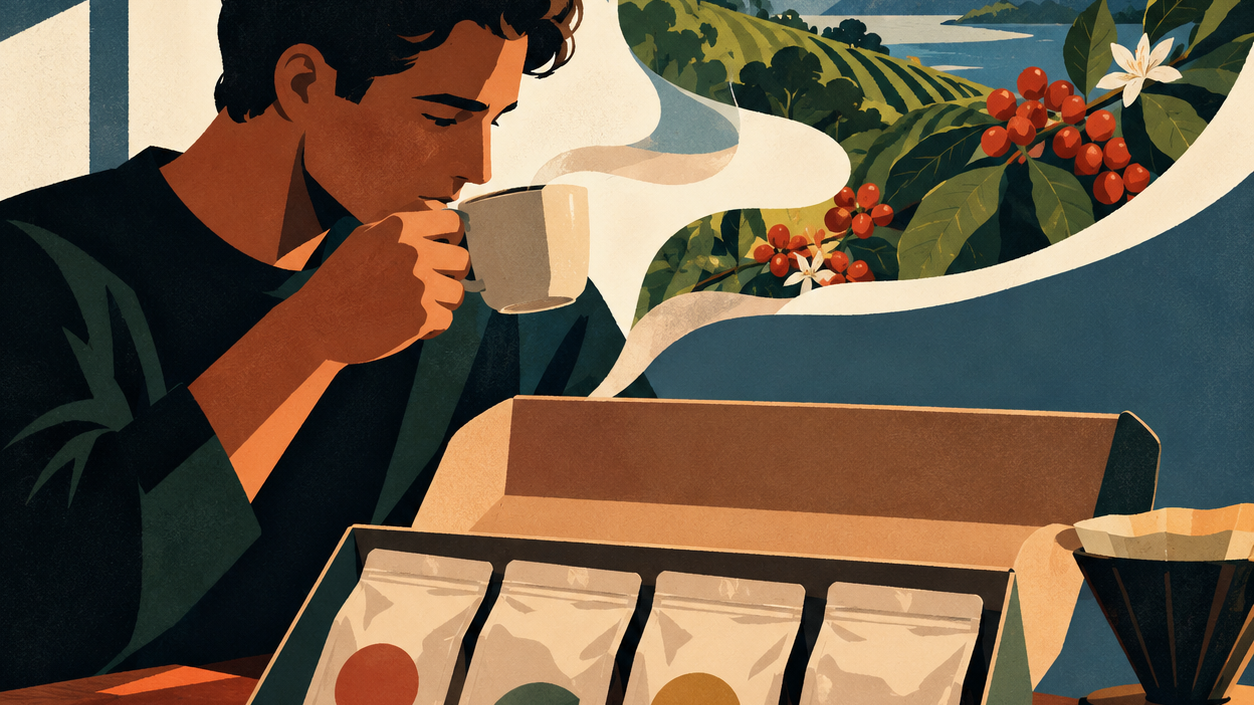
Pop Mart turned sealed-box reveals into RMB 37 billion of revenue while nearly every specialty coffee subscription still sells predictability. A numbered-drop blind tasting club flips the category's core promise.
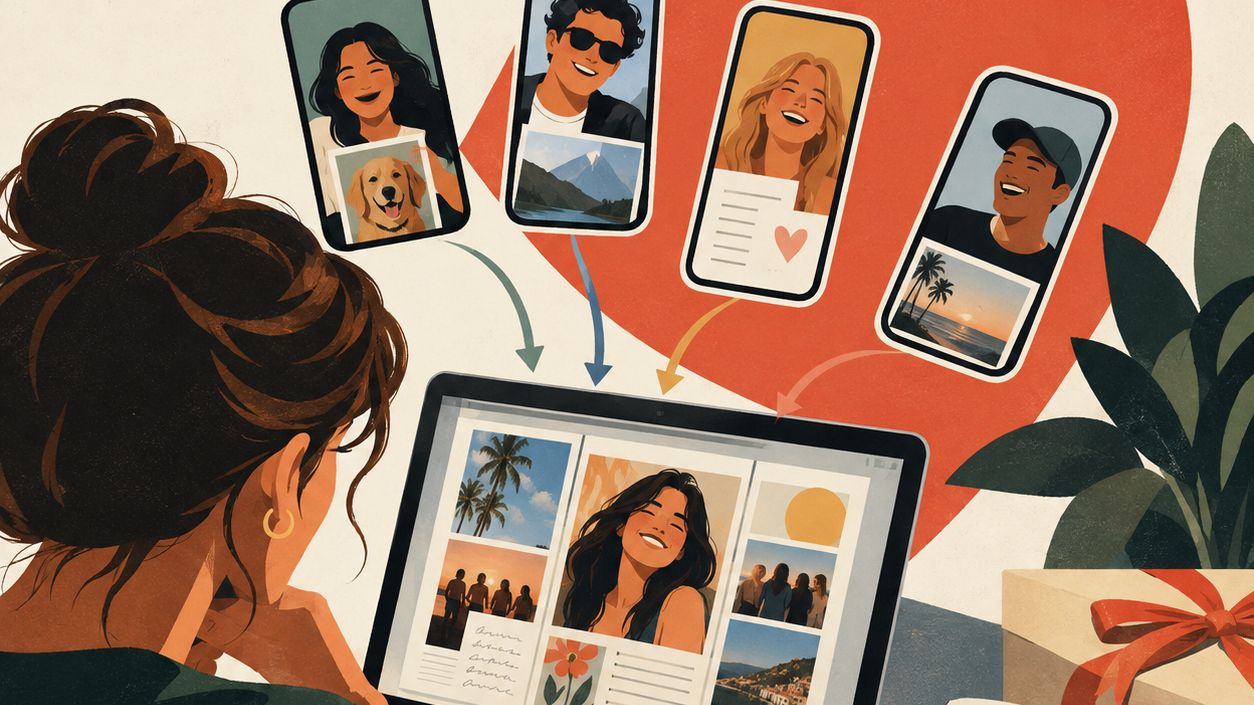
Pinterest searches for birthday magazine templates jumped 1,713%. Etsy and Canva own the templates. The money sits in the group chat, where nine friends promised photos by Friday.


