


In 1918, Les Kelley was selling used cars off a Los Angeles parking lot. Three Model T Fords, and his kid brother Buster working as lot boy. Selling was never the problem. Finding cars to sell was. So Kelley started passing a list around town: the cars he wanted to buy, and the exact price he'd pay for each one.
The list got away from him. Other dealers asked for copies. Then the banks started asking, which is strange, because banks don't sell cars. Everybody wanted his numbers, because his numbers were right reliably enough that a whole industry decided one guy's shopping list was the truth about what a used car was worth.
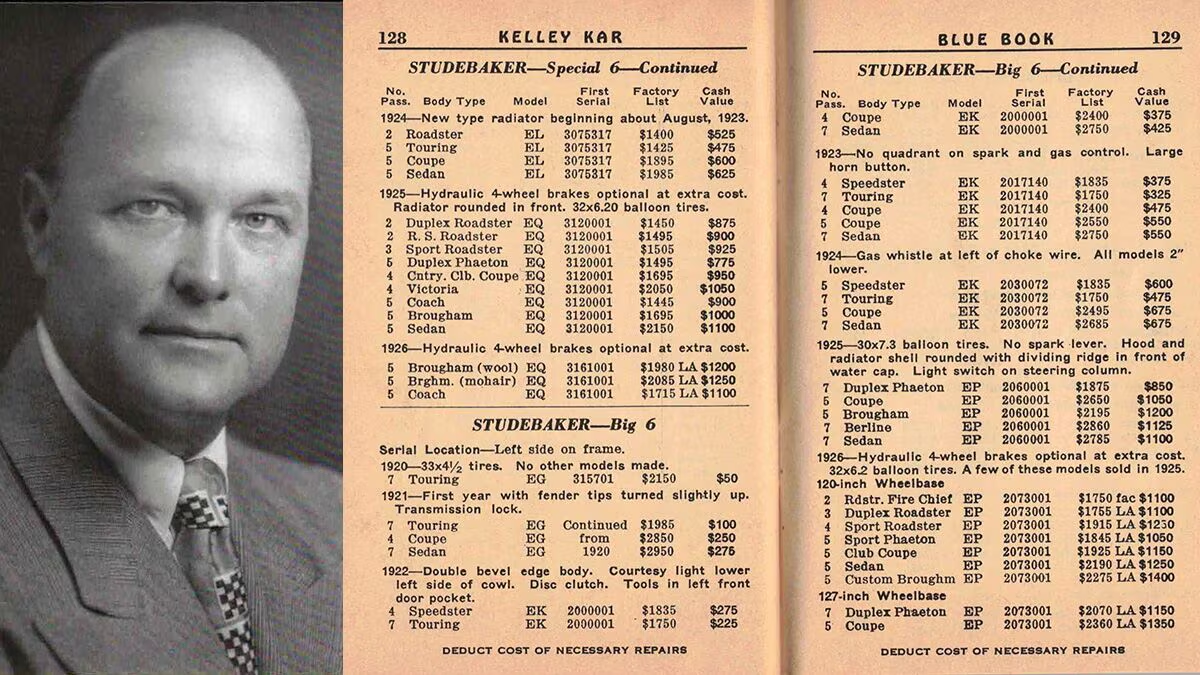
In 1926 he printed it as the Blue Book of Motor Values, the name lifted straight off the Social Register so it would sound like something official. (It worked.)
The Fords were never the business. Knowing what to pay was.
A century on, there's a corner of the car trade still waiting on its Les Kelley: government fleet auctions. GovDeals moved $274 million in public surplus last quarter, and agencies retire trucks and vans on a fixed schedule — exactly the sub-$15,000 inventory dealers are starving for, in a band where supply fell 20% in a year. The listings are free and searchable. The arithmetic isn't. Buyer premiums swing anywhere from 0% to 12.5% depending on the platform, transport pricing goes sideways under 200 miles, and that ex-municipal Tahoe showing 62,000 on the odometer has 3,000 idle hours sitting behind it — call it 160,000 miles of engine wear.

Today's playbook builds Kelley's list for the auction era: a daily buy list with a max bid on every vehicle, sold to independent dealers at $499 a month. Fifty of them is $25,000 MRR, and every purchase that closes feeds an outcome database nobody else can scrape.
Read the full playbook here:

Public fleet auctions are fully online and the sub-$15,000 used band is starved. Discovery is solved. The arithmetic between a GovDeals listing and a safe bid is not.
From the Vault:

Batch inference is half price at every major lab, which makes it worthless as a business. The opening is what a RevOps agency finds finished in HubSpot at 7 AM.
More than 110,000 papers published in 2025 carry AI-hallucinated citations. Enterprise integrity vendors are wiring up ScholarOne while 44,000 OJS journals screen submissions by hand.


