


There's a lightbulb in a fire station in Livermore, California that has been burning since 1901. Shelby Electric Works made it over in Shelby, Ohio, with a filament drawn up by a guy named Adolphe Chaillet. It hangs over the trucks at Station 6 and it has been glowing for 125 years. On June 27, 2015, the firefighters threw it a party for its one millionth hour.
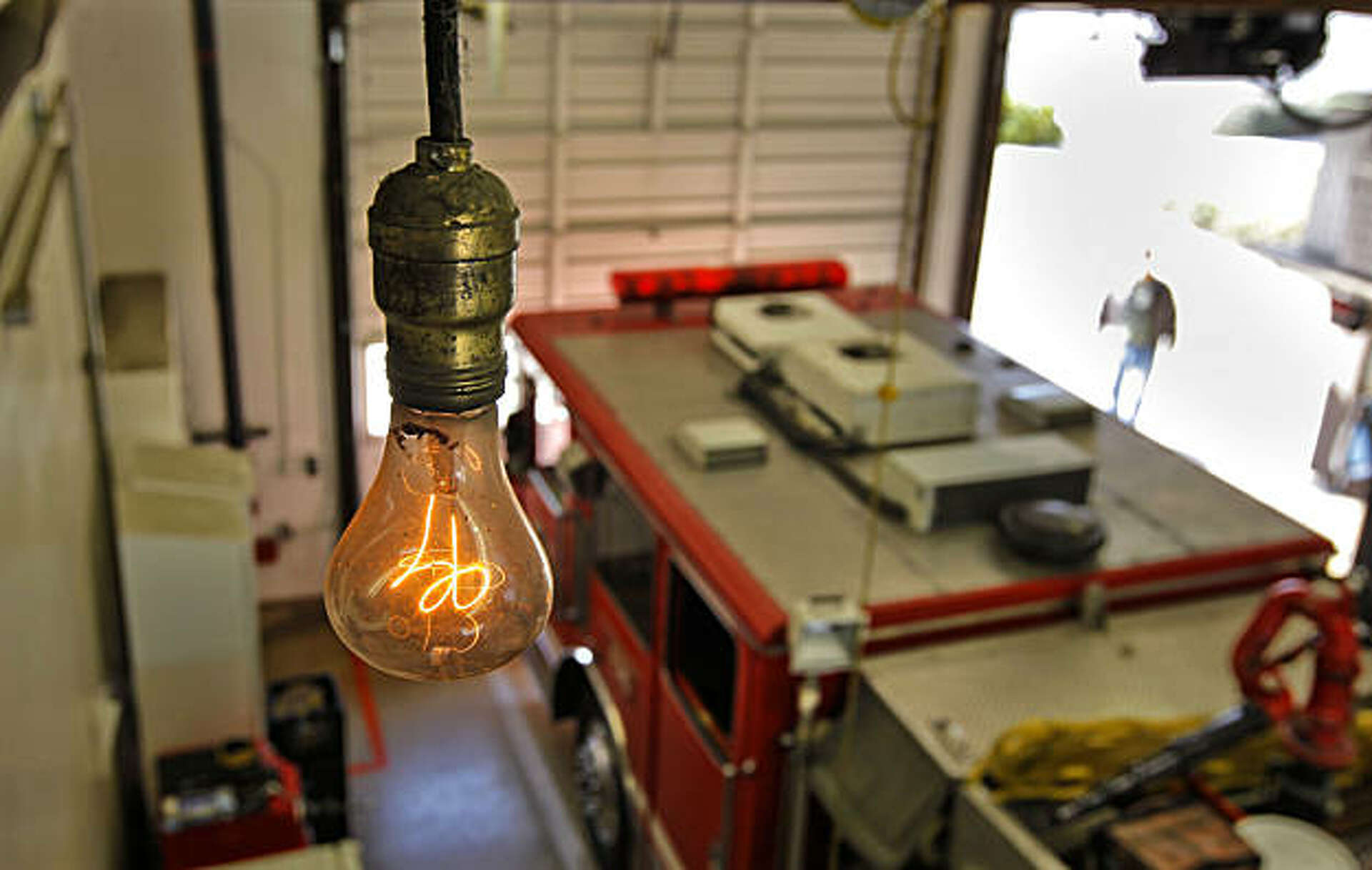
So why did every bulb you've ever owned die inside a year? On December 23, 1924, the major bulb makers got together and formed a cartel that fixed the useful life of a bulb at 1,000 hours. They ran testing labs. They fined members whose bulbs lasted too long. Edison's first commercial bulb, back in 1881, ran about 1,500 hours, and makers were advertising 2,500-hour bulbs before the cartel showed up. By the 1940s, 1,000 hours was simply how long a bulb lasted. A US court didn't ban the practice until 1953.
The Livermore bulb isn't a miracle. It's what hardware does when nobody schedules its funeral.
Now go open your junk drawer. That tablet still turns on, doesn't it? Screen's fine, Wi-Fi connects, and a survey of 4,000 Americans found that 39% of retired devices simply get stored, indefinitely, exactly like yours. Meanwhile the same household happily pays $130 for a 4.7-inch smart home wall panel.
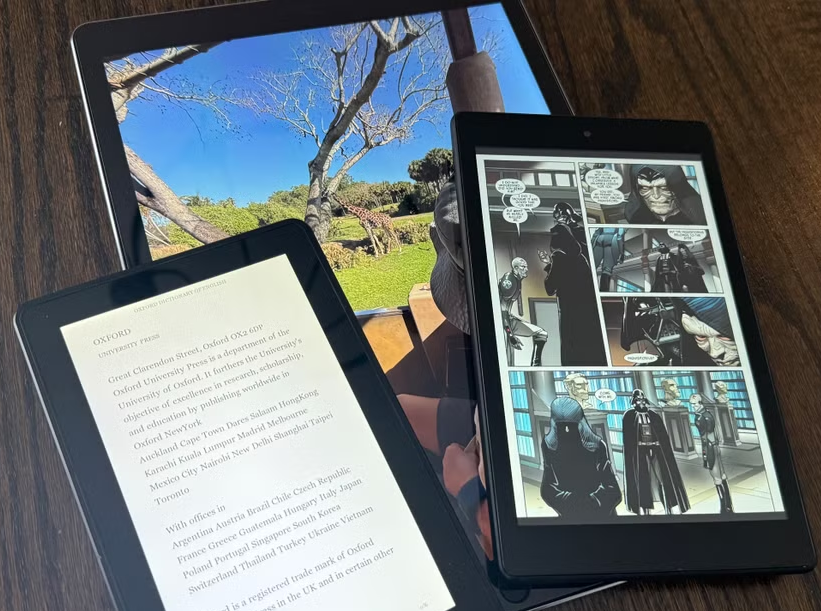
Today's playbook lives in that gap: a $15 Android app that turns a drawer tablet into a Home Assistant wall dashboard and keeps it running for months unattended. The wedge is a free compatibility scanner that will sometimes tell you your tablet isn't worth mounting, and that honesty is the whole reason people trust it enough to buy. Home Assistant went from one million to more than two million active installations during 2024, Fully Kiosk already proved people pay at $10.99, and 1,500 sales a month is roughly $22,500 gross for one person.
Read the full playbook here:

Two million Home Assistant installs, millions of dead Android tablets, and no software that reliably connects the two. Fully Kiosk already set the price anchor at $10.99.
From the Vault:
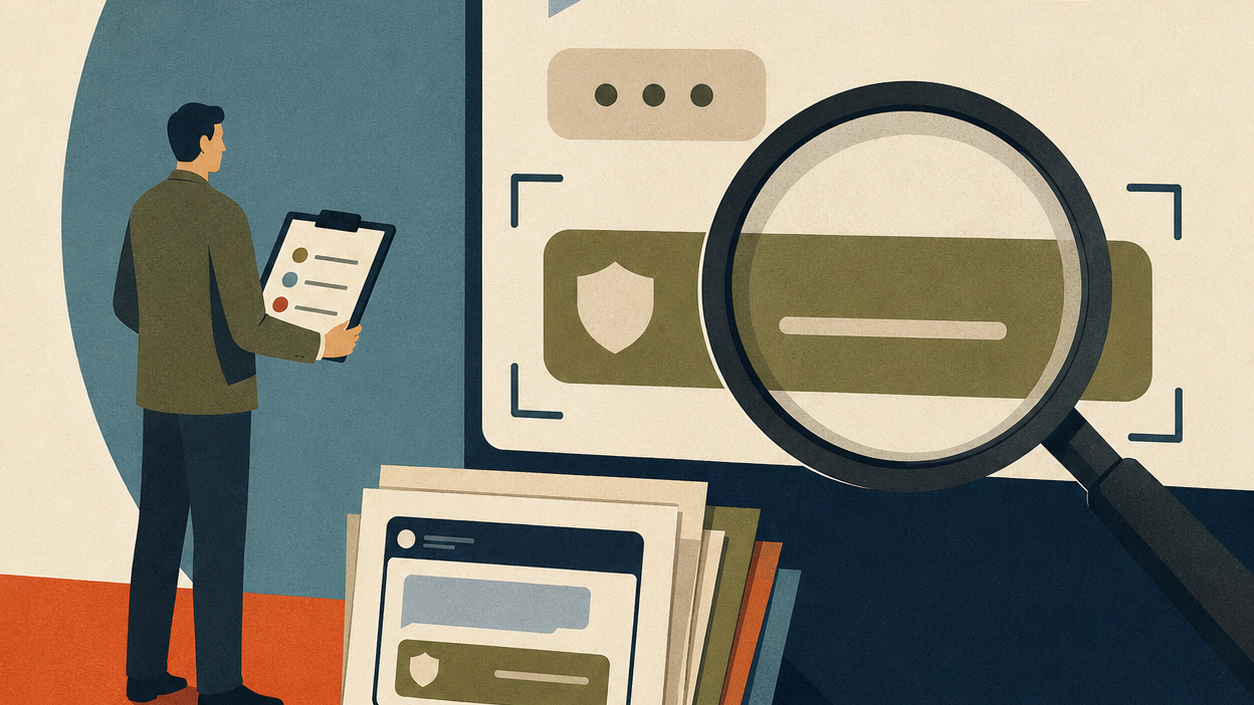
Europe's chatbot disclosure rule went live August 2, and four competitors already give the widget away free. The durable business sits one layer above the badge.
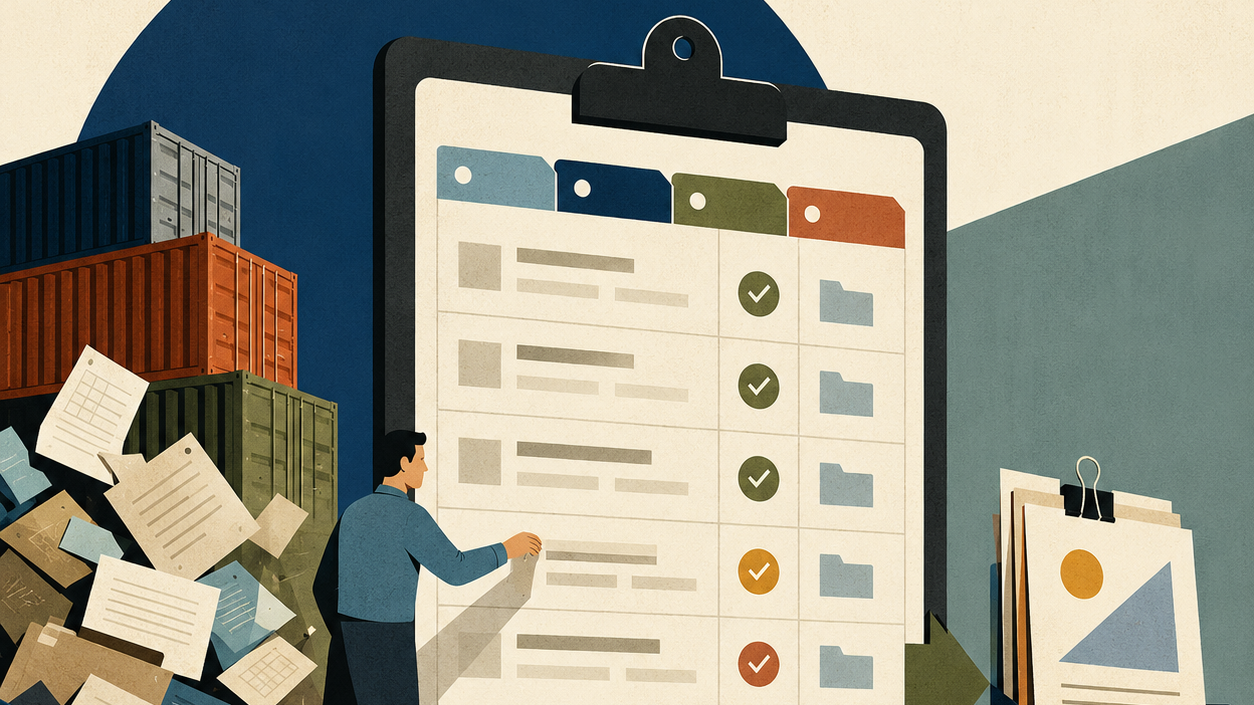
The Supreme Court voided IEEPA tariffs and CBP has moved $100 billion. What's left is $37 billion trapped behind broken records, dormant ACE accounts, and brokers who don't call back.


