


In 1995, a company called GeoCities gave ordinary people something radical: a free web page. You picked a "neighborhood" — SiliconValley for tech, Hollywood for entertainment, SoHo for the arts — and built whatever you wanted. Glitter text, tiled backgrounds, auto-playing MIDI files, clip art from God knows where. The pages were ugly, slow, and genuinely yours. By 1997, GeoCities was the third most visited site on the entire internet. Thirty-eight million people had personal pages there.
Yahoo bought it in January 1999 for $3.57 billion in stock. At the time, it sounded reasonable. Then the dot-com crash hit, the pages aged, and Yahoo couldn't figure out how to monetize any of it (imagine that!). On October 26, 2009, they deleted the whole damn thing.
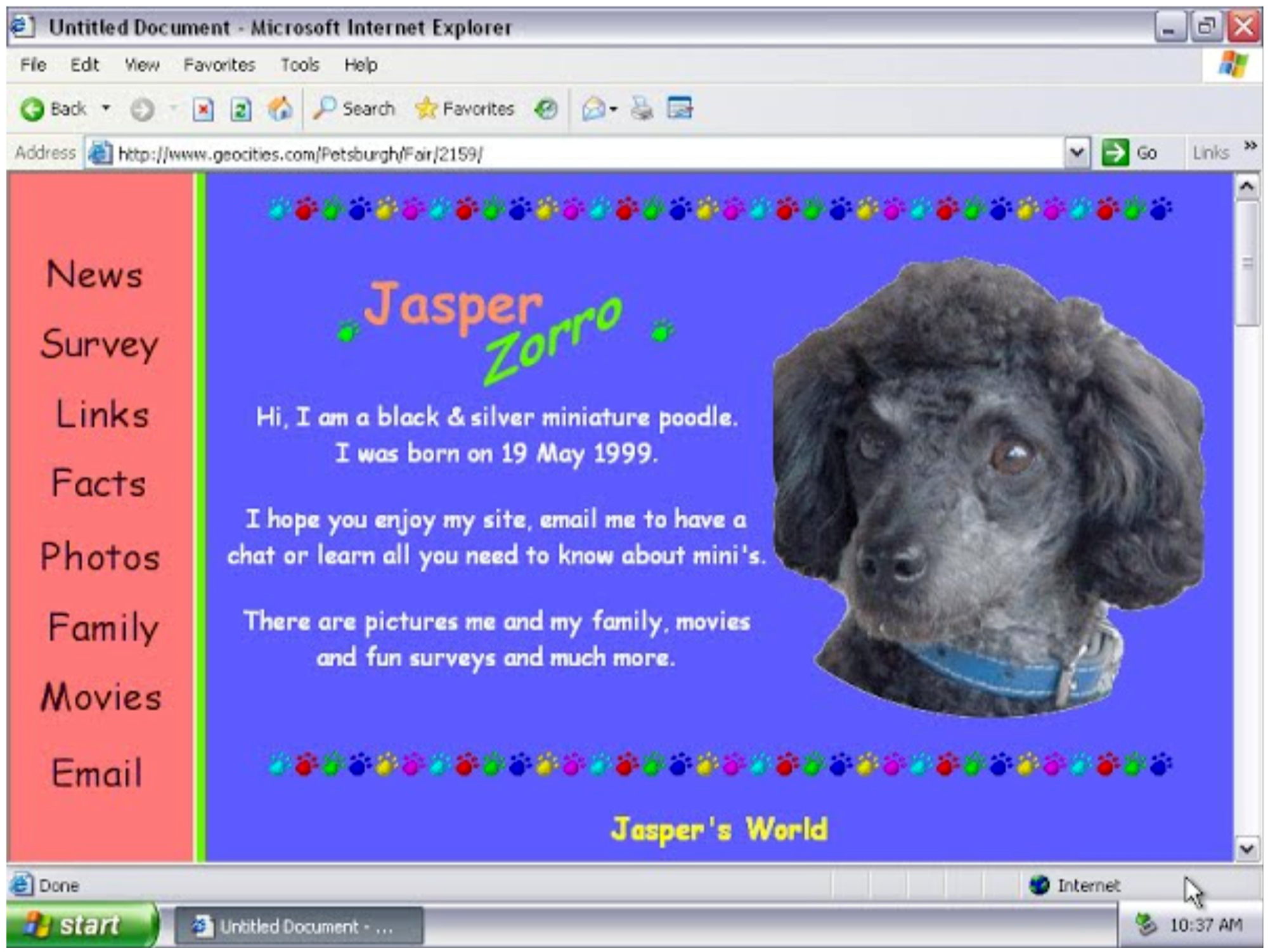
A volunteer group called the Archive Team scrambled to download as many pages as they could before the deadline. Families lost photo albums. Fan fiction communities evaporated. One of the largest collections of personal expression the internet had ever produced went dark.
Those 38 million people were making something Yahoo's spreadsheets never captured: corners of the internet that actually felt like theirs.
That impulse never went away:
- SpaceHey, a MySpace clone built by a German teenager, crossed a million users before going invite-only this March.
- Neocities hit 1.35 million hosted sites by late 2025.
- Gen Z is 27% of vinyl buyers, choosing the format with more friction because it has more soul.
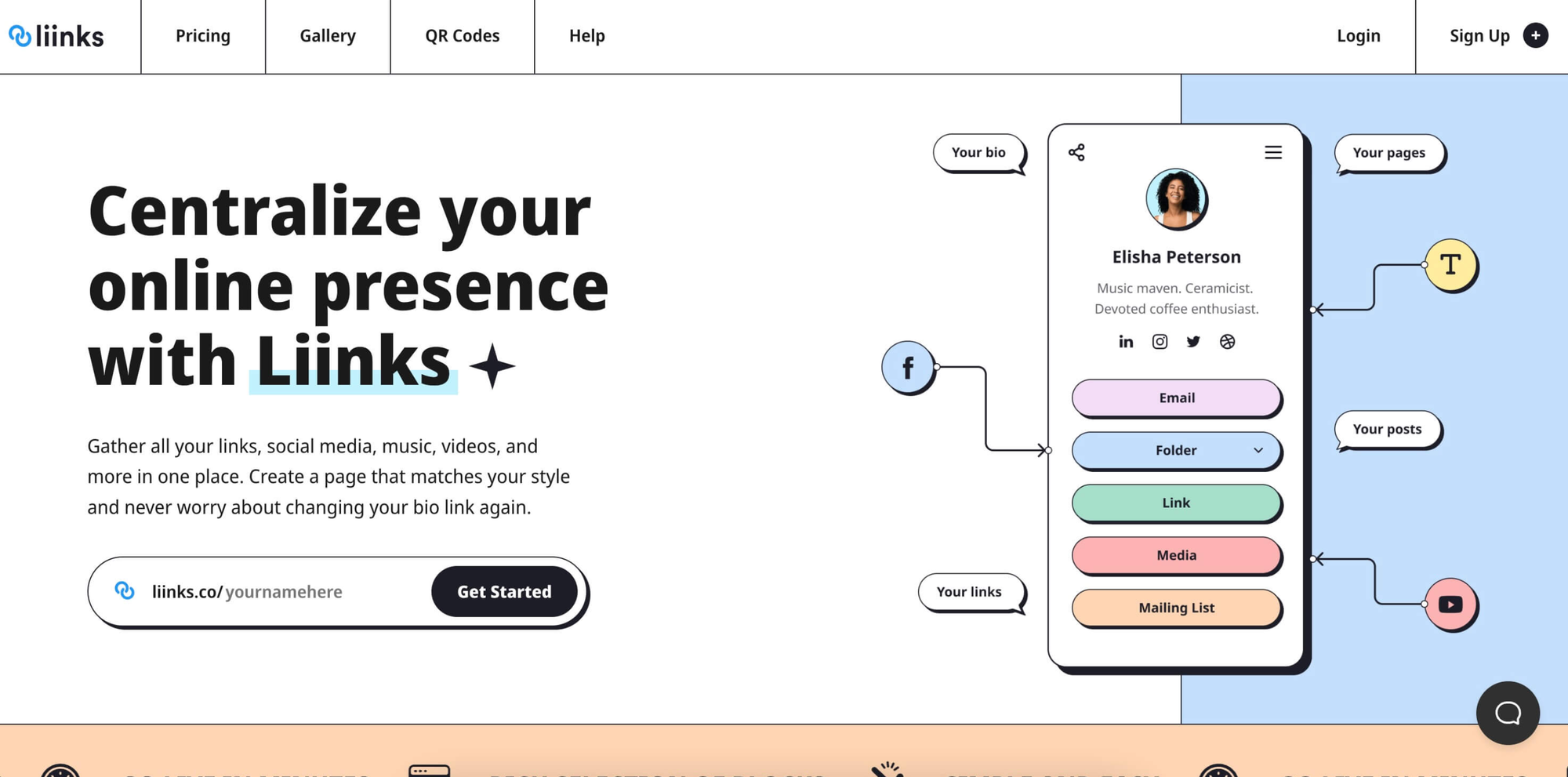
Meanwhile, every link-in-bio tool on the market competes on the same axis: clean and minimal. Linktree has 70 million users and $61.6 million in revenue. The entire category optimized for utility and forgot about identity. Today's idea is a nostalgia-first link-in-bio studio. MySpace-style bio pages at $5/month, a solo-builder MVP, and a niche nobody else is building for.
Read the full playbook here:

Link-in-bio is a $61.6M market built on minimalism. Creators who want MySpace chaos have no purpose-built option — and the niche has zero dedicated competitors.
From the Vault:

TikTok's viral sounds peak in Indonesia before US feeds notice. A solo founder with a cross-border alert tool and opinionated scoring can sell that lead time to agencies for $35/month.
AI tools just compressed the cost of building branded interactive campaigns. Mid-sized Shopify brands can't buy strategy, integration, and accountability from a $29 plugin — that's the gap.


