


Ron Popeil had a problem most salesmen would kill for. His Chop-O-Matic worked so well he couldn't demo it. A guy could only haul so many onions, cabbages, and potatoes to the county fair before he ran out of vegetables by noon. The thing chopped faster than one man could restock the table.
So in the late 1950s, Popeil filmed the demo once and put it on television. Same pitch, same hands, same satisfying pile of diced onion, except now it ran a thousand times a day while he slept. Nobody had to find a fair or wait around for a salesman. They picked up the phone and bought.
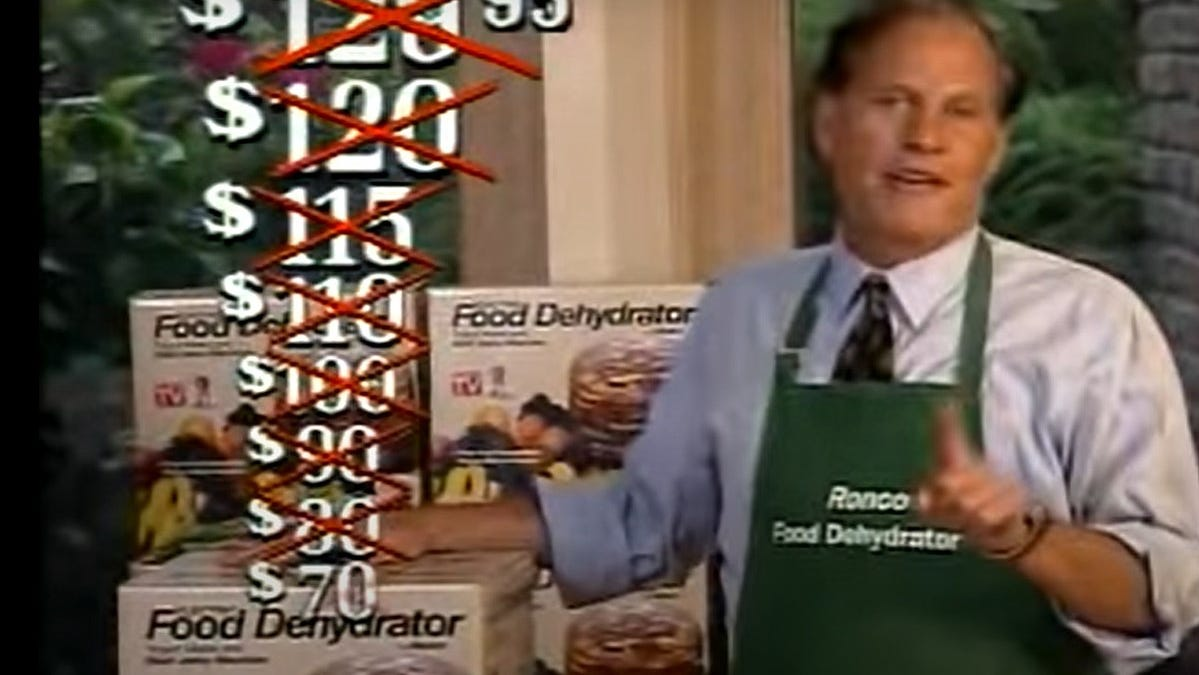
That's the whole trick, and it's why "But wait, there's more!" is still rattling around your skull decades later. Popeil collapsed the distance between seeing a thing work and owning it. You watched it chop, you wanted it, you dialed. He turned a demonstration into a checkout.
On May 12, 2026, TikTok did the travel version. It launched TikTok GO in the U.S., letting 200 million Americans book hotels, tours, and local experiences without leaving the app, with inventory piping in from Viator, GetYourGuide, and Expedia. That 22-second clip of a sunrise kayak tour now ends in a booking instead of a saved video nobody ever acts on.
That's today's idea. A TikTok GO revenue kit for small tour and activity operators: a done-with-you service that turns their booking pages into trackable short-form campaigns and tells them exactly what to film this week. They've got the inventory and the five-star reviews. What they don't have is a way to turn video into reservations. Start service-first with a $1,250 pilot, then graduate to $399 to $699 a month. Twenty operators at $550 is $11K MRR. A hundred is $55K. The demonstration always drove the sale. TikTok just moved the checkout inside it.
Read the full playbook here:

TikTok GO just connected 200M U.S. users to bookable tours and experiences. Small operators have the inventory. Nobody has built the revenue system that converts short-form video into actual bookings.
From the Vault:
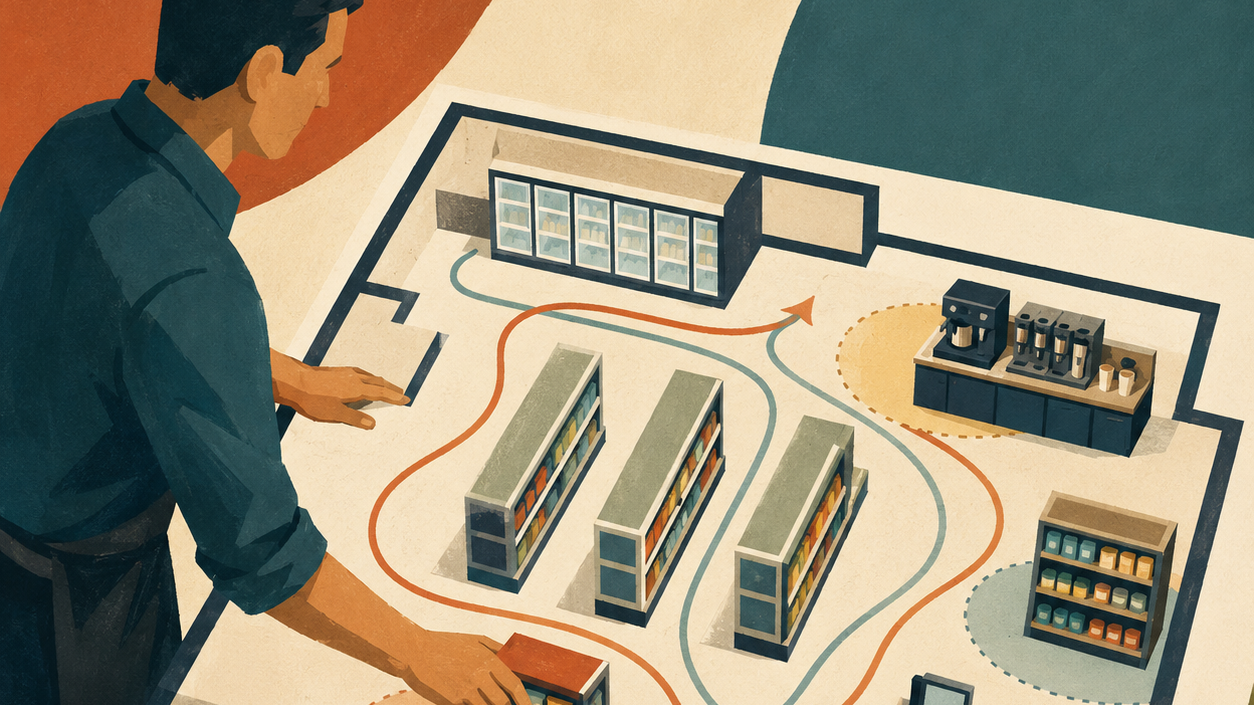
A May 2026 paper on shopper simulation reveals a gap no planogram vendor will touch: 95,000 independent convenience stores running on gut instinct and supplier suggestions.
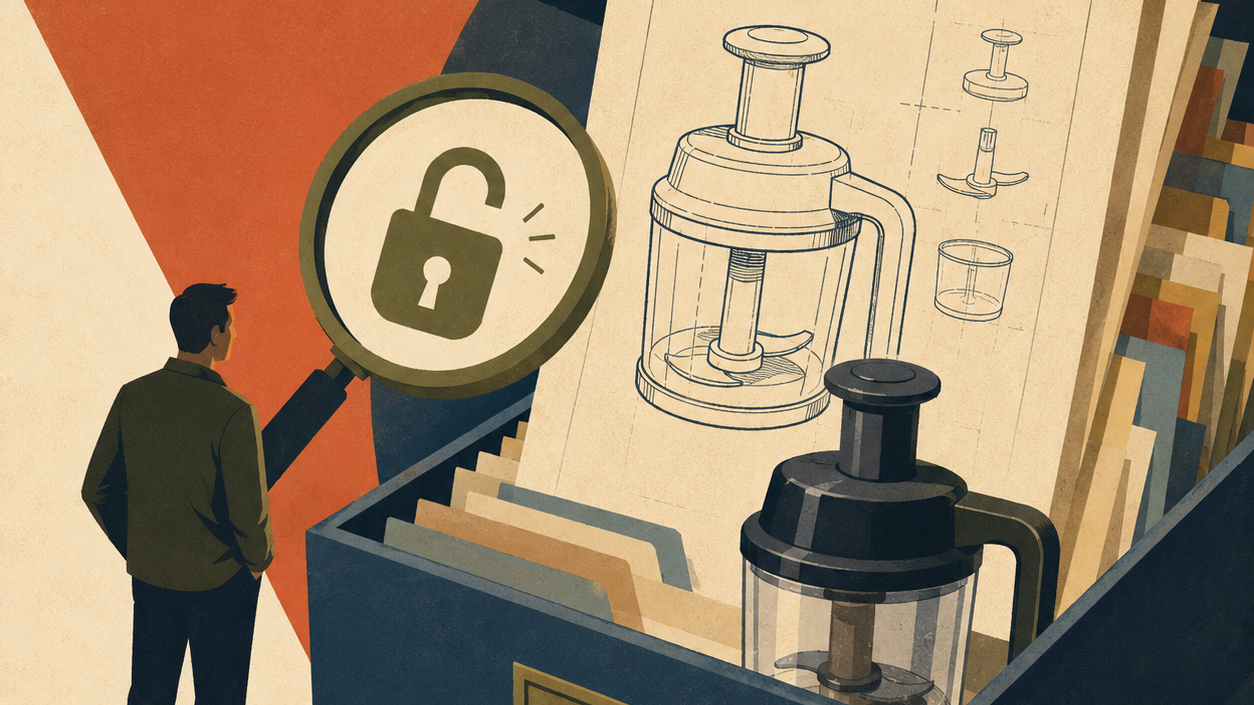
The U.S. patent system is a graveyard of consumer inventions that never reached shelves. An AI-powered scout that mines expired patents and cross-references Amazon demand is a real, buildable business.


