


On September 4, 2022, a 19-year-old named Hans Niemann beat the best chess player alive. Magnus Carlsen hadn't dropped a classical game in 53 straight. Niemann took him down with the black pieces and a grin.
The next day Carlsen quit the tournament and posted a ten-second clip of soccer manager José Mourinho: "If I speak, I am in big trouble." He named no one. He didn't have to.
Within a week the internet had built its own forensic theory. Niemann cheated, the story went, using vibrating beads tucked where security wouldn't check, buzzing him the best moves like Morse code. The joke started on Twitch, hit Reddit, and somehow landed in a tweet from Elon Musk. A teenager's career was now a punchline.

Here's the thing about that theory: no device was ever found. Chess.com ran every game through its engines and published a 72-page report finding no evidence he cheated over the board. Niemann offered to play naked in a sealed room, and it changed nothing. One grandmaster called it death by innuendo.
Niemann at least had resources to fight back — the report, a $100 million lawsuit, eventually a Netflix doc. Most people accused of cheating with a machine get none of that. In Palo Alto, a tenth-grader flagged for using AI on an English essay had to assemble a 1,162-page packet of drafts, timestamps, Google Docs history, and handwritten notes just to clear his name. Then his family sued. And the detectors driving these fights are junk: one Stanford study found they falsely flag non-native English writers as AI 61% of the time.

Today's idea productizes the defense. It's a student-controlled "black box" for Google Docs that quietly records how an essay actually got written, then exports a clean one-page receipt a teacher will actually read. Not a detector, not spyware. A proof-of-authorship record the student owns. At $99/year, 5,000 families is roughly $500K ARR before the expert-review upsell.
Read the full playbook here:
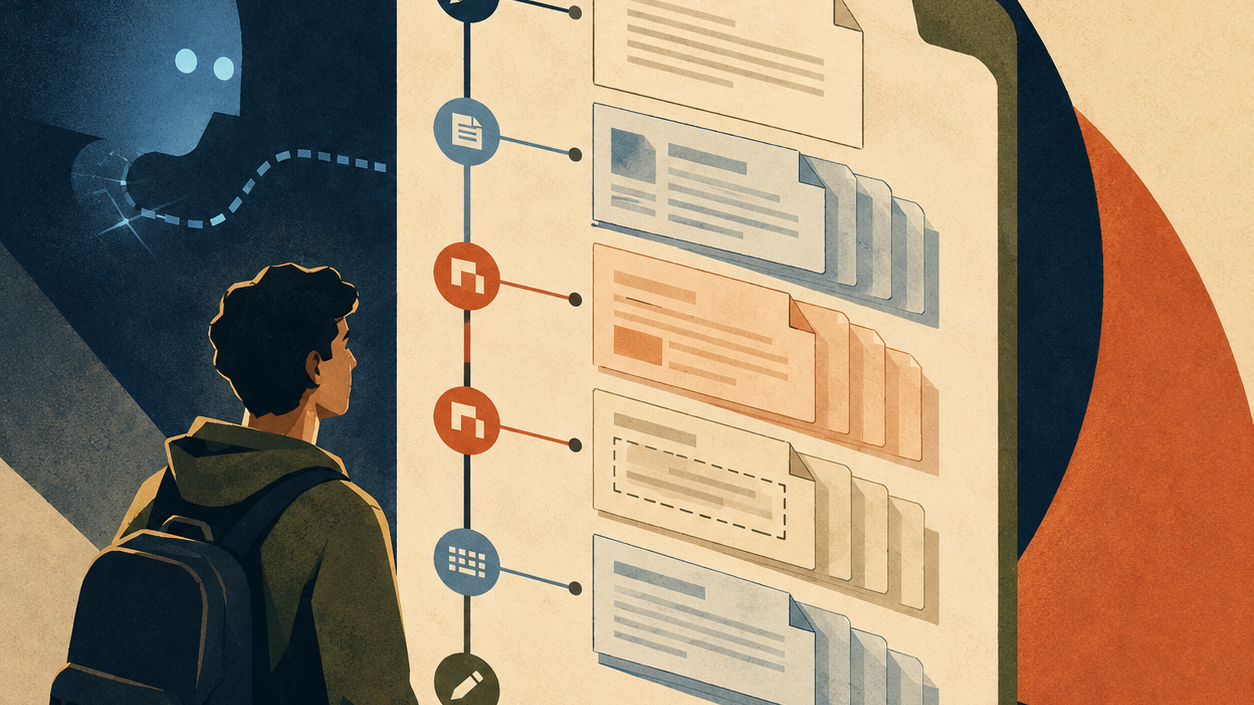
Princeton ended 133 years of honor code. A Palo Alto family filed a 1,162-page federal lawsuit. The wedge isn't detection — it's the standardized dispute packet.
From the Vault:

America has 14,800 small towns, fire districts, and HOAs with no digital department — and a federal .gov program, DOJ accessibility mandates, and broken locality domains creating real urgency for the first time.
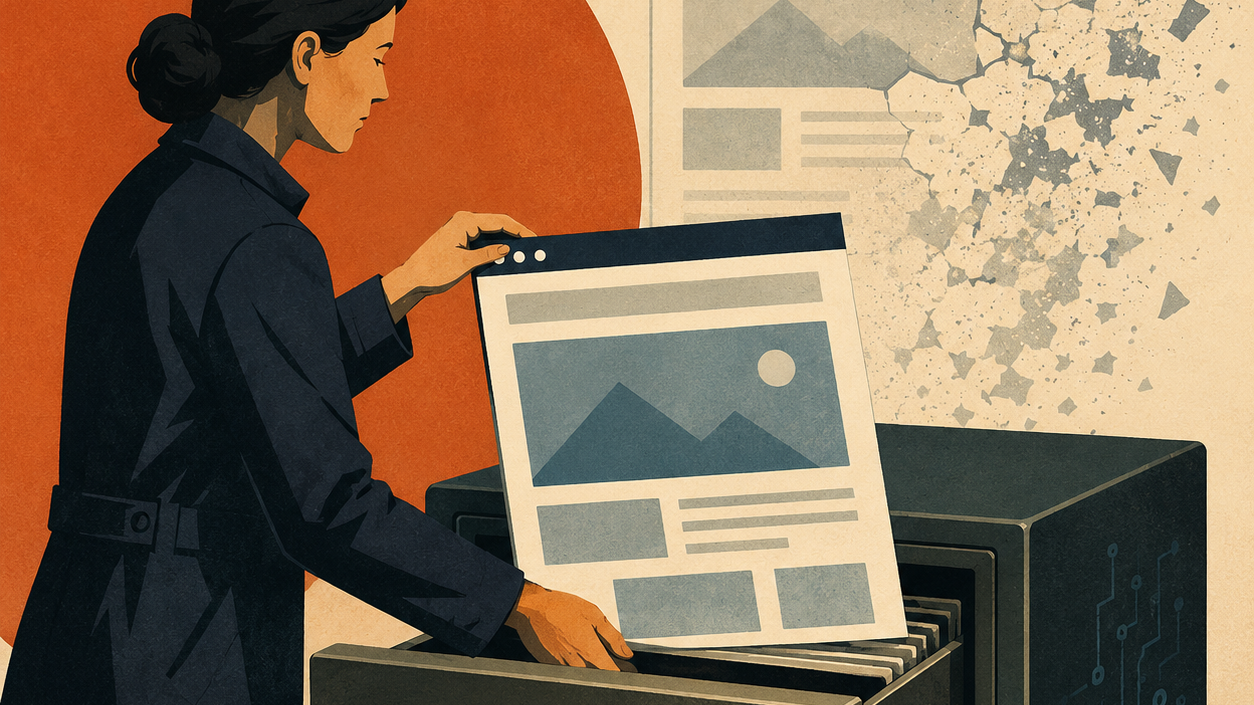
The Wayback Machine is getting blocked. 382 news sites have revoked crawler access. That gap opens a private, litigation-grade web evidence vault — timestamped, hash-verified snapshots for reporters, watchdog NGOs, and small legal teams.


