


In 1983, Howard Schultz was 30, working as marketing director at a small Seattle coffee bean roaster called Starbucks. He flew to Milan for a trade show and spent his off-hours walking the cobblestones. Over a few weeks he wandered into around 500 espresso bars.
The baristas were the part he couldn't stop watching. They knew every regular by name. They started drinks before customers reached the counter. The morning had a rhythm, and the regular was the rhythm, a relationship maintained one cup at a time.

Schultz flew home and pitched the founders on bringing the Italian café to America. They passed. So he quit, founded Il Giornale in 1986, then raised $3.8 million the next year and bought Starbucks itself.
The point of the empire was to industrialize what one Italian barista did from memory.
Schultz's solution was hiring. Hundreds of thousands of baristas, drilled every shift on names and orders. It worked well enough to push Starbucks past 35,000 stores. Every other small business owner wants the same warmth and doesn't have a training department on the second floor.
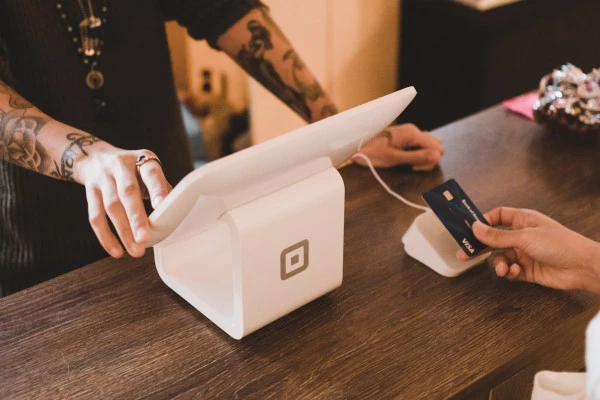
Today's idea is the barista's memory, in software. The Regulars Engine is an AI layer for coffee shops, pet stores, and meal-prep brands. A regular texts "usual" or "same as Tuesday, pickup at 6." The system recognizes her number, pulls her last order, drafts the cart, sends a payment link, and pushes the ticket straight into Square or Shopify.
The economics are loud:
- Square's 2026 Local Economy Report: repeat customers drive 6x the revenue of one-timers
- They tip 11% higher
- Cross-merchant regulars in LA generate $2,201 in extra annual revenue per connection
- 500 merchants at $149/month, plus 1% of AI-assisted GMV, lands near $75K MRR
- Juniper pegs agentic commerce at $8B globally in 2026
Read the full playbook here:
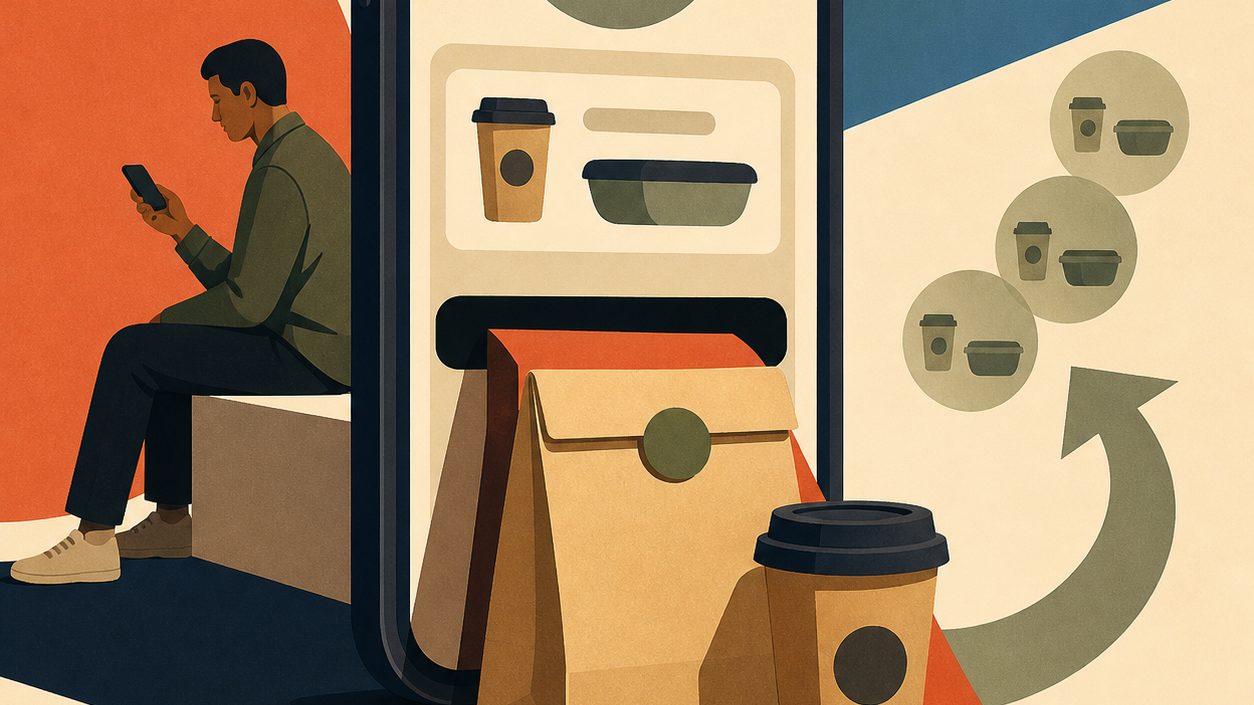
Regular customers drive 6x more revenue for local merchants — and no one has built the AI layer that lets them just say "usual." Here's the wedge.
From the Vault:
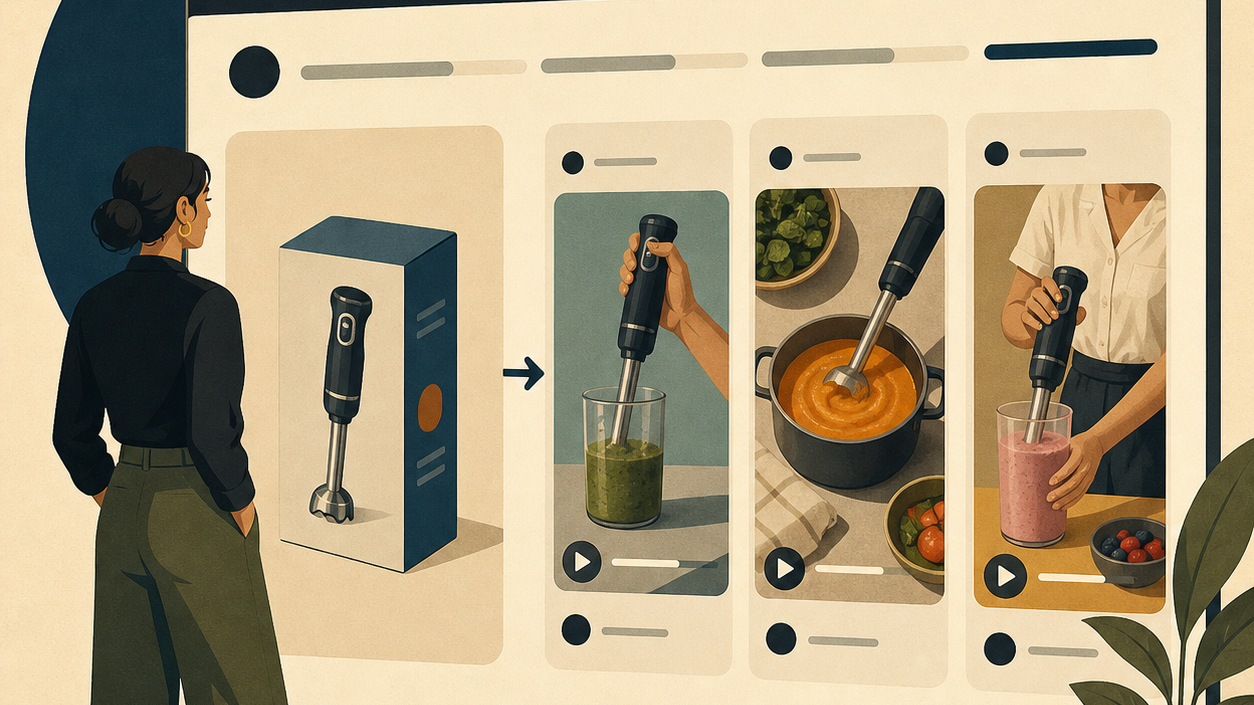
Small ecommerce brands need short-form product videos but enterprise UGC platforms are overkill. A niche bounty board — kitchen gadgets, pet products, TikTok Shop — fills the gap.
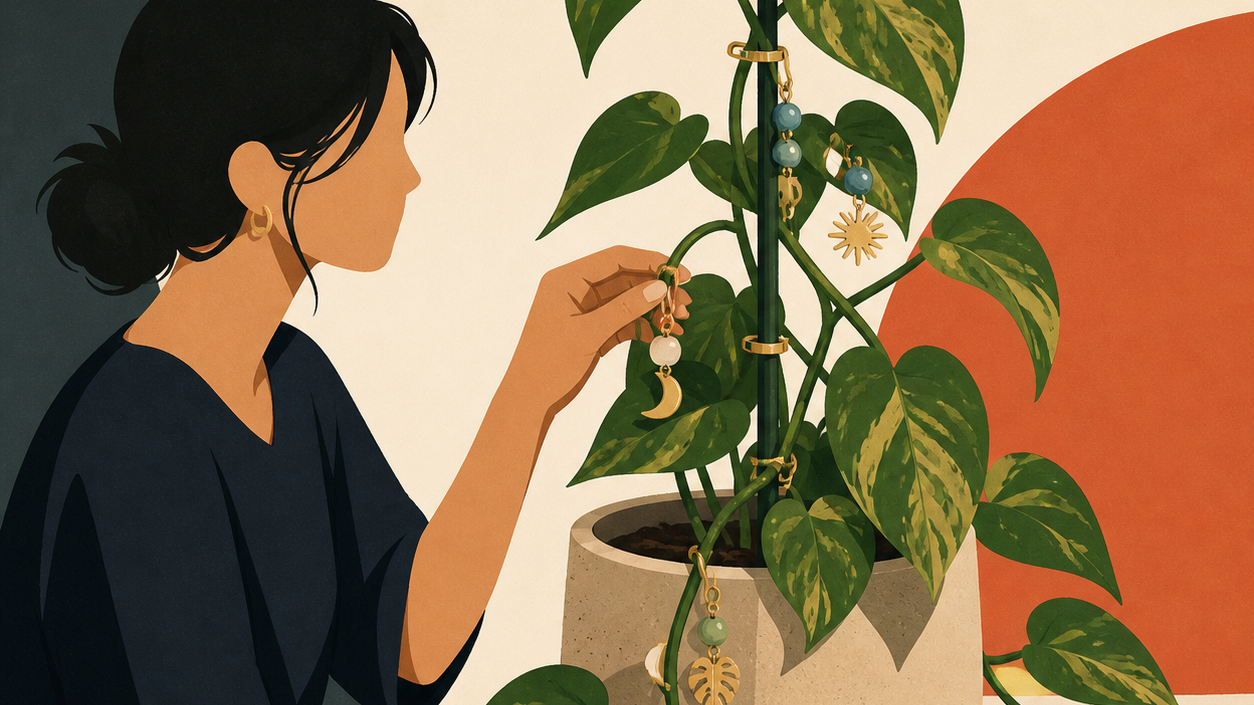
Plant beading hit TikTok hard, then experts warned it hurts plants. That backlash is the wedge — and no one has packaged the safe version for sale yet.


