


Plant Jewelry: How to Steal a TikTok Trend Before Amazon Flattens It
Walk into a specialty bead shop in the U.S. right now and ask what's moving. The answer isn't bracelets. It's plants.
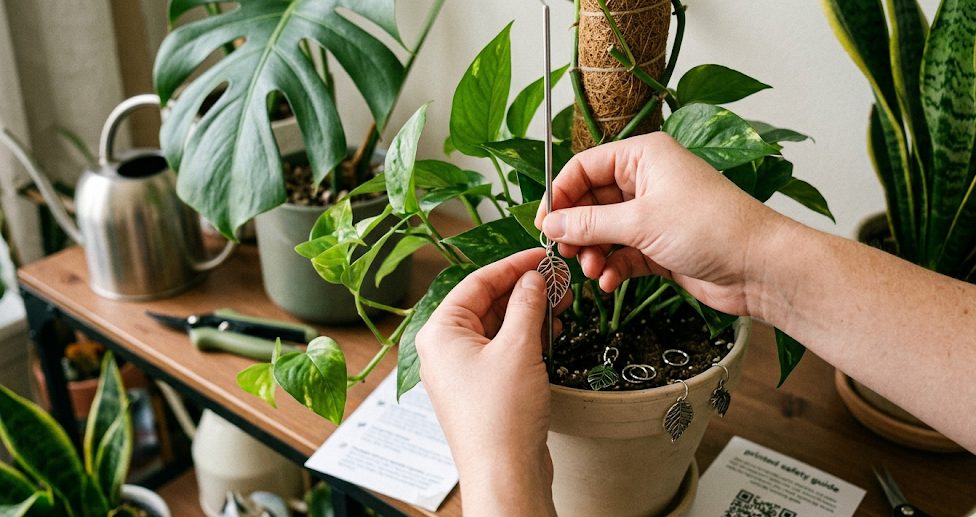
A craft that began with hobbyists threading beads onto pothos vines has hardened into a recognizable consumer behavior: plant beading, plant jewelry, plant charms. People are decorating their houseplants the way they decorate their phones and their cars. The vine becomes a friendship bracelet. The pot becomes a charm bracelet. The shelf becomes a styled scene. Lifestyle press picked up the look in 2024, framing plant beading as turning vines into living friendship bracelets, and by spring 2026 the hashtags #plantbeading, #beadedpothos, and #plantcharms sit comfortably on PlantTok next to propagation videos and grow-light tours.
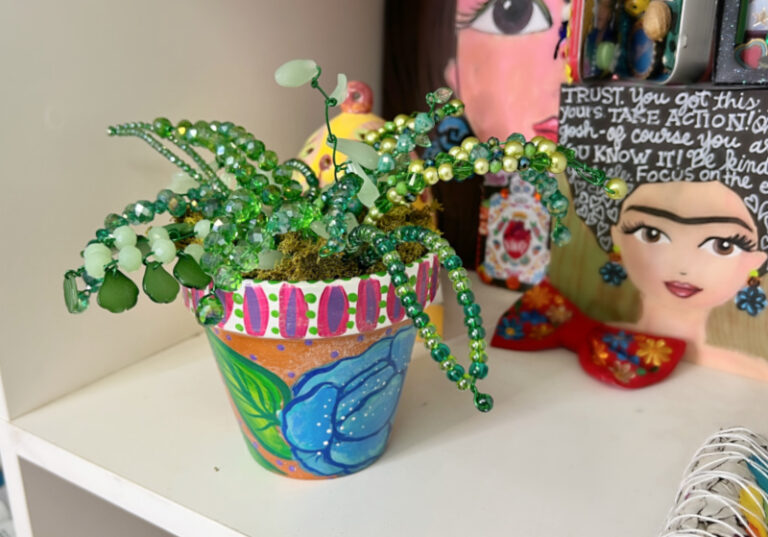
Three behaviors converge here. Plant parenthood. DIY personalization. TikTok-native impulse buying. The product opportunity sits where they intersect, and that intersection hasn't yet been packaged for sale.
Here's the opportunity:
The money: $20K to $80K per month during the trend window. At 1,000 orders × $40 AOV, an operator clears roughly $14K in monthly contribution before fixed costs.
Inside:
• Three-SKU lineup that ladders from impulse to gift
• Plant-safe beading method that earns creator trust
• TikTok Shop content angles and creator seeding plan
• Drop calendar that outlives the original trend
The cheap version of this business writes itself. Pour beads into a polybag, print a sticker that says "Plant Beading Kit," run a TikTok ad, watch Amazon flatten the category to a $9 listing within ninety days. The interesting version requires one move the cheap version refuses to make. Stop selling beads. Start selling jewelry for plants. That framing changes the customer, the price point, and the brand.
The Real Wedge: Backlash as Marketing
The trend has a problem the polybag founders would rather you not notice.
When a bead is slipped tightly over a young pothos stem, the plant keeps growing. The stem thickens. The bead doesn't. The result is what arborists call girdling on full-sized trees: a slow constriction that interferes with water and nutrient flow and can damage the vine. Ideal Home covered the trend in 2024 and quoted plant experts warning against tight-fitting beads on live stems. Plant-care creators picked up the warning through 2025. By 2026, the educated corner of PlantTok had already adapted, using graduated jump rings sized for new growth so beads slide loosely along the vine, or skipping live stems entirely in favor of stakes, pots, and trellises.
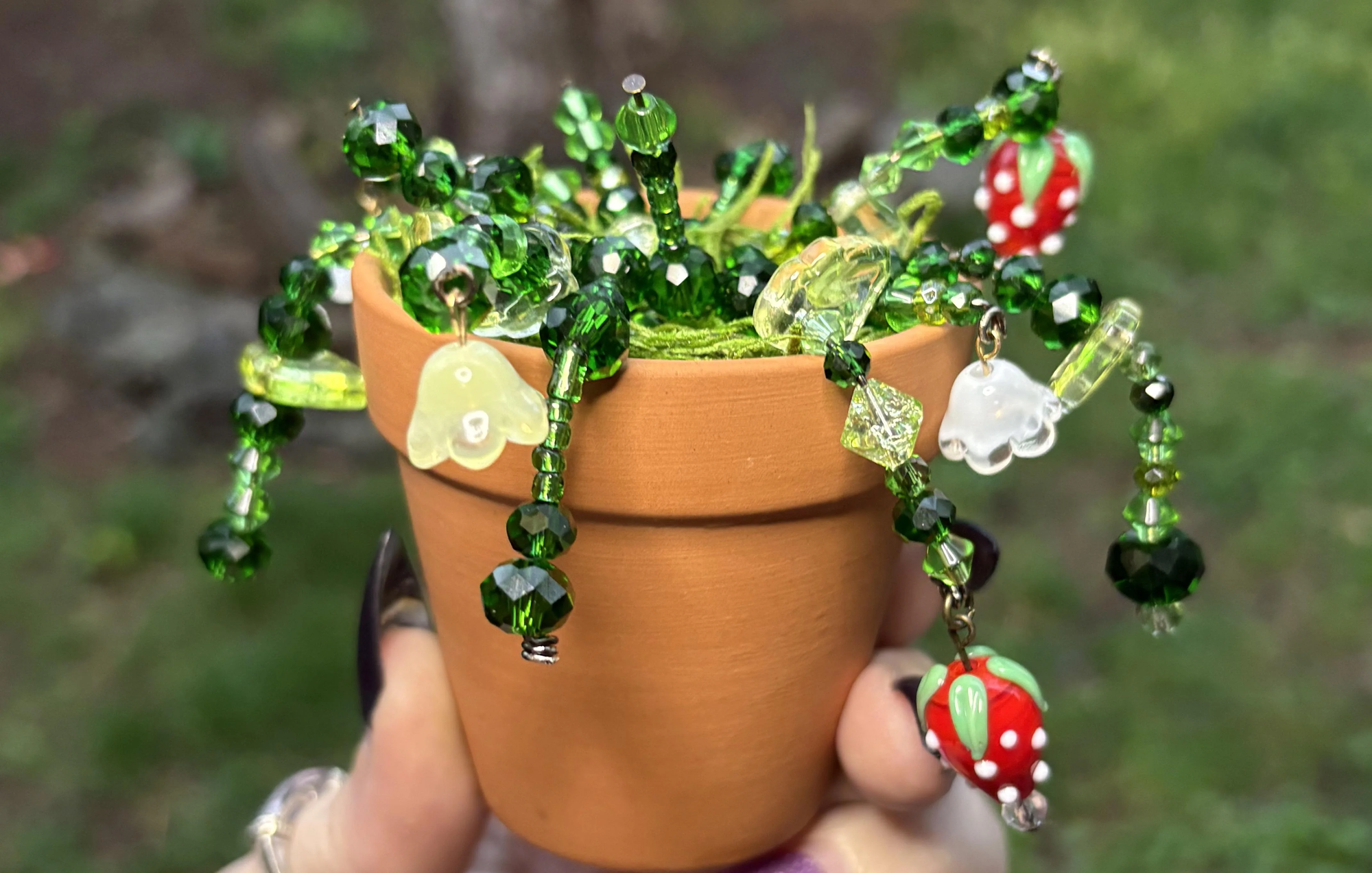
The backlash itself is the wedge. It produced a small population of careful practitioners and a much larger population of confused first-time customers who saw one viral video and bought a bag of 6mm beads. That second group is the customer no one is serving correctly. They want the look. They don't want to learn horticulture. They'll pay for a kit that solves both problems. The pitch writes itself: You love the look. We made the safe version. That's the brand.
The Market Signal
This isn't a venture-scale software company. It's a fast, visual, low-ticket commerce play with a realistic path to $20K to $80K per month in revenue during the trend window if the operator can produce short-form content, seed creators, and ship within a week. The product is a plant jewelry kit sold through TikTok Shop, Shopify, Etsy, and creator affiliate links: three things in one box. The viral aesthetic. A plant-safe beading method that respects the vine. A small library of seasonal drops to keep customers coming back.
The numbers underneath are stronger than the kit price suggests. Survey data has put U.S. houseplant ownership at roughly two-thirds of households for years now. The global indoor plants market is somewhere between $13 billion and $22 billion in 2026, depending on whose methodology you trust. The adjacent garden and home-decor accessories market — pots, stakes, planters, ornaments — is roughly $7 billion in 2026 and growing at 5% to 6% annually. Plant accessories are growing faster than the plants themselves. People already own the pothos. Now they want the scene.
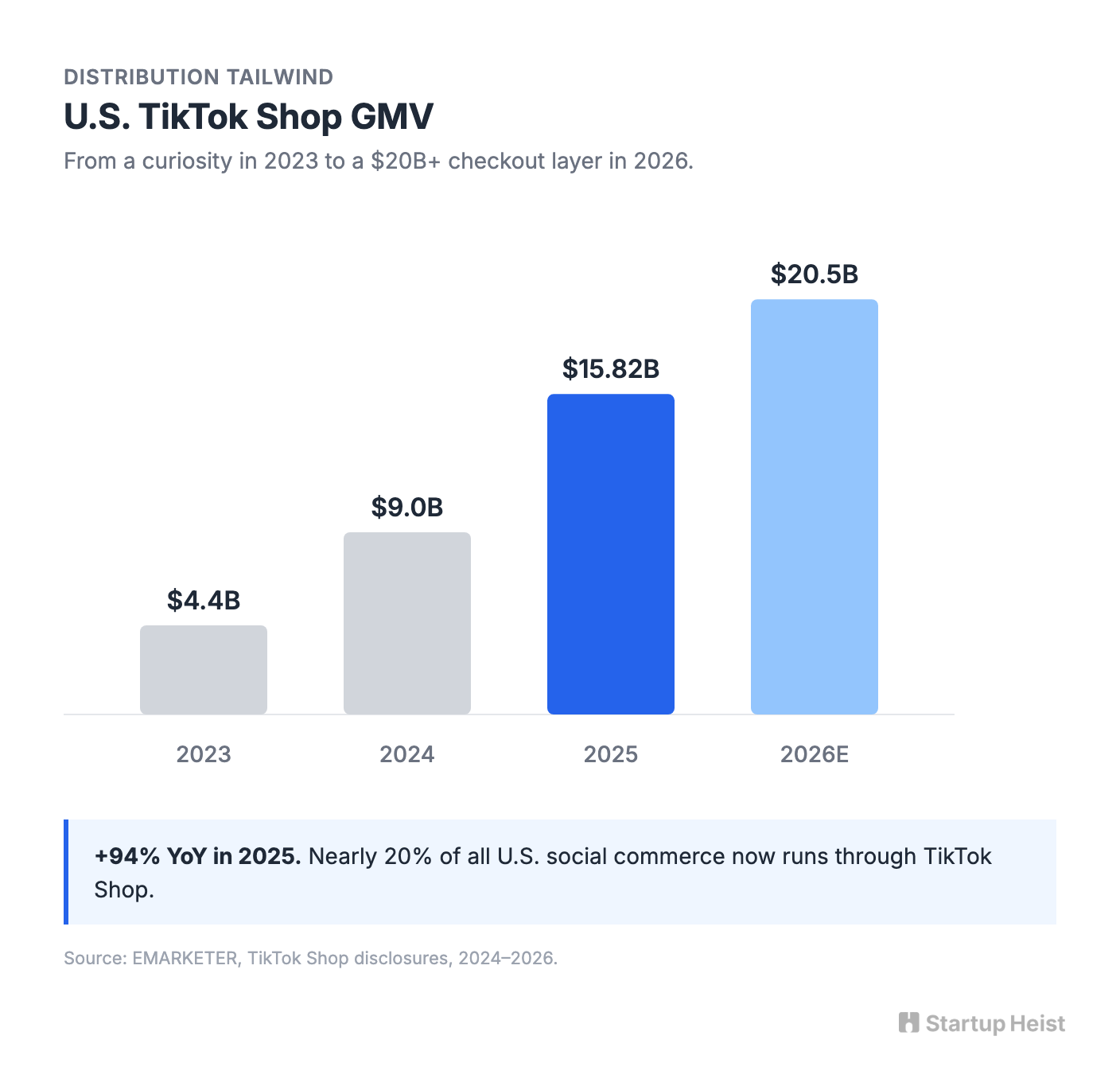
Distribution has matured at the same time. Global TikTok Shop GMV hit $64.3 billion in 2025, up 94% year over year, with U.S. sales at $15.82 billion and a trajectory to clear $20 billion in 2026. EMARKETER reported that TikTok Shop accounted for nearly 20% of all U.S. social commerce in 2025. TikTok Shop plant decor sits in the exact center of what the platform is good at: an item nobody searches for that becomes irresistible the moment they see it.
The Customer
Segment by buying moment, not by demographic.
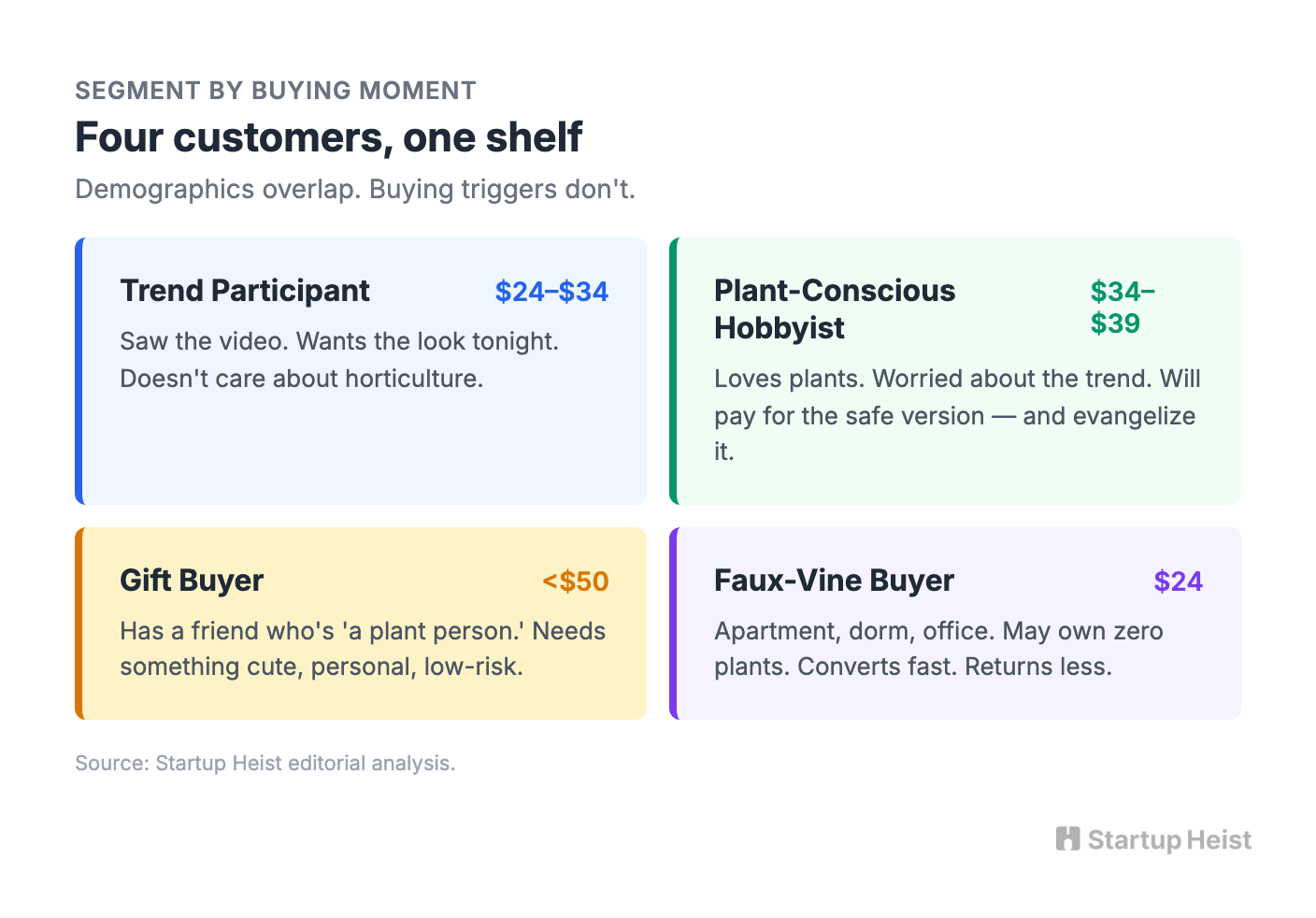
The trend participant saw the video and wants to recreate it tonight. They don't care about horticulture. They want a $24 to $34 kit, a 30-second tutorial, and shipping that arrives before they lose interest.
The plant-conscious hobbyist likes the look but worries the trend hurts plants. They follow plant-care creators. They're skeptical of gimmicks. They'll pay $34 to $39 for a plant-safe beading kit with stakes, loose charms, jump rings, pot edges, and a clear safety note. Treat them well and they'll sell to the first group on your behalf.
The gift buyer has a friend who is "a plant person" and doesn't want to risk buying the wrong plant. They need something cute, personal, and under $50.
The faux-vine buyer wants the visual without the maintenance. They live in a dorm, an apartment with bad light, or an office. They might own zero plants. They buy the faux vine kit, hang it on a mirror or a desk, and ship it in a flat envelope. Smaller on paper than the live-plant categories. Converts faster. Returns less. Underrated.
The founder shouldn't be precious about real plants. The most reliable revenue may come from giving people the aesthetic with none of the biology.
The Product Strategy
Launching one generic kit is the mistake. Launch three:
Unlock the Vault.
Join founders who spot opportunities ahead of the crowd. Actionable insights. Zero fluff.
“Intelligent, bold, minus the pretense.”
“Like discovering the cheat codes of the startup world.”
“SH is off-Broadway for founders — weird, sharp, and ahead of the curve.”


