


In March 2001, a Japanese company that makes rice cookers and thermoses started selling a tea kettle that snitches on your grandmother. Lovingly.
The company is Zojirushi. The product was the i-Pot: an ordinary electric hot-water pot with a cellular chip tucked inside. Every time Grandma flips it on or pours a cup, it quietly emails her kids. They pull up a website and watch her whole day render as a graph. 6:40 a.m. tea. 12:15 lunch. 8 p.m. wind-down.
What they got right was choosing a kettle instead of a camera. An old person in Japan boils water three times a day without thinking about it, and nobody feels watched while making tea. Dignity intact.
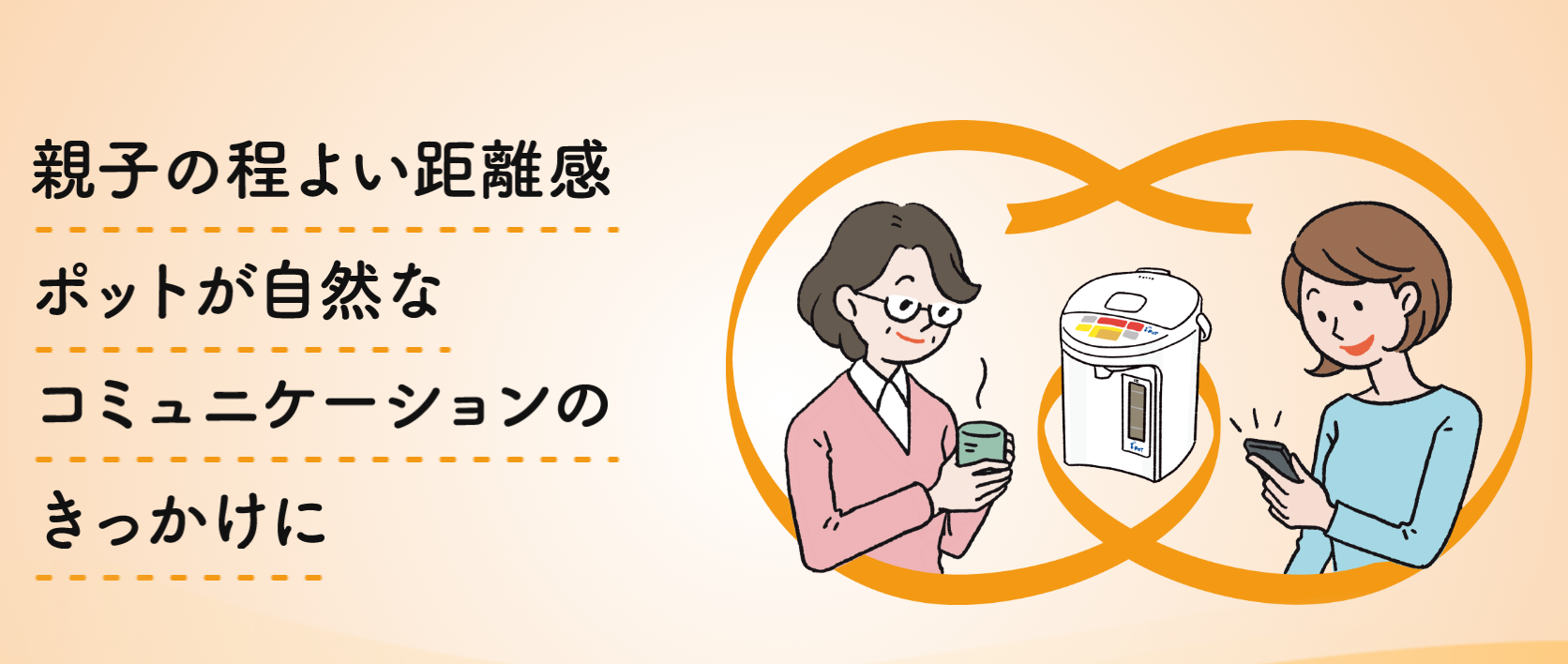
It was never an emergency device. It just noticed when the rhythm of a house went quiet. Twenty-five years later, it's still running.
Zojirushi nailed the philosophy and got stuck with a blunt instrument. A kettle tells you someone made tea. It can't tell you Dad's been on the bathroom floor since breakfast.
That's the gap today's idea walks into. mmWave radar sensors (the kind that read a body's presence and movement across a room without ever filming it) now cost about fifty bucks. Cheap enough to wrap in a subscription.

The play: a camera-free elder-monitoring service sold to the adult kids who'd never put a lens in Mom's house. The sensors learn her normal routine, then ping the family when something breaks it. No morning activity. An unusual stretch of stillness. A fall-like event. Plus a daily "all quiet" digest, because most caregiving dread isn't the emergency at all. It's the not knowing.
1,000 homes at $29/month is $29K MRR, with a bootstrapped path to $300K–$1M ARR through care managers and installers. Own the phrase "peace of mind without cameras" and the category is yours.
Read the full playbook here:

Cheap mmWave sensors turned a 40-year elder-care gap into a camera-free subscription business. Here's how to build the monitoring product aging families actually want.
From the Vault:

A fired Chick-fil-A employee stole $80K through phantom refunds. The software that could have caught it doesn't exist for small franchisees — yet.

YouTube's new dynamic brand insertions let creators resell expired sponsor reads in evergreen videos. The opportunity is a specialized brokerage serving the $37B creator ad market — before the platforms commoditize it.


