


In 2003, Steve Jobs sat across from the record labels and handed them two rules they hated. Every song costs 99 cents. And every song sells on its own, ripped out of the album.
The labels were horrified. The album was the whole business. You wanted one good single, you paid fifteen bucks for eleven tracks of filler wrapped around it. That deal had printed money for forty years, and unbundling it sounded like setting the catalog on fire.
They swallowed hard and signed anyway, mostly because Napster was eating them alive and Jobs was the only adult in the room.
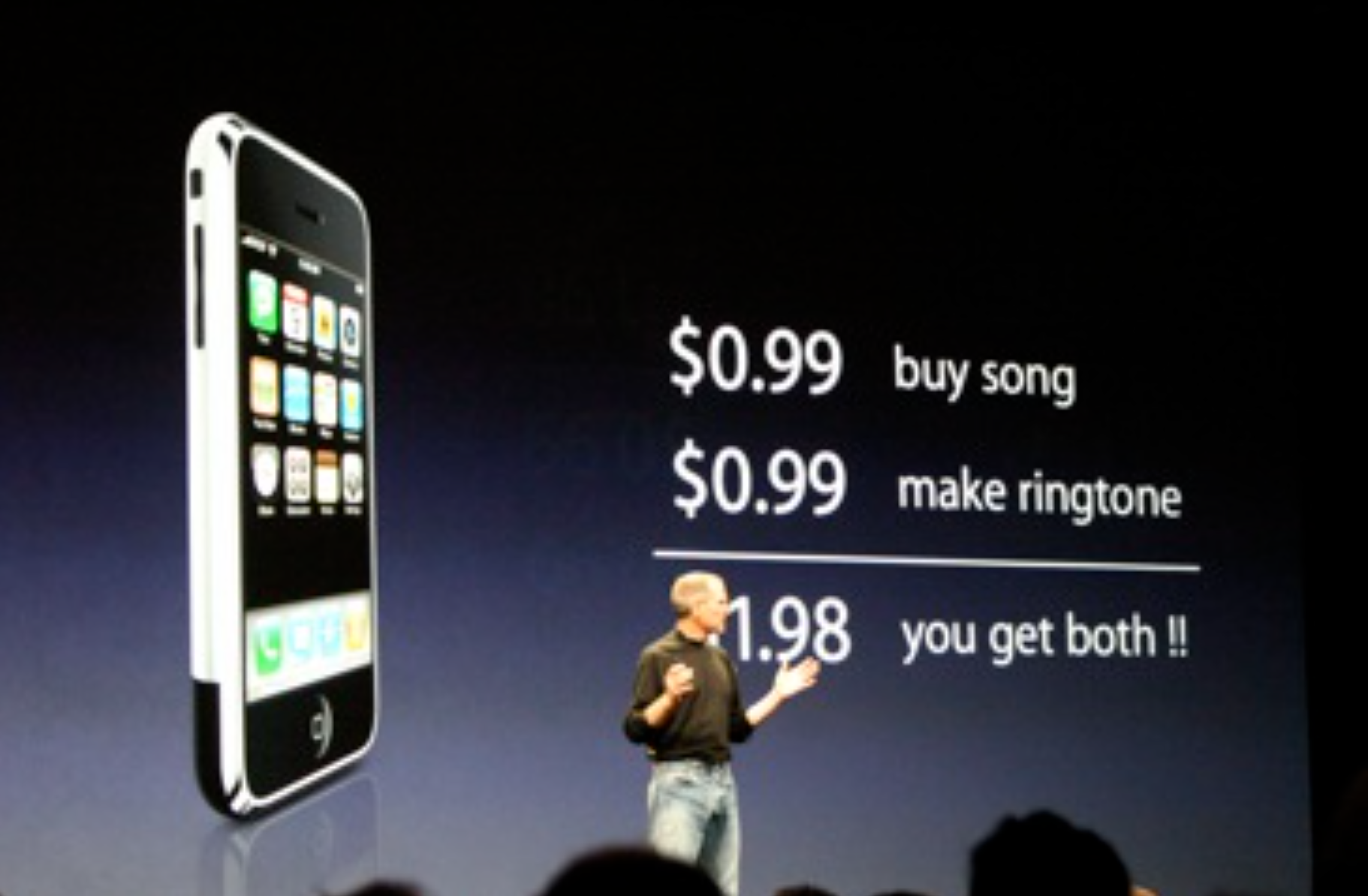
Then iTunes moved a million songs in six days. Apple had penciled in six months.
Turns out nobody was refusing to pay for music. They just didn't want to buy ten songs to get the one stuck in their head. Same reason the bodega sells loosies — nobody buys a whole pack for one cigarette.
The internet reads the same way. Someone shares a sharp essay, you click, the teaser delivers, and then the wall: subscribe for $8/month to keep reading. You don't hate paying for writing. You hate signing up for a relationship with a stranger and setting a reminder to cancel before the next billing cycle. So you close the tab.
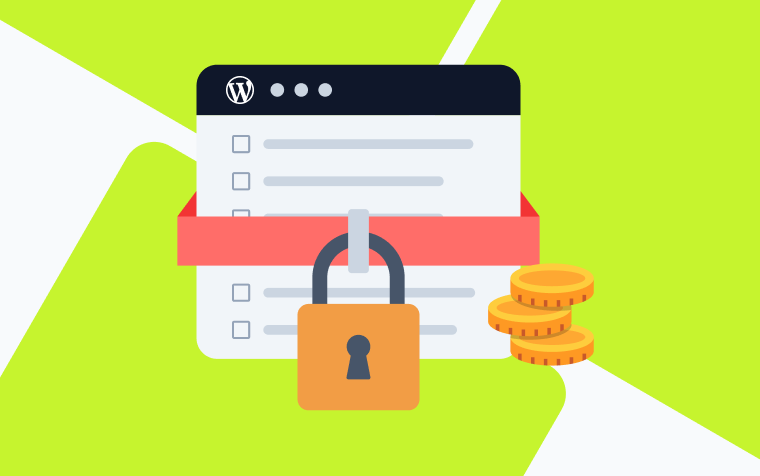
That tab-close is the whole opportunity. Call it single-article checkout: a writer uploads one premium post, sets a price, and gets a clean link. The reader taps Apple Pay, no subscription and no account, and lands on "unlock this for $4."
It sounds too simple to be a company. Substack already proved five million readers will pay for independent writing. Catch the ones who'll never subscribe but would happily buy the single, and 1,000 writers booking $300 a month each is $15K MRR at a modest 5% cut.
Read the full playbook here:
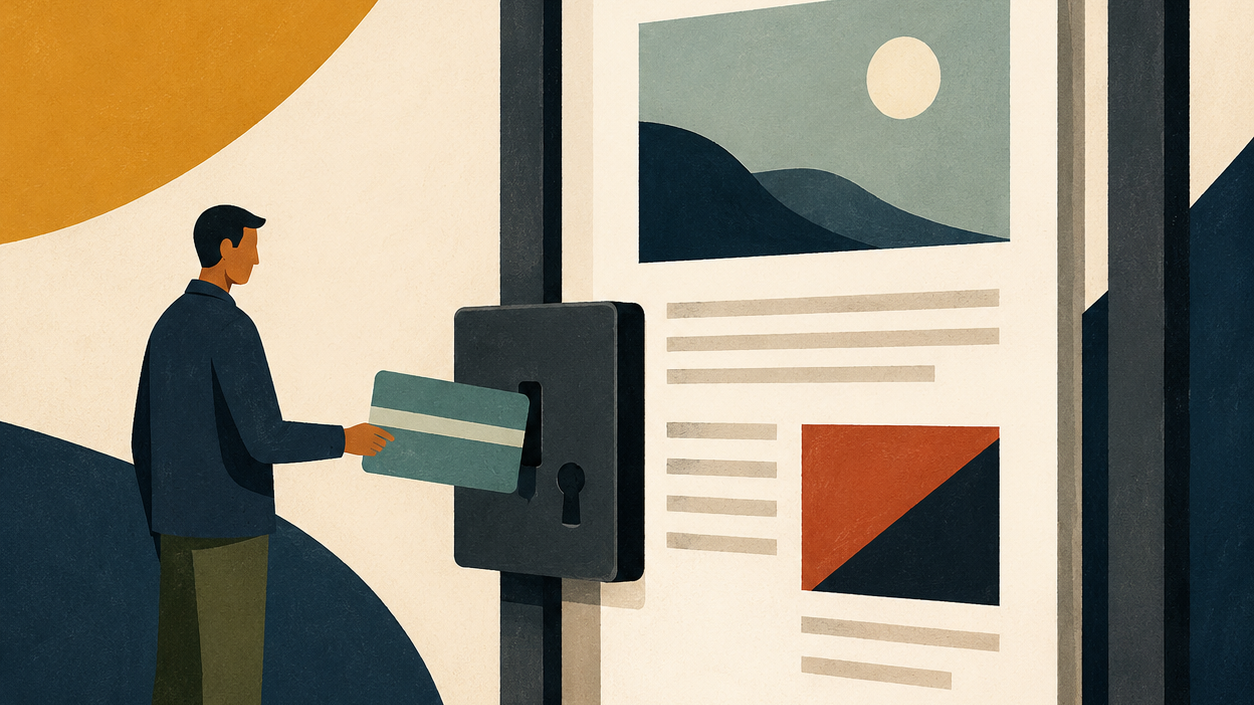
Newsletter platforms capture the subscription. Nobody has built the checkout lane for the reader who wants one article. Here's the $15K MRR opportunity hiding inside that gap.
From the Vault:

YouTube just normalized asking a question instead of watching a video. Build the creator-owned, monetizable version — a branded AI assistant trained on a channel's archive, sold as a subscription.
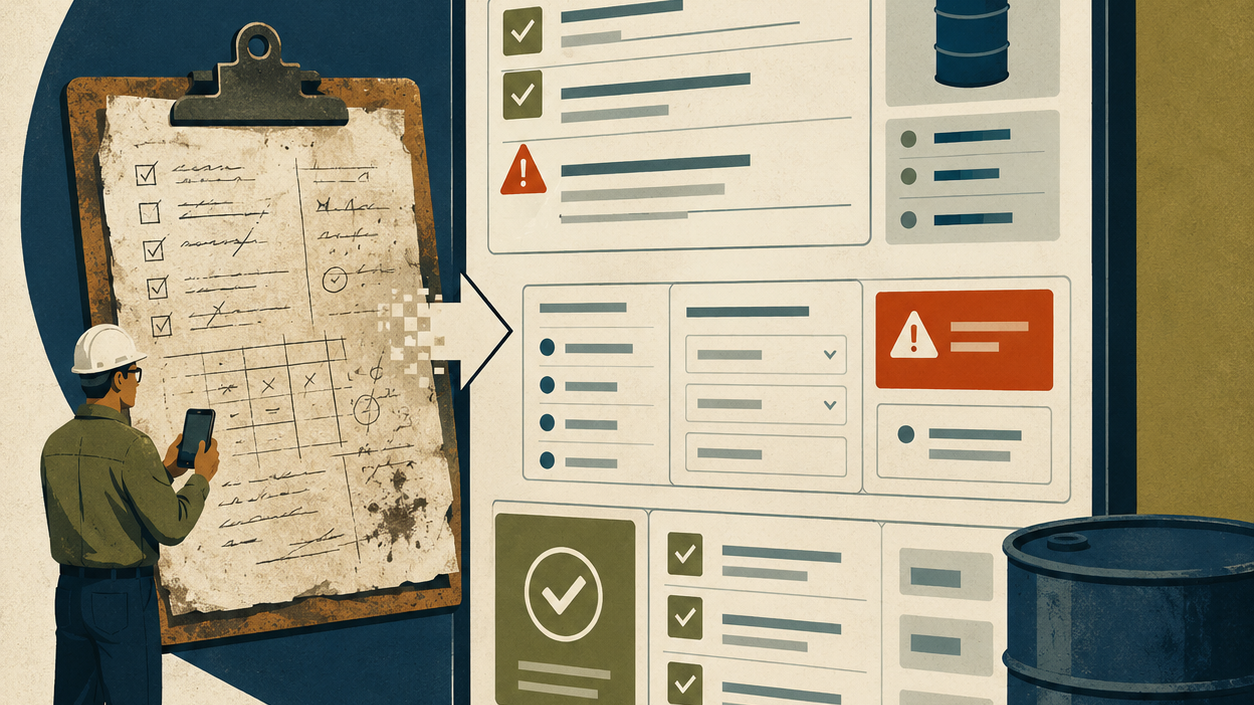
The EPA is forcing hazardous-waste manifests off paper. Eight years in, less than 1% have gone electronic. The broker-first compliance tool that fixes field capture before the sunset deadline is still wide open.


