


Amazon's pitch was the future of shopping. Walk in, grab your groceries, walk out, and the cameras handle the rest. No cashier, no line. They called it Just Walk Out, and it felt like magic.
In 2024 we found out where the magic actually lived: roughly a thousand people in India, watching the camera feeds and tagging what shoppers pulled off the shelves. Back in 2022, around 700 of every 1,000 trips got reviewed by a human in Hyderabad. The "AI store" was a very large room of people squinting at video.
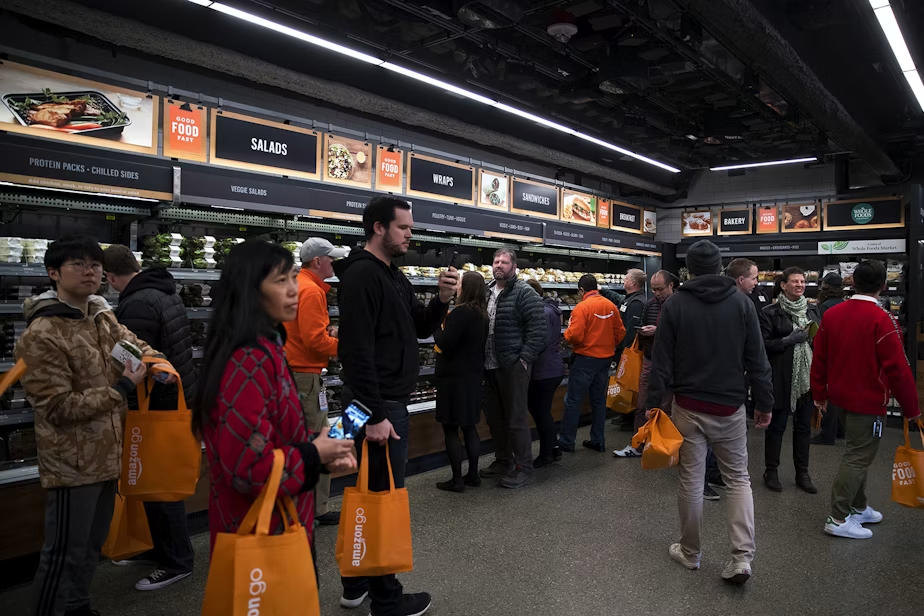
Amazon disputed the framing, then quietly killed the product.
The part worth sitting with: the hard problem for a computer was never the reasoning. It's the physical world. A toddler grabs the right banana without thinking. A billion-dollar vision system needed a guy in Hyderabad to make sure.
The messy physical world is the thing you can't algorithm your way around. Robots still fumble a wrench in a cramped cabinet, and the footage that would teach them doesn't exist online. Nobody ever strapped a camera to a plumber and labeled every grip and hesitation.
So somebody has to go make it. Call it Dataset Scouts: a casting-agency-meets-film-crew that recruits real tradespeople, mounts a camera on them, and captures rights-clean, first-person video of actual repair work for robotics and AI teams. The paperwork — signed releases, clean training rights — is half the product.
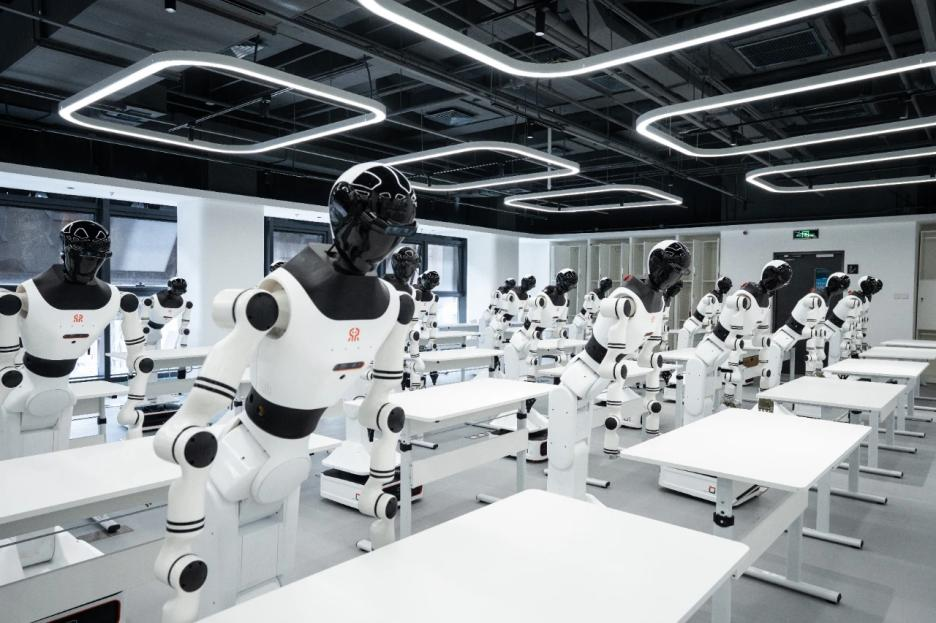
Pilots run $7,500 to $25,000. A proven bench scales to dataset licenses at $25K to $100K and ongoing programs at $5K to $20K a month. One reliable plumber becomes a whole library.
Read the full playbook here:
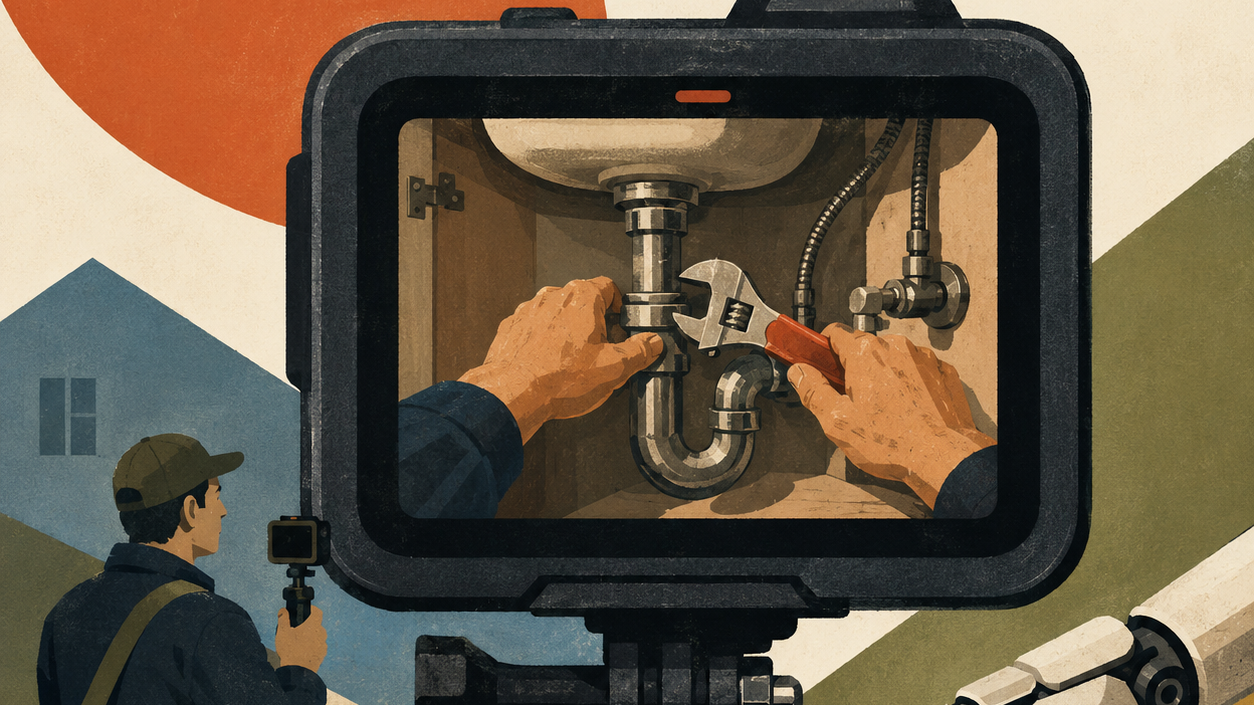
AI labs are paying real money for physical-world footage that can't be scraped. A specialist bureau producing rights-clean tradesperson POV video for robotics teams is a defensible, service-first business with a clear path to licensed datasets.
From the Vault:
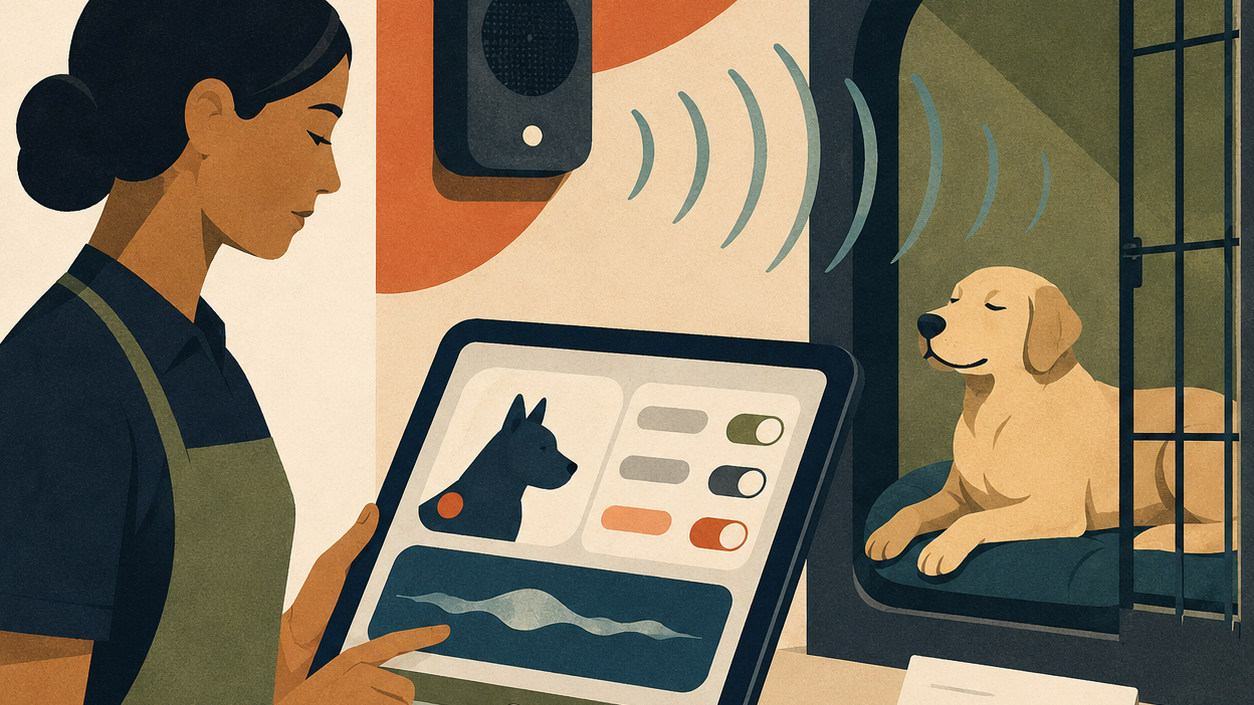
Pet boarding software handles reservations, payments, and report cards — but ignores the room itself. A thin calm-care workflow for dog daycare and boarding facilities could be worth $10K MRR.
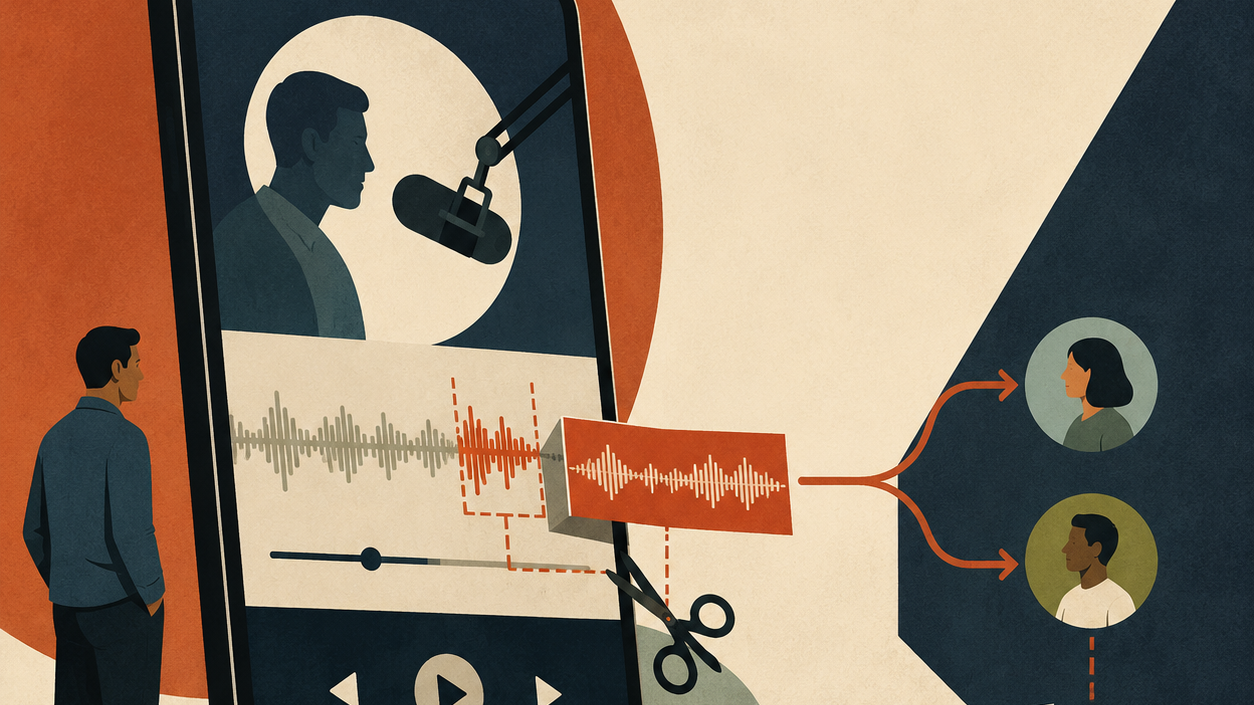
Spotify Podcast Clips turns listener shares into high-intent referral signals. No one is tracking which specific moments inside a show drive signups, booked calls, or purchases — yet.


