


In June 2019, a guy named Matty Roberts made a Facebook event as a joke: "Storm Area 51, They Can't Stop All of Us." Two million people clicked going.
Small problem. The target sat outside Rachel, Nevada, population roughly 50. The county had 184 hotel rooms, two gas stations, and one hospital, and was now staring down 40,000 alien hunters. It declared a state of emergency.
The festival, "Alienstock," was running off a Facebook page and a prayer. Ten days out, Roberts looked at what it actually takes to stage a festival in open desert, called it a potential "Fyre Festival 2.0," bailed, and moved his own version to downtown Las Vegas, where it drew 10,000 and went off fine. The woman left running the original in the desert ate over $100,000 in costs and years in court.

About 3,000 made the drive. The legend did its job. Everything underneath it didn't: the water, the toilets, the money, the plan.
Every town with a legend keeps tripping over the same thing. The myth is the easy part. The operations are where it dies. And there's a whole circuit of these places turning folklore into real money now. Point Pleasant, West Virginia's Mothman Festival pulled 32,000 last year, six times the town's population. Bigfoot festivals, UFO fairs, frogman weekends. Almost all of it runs on the same duct tape that sank Alienstock: Google Forms for vendors, PayPal links for tickets, a JPEG for a schedule, and a volunteer who's gone next year.
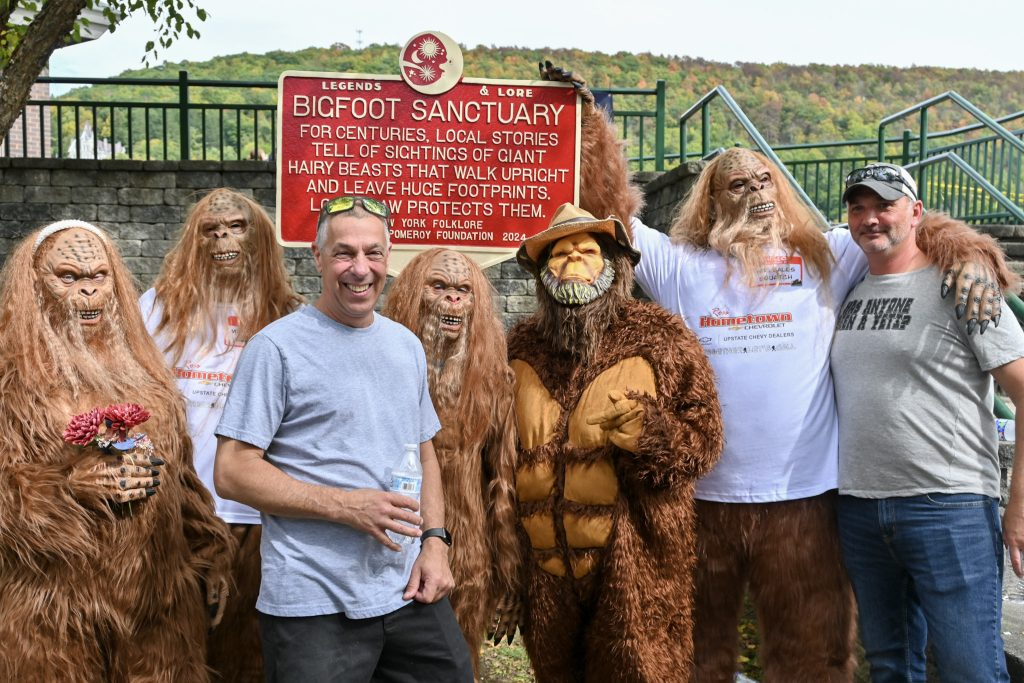
Today's idea is the back office for Bigfoot. A vertical operating stack for cryptid and folklore festivals: ticketing, vendor portals, sponsor packages, QR check-in, plus done-for-you setup for organizers who aren't software people. Think micro-agency over light software, priced as setup fees plus commission. A solo operator can clear $100K–$200K a year running the boring infrastructure behind the weird.
Read the full playbook here:

Small towns are monetizing local legends — Mothman, Bigfoot, UFOs — into weekend tourism events. The operating infrastructure is a mess of PDFs and PayPal links. Nobody's building for them yet.
From the Vault:

CMS launches the ACCESS Model in July 2026, opening recurring Medicare payments for chronic care — but only if organizations can prove outcomes at the billing level. Most can't.

Bambu Lab controls 37% of the desktop 3D printer market — and just issued a cease-and-desist over tools that let owners skip its cloud. The opening is one plug-in box away.


