


In 1958, a 40-year-old textbook salesman from Lincoln, Nebraska named Cliff Hillegass took a sales trip to Toronto and met a publisher named Jack Cole, who ran a small Canadian outfit selling student study guides for high school literature classes. Hillegass bought the U.S. rights for a few thousand dollars, set up shop in his basement at 511 Eastridge Drive with sixteen Shakespeare titles and his wife Catherine, and printed the first run.
Year one moved 58,000 copies. By the 1990s the company had shipped more than 150 million of those yellow-and-black booklets, and Houghton Mifflin eventually bought the brand in 2012. Hillegass himself never wrote a single guide in his life — he paid graduate students to do the comprehension work and sold the result for the price of a sandwich.

What people were buying was the interpretation. They already had the books on their desks, they just couldn't read them in the time available, and they were happy to pay actual money for someone else to chew the material down for them.
That's the same business hiding inside today's featured idea, except the document people can't read is their own bloodwork PDF. Quest, Labcorp, and the major U.S. lab networks already process billions of dollars of tests every year, and the U.S. blood testing market sits at $35.9 billion in 2024 on its way to $71.4 billion by 2033. The result is millions of confusing PDFs landing in inboxes every week. A Johnson & Johnson survey found that 48% of Americans couldn't recall their own cholesterol number after getting their results back, and almost nobody is selling directly into that comprehension gap.
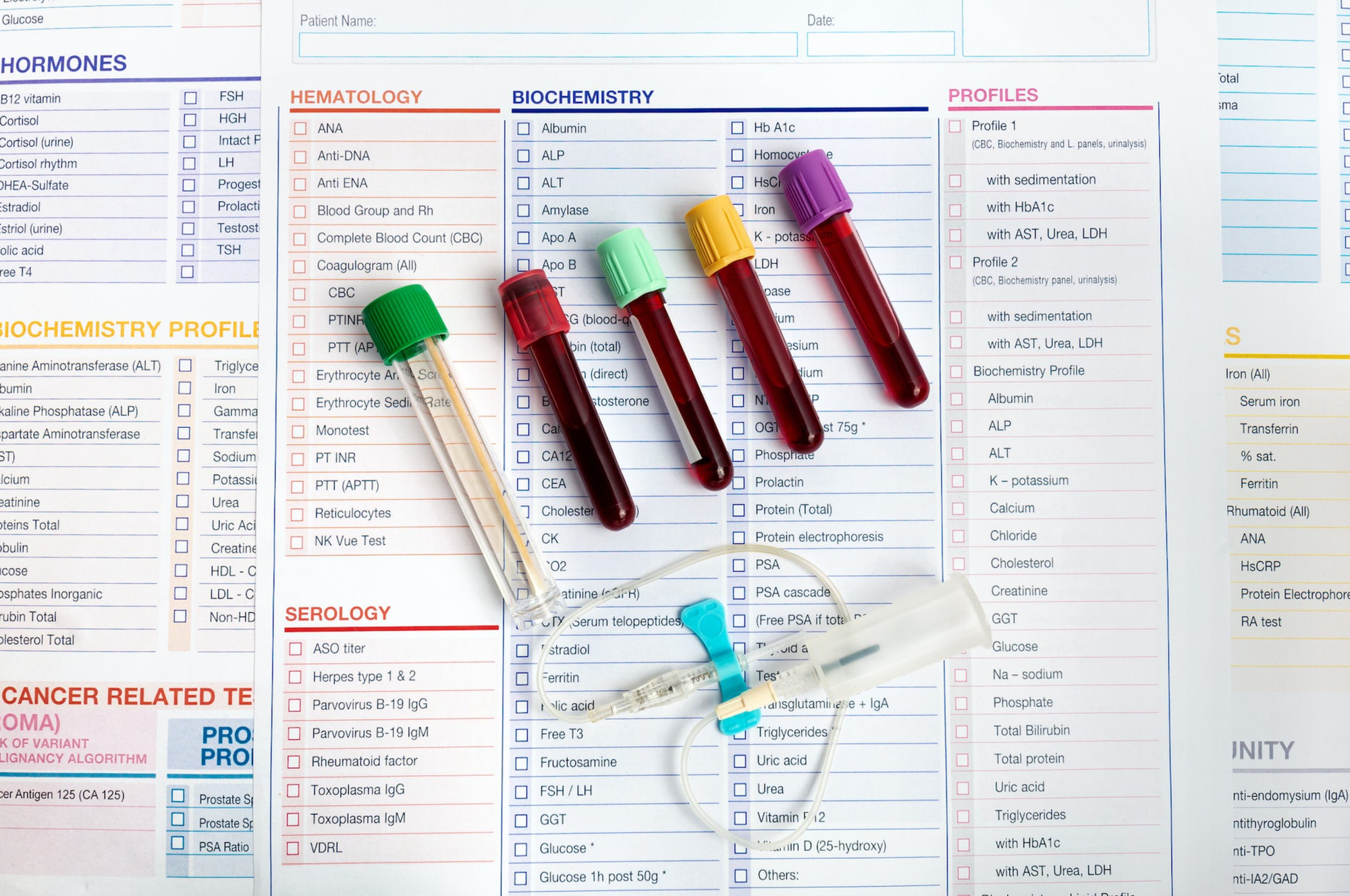
The wedge is a $29 plain-English bloodwork report. Upload a Quest or Labcorp PDF and get back a structured document with an executive summary, out-of-range markers explained in cited plain English, lifestyle levers, a "questions for your doctor" appendix, and a bright red escalation page for any critical values.
It doesn't sell a lab draw, a membership, or a clinical replacement, just the explainer for the PDF you already have. Function ($365/year), Superpower ($199), and Quest's own free Gemini-powered Companion all bundle interpretation into their own testing product or portal, which leaves the lab-agnostic downstream wide open. 500 reports a month is roughly $14.5K MRR, and 1,000 puts you at $29K MRR or $348K annualized, run by two people on tight SEO and Reddit ads.
Read the full playbook here:
Quest and Labcorp already run billions in lab work. The gap isn't more testing — it's a $29 plain-English report for the PDF sitting in someone's inbox.
From the Vault:
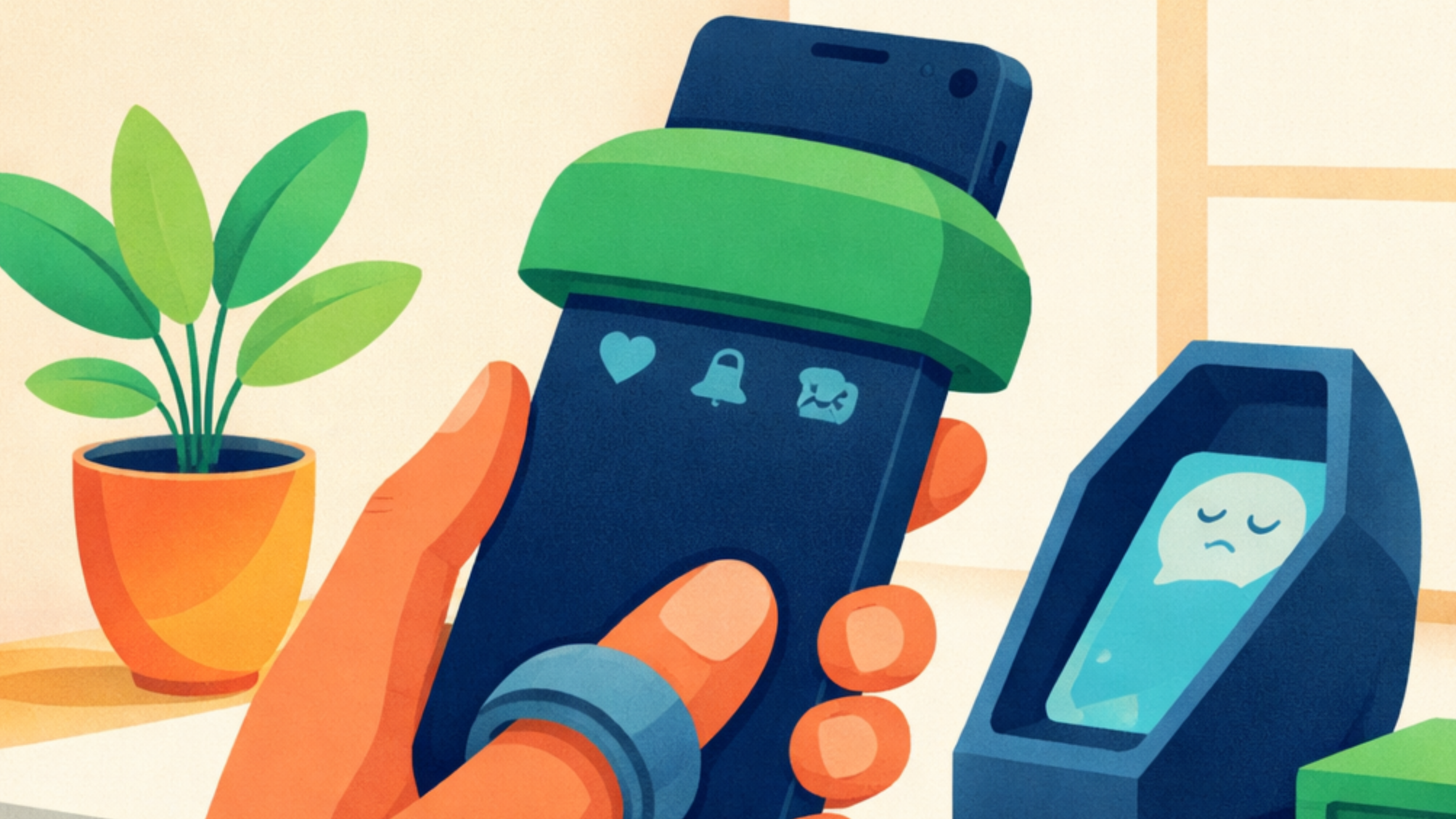
Yahoo's April Fools thumb ring sold out on TikTok Shop. The joke validated a real category: cheap, absurd physical anti-scroll gadgets priced for impulse at $6-$25.

Austin bounces 85% of ADU permit applications for fixable reasons. PermitFlow and Archistar serve the city side. The builder-facing, drawing-level QA gap is still open.


