


Naama Alon was finishing her senior thesis at Shenkar College in Tel Aviv when she got engaged. Wedding in three months. She figured it would be fun.
The photographer wanted cash for the deposit, so she ran to the ATM. The florist used a different invoice format. The caterer mailed a paper contract. By month two she had fifteen vendors, fifteen Excel rows, and a stack of paper checks she was writing out by hand.
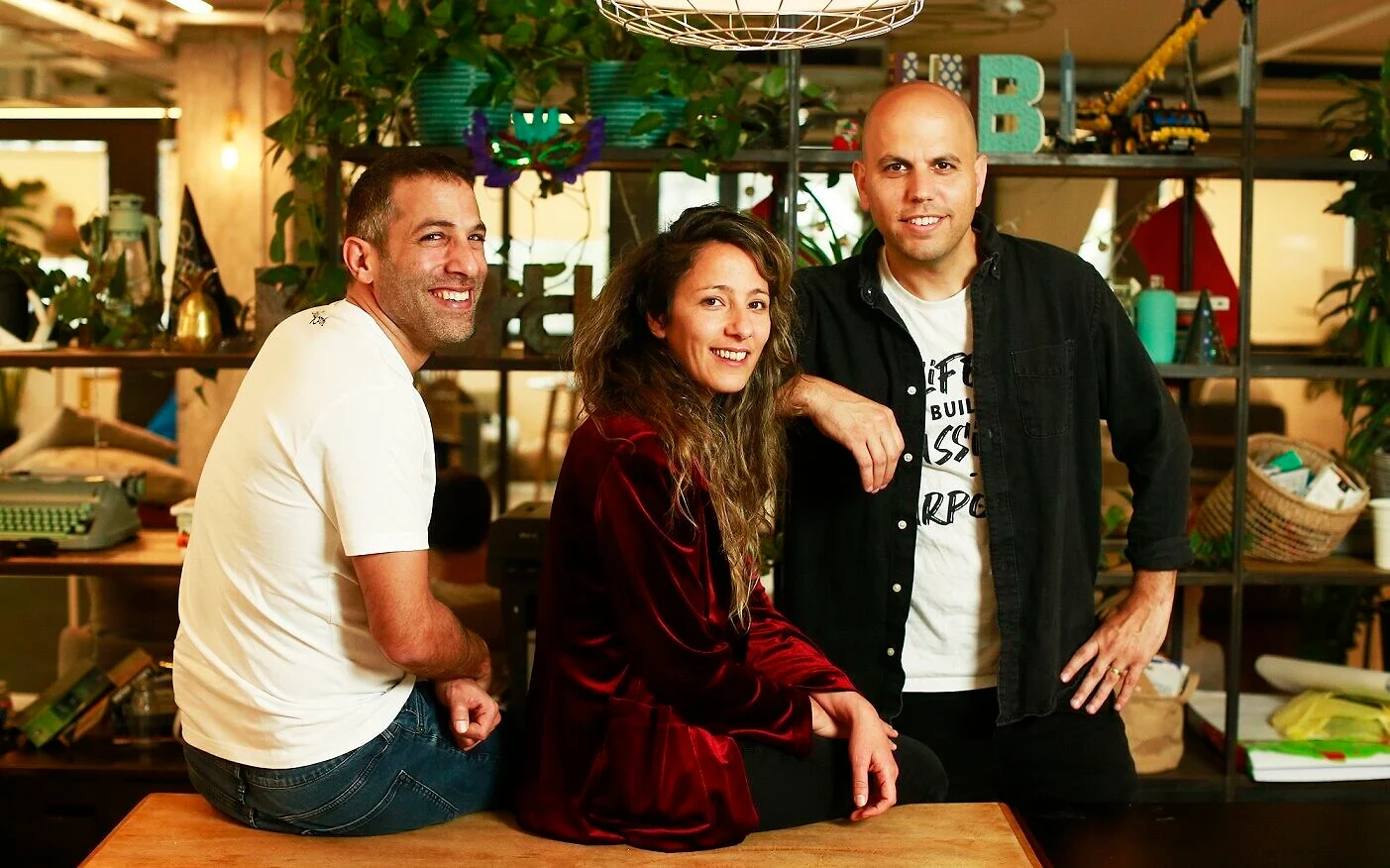
Her fiancé Oz ran a bar in Tel Aviv called Backy Bar, and one of the regulars was a software engineer named Dror. A few months after the wedding, the three of them started HoneyBook in 2013 and built the back-office software the bride had needed. Today it's a billion-dollar company.
The spreadsheet just changed costumes.
Reading retreats are now a $749-to-$3,000-per-ticket business. BookTok hosts, writing coaches, knitting circles, sober-curious wellness weekends — all of them working off the same fourteen-tab nightmare, panicking the week before guests arrive about rooming charts and unsigned waivers.

Today's idea is the retreat-host equivalent of HoneyBook. A guest-ops micro-SaaS that eats the spreadsheet whole: intake, rooming, dietary, waivers, exports. Run the math: 300 hosts at $99 a month is roughly $30K MRR, plus $499 concierge onboarding for the hosts who'd rather pay than learn the software. The demand signal is loud. Silent Book Club already runs 2,000 chapters across 60+ countries. Vrbo says 91% of travelers want vacations built around reading and rest. The audience exists, and the host already knows she needs the software — she just doesn't know it has a name yet.
Read the full playbook here:
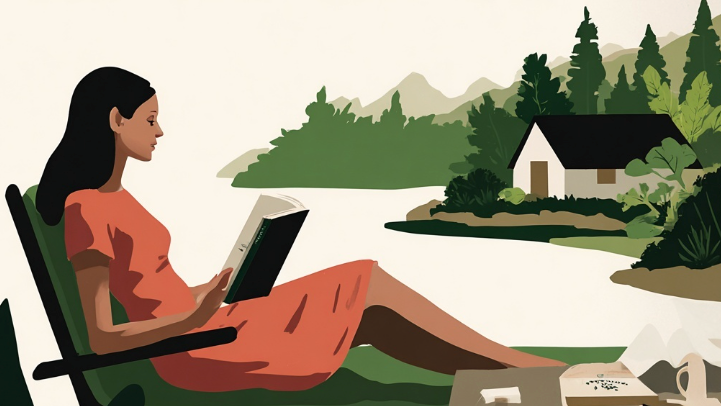
Reading retreats are a $749–$3,000-per-ticket business with no dedicated back-office software. Rooming, dietary tracking, waivers, and guest logistics still run on seven-tab spreadsheets.
From the Vault:
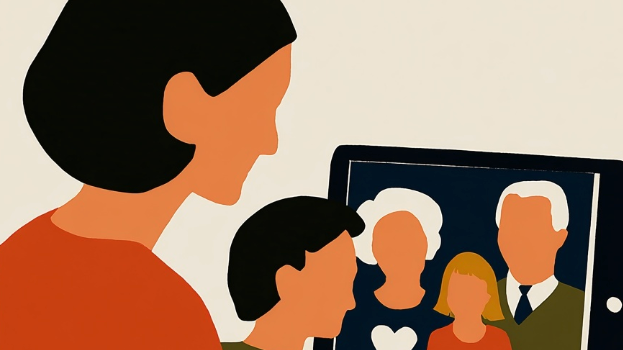
The oldest boomers crossed eighty in January 2026. Ninety percent own smartphones. Most apps still ignore them — and the 59 million adult children managing their lives.

Regional med-spas, gyms, and salons have their best creators on staff and on the clock. No one has built the program to activate them.


