


In February 2008, Polaroid called it. The film factories were shutting down, sixty years of instant photography over, the last batch shipping that fall.
Eight months later a group of ex-Polaroid engineers and a few investors walked into the dying plant in Enschede and wrote a check for $3.1 million. They got the machines. They did not get the patents.
So they started over. The chemistry was gone — formulas, suppliers, IP, all of it. Two years of reverse-engineering instant film from a blank page. Wrong colors, failed batches, prints that faded by morning. They shipped the first roll in 2010. It was bad. People bought it anyway.
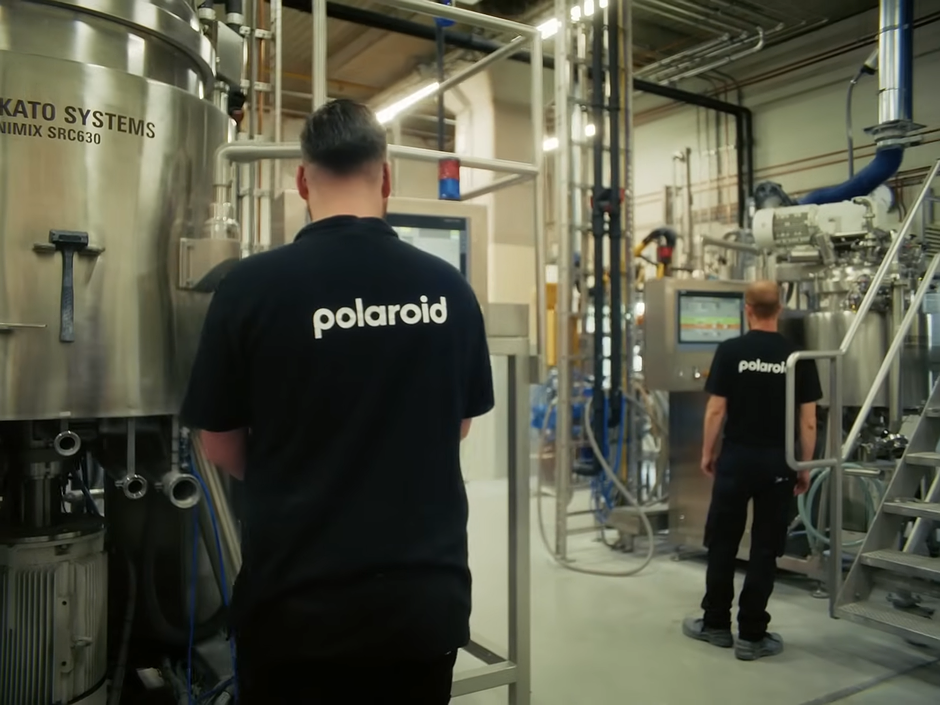
By 2017 they had bought the Polaroid name back and rebranded as Polaroid Originals. The thing left for dead now sells more film cameras than the original Polaroid did in its last profitable decade. The brand died. The customer didn't.
That pattern is everywhere in analog photography right now. Kodak more than doubled 35mm production between 2015 and 2019. Fujifilm's Instax just crossed $1 billion in revenue. #analogphotography on TikTok has 333 million views. r/analog has 2.5 million members.
And then the roll has to go somewhere. A few hundred indie film labs sit at the end of that pipeline, most of them running on paper envelopes, Instagram DMs, Dropbox links, and the occasional "hey, any update on my scans?" email. Customers shoot in 2026. The lab is still on a clipboard.
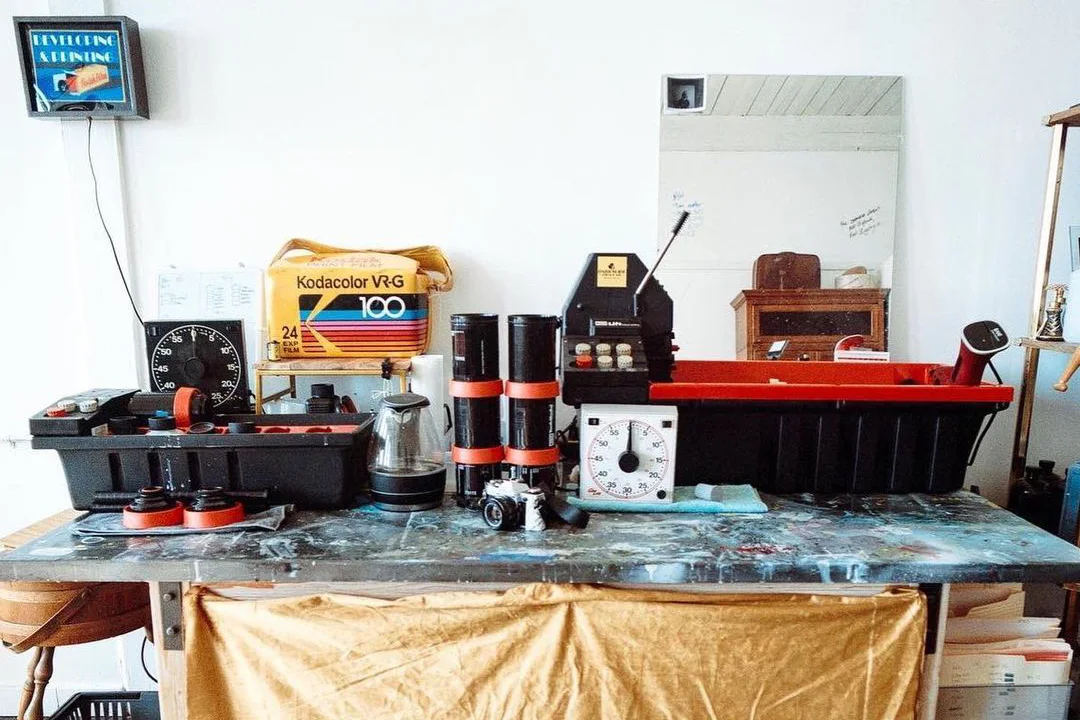
That's the opening. A vertical SaaS for film labs: online order intake, QR-coded roll tracking, scan delivery, embedded payments. 100 labs at $200-$350/month puts one founder in the $240K-$420K ARR range. Toast already ran this play at much bigger scale — 81% of their revenue today is payments, not software. Sell shovels to the analog gold rush.
Read the full playbook here:
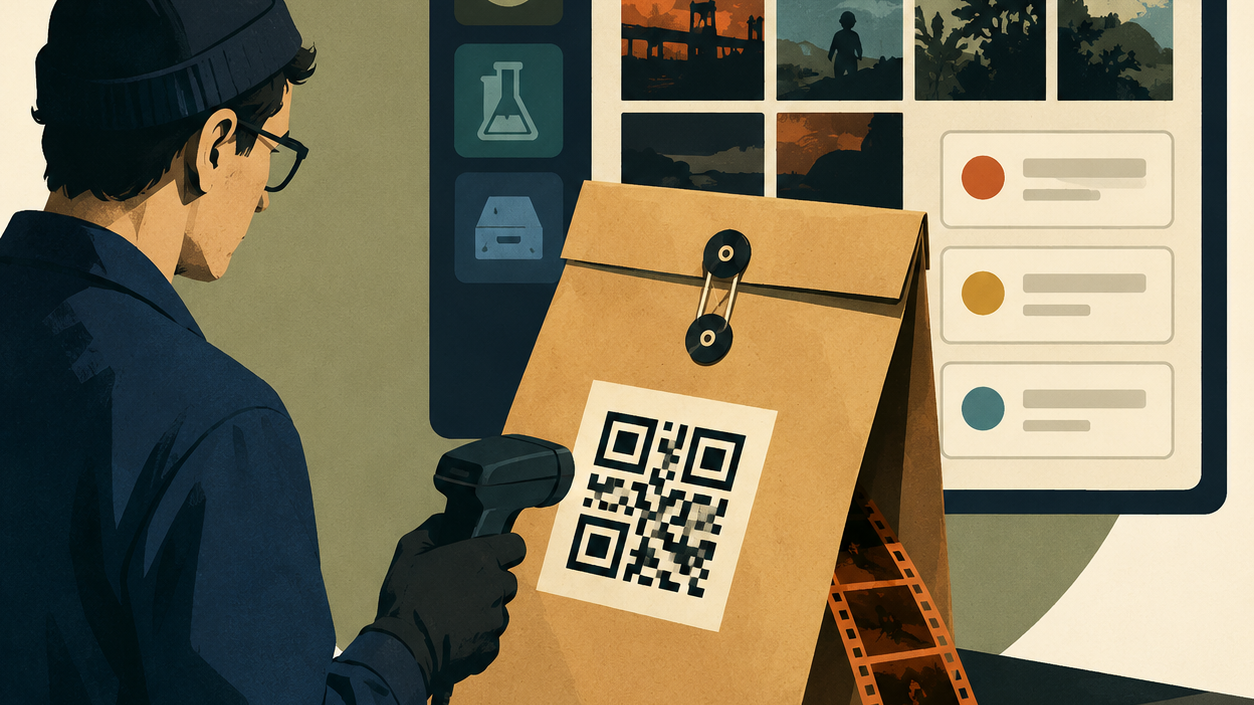
Film processing labs run on paper forms, Instagram DMs, and spreadsheets. One founder can fix that with a vertical SaaS stack — and own the payment layer too.
From the Vault:
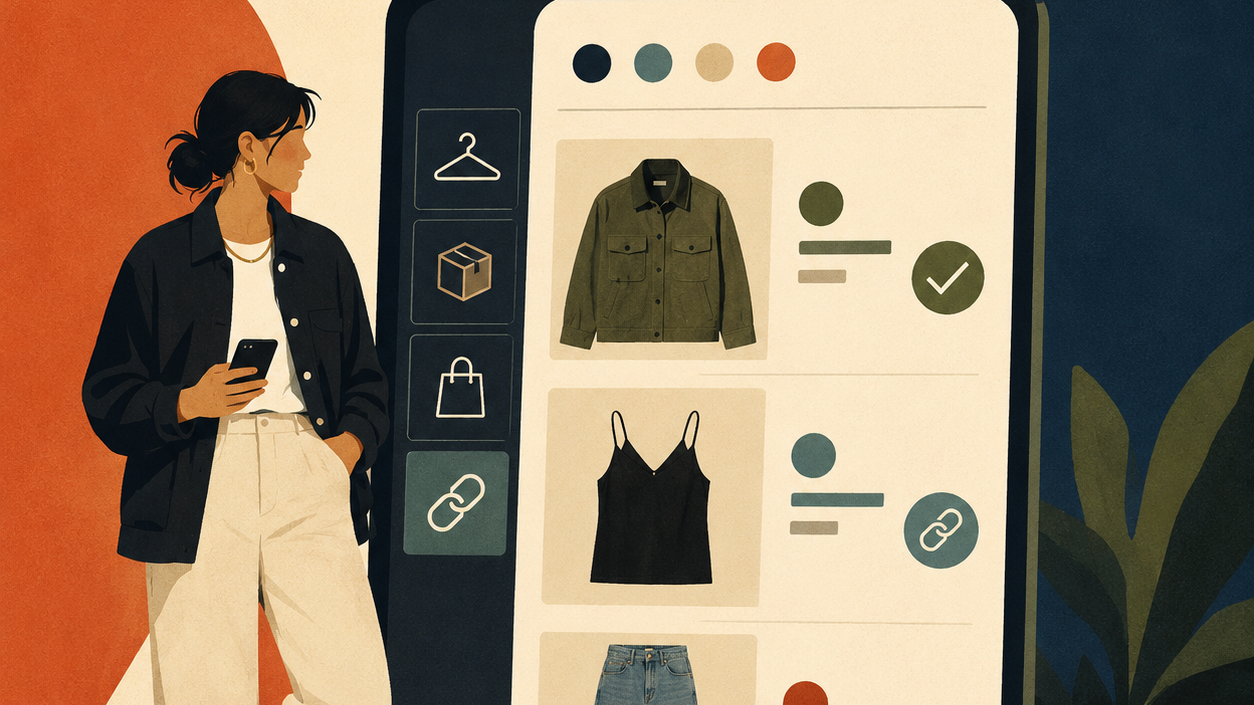
The U.S. secondhand market hits $78.8B by 2030. Thousands of Gen Z sellers run real businesses out of consumer apps — and the back office doesn't exist yet.
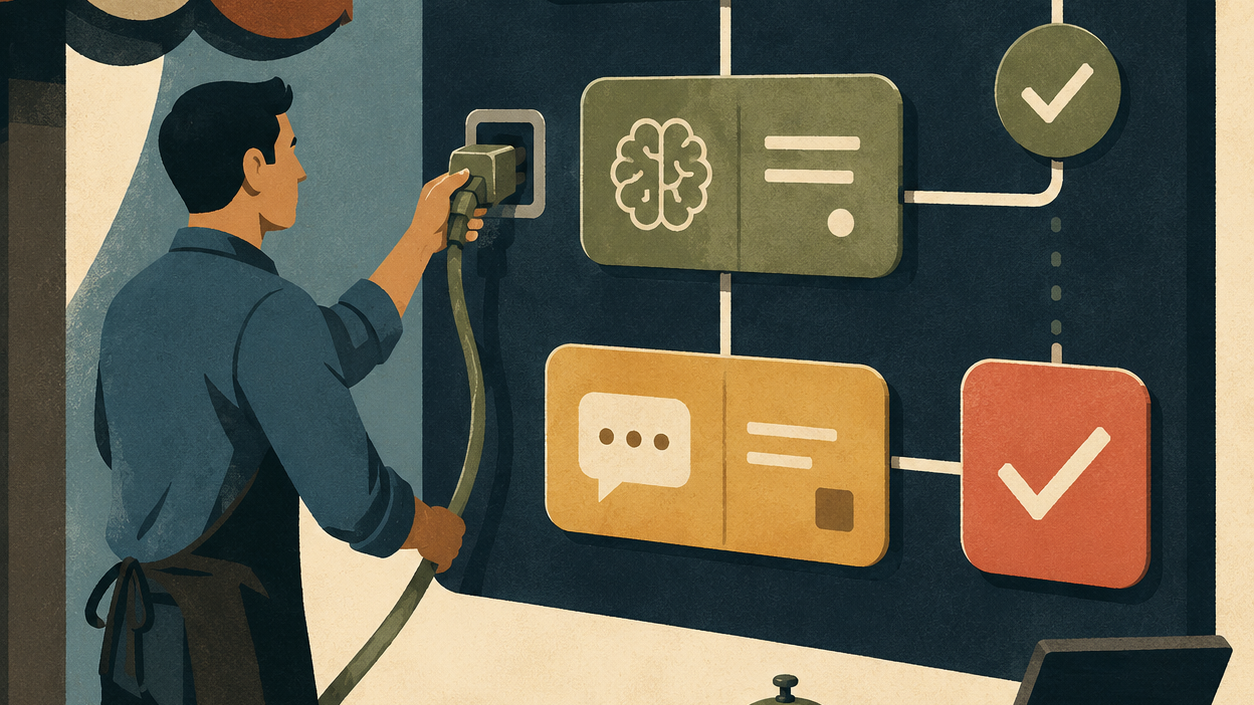
Anthropic just trained Main Street to expect AI workflows. Someone still has to install them. The wedge is vertical onboarding-as-a-service for one SMB category — med spas, HVAC, or boutique services.


