


In 1965, a Japanese clock company called Yamasa had a pedometer to sell. The Tokyo Olympics had just lit a national fitness craze, and Yamasa needed a number for the little device, something round and memorable. They landed on 10,000, partly because the kanji for it, 万, looks like a little person mid-stride. The product shipped as Manpo-kei: the 10,000-steps meter.
There was no research behind the number. None. It was a slogan with legs.
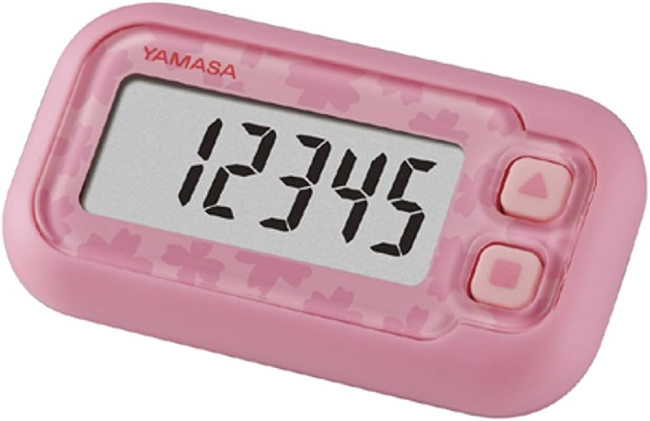
Sixty years later, that slogan is the most famous health metric on the planet. Your watch buzzes at it. Your insurance app rewards it. And when researchers finally got around to testing it, the benefits leveled off well before 10,000, which changed nothing. The science lost to the packaging.
A health number spreads when it's easy to say out loud. Accuracy is optional.
Every morning, 5.5 million Oura ring owners wake up to numbers begging to be shared — Sleep: 82, Readiness: 76 — and the best publishing tool they have is a screenshot. Spotify Wrapped already proved what happens when personal data gets real design: 500 million shares in the first 24 hours last year. Nobody has built that layer for recovery data.
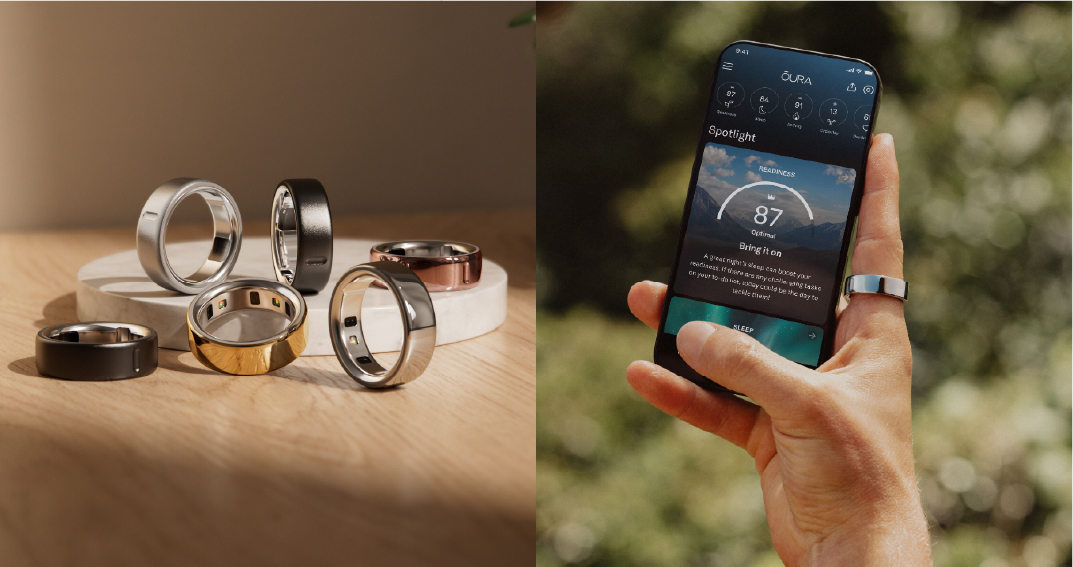
Today's featured idea is the gap: a one-tap tool that turns wearable sleep data into designed, social-ready recovery cards. A Sunday Sleep Receipt people post without opening Canva. Start with manual entry, no API, no accounts, and find out in days whether people actually post the output. At $39 a year, 2,500 subscribers is $97,500, and every card that gets shared is the ad.
Read the full playbook here:
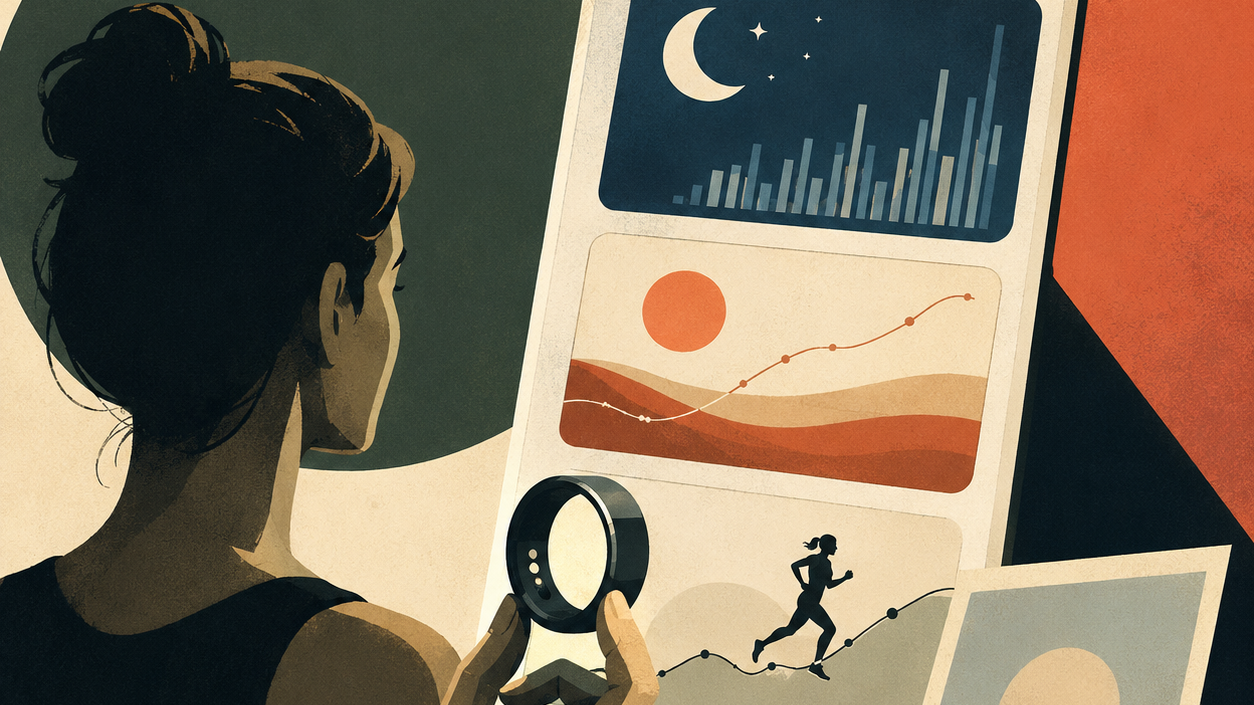
Oura's 5.5 million ring owners wake up to a sleep score and no way to post it well. A design-led publishing layer at $39 a year fills that gap first.
From the Vault:
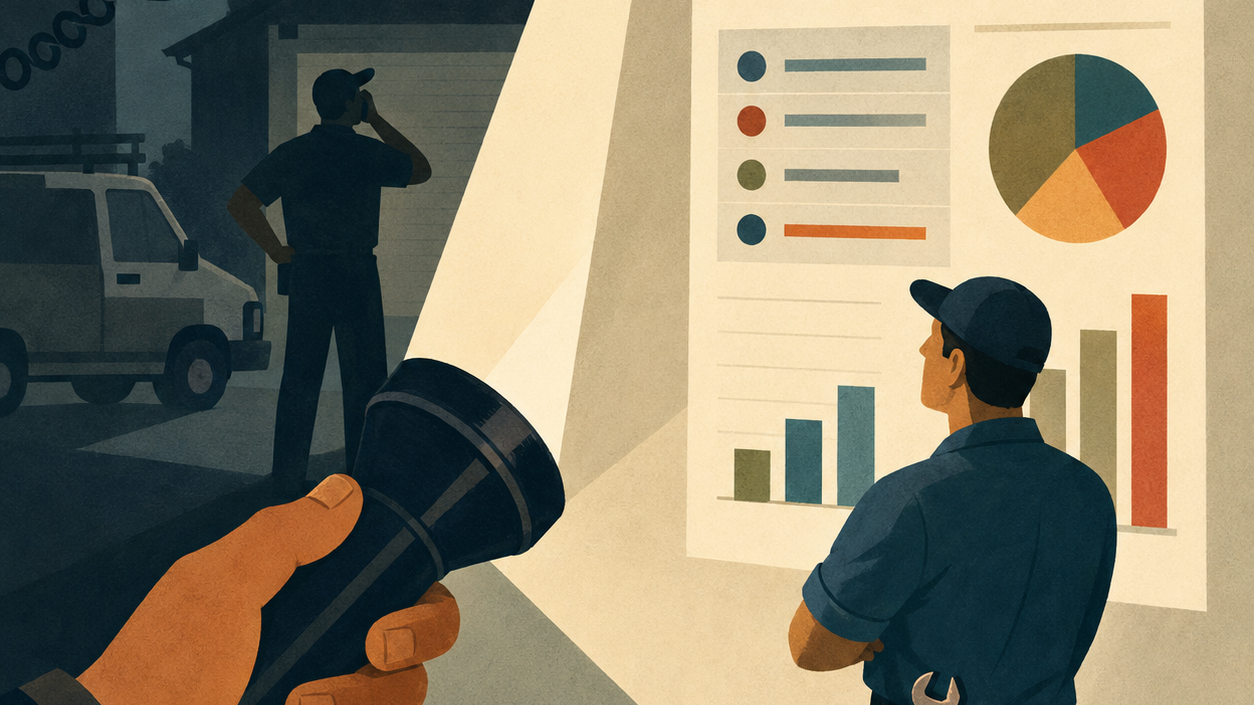
A fixed-price shadow audit shows HVAC and plumbing owners the after-hours calls they already lost, turning AI skeptics into paying customers before any robot touches the phone.
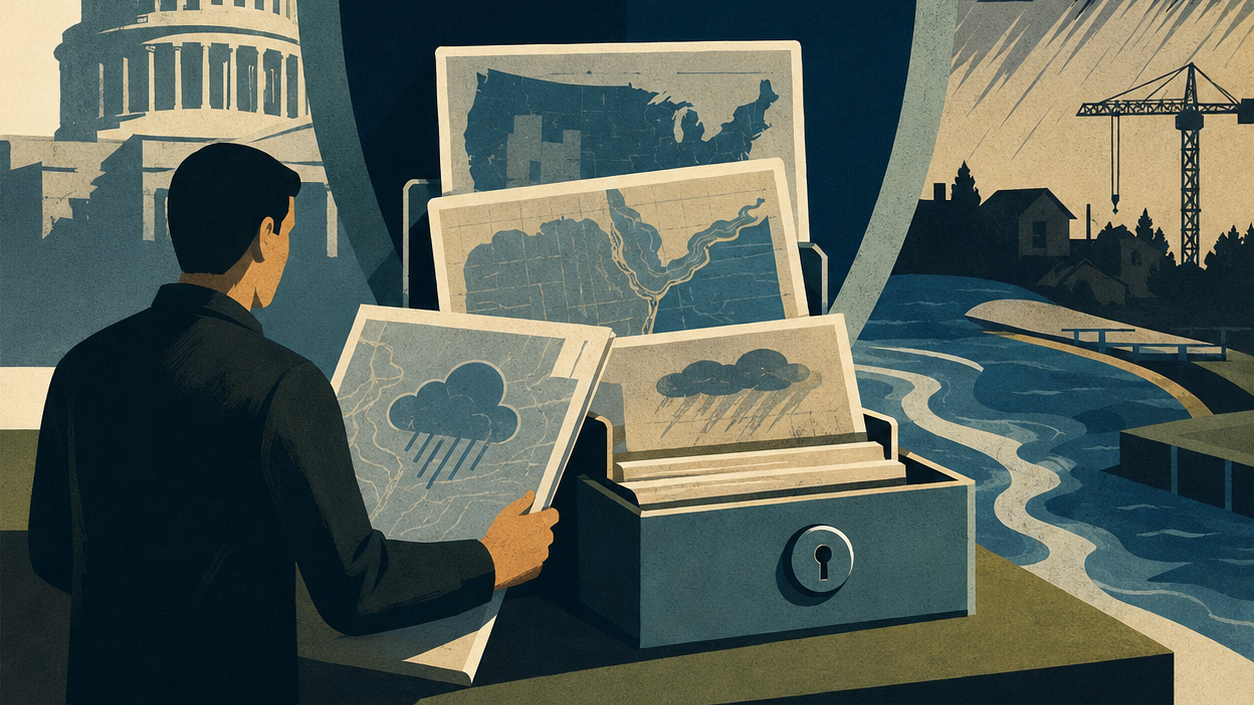
Federal datasets don't vanish, they go unreachable, and NOAA Atlas 15's 2027 rollout will force every sealed flood design to prove what the government said at the time.


