


There's a two-story building at 1209 North Orange Street in Wilmington, Delaware. Split-level, unremarkable, the kind of place you'd guess holds a dentist upstairs and an insurance broker down the hall.
As of 2012, at least 285,000 companies called it home. Apple. Coca-Cola. Walmart. General Motors. American Airlines.
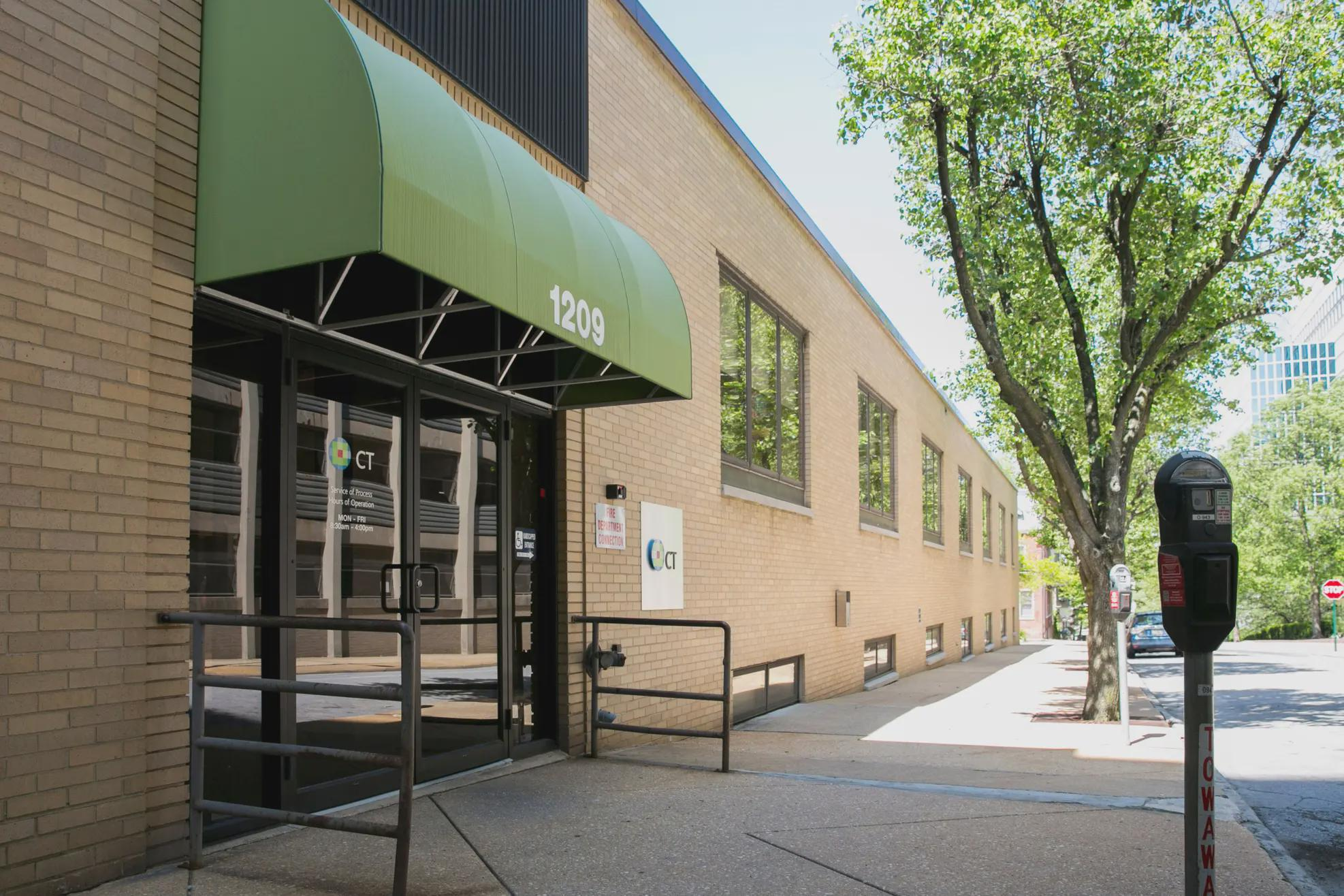
Nobody works there in the sense you're imagining. State law says every company incorporated in Delaware has to keep an address inside Delaware where a human can physically hand it a lawsuit. Your business runs out of Cupertino? Somebody in Wilmington still takes the envelope. That's the whole service.
The building is run by CT Corporation, which has been taking envelopes since 1892. It outlasted the railroads, the Depression, the conglomerate era, and the internet selling one boring thing: a legally acceptable place to receive mail. Still the largest registered agent in the country.
The USPTO just wrote a rule with the same shape. On July 20, anyone domiciled outside the United States became required to have a registered U.S. patent practitioner sign nearly everything they file, including papers in cases that have been crawling along for years. One foreign party in a mixed applicant group triggers it for the whole application. Some of these mistakes never wash out: an application data sheet signed by the inventor instead of a practitioner gets treated as a transmittal letter, and the priority claim never takes effect.
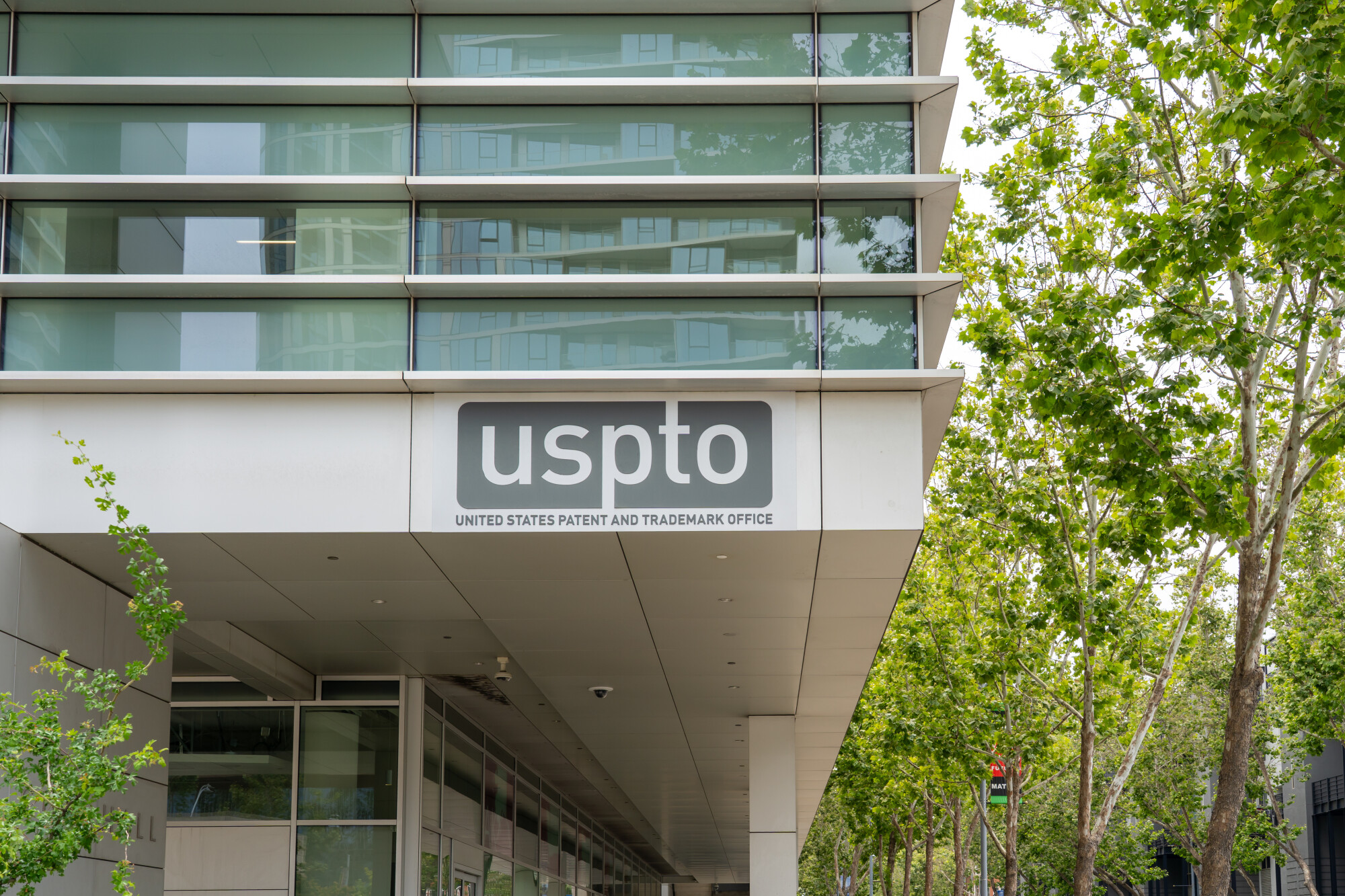
So where do those filers find one of the 53,000 registered practitioners? The USPTO publishes the register, and the same rule bars the Office from helping anyone choose. The register tells you who holds a license. Nothing about who speaks Mandarin, takes micro-entity clients, or will pick up a half-prosecuted application with three weeks on the clock.
Today's idea is the desk in Wilmington: a multilingual intake operation that turns an anxious email from Shenzhen into a matter a practitioner can accept in minutes, sold back to small firms as software. Thirty practitioners at $149 a month plus concierge fees runs about $6,000 MRR. A hundred gets you to $20,000 to $25,000.
Read the full playbook here:
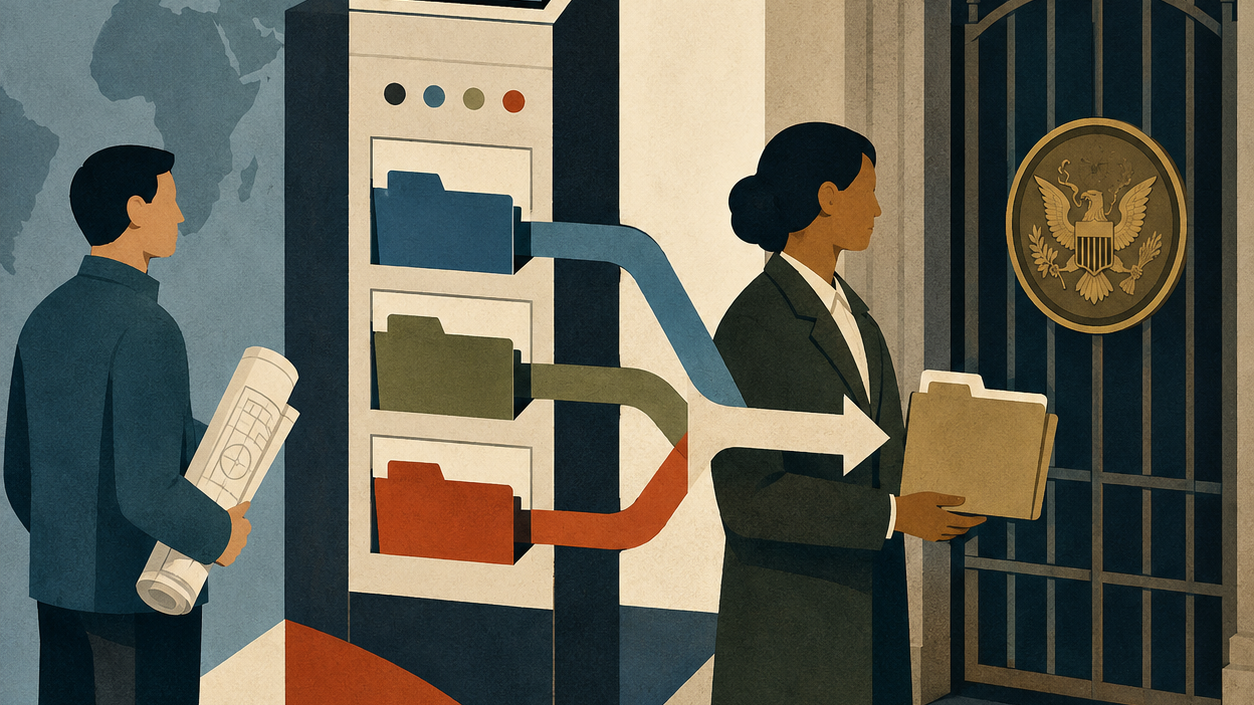
A new USPTO rule forces foreign-domiciled patent filers to hire registered U.S. practitioners. The agency is barred from recommending one, and its 53,000-name register is not a matching layer.
From the Vault:

Expired domain marketplaces price names, not products. Nobody scores whether a dead SaaS is worth rebuilding for its residual demand, and that judgment layer is the business.

TikTok Shop now requires a live human on every shopping stream, and account health scores punish failure. Millions of live hours suddenly need staffing nobody has built.


