


Gary Dahl was in a bar in Los Gatos in 1975, listening to his friends complain about their pets. The shedding, the vet bills. He said the perfect pet would be a rock. Everybody laughed, and then he went home and took the joke seriously.
The rocks were smooth gray stones from a beach in Mexico, about a penny each. The box was a cardboard pet carrier with air holes and a bed of straw. Then he sat down and wrote a 32-page training manual, completely straight-faced, on the care and training of your pet rock. Sit and stay, it turns out, come naturally. Roll over needs a small push.
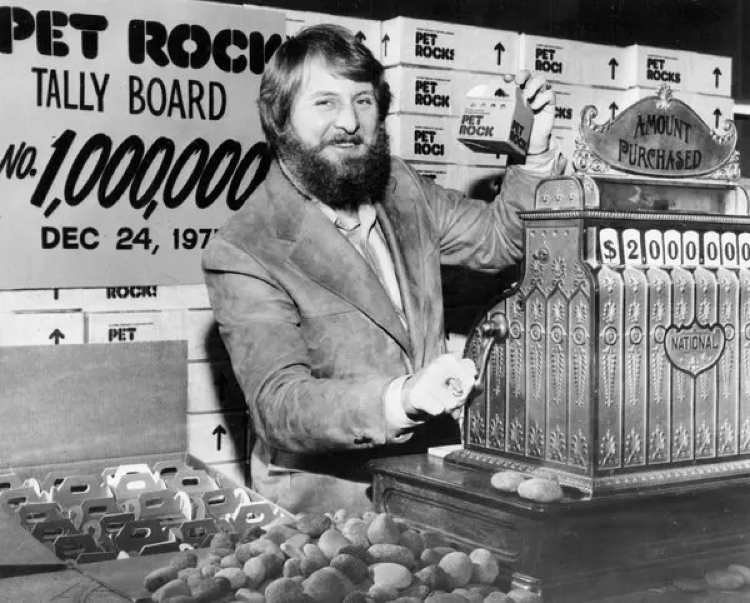
He sold roughly 1.5 million at $3.95 apiece in a few months and was a millionaire before the fad burned out. Nobody was paying for the rock. You can get a rock in a parking lot. They were paying for the manual.
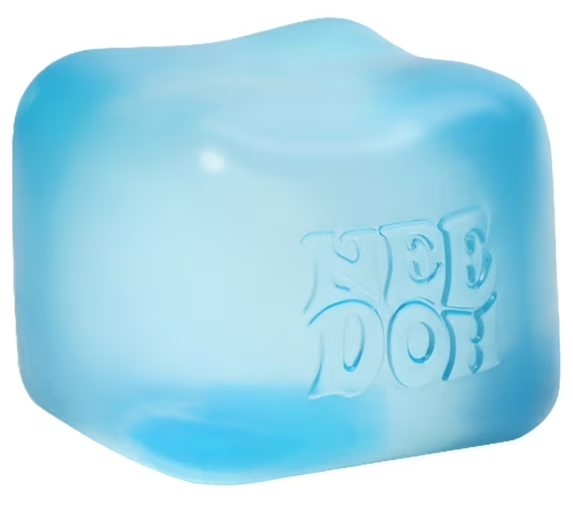
There's a squishy toy doing Pet Rock numbers right now. Schylling sold a full year of NeeDoh inventory in the first nine weeks of 2026, about six times its 2025 pace, and it's still running 8 to 10 weeks behind on retailer shipments while the filling compound cures in Chinese factories. So every instinct says launch a squishy brand, right? That's a knife fight with Temu, TikTok Shop, Amazon aggregators, and fourth-graders flipping inventory at recess.
Today's featured idea sells the manual instead. Schools and pediatric clinics don't need more fidgets. They need a procurement-ready classroom sensory kit: numbered SKUs, a cleaning protocol for every item, replaceable parts, staff guidance, and a prepaid annual refresh that shows up on the original purchase order. About 18,000 districts and 99,300 public schools already buy this stuff one Amazon receipt at a time. The ladder runs $349 a kit at roughly 59% margin, $228 a year to refresh it, $4,900 for a district launch. Thirty districts and fifty clinics puts year one near $120,000 to $170,000. A strong year three runs $1M to $3M.
Selling a cleaning protocol to a school district will never feel cool. Neither did the manual.
Read the full playbook here:

Schylling can't keep NeeDoh in stock, but schools and clinics need something no toy brand sells: documented, procurement-ready sensory kits with cleaning protocols and annual refresh contracts.
From the Vault:
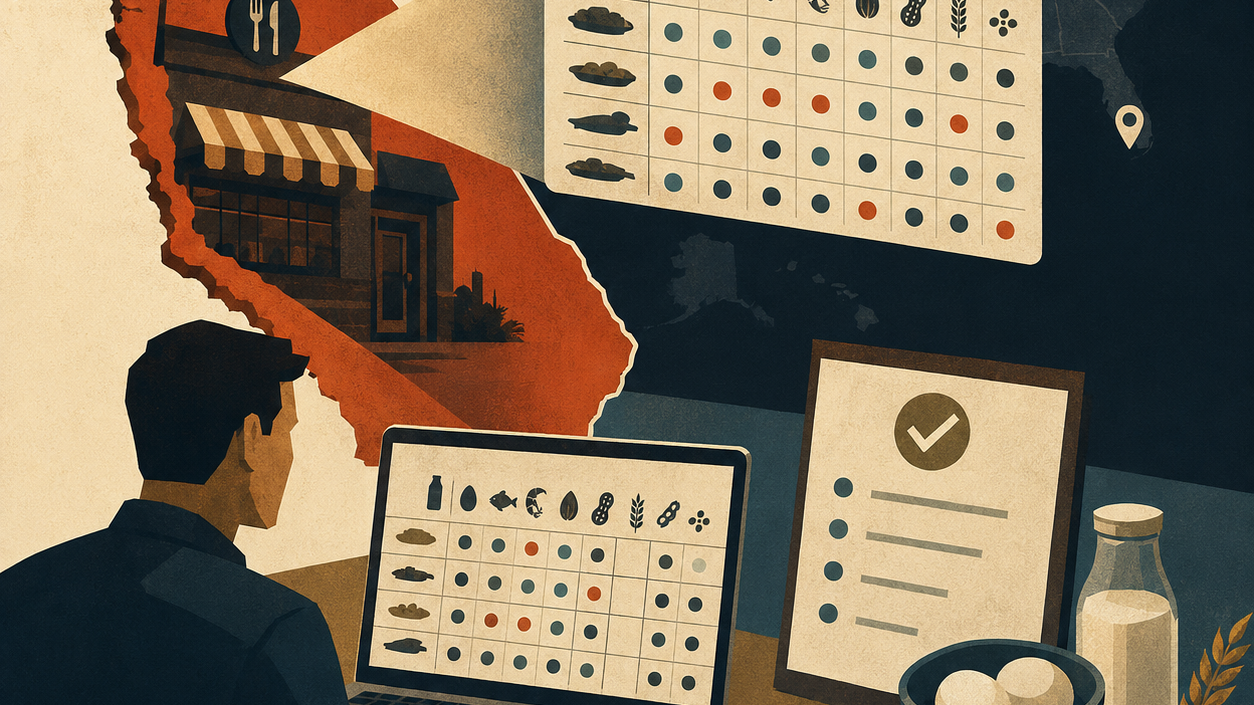
California's SB 68 covers chains with 20+ locations nationwide and one California store, and most have no idea they're on the hook. The compliance play scales to $600K ARR.

Utah's new portability law hands creators their own follower graph for the first time, and the real business is backup, normalization, and cross-platform overlap the platforms never offered.


