


A strange thing happens when an AI trend stops being a tech demo and becomes a mirror.
The latest version: people upload a current photo and a childhood photo, ask ChatGPT or Gemini to compose a cinematic image of their adult self beside their younger self, and post the result. The visual format has stabilized. A child on one side, the adult on the other, sometimes a birthday cake at center marked with the user's current age, often shot like a soft-lit therapy session staged for A24. It's emotional, a little uncanny, and extremely commercial.
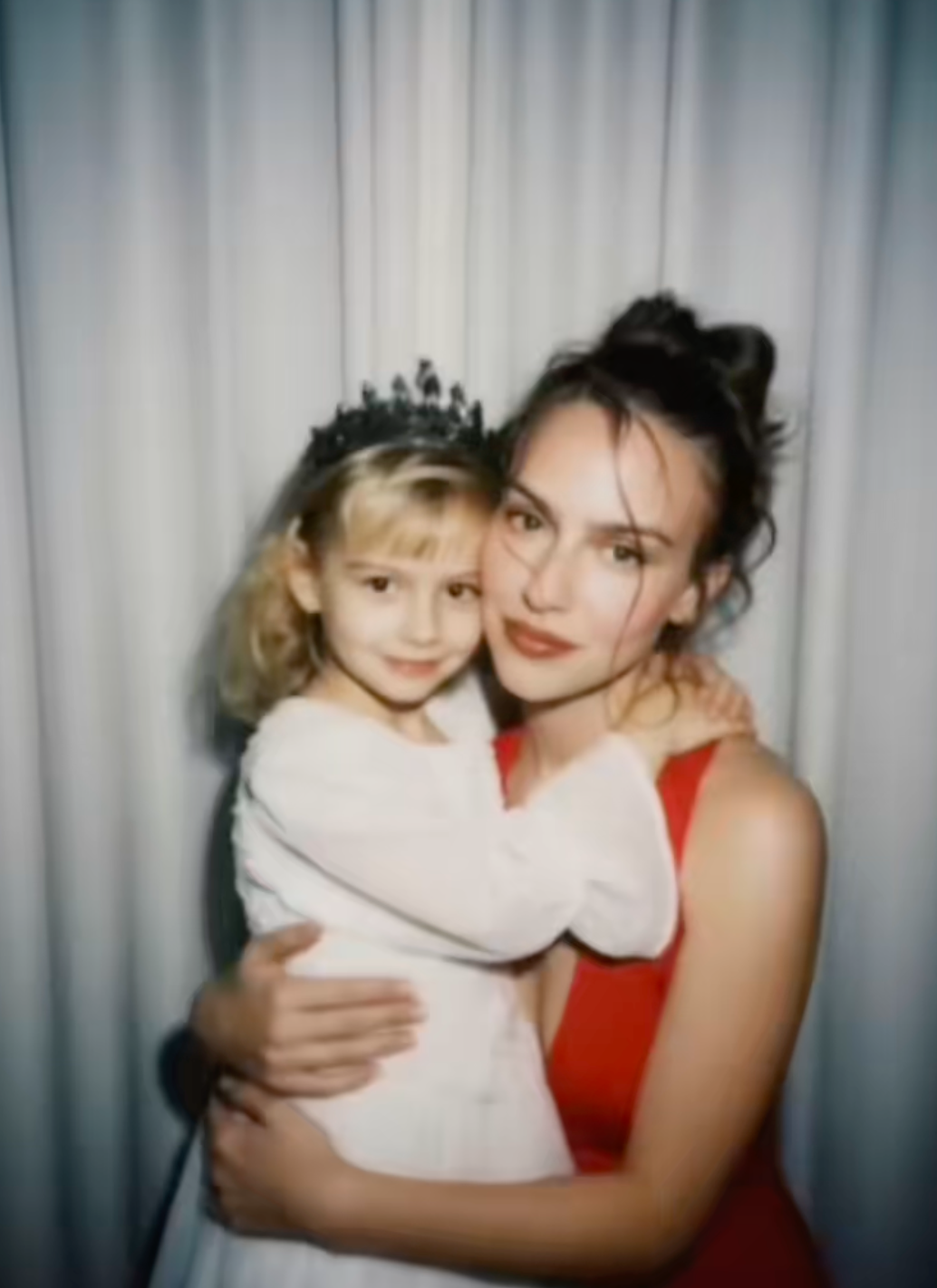
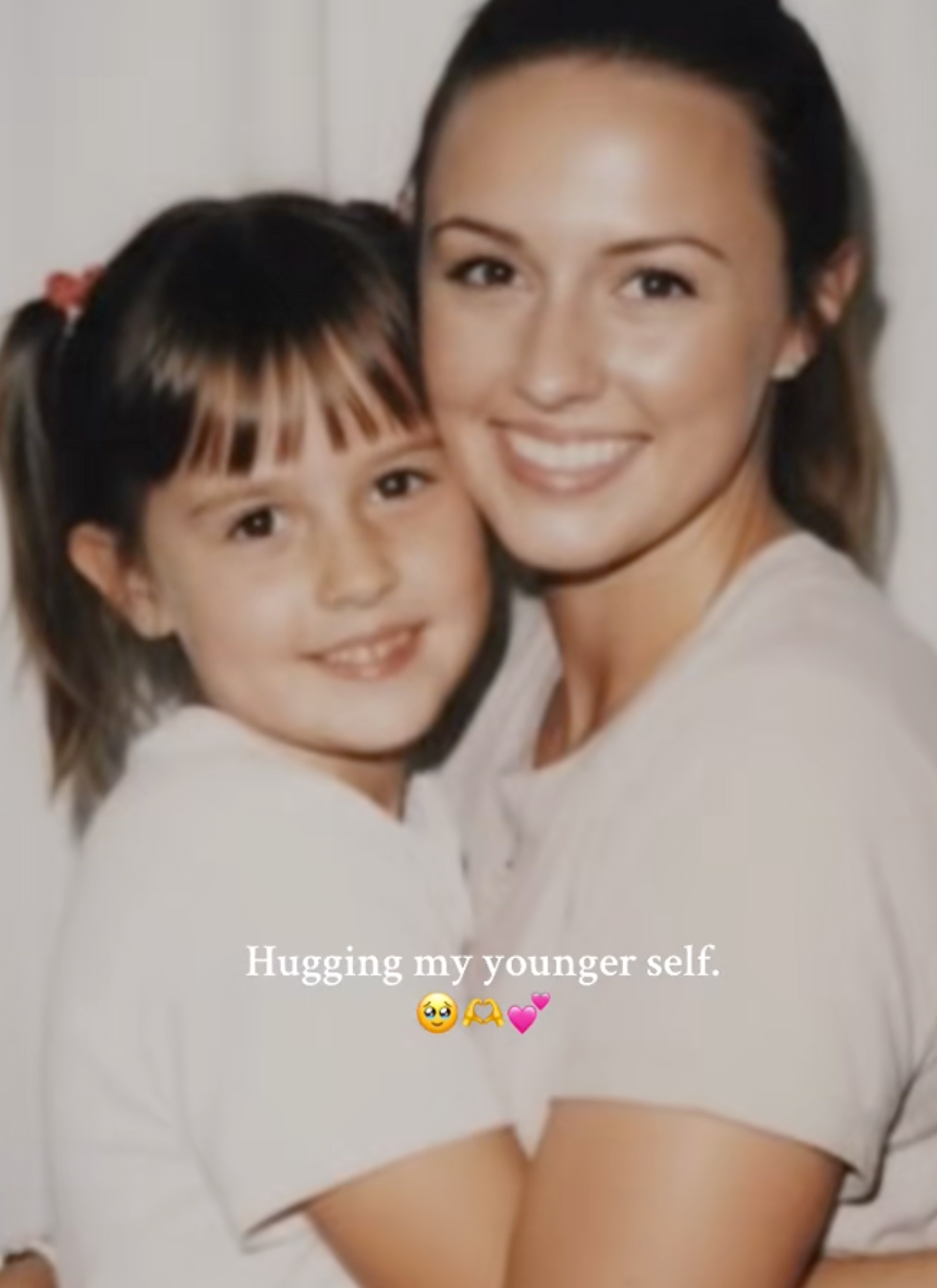

This isn't a venture-scale SaaS company. The clean play is a fast-moving, high-margin micro-business that turns a viral AI behavior into a one-click consumer product, then makes the real money on personalized gifting: framed prints, cards, photo books, and seasonal bundles.
Here's the opportunity:
The money: A solid seasonal push of 300 digital orders at $9.99 plus 45 framed prints at $89 clears roughly $7,000. A repeatable engine compounds toward $130K+.
Inside:
• Two-week MVP scope and tech stack
• Honest print-on-demand margin table
• Father's Day campaign angles and CTA
• Three-tier pricing with hidden upsell
• Eleven gift formats for the SKU library
The behavior already exists. The "younger self" portrait trend has spread across Instagram and X as users follow specific ChatGPT and Gemini prompts to produce these adult-and-child compositions. The hard part for normal consumers is execution: finding the right prompt, choosing the right photos, getting the aspect ratio right, preserving likeness, downloading usable files, and turning the best result into something a parent can actually unwrap on Father's Day.
The gap between trend and gift is the business.
The Opportunity
Most AI photo trends die because they're treated like toys. Someone tries the prompt, posts the result, moves on. A few trends sit on top of deeper buying behavior, and this one does.
The emotional job isn't "make me an AI image." It's "I want to give my dad a framed image of himself as a child standing beside the man he became." Or a Mother's Day version. Or an anniversary version showing a couple now beside who they were when they met. That's a meaningfully better business than selling 10 AI images for $4.99. The cheap pack is the hook; the framed print is where the margin lives.
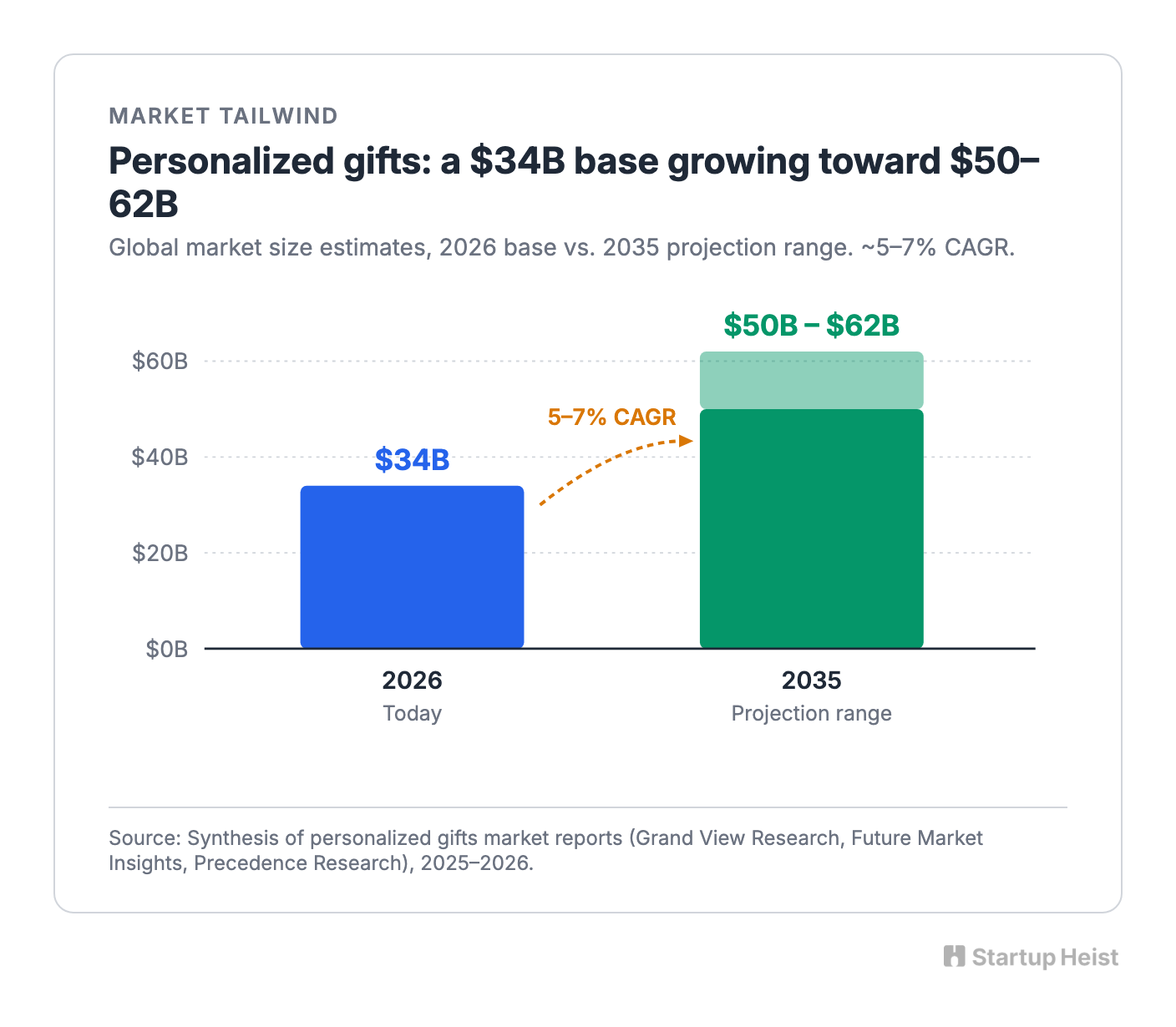
The numbers support the wedge. Estimates of the global personalized gifts market vary by source but cluster between $50 billion and $62 billion by 2035, growing somewhere in the 5 to 7% CAGR range from a roughly $34 billion base in 2026. Father's Day alone hit a record $24 billion in U.S. consumer spending in 2025, with shoppers averaging $199 per recipient and the prime gift-buying cohort, ages 35 to 44, spending closer to $279. Personalized photo gifts aren't a category waiting for consumer education. Shutterfly is the dominant U.S. player, and Walmart's continued expansion of in-store photo printing has pushed personalized photo gifts further into mainstream retail.
The wedge is that those companies sell the object, not the feeling. ChatGPT and Gemini generate the image, Shutterfly prints the frame, Etsy hosts the custom shops. None of them currently own the dead-simple emotional workflow: upload two photos, choose a feeling, get the image, approve the best one, send a framed gift. That's the heist.
Why This Isn't Just Another AI Wrapper
A lazy version of this idea is easy to dismiss. "Upload two photos, get 10 AI images." That gets copied in a weekend, has no moat, and competes directly with ChatGPT, Gemini, Canva, and every indie hacker watching the same trend.
The defensible version is a gift-commerce workflow. The customer isn't paying for compute. They're paying for emotional certainty, convenience, and a finished artifact. A consumer may hesitate to pay $9.99 for images they could theoretically generate themselves. They'll pay $79, $89, or $129 for a gift that feels personal, arrives on time, looks polished, and avoids the awkwardness of DIY prompt wrestling.
The whole product follows from that. Front-end offer: a "Meet Your Childhood Self" digital portrait pack at $7 to $15 for 8 to 12 generated images. Main margin layer: a $49 to $129 framed print, card, or premium gift bundle. Retention layer: seasonal templates for Father's Day, Mother's Day, anniversaries, birthdays, graduation, memorial, new parent, retirement, and "then vs. now" family portraits. Defensible layer: prompt library, quality control, print-safe upscaling, emotion-specific templates, fast fulfillment, and a growing gallery of proven gift formats.
The business doesn't need to become a billion-dollar platform. It can become a sharp seasonal cash-flow machine.
The Market Is Already Trained
Consumers already understand the purchase category. They buy framed photos. They buy personalized mugs. They buy custom blankets. They buy "best dad ever" gifts with family photos on them. The AI layer changes the artifact, not the buying behavior.
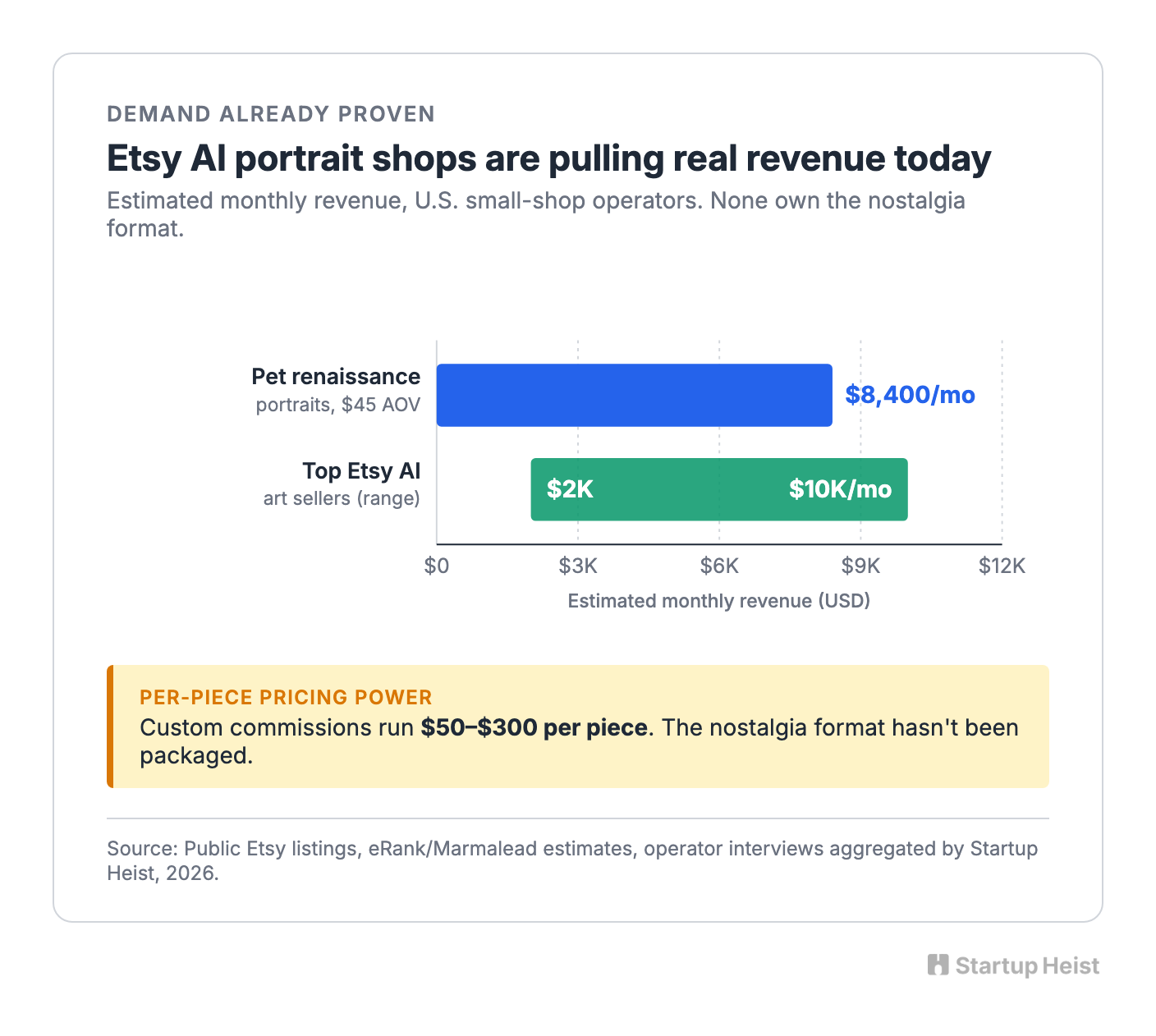
Etsy proves the demand at the small-shop tier. AI-assisted custom portrait shops are already pulling in real revenue. One frequently cited operator turning pet photos into renaissance-style oil portraits reportedly averages around $8,400 a month at a $45 average order value, with thousands of five-star reviews. Top Etsy AI art sellers cluster between $2,000 and $10,000 a month. Pet portraits, personalized wall art, and custom commission work command $50 to $300 per piece. None of those shops own the nostalgia format. The first operator to package "Dad meets his younger self" as a finished product has the lane mostly to themselves.
The personalized gift market is also structurally seasonal. Usually bad for SaaS, good for a focused heist business. Holidays create urgency, urgency increases conversion, and gift deadlines reduce procrastination. A Father's Day campaign that says "upload two photos today, get a framed portrait of Dad with his younger self before Father's Day" converts harder than any "try our AI photo generator" landing page ever will. The small founder doesn't need to beat Shutterfly at fulfillment. The founder needs to beat Shutterfly at the emotional creative layer, and Shutterfly isn't optimizing for trend speed.
The Product
The MVP should be brutally simple. One job: create a beautiful, emotionally believable portrait of someone today beside their younger self.
The homepage should feel less like a software tool and more like a gift shop.
Suggested hero:

Unlock the Vault.
Join founders who spot opportunities ahead of the crowd. Actionable insights. Zero fluff.
“Intelligent, bold, minus the pretense.”
“Like discovering the cheat codes of the startup world.”
“SH is off-Broadway for founders — weird, sharp, and ahead of the curve.”


