


The Product Photo Ad Factory
Small ecommerce brands don't have a video problem. They have a testing problem.
A brand selling lip stain, electrolyte powder, phone accessories, pet brushes, desk lamps, jewelry, or kitchen gadgets doesn't need one perfect ad. It needs twenty angles, forty hooks, and a way to figure out which combination earns a second look before the scroll continues. That used to mean creator coordination, filming, editing, revisions, shipping product, usage rights, and weeks of waiting. For a scaled brand, that's part of the machine. For a Shopify brand doing $500K to $5M a year, it's expensive, slow, and operationally annoying.
Now the cost curve is breaking.
Here's the opportunity:
The money: Four clients at $2,500/month is $10K MRR with one operator. Solo founders can realistically hit $10K to $50K MRR inside a single category.
Inside:
• Three-tier pricing from $1,500 to $5,000/month
• Category-specific creative taxonomies
• 30-day launch plan with cold outreach scripts
• Five-phase path from service to software
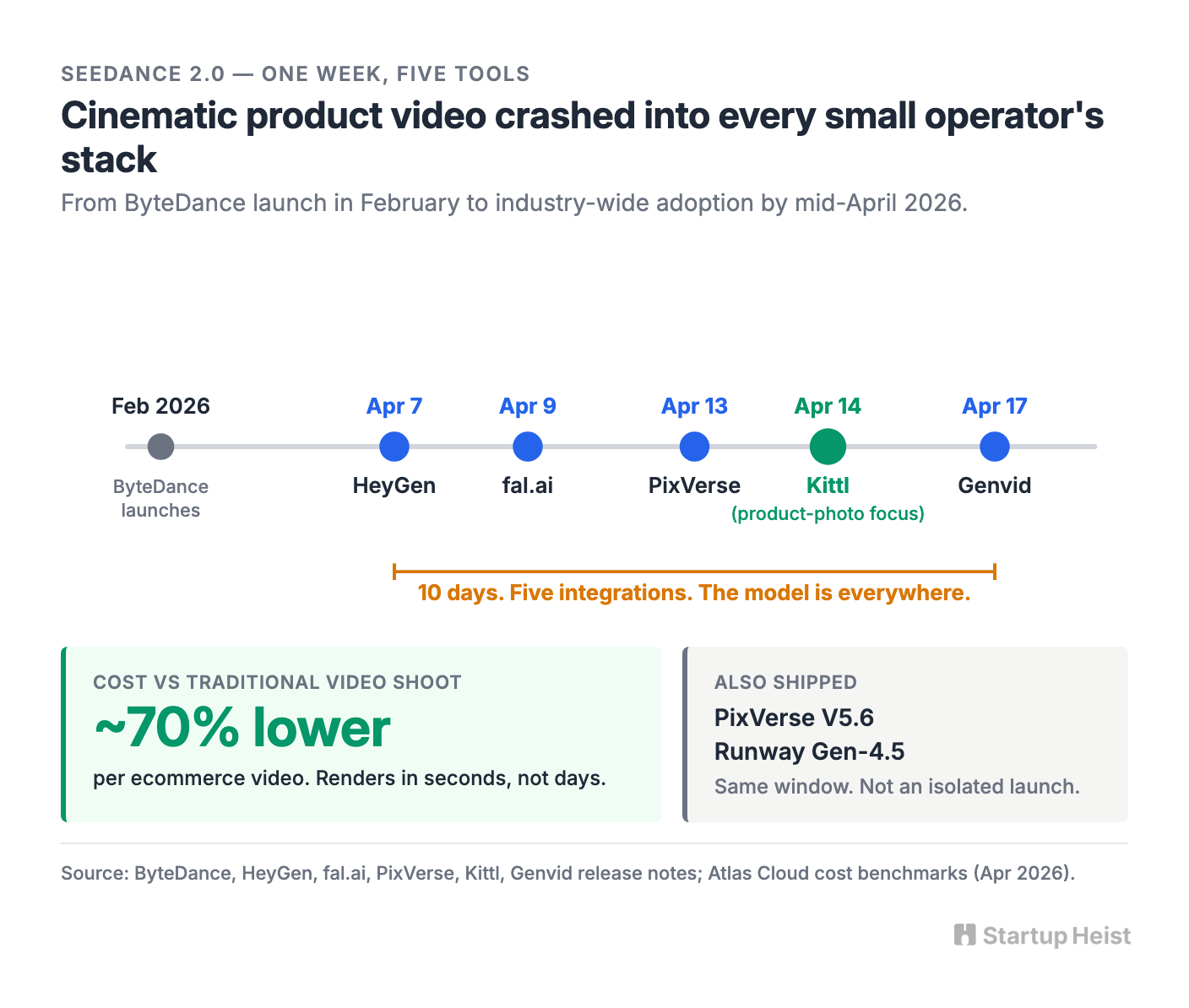
ByteDance launched SeeDance 2.0 on its own platform in February 2026. In April, the model lit up the rest of the creative tooling stack inside a single week. HeyGen integrated it on April 7. fal.ai followed on April 9, PixVerse on April 13, Kittl on April 14, and Genvid on April 17. Kittl's product team made the positioning explicit: small product-based businesses need more video, but rarely have the time, budget, or studio setup for traditional shoots. Their integration turns a static product photo into cinematic short-form video for Reels, TikTok, and paid ads in seconds.
Cheap, usable, product-grade AI video just landed across every tool a small operator already touches. PixVerse V5.6 and Runway Gen-4.5 shipped competing models in the same window, so this isn't an isolated launch. It's an inflection point in generative video for ecommerce.
The opening is narrow and sharp: build a productized creative testing engine for sub-$5M Shopify brands that turns existing product photos into weekly TikTok, Reels, and Meta ad variants for paid social testing. Not a generic AI video agency. Not a creator marketplace. A weekly ad factory.
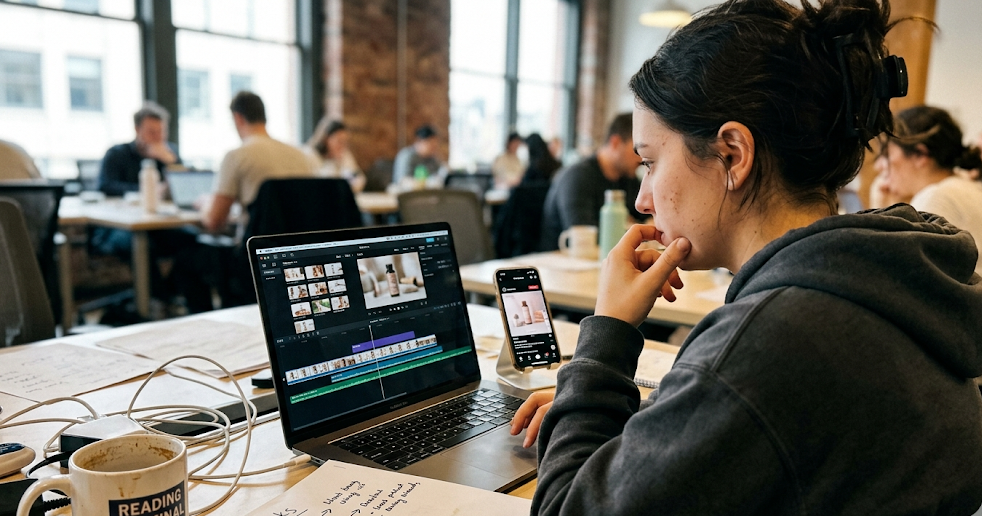
The customer ships you product photos, brand guidelines, PDP links, reviews, and best-performing claims. You ship back a weekly batch of short-form variants — product-motion videos, hook tests, offer tests, testimonial-style captions, problem-solution edits — plus a lightweight testing map that tells the brand what to try next.
Small Shopify brands can't maintain creative velocity. That's the heist.
Why this is happening now
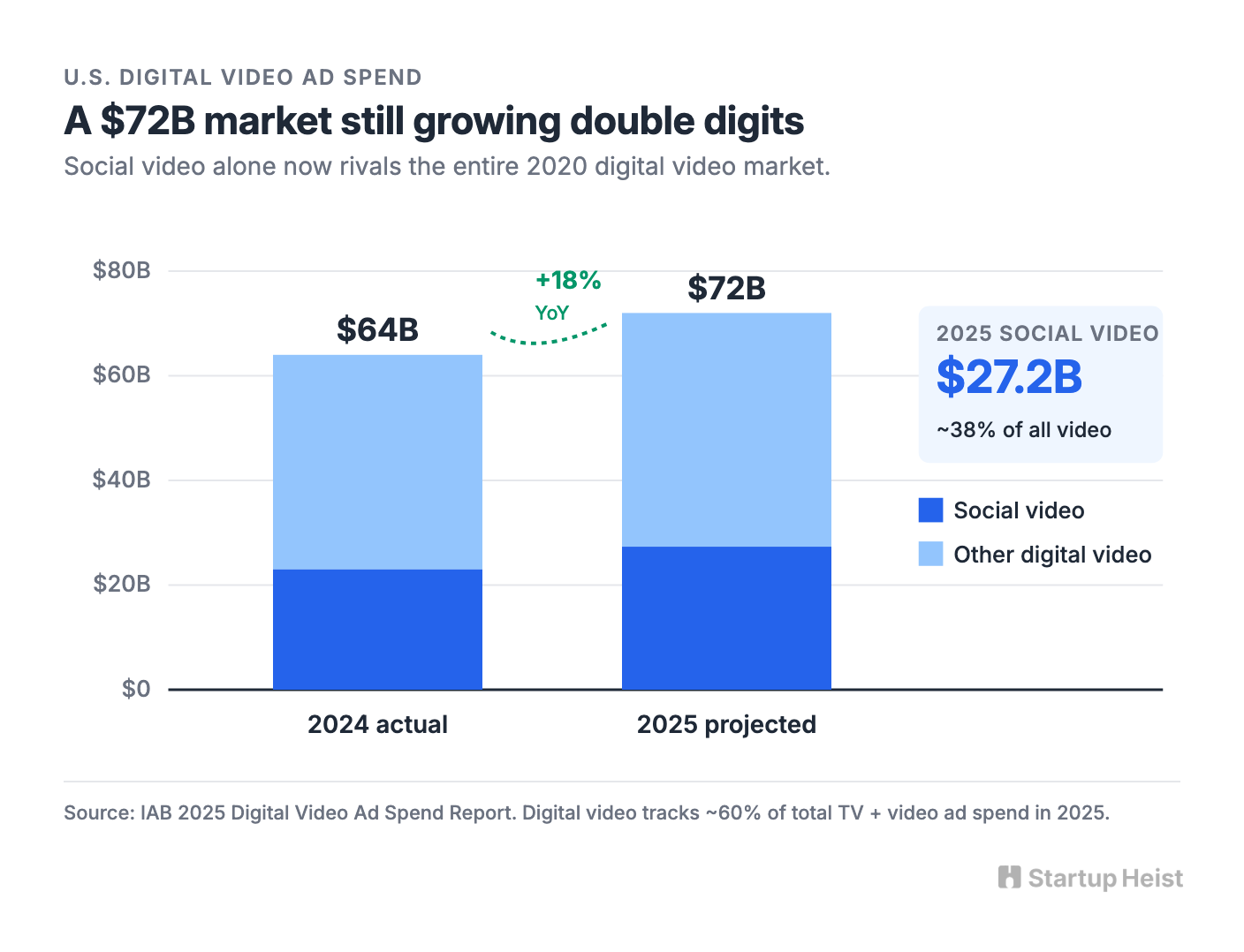
The IAB's 2025 Digital Video Ad Spend report pegged U.S. digital video ad spend at $64 billion in 2024, up 18% year over year, with the 2025 projection at $72 billion. Social video alone is projected at $27.2 billion this year. Digital video is on track to capture roughly 60% of total TV and video ad spend in 2025. The IAB's framing is direct: the next phase is shaped by GenAI, precision targeting, and performance KPIs.
The supply side finally caught up. Until very recently, AI video output for product ads looked uncanny, generic, or melted. Hands warped. Logos drifted. Bottles became blobs. SeeDance 2.0, integrated across Kittl, HeyGen, and the broader fal.ai stack, hits a different ceiling: cinematic product motion that holds shape, respects packaging, and renders in seconds rather than minutes. Atlas Cloud puts the cost reduction at roughly 70% versus traditional video production for ecommerce brands. Good enough for a Reels ad. Not good enough for a luxury campaign. Exactly the sweet spot for a Shopify brand testing twenty hooks against a $30K monthly ad spend.
One real constraint to know up front: Kittl's SeeDance 2.0 integration doesn't work with images containing human faces. It's optimized for product animation, which actually narrows the ICP usefully. This is a product-photo workflow, not a UGC replacement.
The pain has a clock on it
Creative fatigue isn't a soft marketing complaint. It has measurable timing. Performance teams now treat TikTok ad fatigue as a 7-to-10-day window for high-quality native content, and 4 to 6 days for standard ad creative at meaningful spend levels. Meta runs a little longer, 2 to 4 weeks for most placements, but the gap is closing. Top-performing DTC brands report producing dozens of new creative variations per month just to stay ahead of the decay curve.
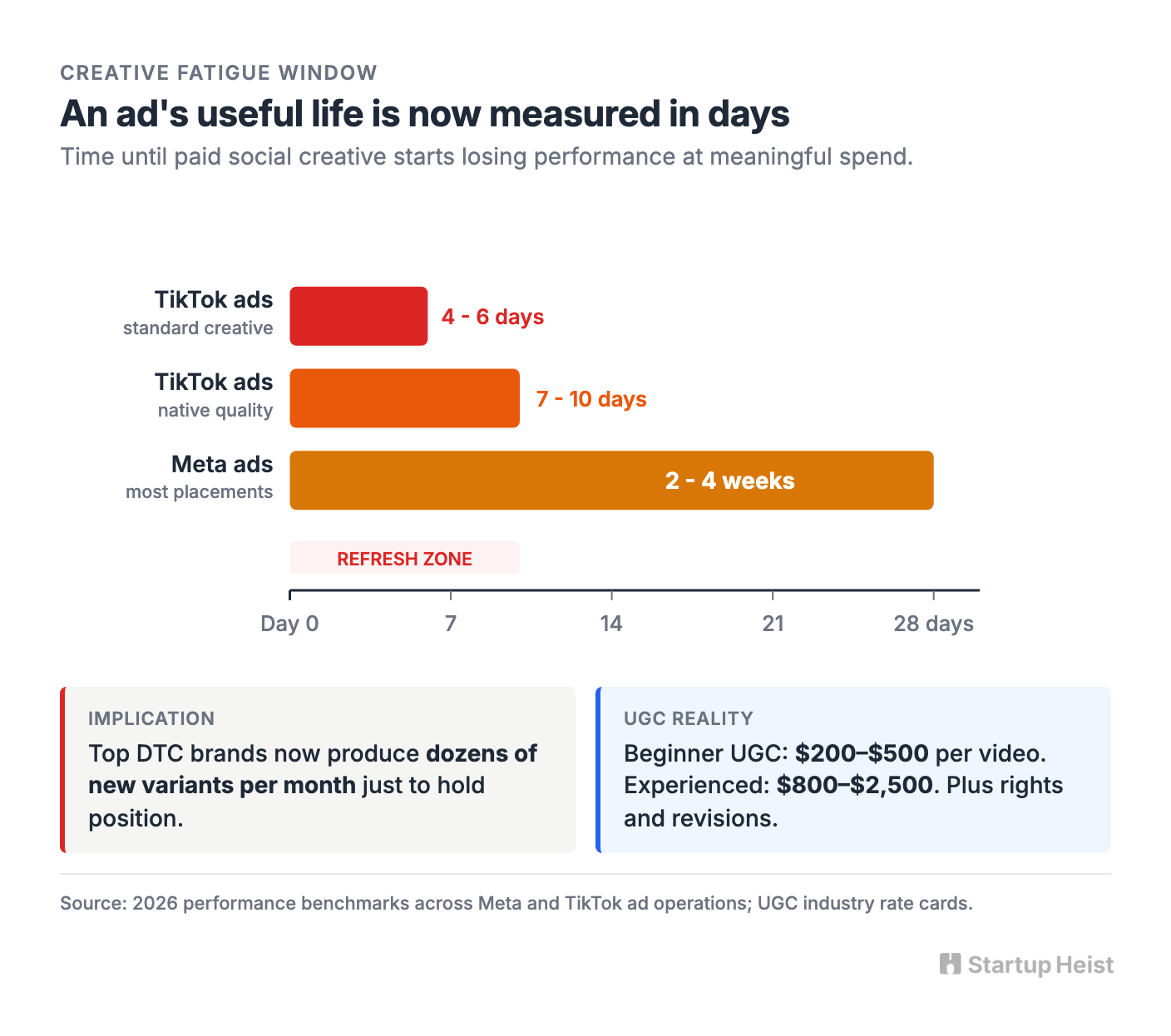
So the small brand defaults to the only motion it knows. Brief a creator. Wait. Pay for revisions. Test three videos. One kind of works. Restart. Industry rate cards for 2026 put short-form TikTok and Reels UGC between $200 and $500 per video at the beginner tier (with $150 as the absolute floor for unestablished creators) and $800 to $2,500 from experienced creators, before usage rights, hook variations, and raw footage fees. Price isn't the only bottleneck. Coordination eats the calendar — finding creators, shipping product, briefing, revisions, usage rights, hook extraction, format reformatting, and figuring out what actually worked.
An AI-assisted product-photo factory attacks a different slice of the problem. It doesn't replace UGC. It replaces the low-end, repetitive remix layer — the weekly batch of variants that exist mainly to test hooks, visuals, claims, offers, and formats. The positioning has to be careful. The promise isn't "we replace creators." The promise is twenty testable product-video variants every week from assets the brand already owns. That's a much stronger sentence to put on a landing page.
The buyer
The best initial customer is a sub-$5M Shopify brand with visually simple products, decent existing photography, repeat-purchase economics, and active paid social spend. Good categories: beauty, supplements, accessories, home goods, pet products, simple kitchen products, desk and productivity products, small wellness products, packaged consumer goods, giftable DTC. Bad categories: apparel requiring try-on, products requiring complex human demonstration, heavily regulated medical claims, luxury goods, and anything where founder personality or real testimonial footage is the main conversion driver.
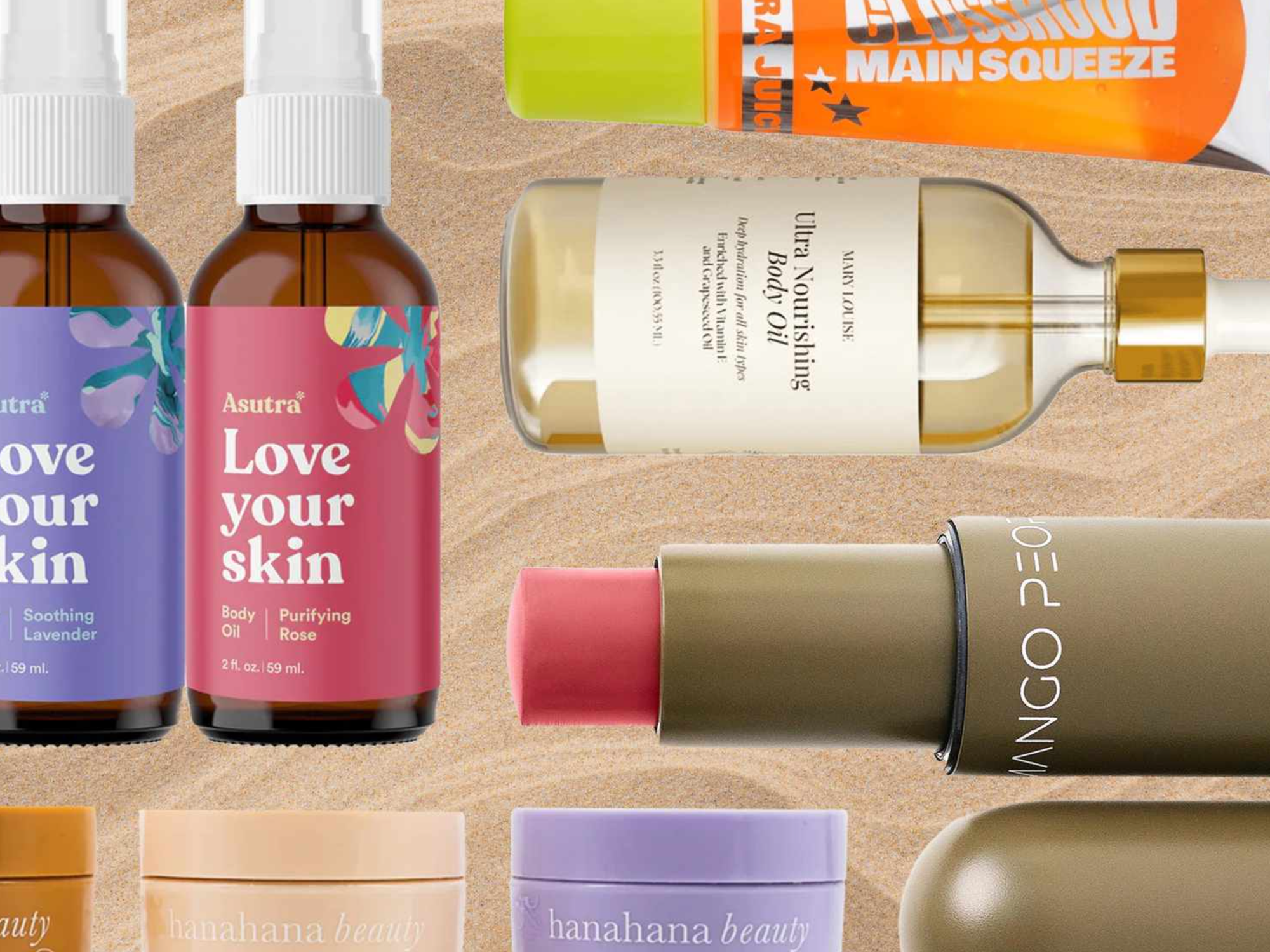
This distinction matters. AI-generated product motion isn't equally useful everywhere. A lip stain, supplement jar, phone stand, serum bottle, candle, water bottle, or pet brush can be repurposed into dozens of ad concepts from a single hero shot. A static product photo becomes a thumb-stopping opener, a comparison visual, a feature callout, a "three reasons" ad, a problem-solution edit, or a sale spot. If the product is jeans, shapewear, a skincare routine, or a fitness program, real humans usually win. The first wedge should avoid categories where authenticity is the product.
The cleaner ICP is precise: Shopify brands spending $10K to $100K per month on Meta, TikTok, or Reels, without an internal creative team. Below $10K, brands rarely have enough testing volume to justify a weekly system. Above $100K, they often already have an agency, an internal creative strategist, a UGC engine, or an analytics stack. The sweet spot is the awkward middle — big enough to feel creative fatigue every week, too small to staff a real studio.
The offer
The core product is a weekly creative testing package. Not a bundle of files. A rhythm.
For Shopify brands spending $10K to $100K per month on paid social, you turn existing product photos, PDPs, reviews, and brand claims into weekly TikTok, Reels, and Meta ad variants.
Each week:
Unlock the Vault.
Join founders who spot opportunities ahead of the crowd. Actionable insights. Zero fluff.
“Intelligent, bold, minus the pretense.”
“Like discovering the cheat codes of the startup world.”
“SH is off-Broadway for founders — weird, sharp, and ahead of the curve.”


