


The $500 Content Business Hiding in Every Detailer's Camera Roll
A mobile detailer pulls up to a neglected family SUV. Over the next four hours, an extractor pulls brown water out of a seat, a brush lifts grime from a leather steering wheel, and a pressure washer brings a wheel back to its original color. By the end, the interior looks close to new.
Every one of those moments is watchable, and together they prove the thing a prospective customer most wants to know: this person knows what they're doing.
The detailer isn't thinking about content. They're thinking about finishing the car, getting paid, and making the next appointment. If anyone filmed the job, the footage dies in a camera roll.
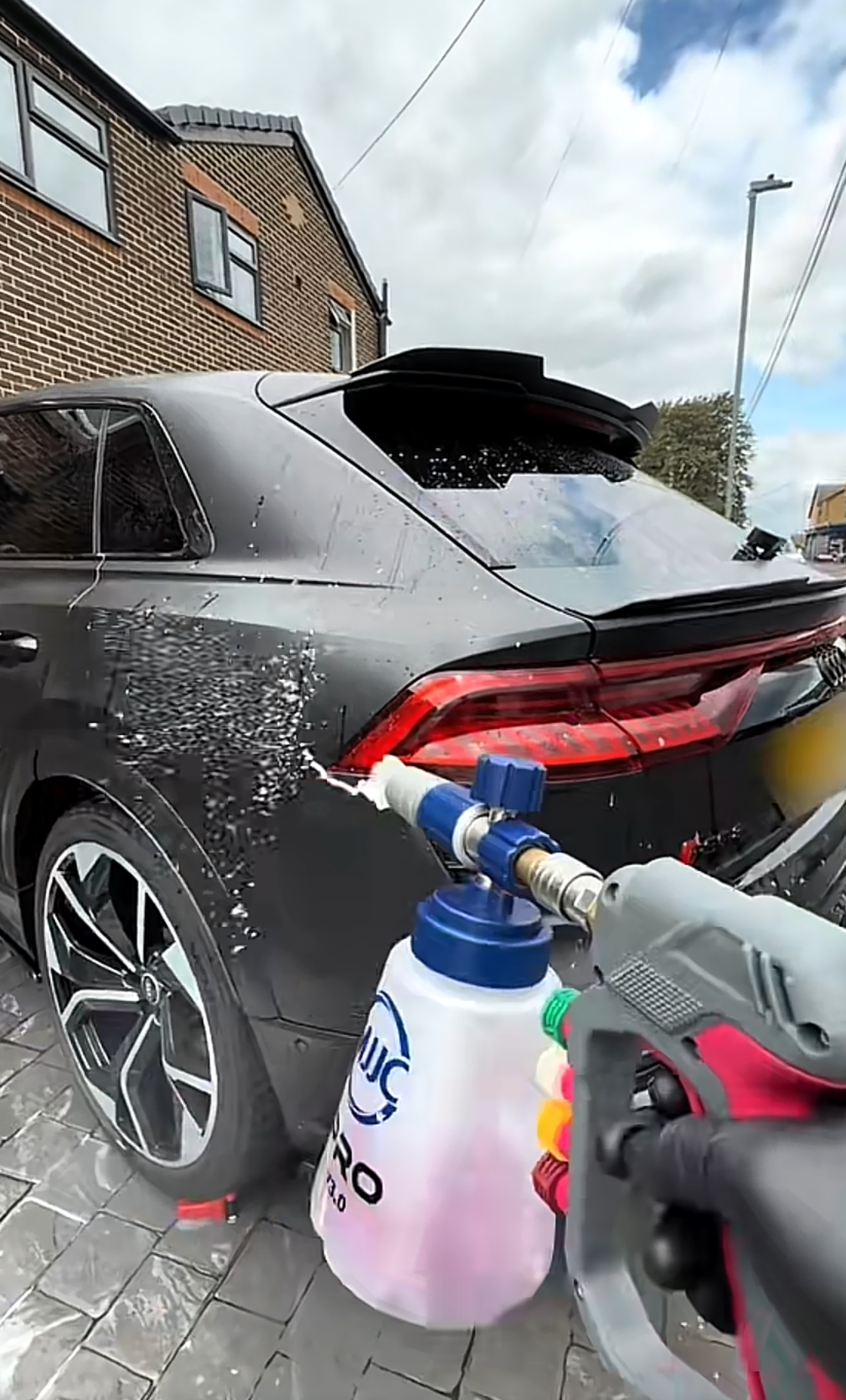
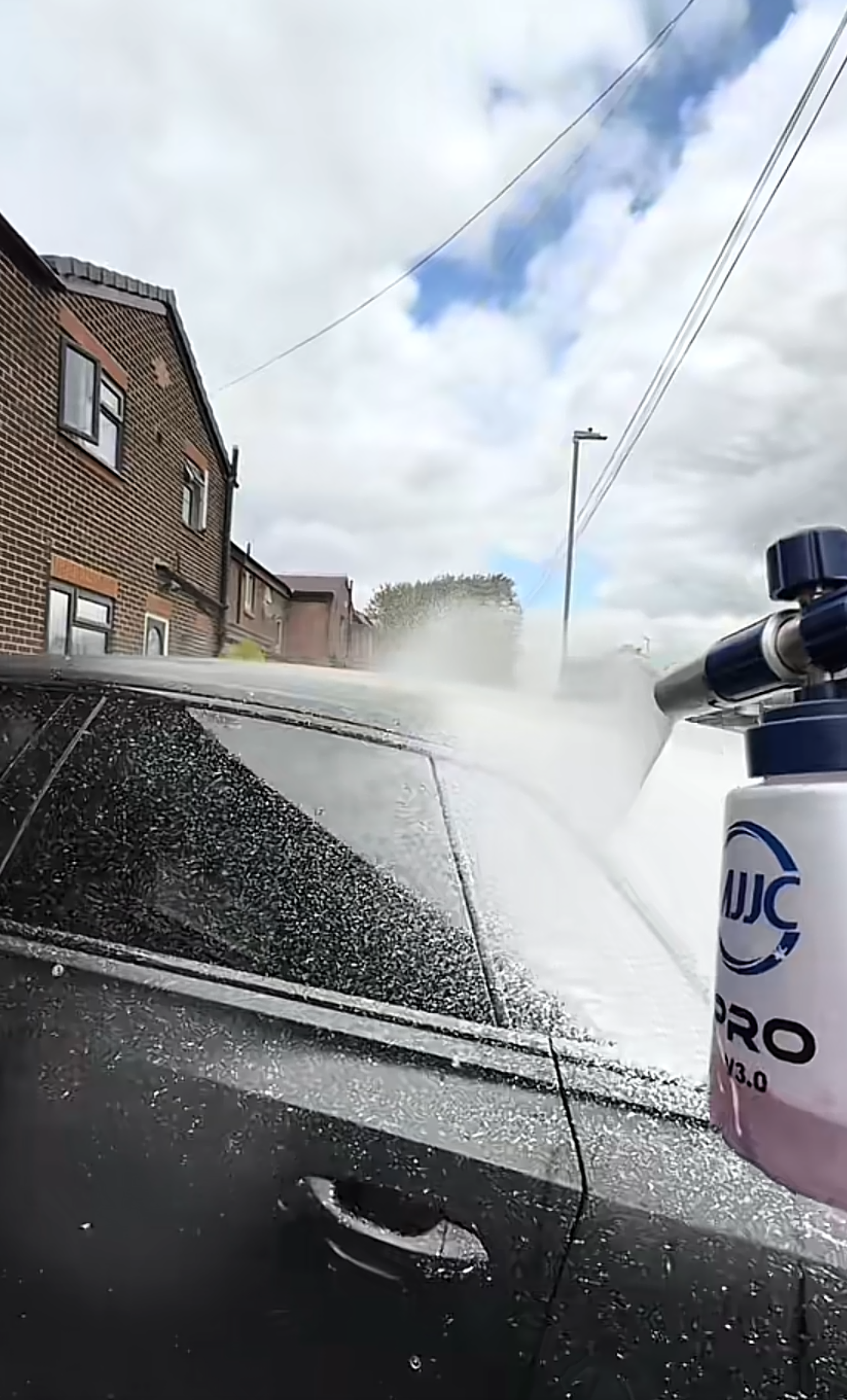
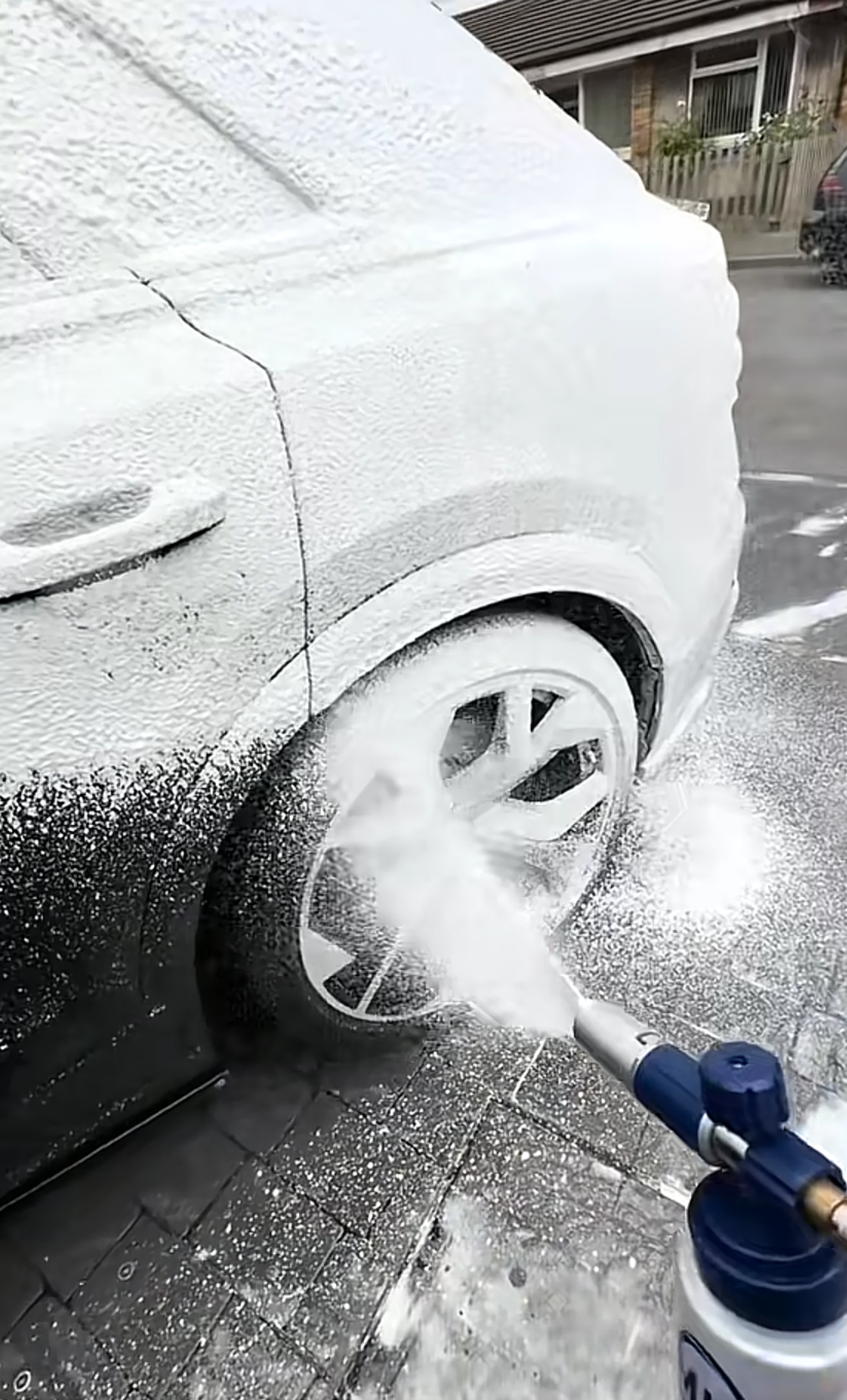
You can build a $500-a-month short-form video service around that footage, turning work local tradespeople already do into 15 finished videos a month. The owner never writes a script, never appears on camera, and never has to become a TikTok personality. They record the work, and you handle selection, editing, formatting, and delivery.
Subscription video editors already exist, and some charge less. The opening is a repeatable content operation built for one trade, with a filming routine and sales approach fitted to how that business actually runs. What you're selling a busy operator is a credible, active marketing presence that doesn't require becoming a creator. Here's the opportunity:
The money: 10 detailers at $500/month = $5,000 MRR, and 20 gets you to $10,000. Generic editors already charge $395 to $495 a month, so buyers pay in this range.
Inside:
• The $500 offer and 15-clip content mix
• A five-shot filming guide for owners
• Unit economics at 4 to 12 hours per client
• 60-prospect outreach plan with email script
Owners Want Video. They Don't Have the Hour.
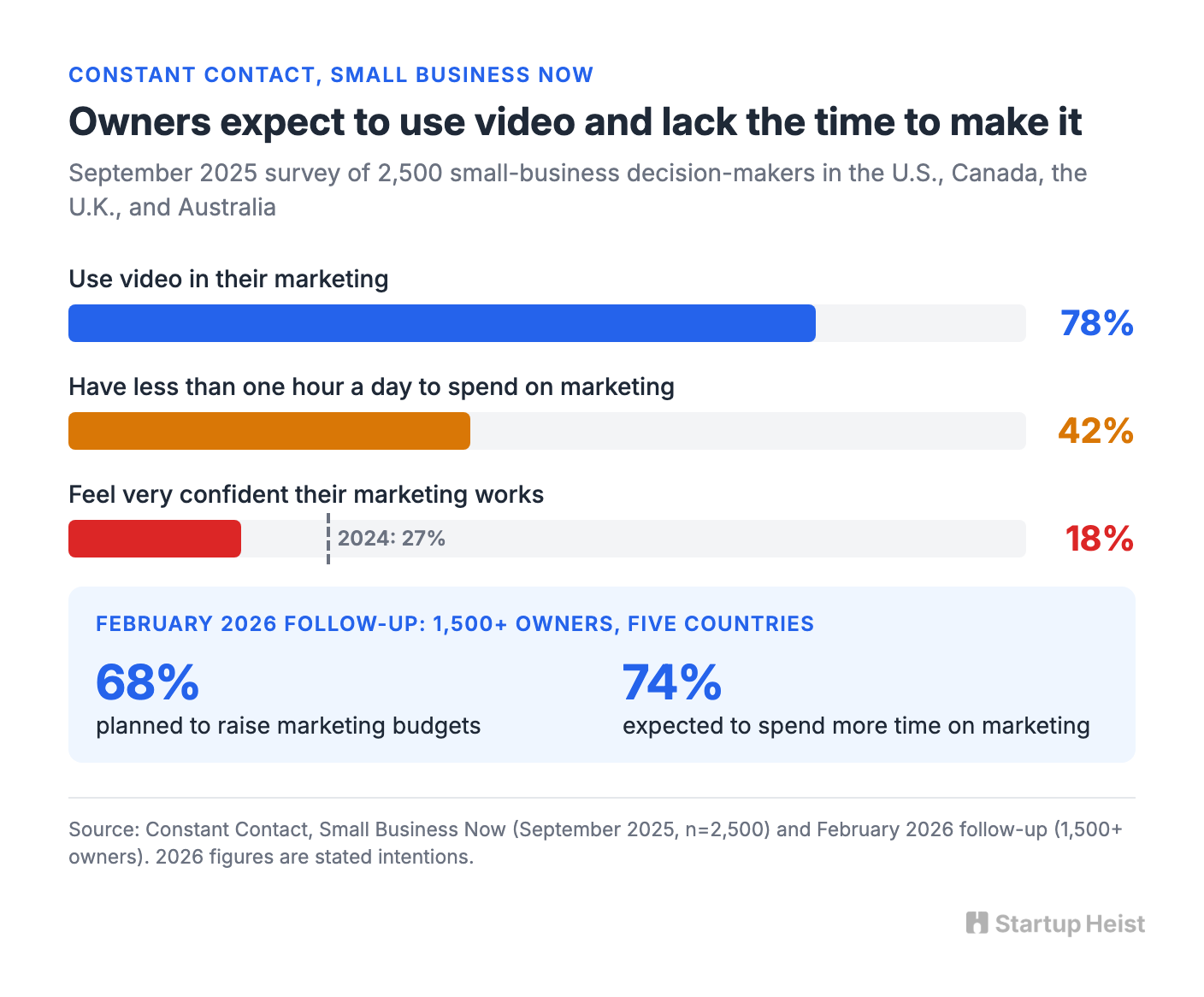
Constant Contact's September 2025 Small Business Now report surveyed 2,500 small-business decision-makers in the U.S., Canada, the U.K., and Australia. Seventy-eight percent use video in their marketing, and 42% have less than one hour a day to spend on marketing. Only 18% feel very confident their marketing works, down from 27% in 2024. The formats they rated most impactful were customer testimonials, company-culture videos, promotional content, and practical advice. The data makes no case that faceless process video outperforms those formats. Its clearer finding is that owners expect to use video and lack the time to make it.
Buyers point the same way. BrightLocal's 2025 Local Consumer Review Survey of 1,026 U.S. adults found that more than three-quarters watch video when researching local businesses, and the most preferred type is video a business posts about its own products and services. For a local trade, video does two jobs. Discovery is a stranger stumbling onto a satisfying transformation while scrolling. Verification is someone already shopping who checks the Instagram profile to see whether this shop can be trusted with a $40,000 vehicle, and verification is the job that pays. Since July 10, 2025, public posts from Instagram professional accounts (business and creator) have been eligible to appear in Google search results by default, so a verification library now works in search as well.
Constant Contact's February 2026 follow-up, covering more than 1,500 owners in five countries, found 68% planned to raise marketing budgets and 74% expected to spend more time on marketing. Those are intentions, but they capture the tension: owners want more marketing without more hours. The editing tools have matured, and the time problem has persisted for years. A small service business can stand on that.
Why Detailers Are the Wedge
The instinct is to serve plumbers, roofers, landscapers, bakers, and cleaners all at once, and it's worth resisting. They all produce usable footage, but their workflows, objections, safety constraints, and sales cycles differ, and a generalist service ends up good at none of them.
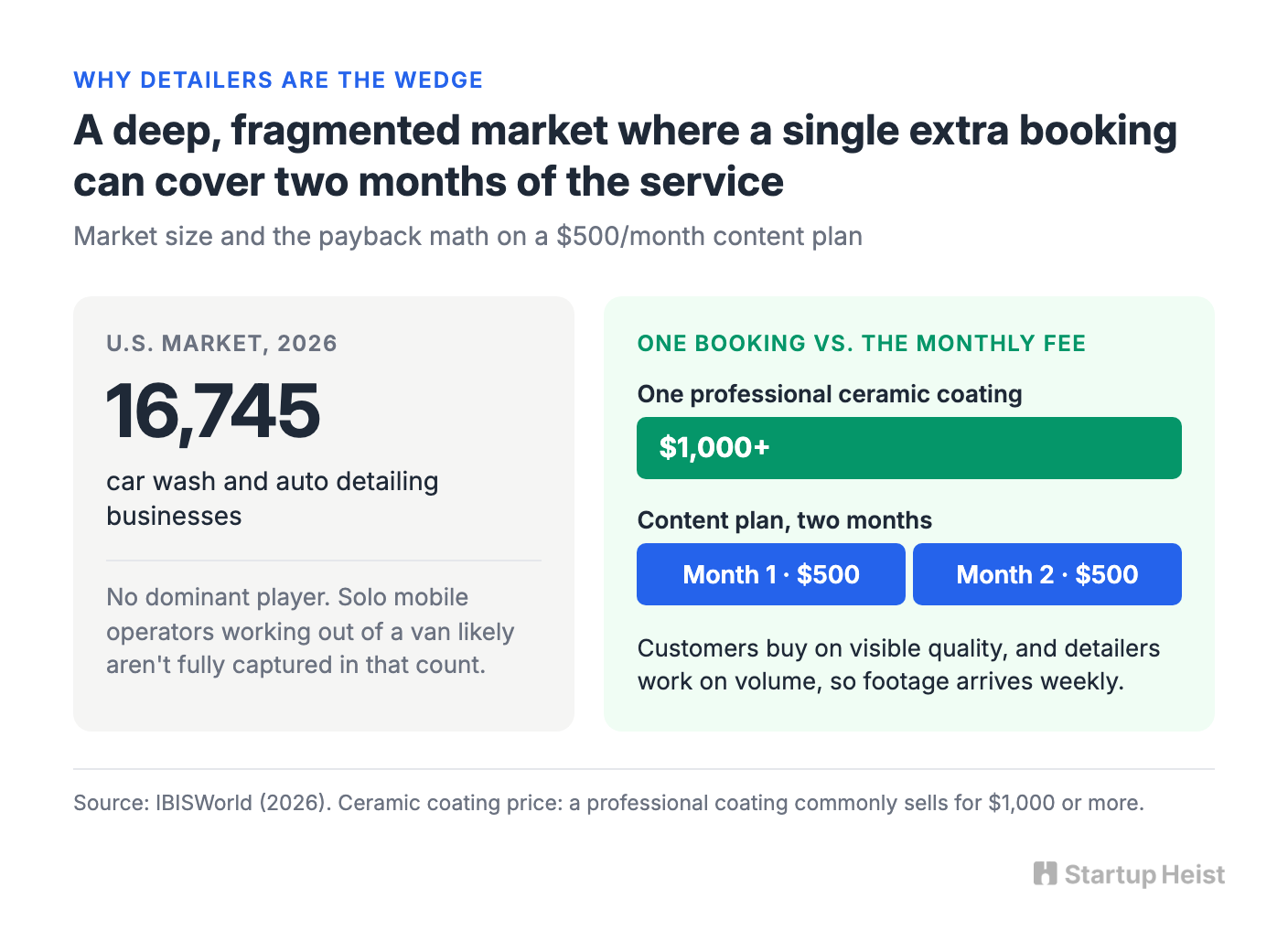
Start with independent auto detailers, especially mobile detailing operators and small shops selling interior restoration, paint correction, and ceramic coatings. The visual contrast needs no explanation; a dirty seat becoming clean is the whole story. Jobs break into recognizable sequences of prep, treatment, transformation, and result. Customers buy on visible quality. Detailers work on volume, so footage arrives weekly instead of once a quarter. The higher-ticket services also carry built-in education: why a stain needs extraction, why paint correction differs from a wash, what a coating actually does.
The market is deep and fragmented. IBISWorld counts 16,745 car wash and auto detailing businesses in the U.S. in 2026, with no dominant player, and solo mobile operators working out of a van likely aren't fully captured in that count. The economics line up too: a professional ceramic coating commonly sells for $1,000 or more, so a single extra booking can cover two months of the service. Exterior cleaning (pressure washing, soft washing, gutters) is a credible alternative niche with equally dramatic footage, though seasonality and outdoor shoots make recurring production less predictable. Whichever trade you choose will shape everything downstream, so commit to one.
Every Editor Assumes the Footage Exists
The competition is real and priced to match. Vidchops sells a $495 monthly plan that covers 16 short-form edits with a dedicated editor and three revisions per video. Editvideo.io lists short-form plans at $195 a month for 10 videos and $395 for 25, shown as discounts from $295 and $495. OpusClip's paid plans start at $15 a month and include clipping by visual objects and by sound, exactly the kind of moment-picking a detailing video needs. Video editing is turning into a commodity, and competing on price or a clever AI workflow puts you in a losing position.
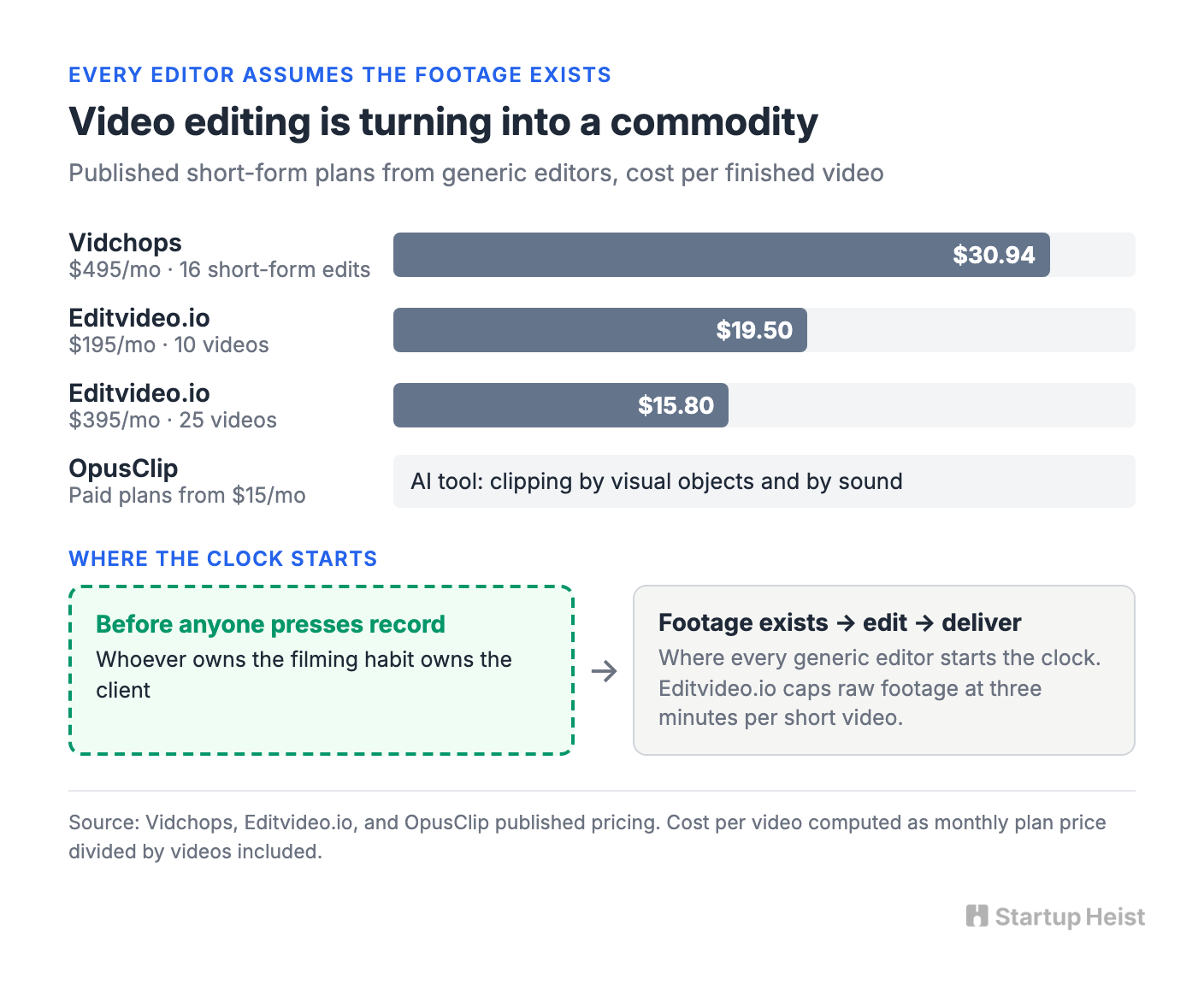
Look at what those services assume, though. Editvideo.io caps raw footage at three minutes per short video. Every generic editor starts the clock after the footage exists, and that assumption breaks for a detailer. A four-hour interior job produces either nothing, because nobody filmed, or forty minutes of shaky, poorly lit phone video with no record of what was being done or why. The editor ends up with nothing to cut, or nothing coherent to cut it into. The defensible business starts before anyone presses record, because whoever owns the filming habit owns the client.
The Offer: 15 Videos, Four Jobs
Unlock the Vault.
Join founders who spot opportunities ahead of the crowd. Actionable insights. Zero fluff.
“Intelligent, bold, minus the pretense.”
“Like discovering the cheat codes of the startup world.”
“SH is off-Broadway for founders — weird, sharp, and ahead of the curve.”


