


Every day, thousands of builders ship something new. A Show HN post. A Product Hunt launch. A GitHub repo that goes from 12 stars to 1,200 overnight. Buried in that noise is a signal most people miss: clusters. Patterns of similar tools, solving similar problems, appearing across multiple surfaces within the same week.
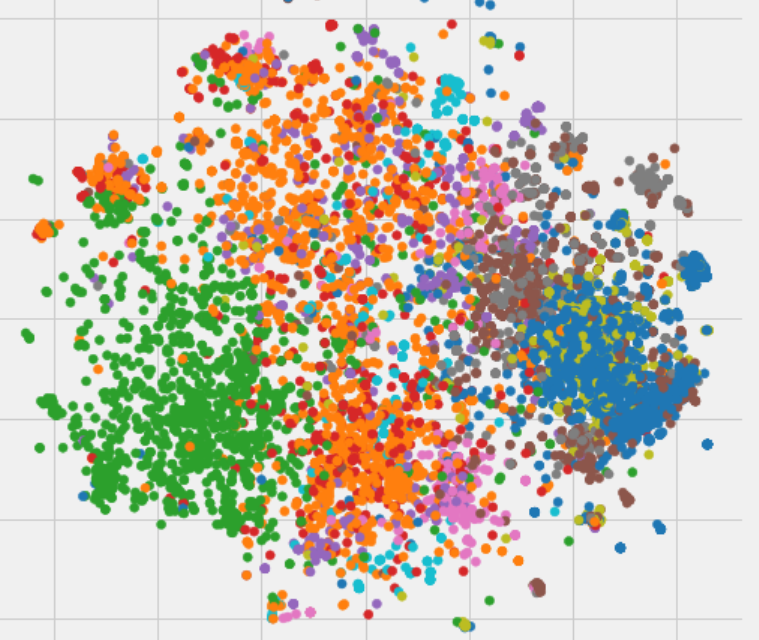
Those clusters are the earliest evidence that a category is forming. The builder who spots the cluster first and identifies what's missing inside it has a massive head start — weeks or months before VCs write checks, before TechCrunch covers it, before "AI for X" becomes a punchline.
The product: an Opportunity Radar that tracks what builders are shipping, clusters it by theme, measures velocity, and tells you where the gaps are. A Bloomberg terminal for startup white space, built for founders, studios, and scouts.
(Editor’s Note: The funny thing? We already use a version of this internally to power part of our discovery pipeline — and executed properly, the tool alone might be worth more than Startup Heist itself. It’s the classic unbundled-vs-packaged split: Startup Heist delivers the actionable playbooks for indie founders; this heist sells the radar directly to the operators, scouts, and studios who already know how to use the signal. Same animal, different hunt.)
The Setup
The raw materials already exist. They're scattered across platforms that don't talk to each other.
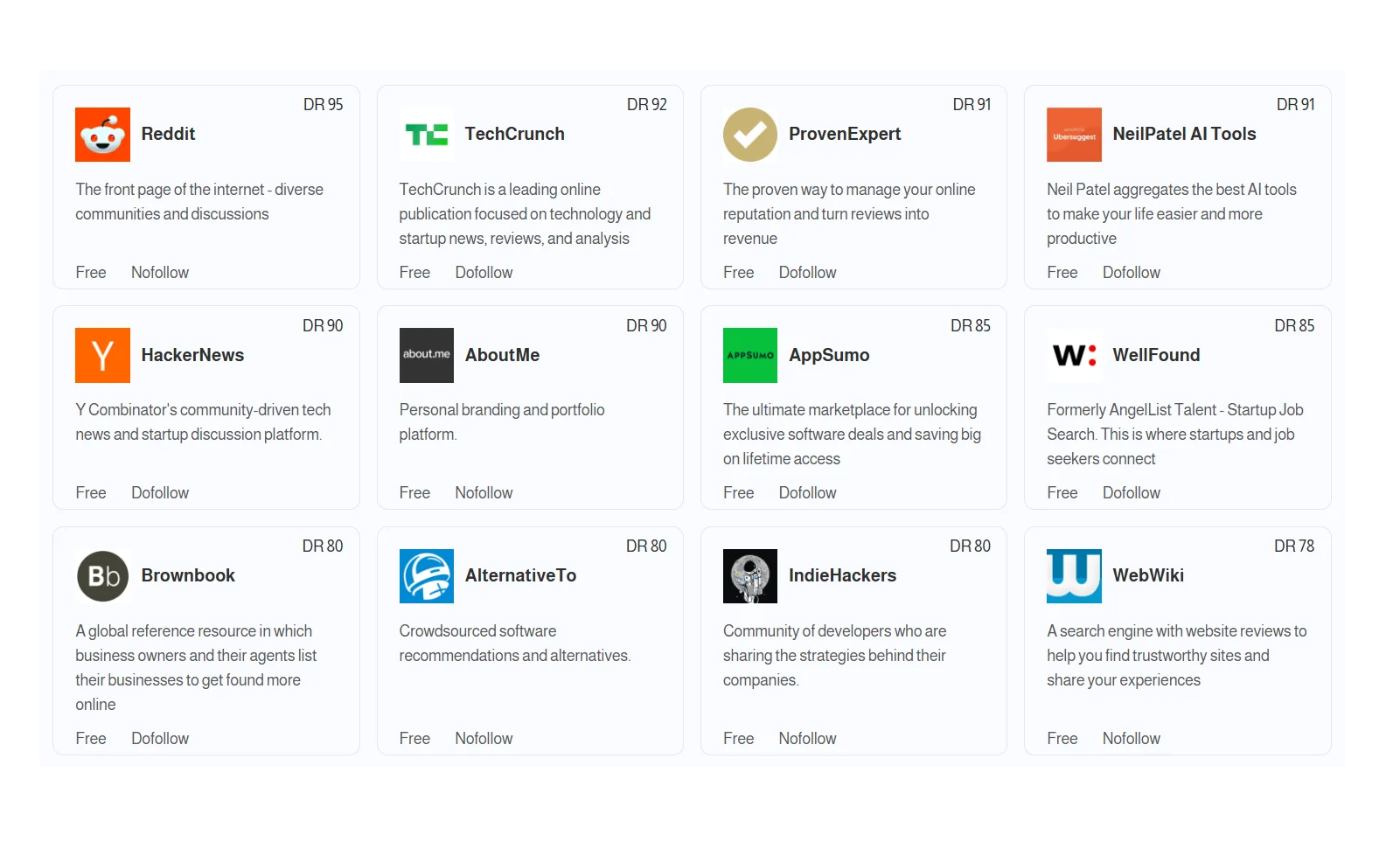
Show HN is where technical builders share working prototypes. The norm is "I built this, try it." The entire archive is accessible through the Algolia-powered HN Search API — free, well-documented, with support for tag filtering, date-range queries, and pagination. Product Hunt is a structured launch surface with a GraphQL API (v2) that returns exactly the fields you request. ShowHN Today, a third-party daily digest of Show HN launches, already proves demand for this information organized. People want it. They just don't have an interpretation layer on top.

Startup scouting is already a real, growing budget line. The technology scouting software market was valued between $150M–$230M in the early 2020s and is projected to reach $600M+ by the early 2030s, growing at a 12–13% CAGR. Harmonic.ai indexes 30M+ companies and 190M+ people and serves hundreds of VC firms. CB Insights tracks 2.5M+ companies. PitchBook covers 3M+ across VC, PE, and M&A.
These tools are either single-surface (nice feeds, no cross-platform intelligence) or enterprise scouting (funded-company databases, priced in the tens of thousands). Harmonic tracks companies after they incorporate. PitchBook tracks them after they raise. Nobody is tracking what's being built while it's being built.

Your wedge: multi-surface intelligence plus gap analysis, priced for small teams and indie builders. Your real competitor isn't PitchBook. It's "smart person + too many browser tabs" — the morning ritual of a studio partner or indie hacker opening six platforms, scanning manually, hoping something clicks. You're selling that time back, at price points ($40–$150/mo for individuals, $400–$1,500/mo for teams) that sit well below enterprise scouting ACVs and don't require a sales cycle. Builder-first, earlier signal, self-serve.
Why Now
The cost of classification has collapsed. Embedding models, LLM-powered clustering, and lightweight NLP tools can classify and group hundreds of product descriptions per minute at near-zero marginal cost. A solo developer can vibe-code a clustering pipeline in a weekend using off-the-shelf embeddings. TF-IDF and cosine similarity will carry you surprisingly far on short product descriptions. The hard part isn't the ML — it's the editorial judgment.
The cost of data ingestion is rising, which creates defensibility. Reddit's 2023 API pricing changes moved the platform from free access to $0.24 per 1,000 requests for commercial use, with enterprise tiers starting at $12,000+ annually. Apollo, which would have owed roughly $20 million per year under the new pricing, shut down entirely. As platforms tighten access, teams that built reliable, compliant ingestion pipelines gain structural advantage.
Collapsing costs to classify and summarize. Rising costs to reliably ingest. That combination rewards operators who invest early in both.
The Real Product
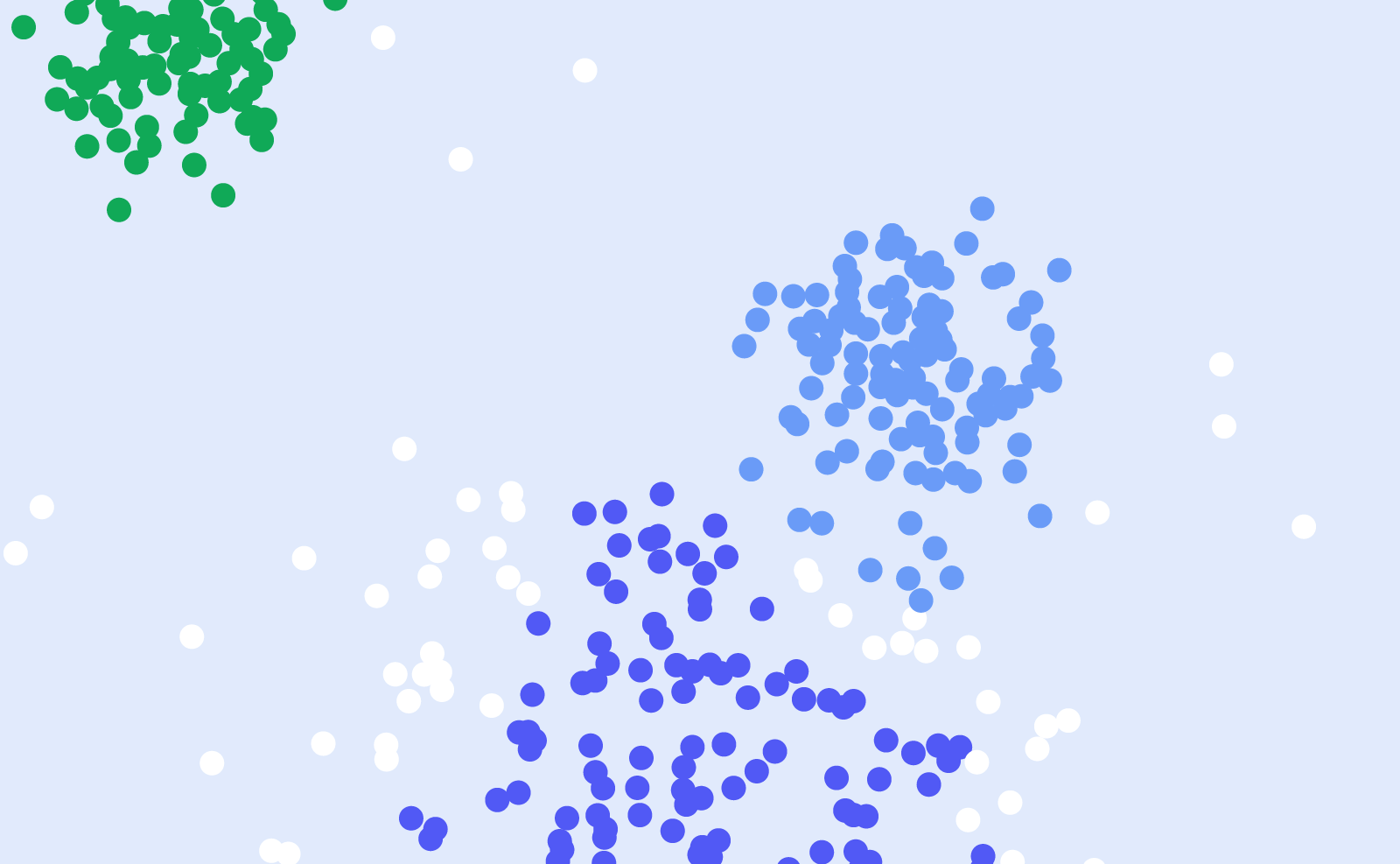
If you merely aggregate posts from multiple sources, you've built a prettier browser tab. Nobody pays for that. The business lives in clusters, velocity, gaps, and workflows:
Unlock the Vault.
Join founders who spot opportunities ahead of the crowd. Actionable insights. Zero fluff.
“Intelligent, bold, minus the pretense.”
“Like discovering the cheat codes of the startup world.”
“SH is off-Broadway for founders — weird, sharp, and ahead of the curve.”


