


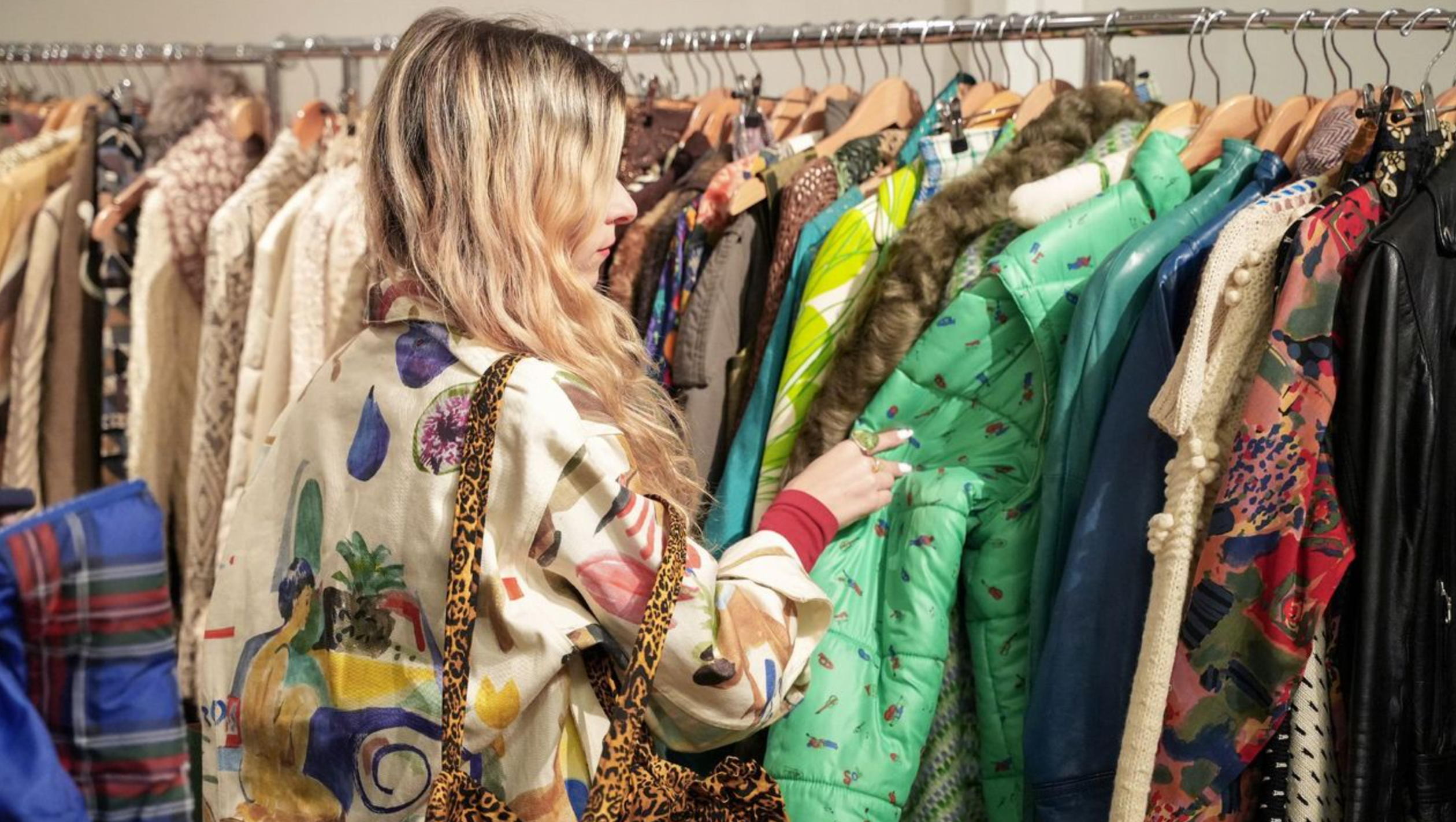
A Yale study published last December surveyed 1,009 Americans about their secondhand shopping habits and found something uncomfortable: people who buy used clothes buy more new ones too. A lot more. Behavioral economists call it moral licensing. Buy a $30 vintage jacket, feel virtuous, treat yourself to a $120 new one. The most active secondhand shoppers in the sample generated more textile waste than anyone else.
Knowing about fashion's environmental damage didn't change the behavior. People who scored highest on industry awareness still overconsumed at the same rate. The secondhand market is growing at 4x the rate of new retail, projected to hit $78.8 billion in the U.S. by 2030. Forty-six percent of American consumers now check resale before buying new.
That 46% is a buying signal. And the company that owned their savings moment at checkout just detonated itself. An investigation revealed Honey had been hijacking affiliate links, quietly overwriting creators' referral cookies with PayPal's own. Eight million of its 17 million users left. Both major affiliate networks cut ties. Google tightened Chrome Web Store policies. The whole damn trust layer vanished overnight.
Today's idea fills that vacuum: a Chrome extension that automatically surfaces secondhand alternatives while shoppers browse U.S. retail sites. The beachhead is mid-market women's apparel (Nordstrom, Madewell, Zara, Lululemon) where resale liquidity runs deep and price sensitivity is built in. At 5,000 premium subscribers paying $8/month, you're at $40K MRR before referral revenue even enters the picture. The real edge is an agentic watchlist that keeps monitoring after the session ends, alerting users when their exact size and price target appear.
Read the full playbook here:
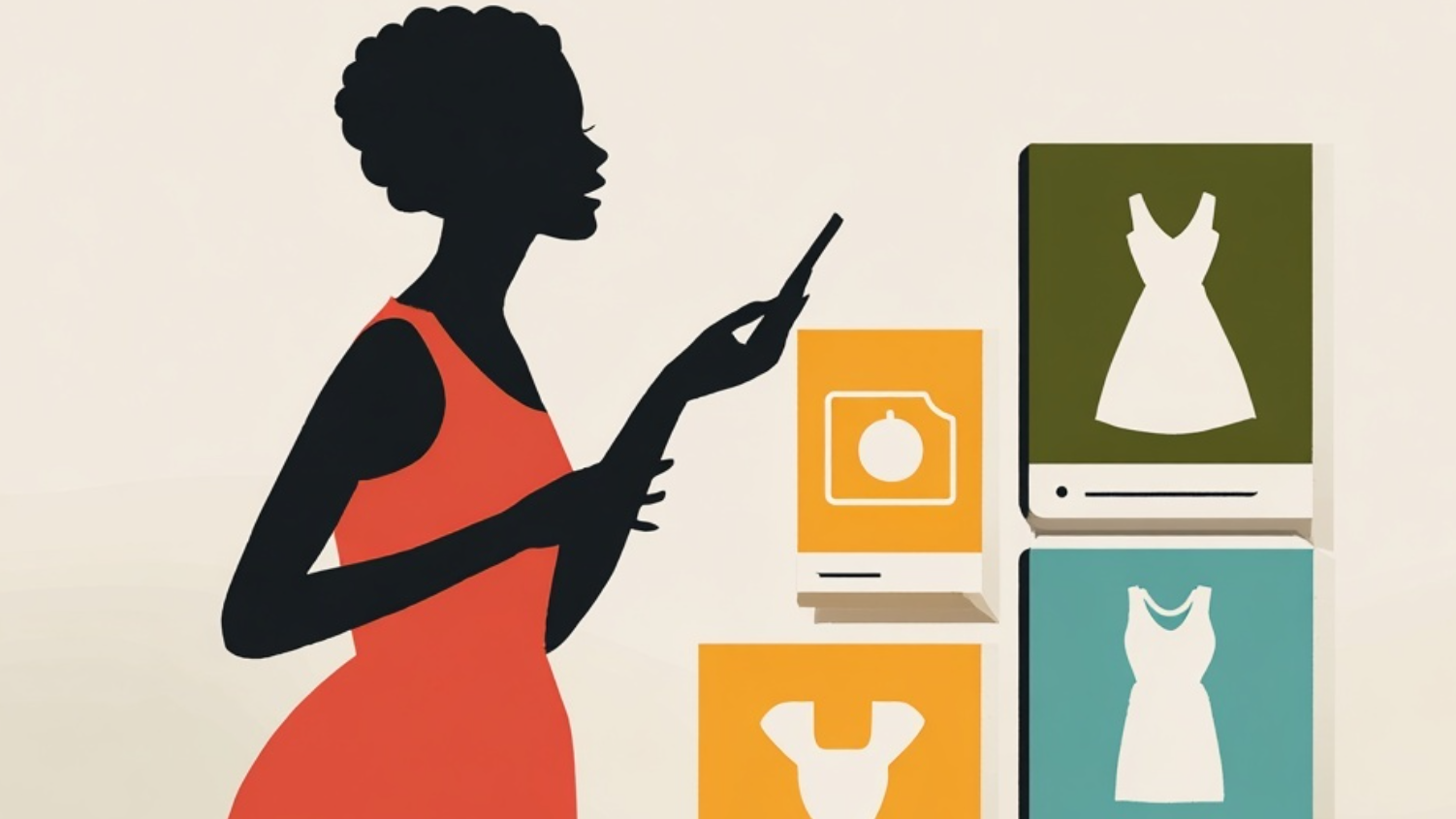
Honey imploded and took 8 million users with it. The trust vacuum left behind is the entire opportunity — a resale-first browser layer for U.S. shoppers, before anyone owns it.
From the Vault:
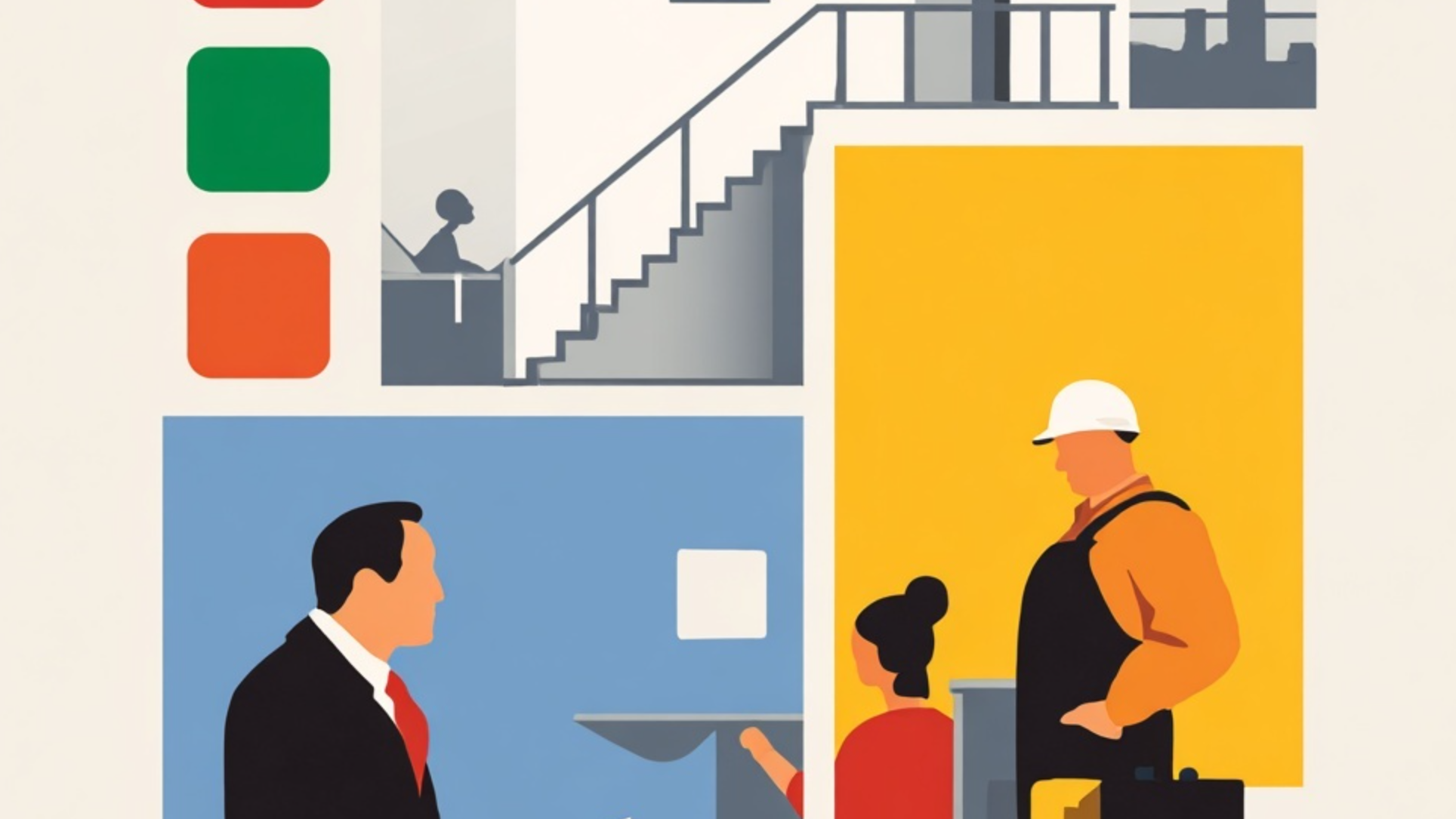
NYC's January 2026 DOB NOW update inserted condo and co-op boards into the renovation permit workflow — creating a mandatory bottleneck that no vertical SaaS has addressed.

Deepfake voice fraud hit $1.1 billion in 2025. Small CPA firms are the softest targets — and no one has packaged the identity verification layer they actually need.


