


For most of European history, you couldn't just call yourself a master of anything. The title had to be earned, and not with a diploma or a glowing reference. A young craftsman spent years as an apprentice, then years more as a journeyman, wandering town to town picking up the trade. And right at the end, before the guild would let him hang his own shingle, he had to make one thing.
A single flawless object. A perfect lock, a chair, a loaf of bread. He'd hand it to a room of men who had each made a hundred of them, and they decided whether it was real. Pass, and you were a master. Fail, and you kept journeying.
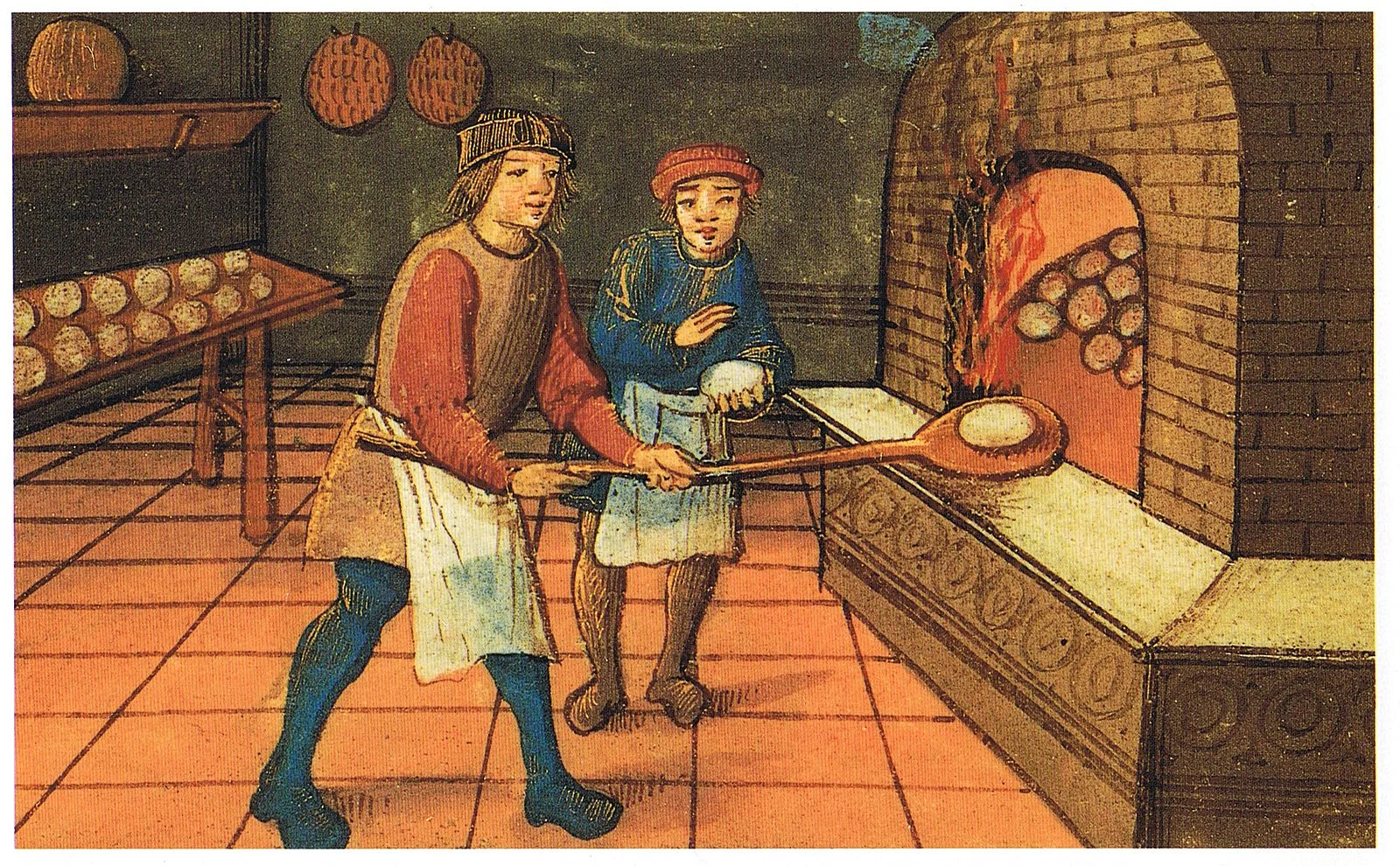
That object had a name, and we still use the word even though we've forgotten what it meant. It wasn't a great work of art. It was the masterpiece: proof, judged by people who couldn't be fooled, that you could actually do the work.
That kind of proof is getting scarce again.
For a century, your first white-collar job was where you earned yours. You showed up useless, spent a year cleaning up spreadsheets and drafting clumsy memos, and slowly turned into someone worth paying. AI is quietly deleting that rung. The routine tasks that used to train juniors get automated first, so employers now expect graduates to show up with judgment on day one. More than 41% of recent grads are underemployed, and 4.6 million students a year want an internship they can't get.
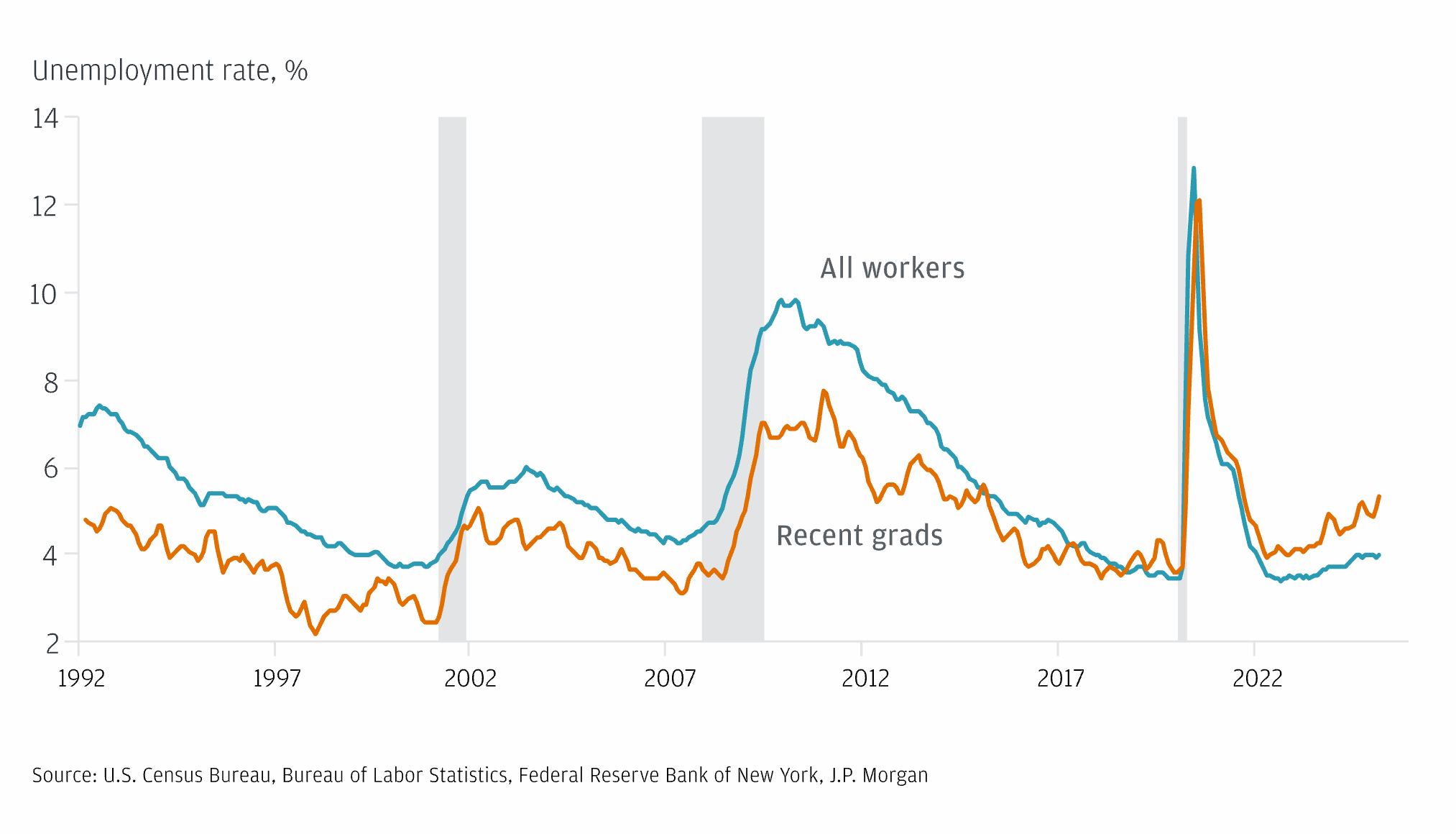
So here's the idea. An experience factory: real-client, AI-supported projects that seniors actually ship for nonprofits and small businesses, each one ending in a portfolio artifact and a verifiable credential. A modern masterpiece. You're not selling another job board. You're selling career-services offices a measurable outcome. Twenty institutions at $60K a year is $1.2M in revenue, and a single pilot runs $15K to $25K.
Read the full playbook here:

The entry-level job hasn't vanished — it's been respecced. AI is compressing the training-wheel tasks, employers want graduates who arrive ready, and 4.6 million students a year can't land an internship. The experience factory closes that gap.
From the Vault:
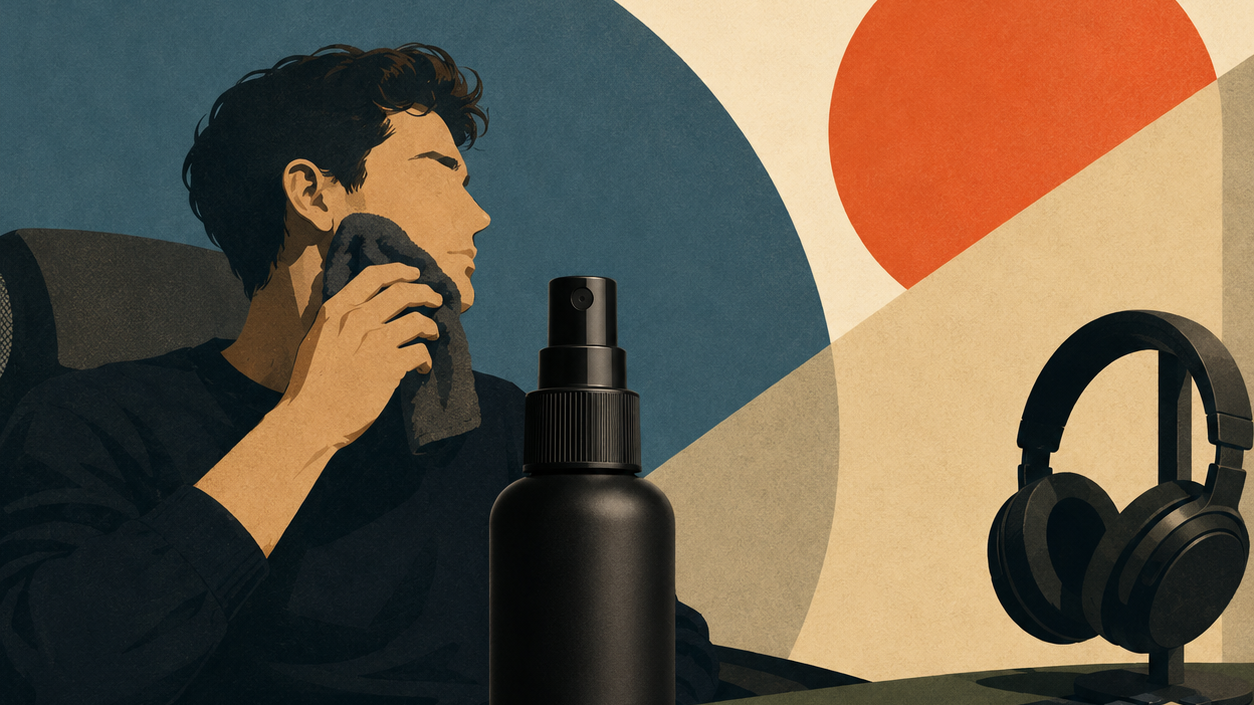
Gen Z men are buying skincare at record rates — and nearly every HOCl spray looks like it belongs in a bathroom cabinet. The desk-setup crowd is wide open.

Hair tinsel strands cost pennies. The operators running weekend pop-ups at breweries and sorority mixers are clearing $200 a night. The real opportunity is selling them the kit. ---


