


Start with 5–10 smart vending machines in hotel lobbies or nightlife venues, stock curated rescue bundles at rescue-service pricing, and grow into the software and data layer that turns dumb machines into a proprietary merchandising intelligence platform.
A single well-placed machine can generate $300–$1,500 per month in gross revenue with 25–35% net margins after inventory, commissions, and maintenance. Scale a tight 10-machine cluster in one metro, and you have a real cash-generating business inside 90 days — before you ever touch licensing, franchise models, or ad revenue.
In February 2026, a vending machine selling undergarments at Delhi's Rohini East Metro Station spread across social media — nearly 800,000 views, the predictable jokes, and a surprising number of "actually, this is useful" reactions. The Delhi Metro Rail Corporation confirmed it's rolling machines like these out across multiple stations, stocking everything from cosmetics to undergarments alongside the usual snacks.
The meme is obvious. The signal is better.
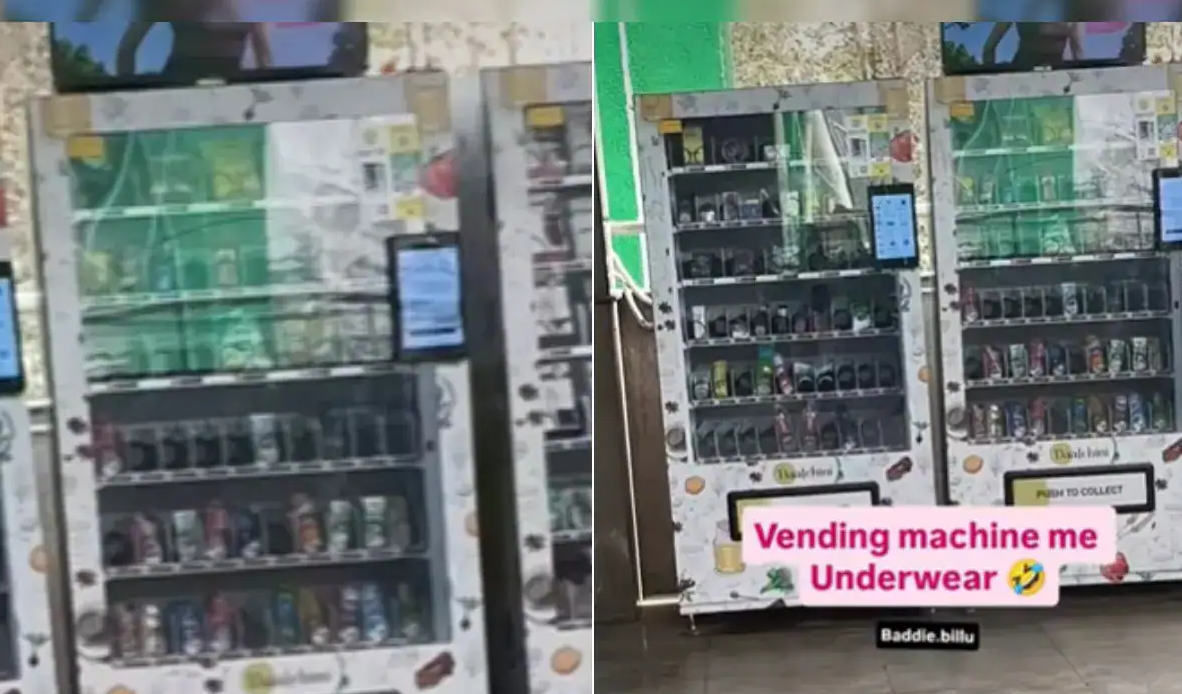
People will buy awkward, urgent, low-consideration items from machines when privacy, speed, and timing matter more than assortment. Period kits. Blister pads. Heel protectors. Deodorant. Charger cables. Stain wipes. Backup socks. Makeup removers. Condoms. Safety pins. Travel-size toiletries. Products people need immediately and would prefer to buy without a human witness.
This is one of the more overlooked small business ideas in unattended retail right now: a category with validated consumer demand, proven cashless infrastructure, and almost zero specialization. Nobody owns "embarrassment commerce" as a category. The gap between what consumers say they want from vending machines and what vending machines actually sell is enormous — and it's sitting there, waiting for an operator sharp enough to fill it.
Build this correctly and you're not launching a novelty machine business. You're building the operating system for awkward purchases.
The Market Is Bigger Than the Joke
Vending is already a large, boring industry. NAMA's industry census estimated U.S. vending revenue at $18.2 billion in 2023. The category is modernizing fast: micro markets are eating share, smart coolers are replacing legacy boxes, and the sector is drifting from "snacks and soda" toward broader unattended retail. Cantaloupe's 2025 data showed 71% of vending transactions were already cashless, with 71% of those cashless payments contactless. Frictionless, impulse-friendly purchasing is now standard.
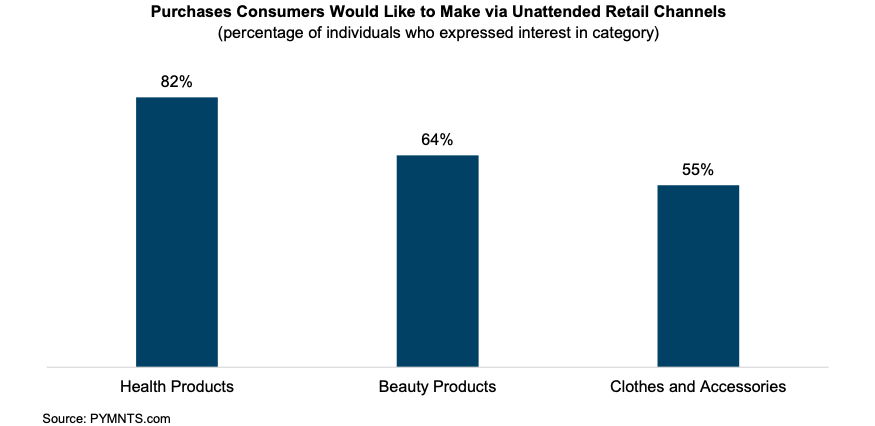
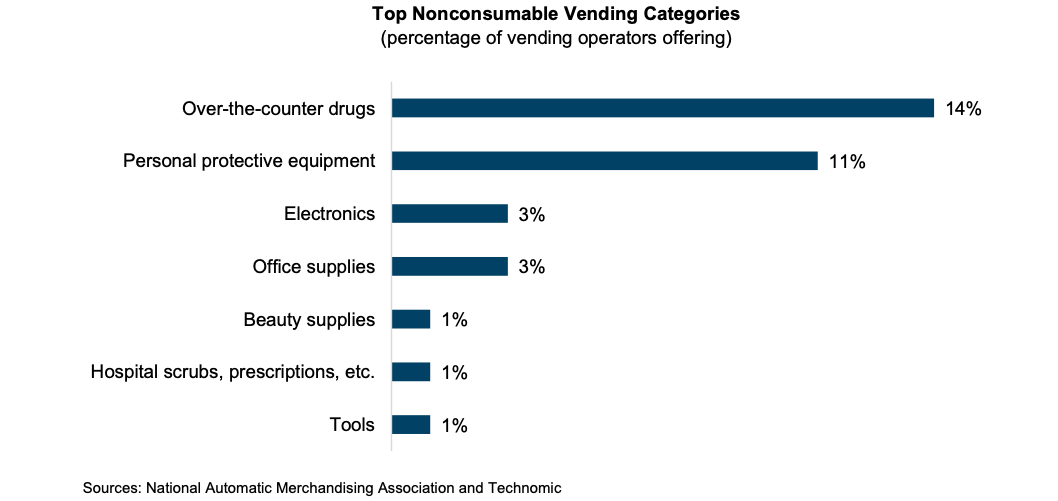
William Blair's 2025 unattended-retail analysis makes the gap concrete. Among consumers interested in buying through unattended formats, the top non-food categories were health products, beauty products, and clothes or accessories. Yet nonconsumables remain tiny in practice: roughly 1% of vending sales, about 0.5% of micro-market sales, and only around 1% of the estimated 2.9 million U.S. vending machines stock nonconsumable items at all.
Visible demand, weak category ownership, almost no specialization. "Embarrassment commerce" sits right inside those underpenetrated categories. It's health. It's beauty. It's clothing. It's convenience. The purchase psychology is sharper than general retail, though. The buyer is running late, underprepared, slightly embarrassed, and completely indifferent to unit economics in that moment.
The person buying blister pads before a wedding, deodorant before a date, period products before a class, or a charger after a dead-phone panic is not comparison shopping. They're optimizing for relief. And machines remove the worst part of that transaction: the human witness.
You're not competing with CVS. You're competing with walking ten minutes, finding an open store, waiting in line, asking a hotel clerk, exposing a small embarrassment, or simply going without. In those moments, a machine isn't a cheaper store. It's an anonymous solution.
The Category Already Exists. It's Fragmented and Under-Owned.
The pieces are scattered across institutions and geographies. Nobody has stitched them into a coherent business.
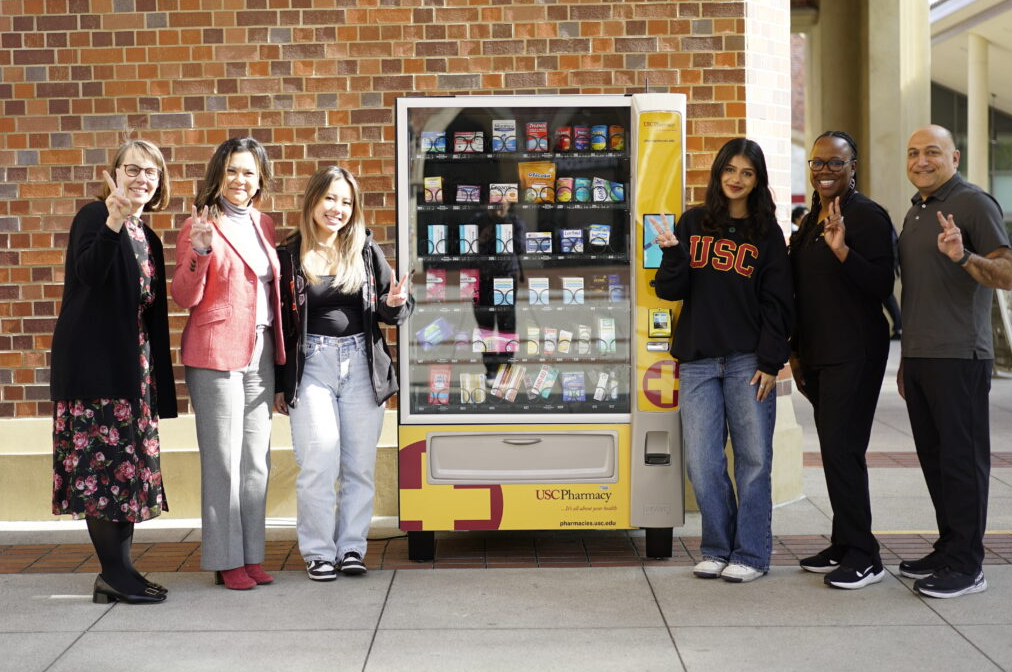
Colleges and universities have already normalized wellness vending. Boston University installed a low-cost emergency contraception machine in 2024. USC's pharmacy machines offer cold medicine, contraceptives, and hygiene products 24/7. UPenn's "Wellness Express" dispenses everything from Plan B to first aid kits, free with a student ID. California's Assembly Bill 2482, signed in 2022, requires CSU and community colleges to install wellness machines across at least five campuses per system. The program spawned Dotstash, a San Diego-based company now operating as a dedicated wellness vending vendor with a real-time admin portal.
At the policy level, Pennsylvania announced in February 2026 that it was distributing $3 million for free period products across more than 750 school districts. The need is institutionally recognized, and some product categories are drifting toward public funding in educational settings. That changes where a private startup should attack first — and confirms that the less-regulated, less-politicized essentials (chargers, socks, deodorant, blister care, stain wipes, mini toiletries) are where margin lives.
Hotels are moving too. Smart vending is increasingly framed as guest-experience infrastructure: reducing front-desk interruptions, serving late arrivals, improving reviews, and generating passive income.
The market is validated across campuses, transit, hospitality, and public policy. What's missing is an operator who builds across venues with consistent software, curated merchandising, and a real brand.
Where the Play Is
The best version of this idea is not "put random essentials into vending machines everywhere."
The real play is owning a narrow, high-margin, repeatable subcategory of unattended retail: venue-specific forgotten essentials.
Think of it as a network of small, smart retail nodes tuned to environment, emotion, and time of day.
A hotel machine should not look like a campus machine. A nightlife machine should not look like an airport machine. The products, price points, screen prompts, packaging, and replenishment logic should all differ by placement.
Start with the following 4 wedges:
Unlock the Vault.
Join founders who spot opportunities ahead of the crowd. Actionable insights. Zero fluff.
“Intelligent, bold, minus the pretense.”
“Like discovering the cheat codes of the startup world.”
“SH is off-Broadway for founders — weird, sharp, and ahead of the curve.”


