


The infrastructure layer for a new class of sports properties is wide open. Here's the playbook to own it.
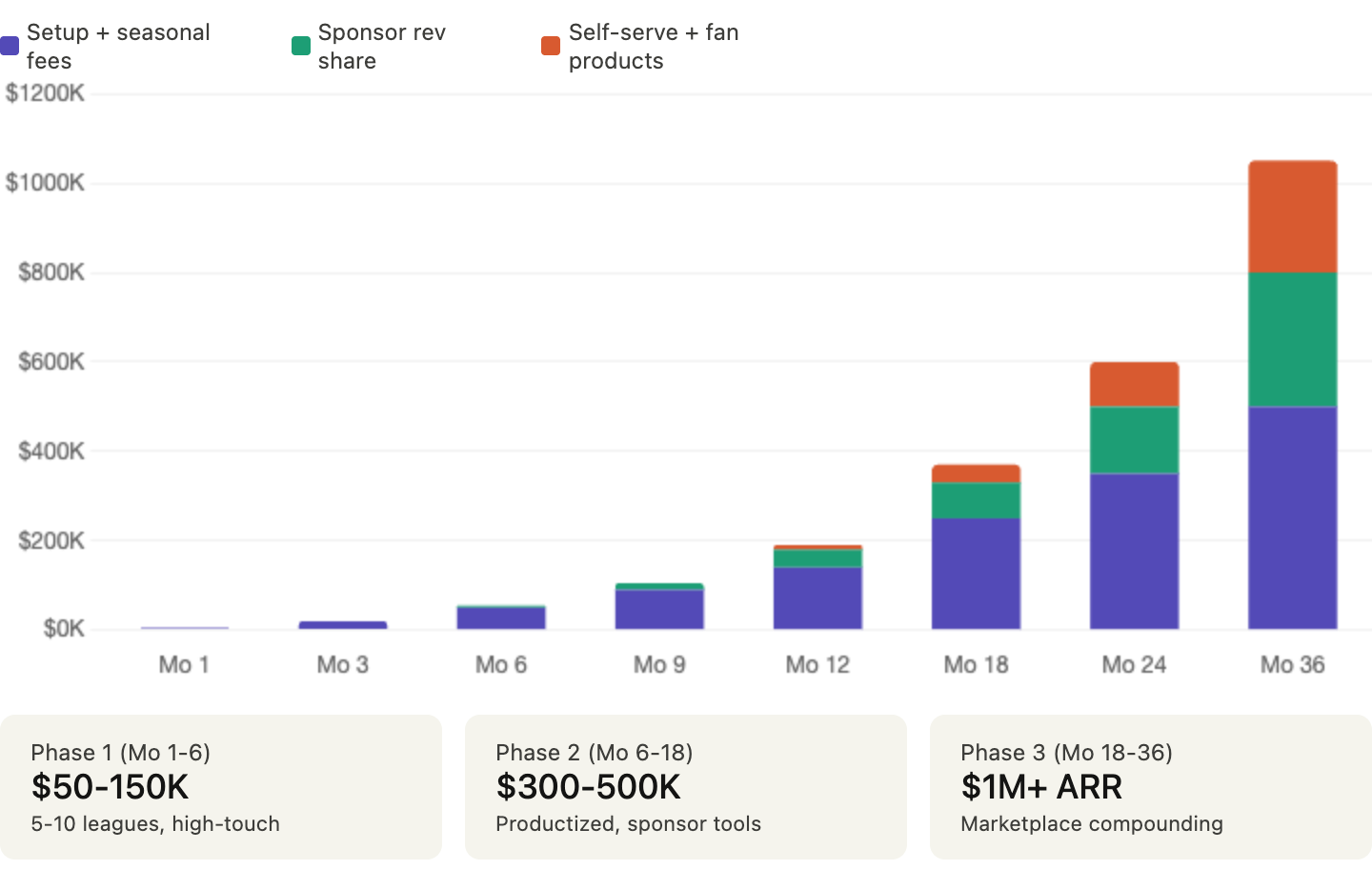
Soccer and futsal are the wedge. The real category is creator-run competitive formats. Revenue path: $50K–$150K in the first six months from high-touch launch packages, scaling past $1M ARR within 18–24 months as the sponsor marketplace compounds.
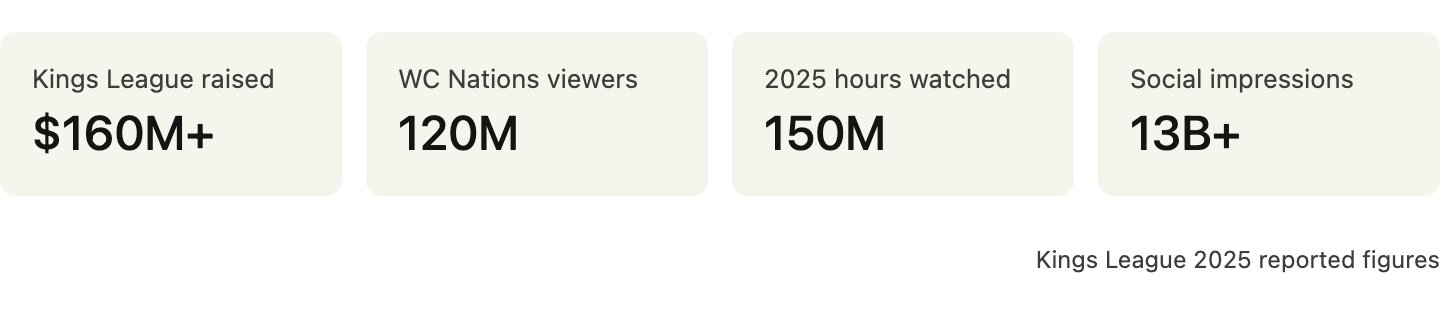
Creator-run sports leagues are landing in the U.S. market right now, backed by serious capital, blue-chip sponsors, and institutional media partners. Kings League has raised over $160 million. Baller League just kicked off its inaugural U.S. season with State Farm, Gatorade, and CBS Sports distribution. Between them, they've proven that creator-led sport is investable entertainment with real advertiser demand.
The gap is the operating layer underneath them — and the economics of filling it are compelling. Fifty leagues paying $5K/year in platform fees plus a 15% cut on sponsorship deals gets you past $300K ARR from a modest base. Push to 200 leagues and the sponsor marketplace starts compounding. $1M+ ARR within 18–24 months is realistic, and the ceiling keeps climbing from there. This is a micro-SaaS idea with a clear path to venture scale, if you sequence it correctly.
Both Kings League and Baller League are vertically integrated. They built their own infrastructure at massive cost. They prove the market without serving the long tail. The mid-tier creator with 200K subscribers and a great idea for a campus futsal league has no comparable path. Nobody is selling picks and shovels into this gold rush.
Why This Window Exists Right Now
Creator leagues are entering the U.S. simultaneously. Kings League, founded by Gerard Piqué in 2022, now runs seven men's competitions and two Queens League women's competitions across multiple continents. Its January 2026 World Cup Nations tournament in São Paulo drew over 120 million cumulative livestream viewers across 40 games, with 41,316 fans in the arena for the final. Sponsors include Adidas, Netflix, Spotify, and Visa. A U.S. launch is in motion with a managing director staffed in New York.
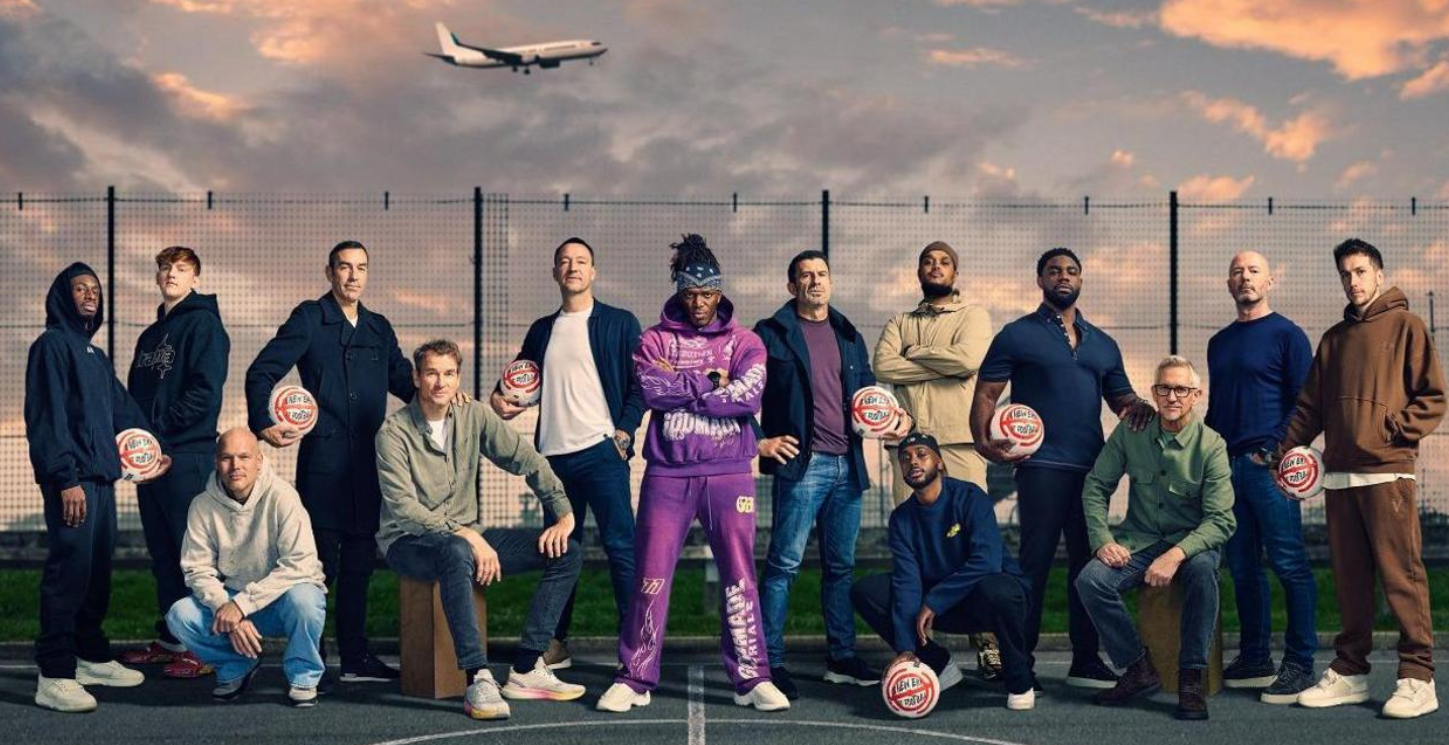
Baller League, a six-a-side competition founded by Felix Starck, launched its U.S. season in Miami on March 19, 2026. Team managers include IShowSpeed, Ronaldinho, Usain Bolt, Odell Beckham Jr., J Balvin, Kai Cenat, xQc, and Druski. Games air on CBS Sports Golazo Network and stream across managers' own channels. State Farm has the center circle sponsorship.
The audience data backs the thesis beyond these two properties. YouTube's February 2026 trends report on Latin American football found that 66% of Mexican sports fans ages 14–49 engage with creator or fan commentary weekly or more, 63% enjoy watching sports events invented by creators, and 82% of Brazilian sports fans visit YouTube monthly for fan-produced match coverage. Latin America showed the stack: creator first, format second, league third, media everywhere.
The 2026 FIFA World Cup arrives in North America this summer. Forty-eight teams, 104 matches, hosted across the U.S., Mexico, and Canada — the biggest single-sport event in history. YouTube is a Preferred Platform. FIFA is giving creators unprecedented behind-the-scenes access. Soccer attention in the U.S. is about to spike to levels it has never reached. That creates downstream demand for soccer-related content, events, and formats at every level.
Creator businesses have matured past content into owned IP. A micro-league with teams, seasons, rivalries, stats, standings, and tickets is dramatically stickier than a one-off challenge video. Creators increasingly want repeatable, sponsorable, community-rich formats — the kind of recurring business idea that compounds audience and revenue simultaneously. The infrastructure to launch those formats easily doesn't exist yet.
The Wedge: A Customer the Incumbents Can't Serve
The sports management software market is worth roughly $10 billion in 2025 and growing at double-digit rates. The dominant players — TeamSnap, SportsEngine, LeagueApps, Stack Sports — collectively control about 35% of the league management segment. They handle registration, payments, scheduling, parent communication, and compliance well.
They're built for a completely different operator.
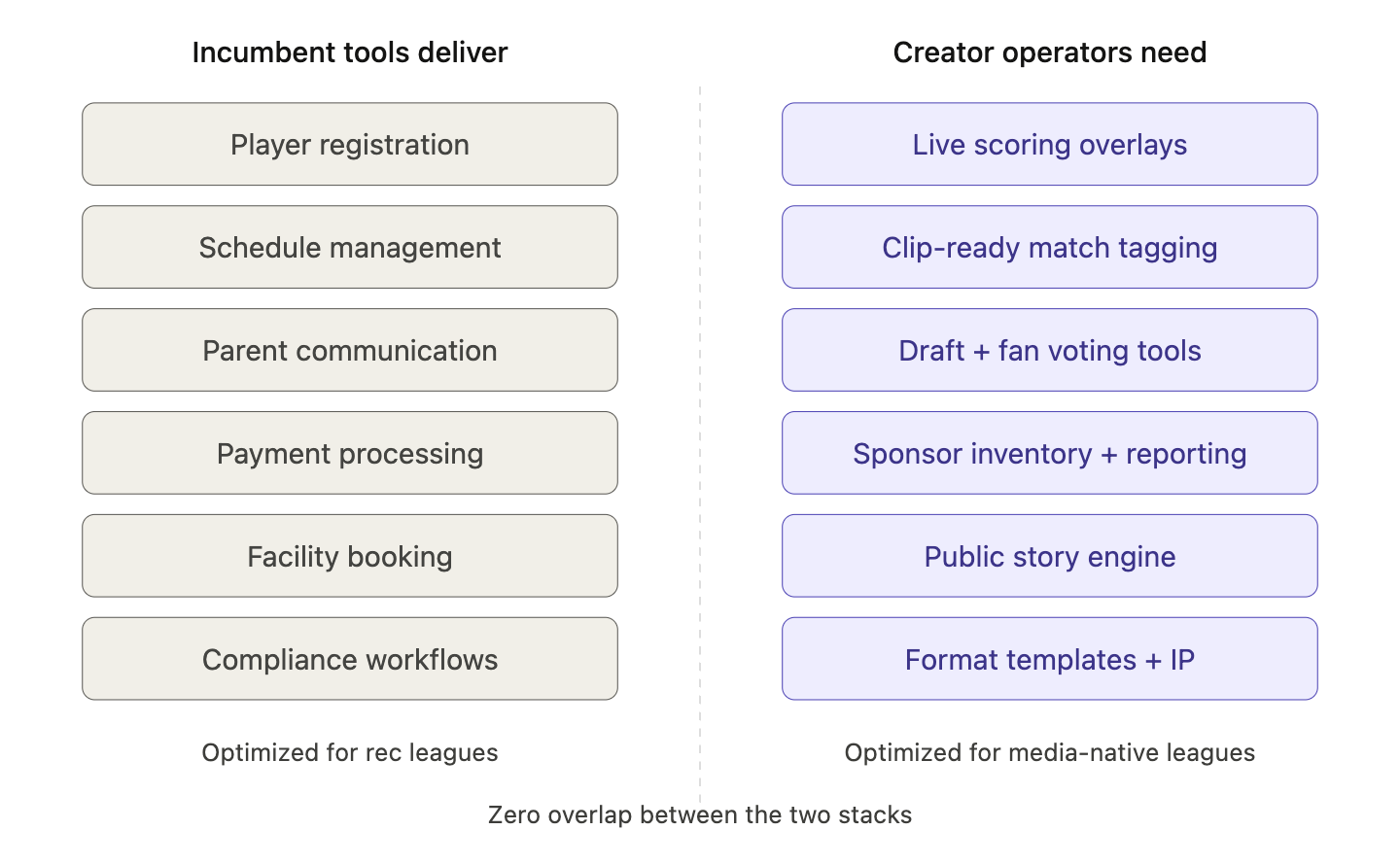
A creator running a futsal league with IRL events, live streams, and a TikTok clip strategy doesn't care about parent portals or volunteer coordination. They care about draft theatrics. Live scoring overlays. Vertical clip generation synced to match moments. Fan voting mechanics. Sponsor inventory they can package and sell. A public-facing story engine with standings, rivalries, player pages, and recaps that keep every match socially legible between game days.
You don't need to outbuild the incumbents across every league use case. You need to serve the customer they weren't designed for: the operator whose match is also a media asset, whose standings are also storylines, and whose season is also a content calendar.
What Most People Will Get Wrong About This Opportunity
The surface-level read is "build software for amateur leagues." Wrong abstraction. Wrong market framing. That's why most people will pass.
The real opportunity is software, format IP, normalized data, and monetization rails for social-native sports properties.
A standard rec-league SaaS sells into administrators, competes on feature checklists, and gets stuck doing low-emotion operational work. The creator-sports platform owns a fundamentally different layer: the game format itself, the clip pipeline, the fan interaction primitives, and eventually the sponsor marketplace.
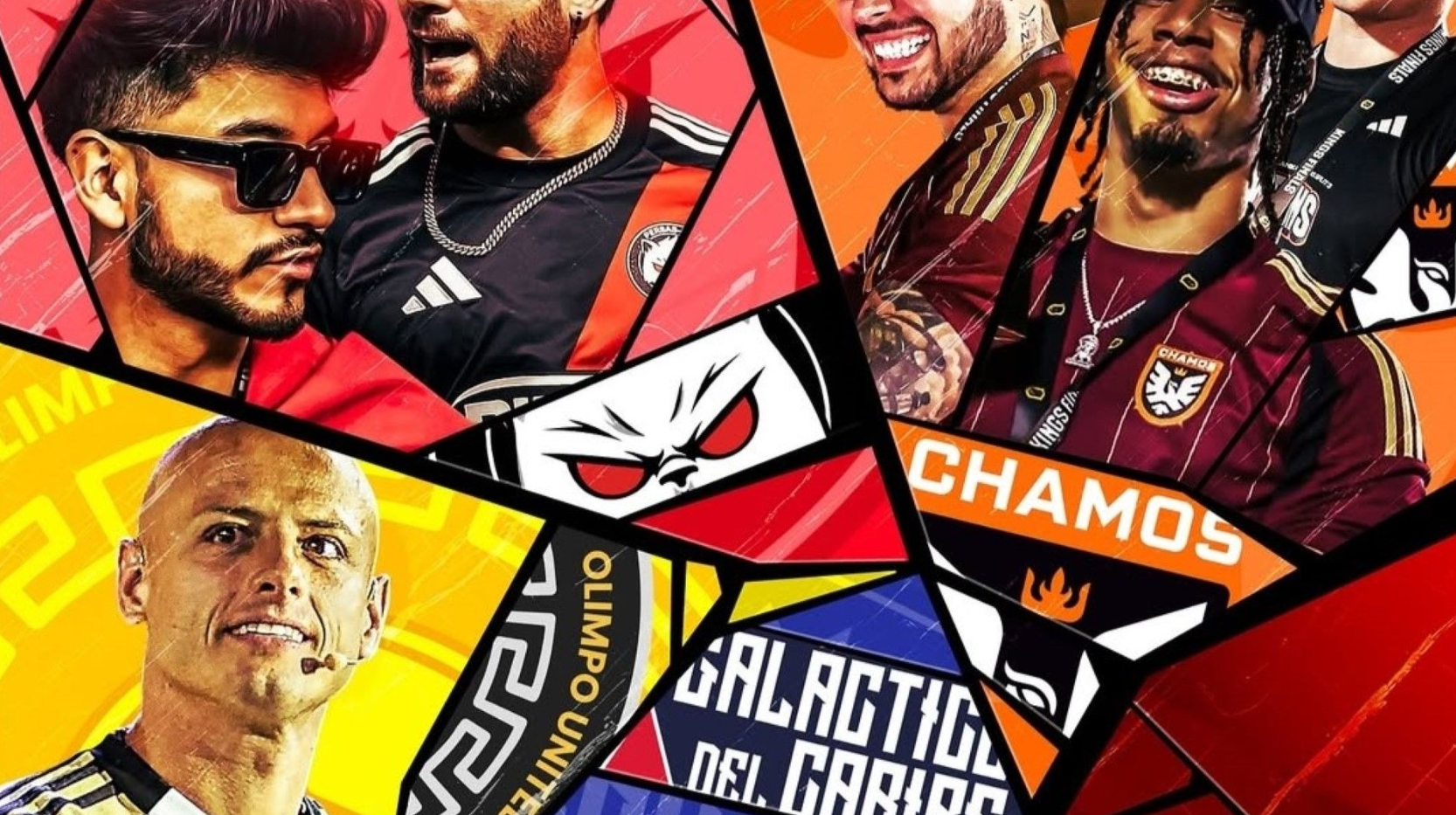
Look at why Kings League resonated. It wasn't soccer streamed online. It was soccer repackaged into a format engineered for digital fandom: short matches, gamified rules, power-ups, creator personalities as team owners, and participatory fan mechanics. The format is the product. The software just makes it easy to run.
If your platform ships with ready-made competition templates — specific rules, match lengths, scoring quirks, fan vote hooks, power-up mechanics, and content output triggers — you aren't selling infrastructure. You're selling a playbook. Organizers adopt a format in one click, and over time those formats become recognizable. Fantasy sports created its own logic layer on top of real games. You'd be creating new sport-entertainment logic layers natively optimized for creators and fans. The software distributes the format. The format creates demand for the software.
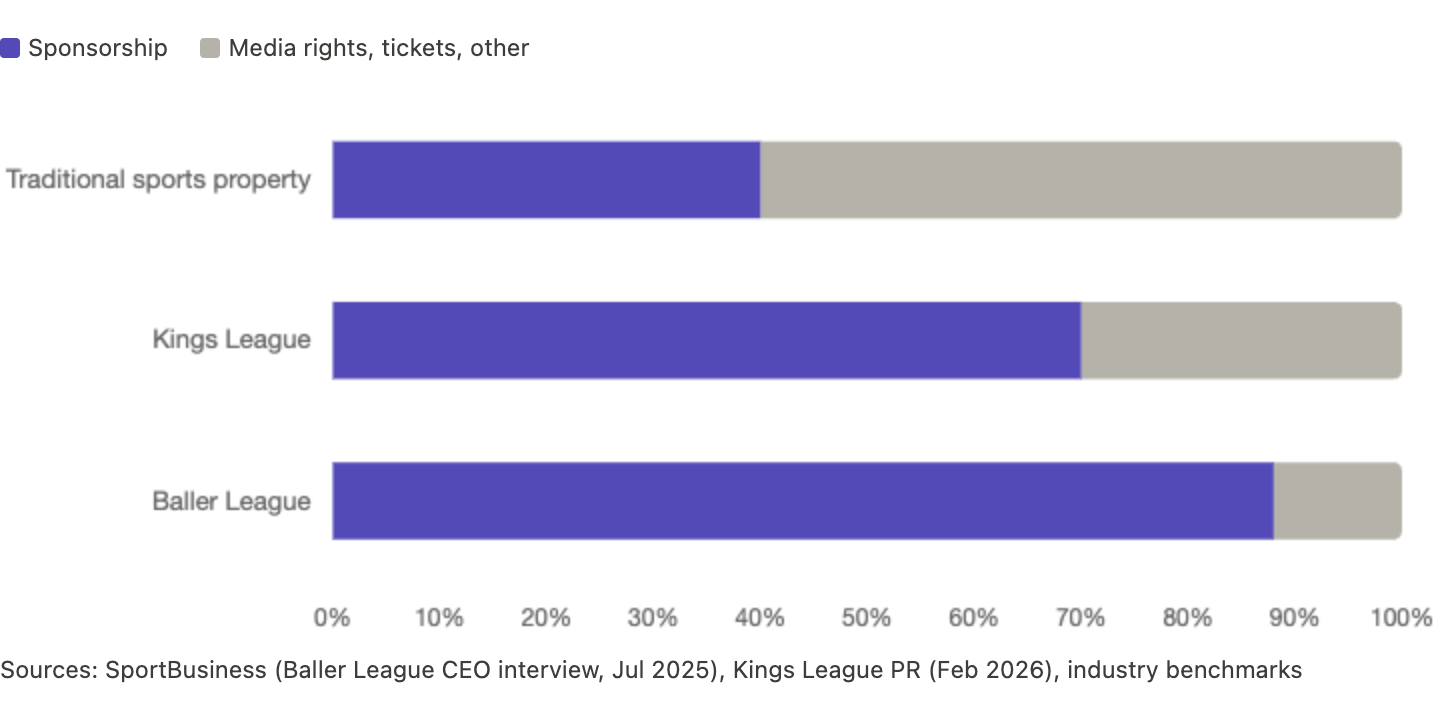
Baller League's CEO told SportBusiness that 85–90% of their revenue comes from sponsorship, far above the typical 40% for sports properties. In Germany, a single shirt sponsorship deal was worth €3 million per season. They deliberately keep streams free and tickets affordable to maximize audience scale and make the sponsorship pitch irresistible.
That economic model — free for fans, monetized through sponsors — is tailor-made for a platform that standardizes sponsor inventory across many leagues. If you can tell a brand, "Buy placement across 30 creator leagues running the same format in five cities, with standard ad units and consolidated reporting," you've graduated from software vendor to marketplace infrastructure for an entirely new ad surface.
What You'd Actually Build
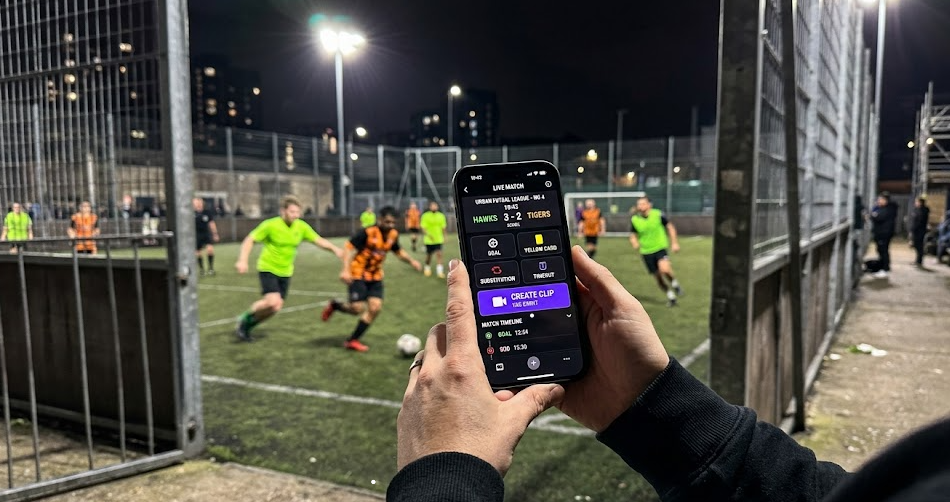
The product is LeagueOS for Creators: a creator-first operating system for running small-sided leagues and competitive formats designed to produce clips, fan participation, sponsor activations, and repeatable IP.
Version one needs to do six things well:
Unlock the Vault.
Join founders who spot opportunities ahead of the crowd. Actionable insights. Zero fluff.
“Intelligent, bold, minus the pretense.”
“Like discovering the cheat codes of the startup world.”
“SH is off-Broadway for founders — weird, sharp, and ahead of the curve.”


