


Starter tier at $299–$499/month, agency plans at $1,500–$3,000/month, enterprise at $10K+. Early revenue through services before the SaaS matures. Best fit for solopreneurs and small teams selling into mid-market creative agencies and DTC brands with active creator budgets.
YouTube's new Reimagine feature lets any viewer grab a frame from an eligible Short, feed it through Google's Veo model with custom or Gemini-suggested prompts, upload up to two reference photos, and publish a new eight-second clip that automatically links back to the original. It launched March 18, 2026 inside the existing Remix tool on Shorts. Creators can opt out of having their Shorts eligible for Reimagine, but opting out disables traditional remixing too.
Most people will see another AI creative toy. Look past that. YouTube has wired derivative creation to native attribution inside its short-form product. Every Reimagined Short points back to its source. The original video is no longer just content — it's a seed asset: a designed origin point engineered to spawn new media downstream.
The business opportunity is a remix-native campaign operating system. Software that helps brands publish remixable Shorts, steer fan derivatives with prompt scaffolding, run bounty mechanics, and measure derivative spread. A lean team can start generating revenue through pilot fees and monthly retainers within weeks, then layer SaaS on top as the data compounds. Starter plans for solo creators and small DTC brands, Pro tiers for agencies managing multiple campaigns, Enterprise packages for multi-brand programs.
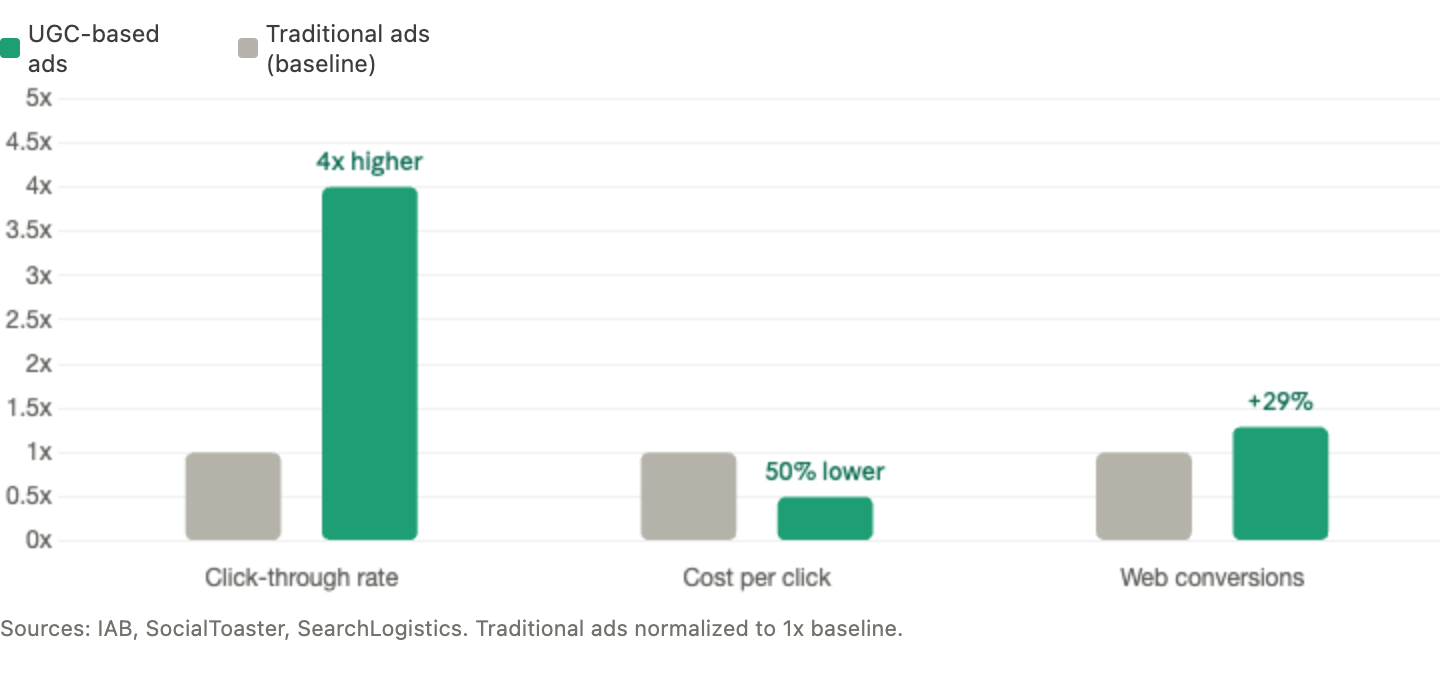
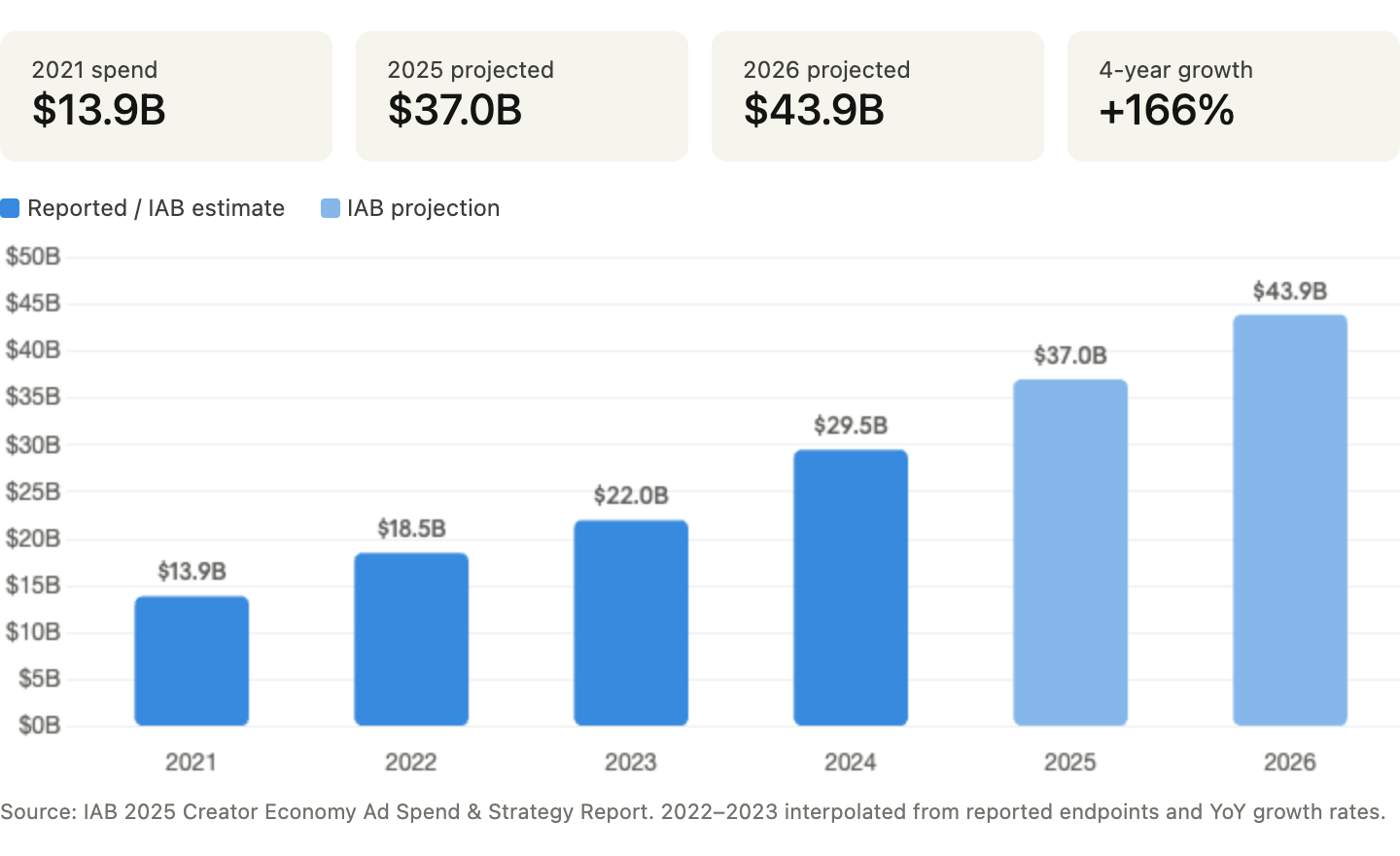
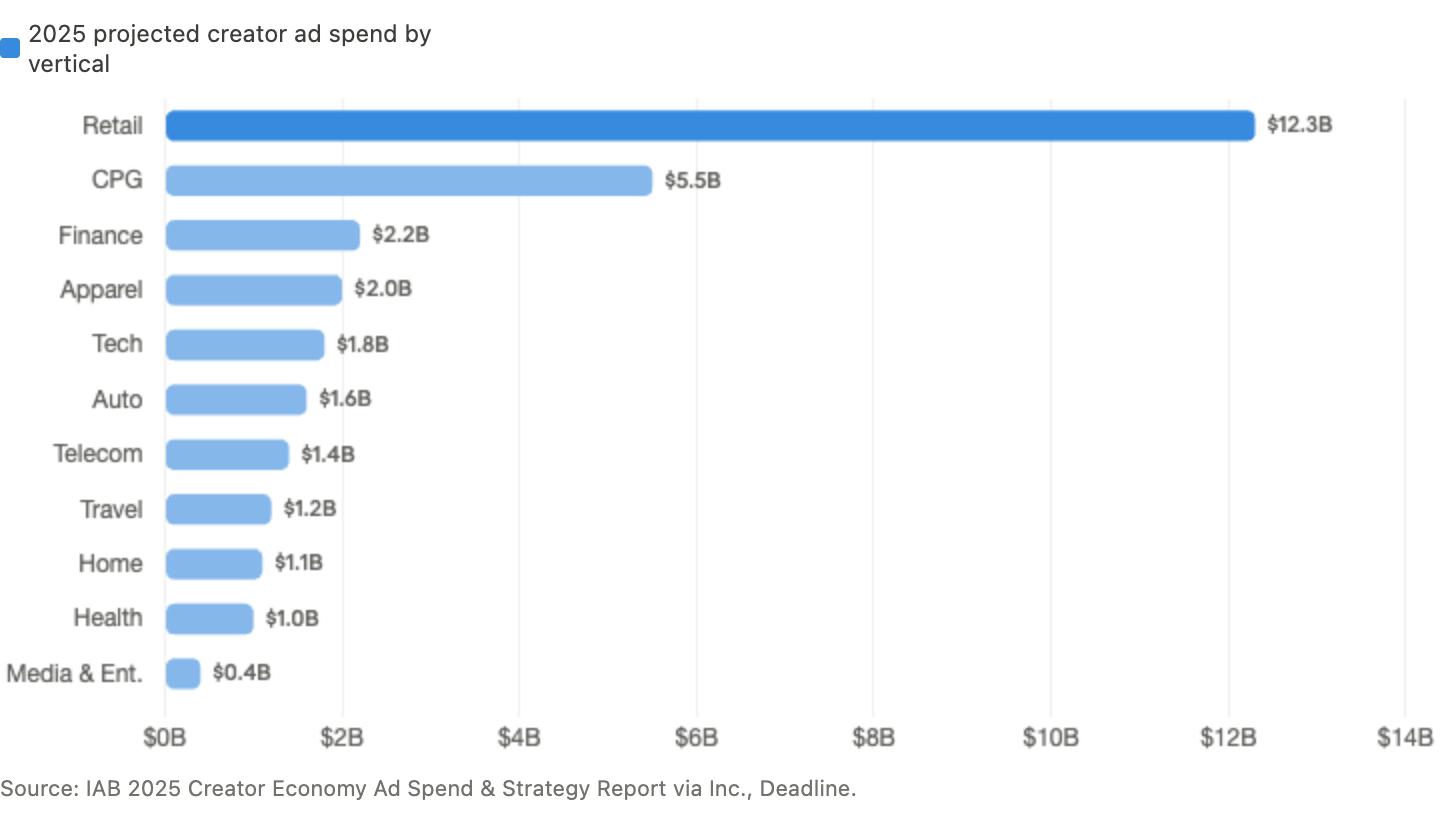
The market context makes this worth moving on quickly. YouTube Shorts now exceeds 2 billion monthly active users globally and generates over 200 billion daily views. U.S. creator ad spend is projected at $37 billion for 2025 according to the IAB, up 26% year over year and roughly four times faster than the overall media industry. That spend more than doubled since 2021. Nearly half of ad buyers now consider creators a "must buy" channel. Retail alone is projected to spend $12.3 billion on creator ads. UGC-based ads achieve four times higher click-through rates and 50% lower cost-per-click compared to traditional creative. Brands using UGC see 29% higher web conversions.
The largest short-form video platform, a creator ad market accelerating past $37 billion, brands desperate for authentic participatory content, and a brand-new feature that structurally connects derivatives back to source material.
The Real Play
If you look at Reimagine the way most people will, you build a creator assistant with prompt suggestions, template packs, and lightweight analytics. Decent small business idea for a solo builder. Not what we're here for.
The heist is treating Reimagine as the beginning of a new campaign format — one where the instruction changes from "watch this ad" to "mutate this source artifact."
Meme logic beats ad logic. TikTok's Duet, Stitch, and Spark Ads already trained hundreds of millions of users that media is something you answer, borrow, parody, or extend. Instagram frames Remix as making your own Reel from someone else's video. YouTube is pushing that same cultural behavior further with AI-assisted generation and automatic source linkage baked in.
This gives you a wedge into what could become a new campaign category: remix-native campaign infrastructure. The most valuable company in this space won't be "AI for Shorts." It's the software layer that helps brands, agencies, and creators intentionally publish reimaginable media, then measure and govern what happens after viewers start creating derivatives.
Why This Has Teeth
YouTube baked attribution into the medium. Every Reimagined Short links back to the original work. If derivations point back to a source, source assets become measurable. Without attribution, remixes are cultural noise. With attribution, they start to look like a performance channel.
Brands already prefer content that doesn't feel like advertising. IAB data says creator media has moved from experimental to core budget line item. The most common campaign goal (43% of buyers) is brand awareness — the kind of objective that benefits from participatory, shareable content over polished one-way spots.
Cross-platform user behavior is already trained. TikTok normalized co-creation. Instagram normalized Remix. YouTube already had several remix modes before Reimagine. You're not betting on a brand-new behavior. You're betting that AI reduces friction enough to make derivative creation more abundant and more brand-legible.
Rights and compensation are still messy. A third of advertisers say finding the right creator is their biggest challenge. 95% have concerns about AI in creator campaigns, with the top worry being loss of human connection. The operational stack around permissions, payouts, and approved re-use for derivative content barely exists. Messy operational problems that nobody wants to touch are where defensible margins live.
Three New Abstractions
Before we dive into MVP and GTM strategies, we have to understand the background and how it creates new insights. First, the value doesn't sit in the AI model. It sits in three new abstractions that Reimagine creates:
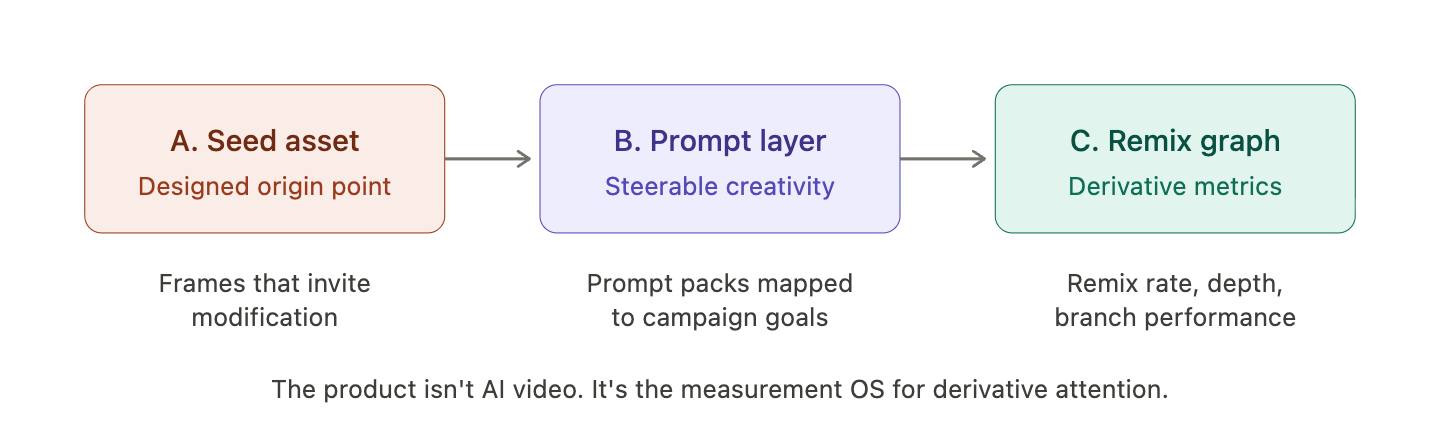
A. The Seed Asset
A Short is no longer just content. It's a designed origin point. The best seed assets will have frames that invite modification: empty space, obvious insertion points, transformation hooks, strong visual silhouettes, or situations where the viewer can imagine "me, but different." The creative brief changes from "make a good ad" to "make a source clip that other people want to fork." GoPro built a billion-dollar content engine by letting customers film their own adventures with its hardware. Same instinct, compressed into a single frame that AI can extend.
Unlock the Vault.
Join founders who spot opportunities ahead of the crowd. Actionable insights. Zero fluff.
“Intelligent, bold, minus the pretense.”
“Like discovering the cheat codes of the startup world.”
“SH is off-Broadway for founders — weird, sharp, and ahead of the curve.”


