


Coco Chanel was 71 when she dropped the bag. February 1955, Paris. She called it the 2.55 because that was the month and year she finished the design. Two-fifty-five. The name was the timestamp.
The bag itself was a small revolution. Until 1955, women carried clutches, which meant they didn't carry anything else, because both hands were occupied. Coco added a chain shoulder strap she'd lifted from the keys the caretakers wore at her childhood convent in Aubazine. The diamond quilting came from jockeys at the racetrack. The burgundy lining matched the red of her convent uniform. The front clasp got named the Mademoiselle Lock because Coco never married and apparently wanted everyone to remember it.
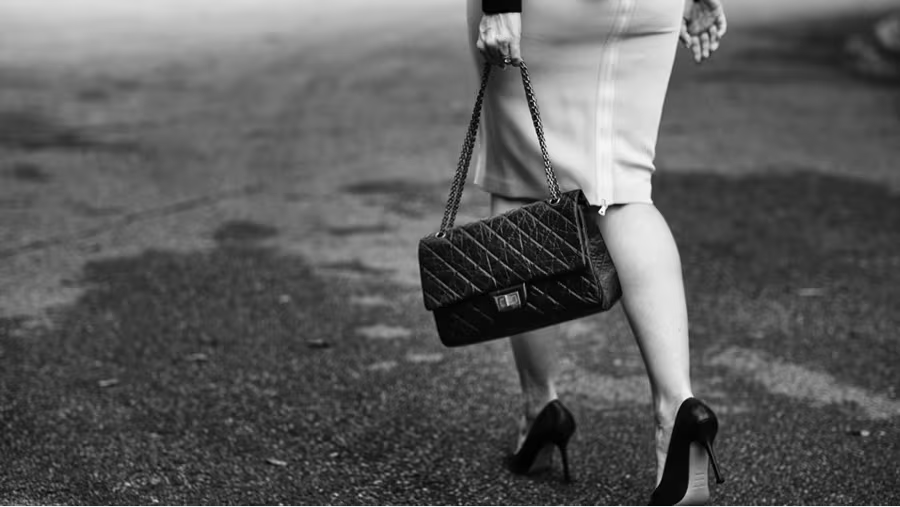
Seventy years later, used 2.55s still go for ten grand and up.
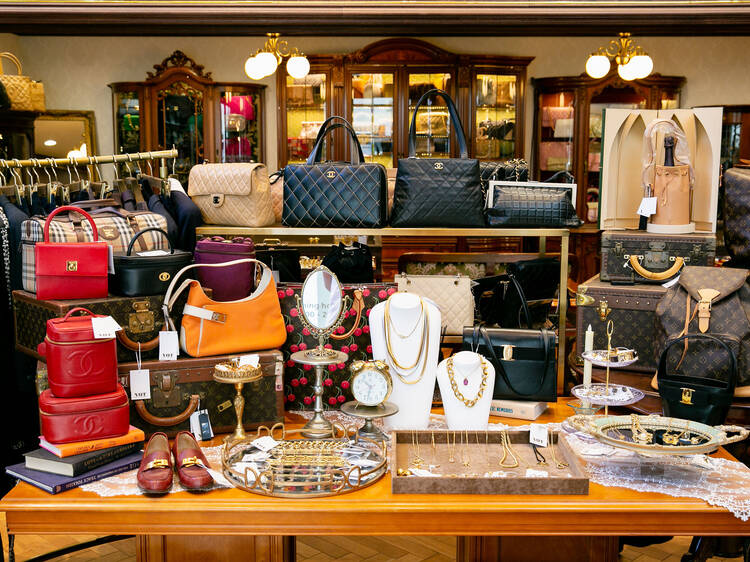
Coco understood something resale platforms in 2026 still haven't figured out. The year is worth saying out loud. Birth-year buyers want an object that announces "this is from my year," and right now they're stuck scrubbing through RealReal listings hoping the date code is real.
Today's idea is a search and concierge layer for vintage handbags and watches, built around one filter the marketplaces refuse to feature: birth year. The Birthday Bag Search Engine sits on top of RealReal, Vestiaire, Chrono24, and eBay, and turns a buyer's intent into a ranked shortlist. "Find me an iconic 1996 bag under $900, giftable, not obviously fake." Six options come back, ranked by year confidence, condition, and emotional fit.
The economics:
- Luxury resale: $32B globally in 2024, projected $50B by 2030
- Handbags = 40%+ of the category, the single largest slice
- Front Page Finds reported 138% growth in birth-year bag demand in early 2026
- A solo founder can hit $20K–$40K MRR with concierge tiers ($29 to $299), dealer leads, and affiliate
Read the full playbook here:
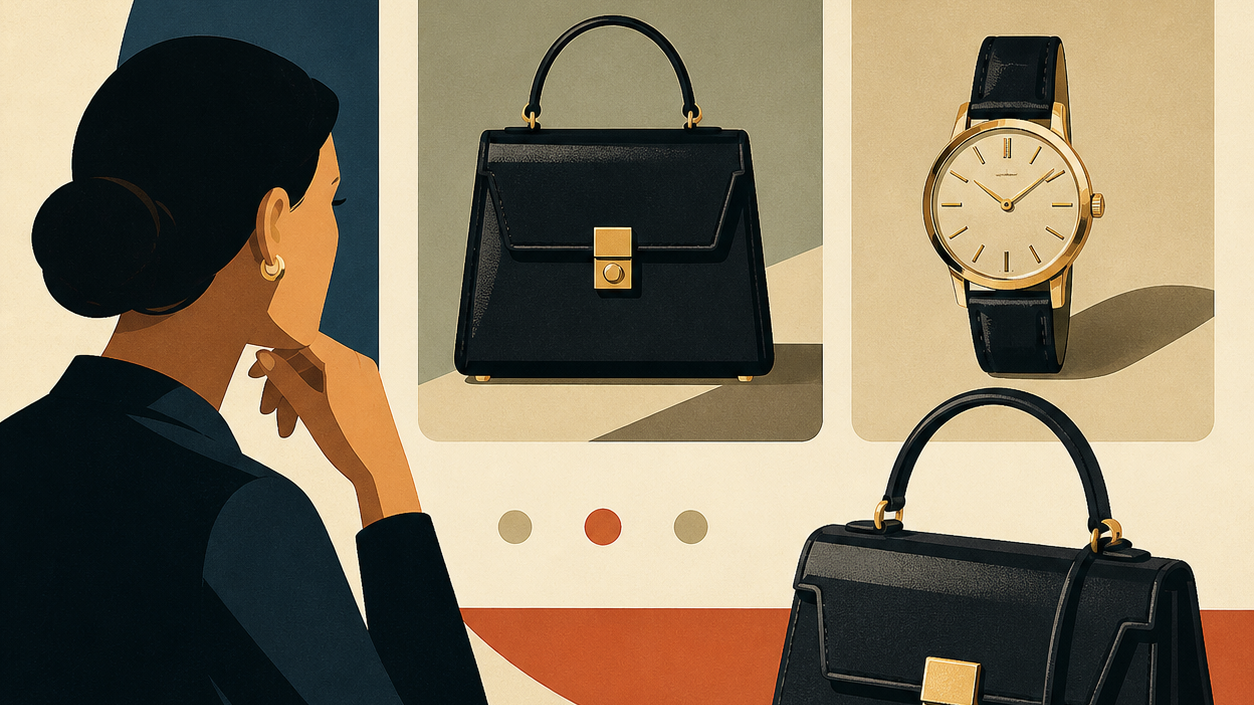
Luxury resale is a $32B market built around inventory. Birth-year buyers want a match between object and moment — and no marketplace is built for that search.
From the Vault:
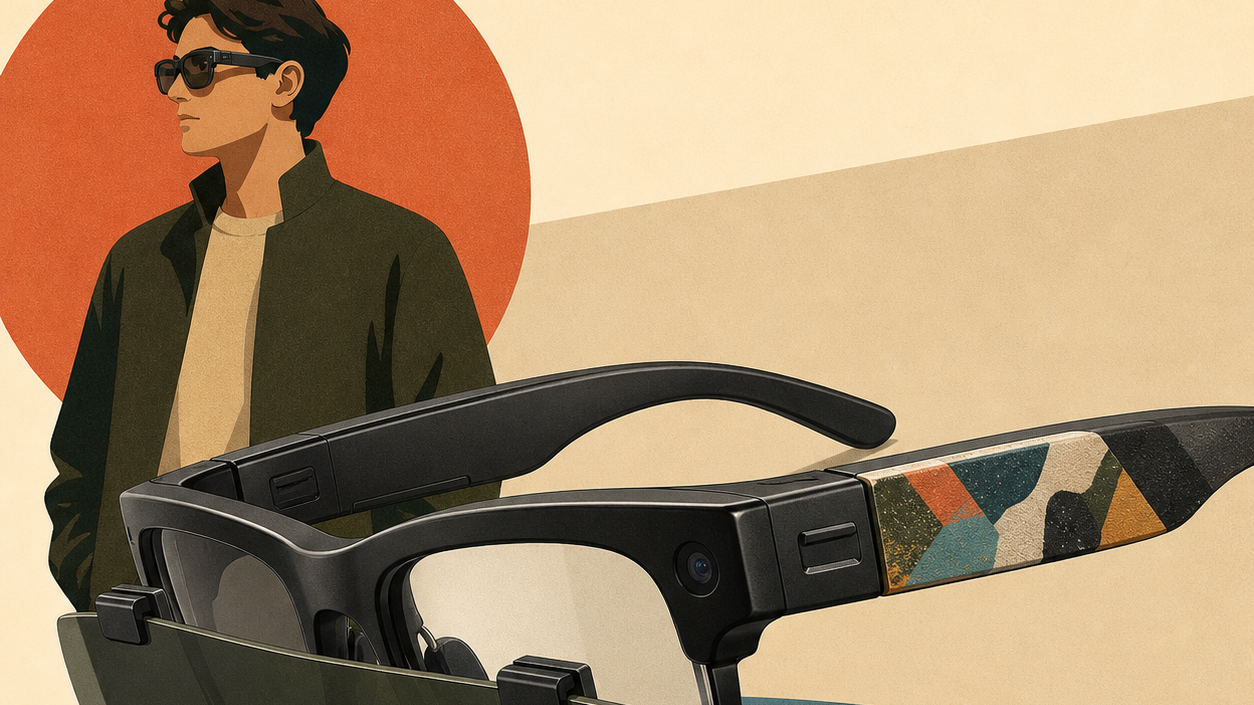
Ray-Ban Meta shipped 7 million AI glasses in 2025. The accessory brand built around that hardware — skins, clips, privacy kits, bundles — doesn't exist yet.
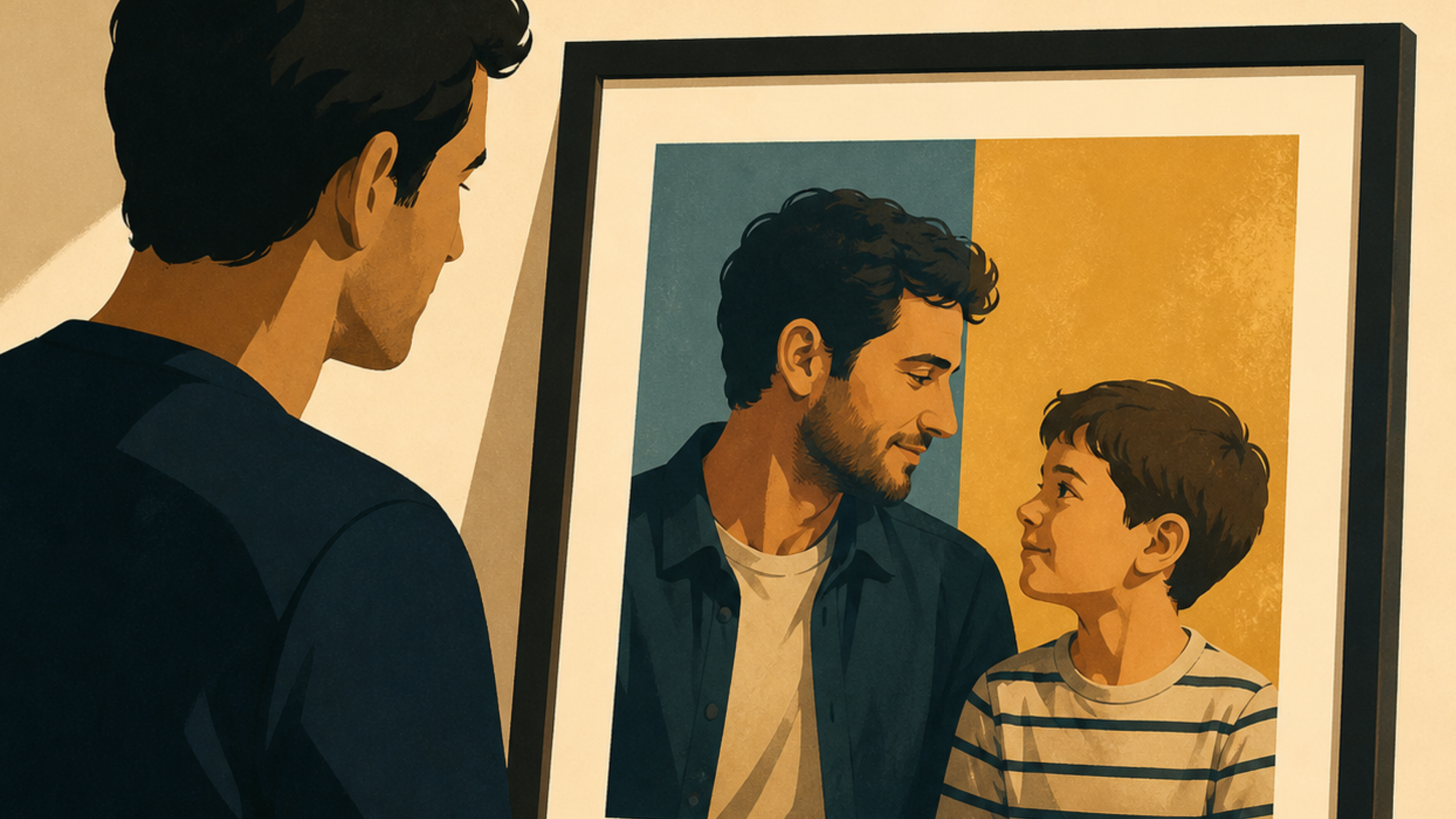
The "younger self" AI portrait trend is already viral. The business is packaging that raw emotion into a Father's Day gift product before the moment passes — framed prints, $24B market.


