


A 30th birthday used to mean dinner, drinks, maybe a watch if someone was feeling generous.
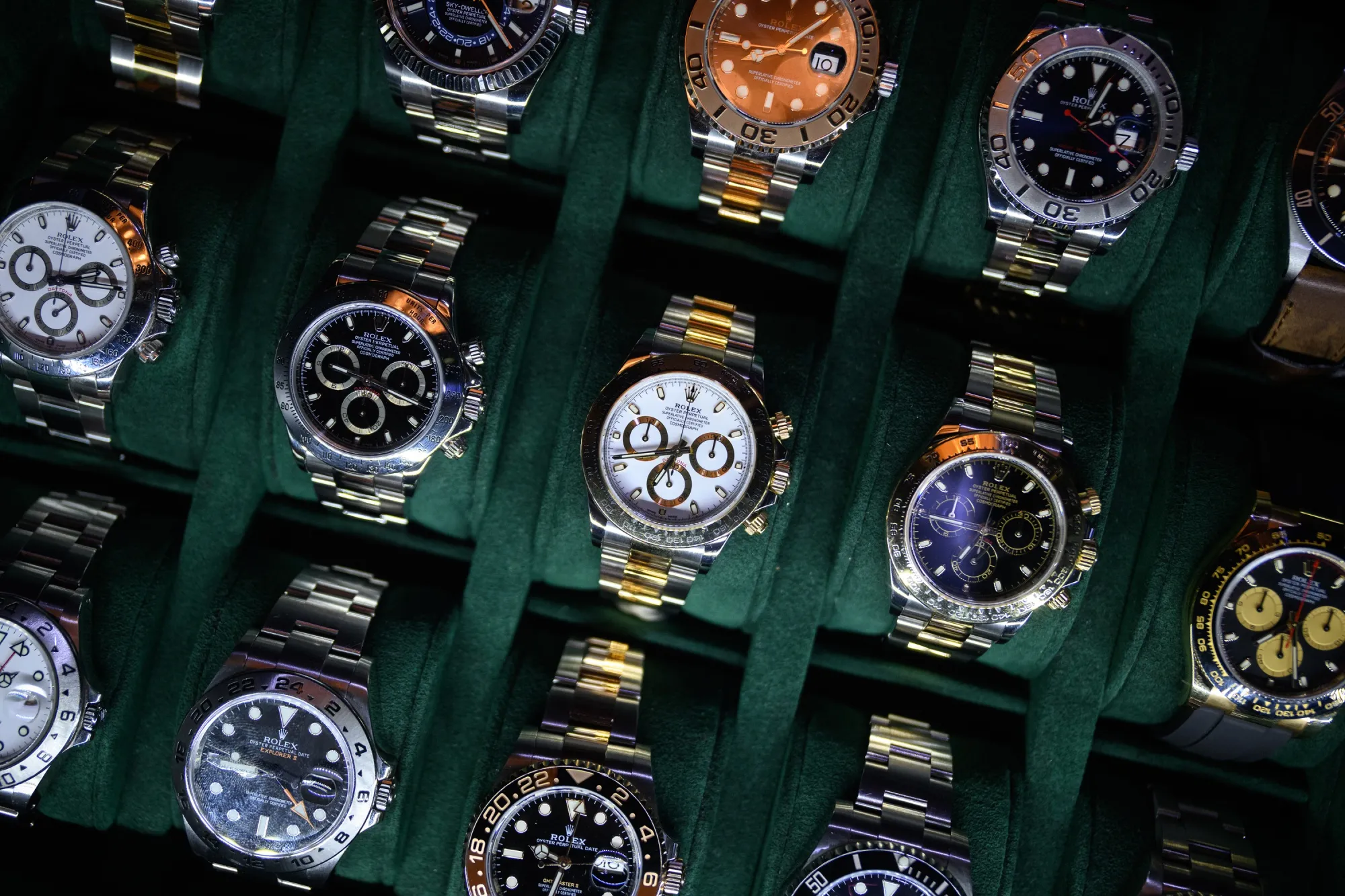
Now it can mean something stranger and more interesting: a 1996 Lady Dior. A 1999 Chanel tote. A Rolex from the year you were born. A vintage object that says, quietly but unmistakably, this is the year I entered the world.
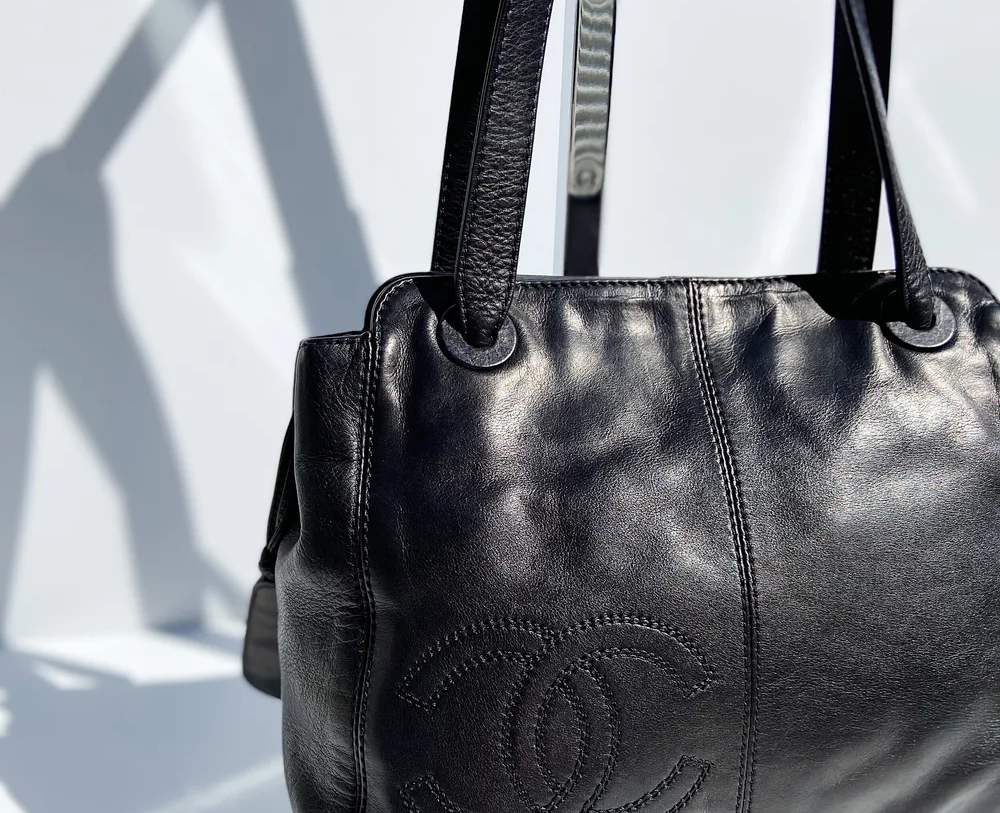
It sounds like a TikTok shopping quirk until you look closer. The buyer isn't searching "cheap Chanel bag." She's searching for an object with a timestamp. The value isn't the brand, the material, or the discount to retail. The value is the match between the object's production year and the buyer's own life.
Here's the opportunity:
The money: A solo founder can hit $20K-$40K MRR from concierge tiers, dealer leads, and affiliate commerce. Front Page Finds reported 138% growth in birth-year bag demand in early 2026.
Inside:
• 30-day MVP scope with concierge pricing
• Three-phase build: manual to search to SEO
• Four moats: data, intent, taste, dealers
• Cold outreach template for vintage dealers
This isn't another luxury resale marketplace. That would be a bad idea. The RealReal, Rebag, Vestiaire Collective, Chrono24, eBay, and Fashionphile already own supply, authentication, buyer trust, and logistics. The opportunity is the intent layer on top of them.
A buyer doesn't want to browse 9,000 listings. She wants to say: "Find me a 1994 bag under $900 that feels iconic, is giftable, and isn't obviously fake." That's a search, curation, provenance, and alerting problem, and it's exactly the kind of narrow emotional commerce wedge a small team can steal before the platforms notice.
The Market Signal
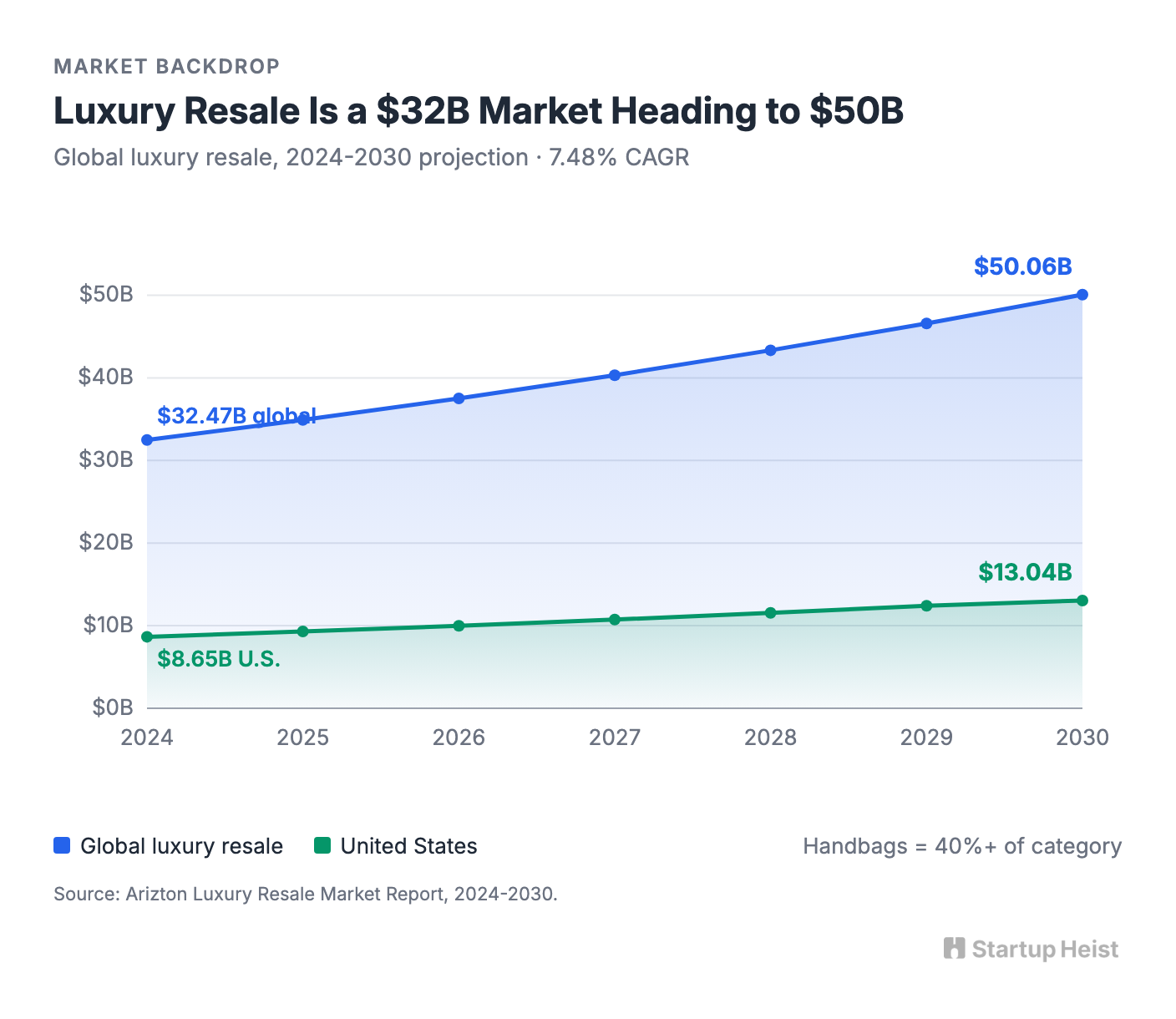
Luxury resale is already a large, functioning market. Arizton pegs the global luxury resale market at $32.47 billion in 2024, projected to reach $50.06 billion by 2030 at a 7.48% CAGR. Handbags account for more than 40% of that, the single largest category. The U.S. slice alone is roughly $8.65 billion in 2024, on track for $13.04 billion by 2030.
The category isn't theoretical. The RealReal hit $2 billion in GMV in 2025, with 1.056 million trailing twelve-month active buyers in Q4 2025, up 9% year over year. Q4 average order value reached $641, up 11%, driven by demand for higher-priced fine jewelry and watches. Birth-year luxury doesn't work as a bargain bin. It works when the buyer already believes the object has emotional and financial meaning. A $35 used accessory from 1996 is cute. A $700 vintage Lady Dior from 1996 is a story. A $3,500 birth-year Rolex is a milestone object.
The recent "birthday bag" behavior is the clearest consumer signal. The New York Post reported on April 27, 2026 that shoppers were hunting vintage designer bags from their birth year: 1996 Lady Dior, 1999 Chanel totes, 1999 Hermès Kelly 35, 1988 Louis Vuitton Speedy. Vintage seller Front Page Finds reported a 138% increase in birth-year bag demand since the start of 2026. A TikTok video featuring a 1996 Celine Macadam bag pulled over 5 million views. The seller number is anecdotal, not market-wide proof, but the behavior itself is specific enough to matter. This is how small consumer opportunities usually appear: not as a market report, but as a weird search phrase that suddenly makes emotional sense.
What's Broken: Inventory Versus Occasion
Most resale marketplaces are built around inventory. Birth-year luxury is built around occasion. A normal luxury resale marketplace asks: what brand, what size, what color, what condition, what price? Birth-year search asks: what year matters to you, what story are you trying to tell, is this for yourself or someone else, what object would feel worthy of the milestone?
The big platforms aren't bad. They're just not designed for this job. The RealReal is built around authenticated luxury resale at scale. Rebag is strong on valuation and luxury pricing intelligence. Chrono24 is a deep vertical marketplace for watches. eBay has massive long-tail supply. Vestiaire has global inventory and fashion credibility. None of them owns the emotional search layer.
Search "1996 Lady Dior" on any of them and you might find something. Maybe. If the listing title includes the year, if the seller knows the production year, if the platform metadata exposes it, if you know the right terms. The buyer doesn't want to become a handbag archivist. The gift-giver doesn't want to learn Chanel serial numbers. The 30-year-old buying herself a milestone piece doesn't want to spend six hours comparing questionable listings across five tabs.
The gap isn't supply. The gap is interpretation. BirthYear can sit between buyer intent and marketplace chaos, translating "I want something iconic from 1994 under $1,000" into "Here are six plausible options, ranked by year confidence, giftability, condition, resale reputation, and emotional fit." The ranking layer is the product.
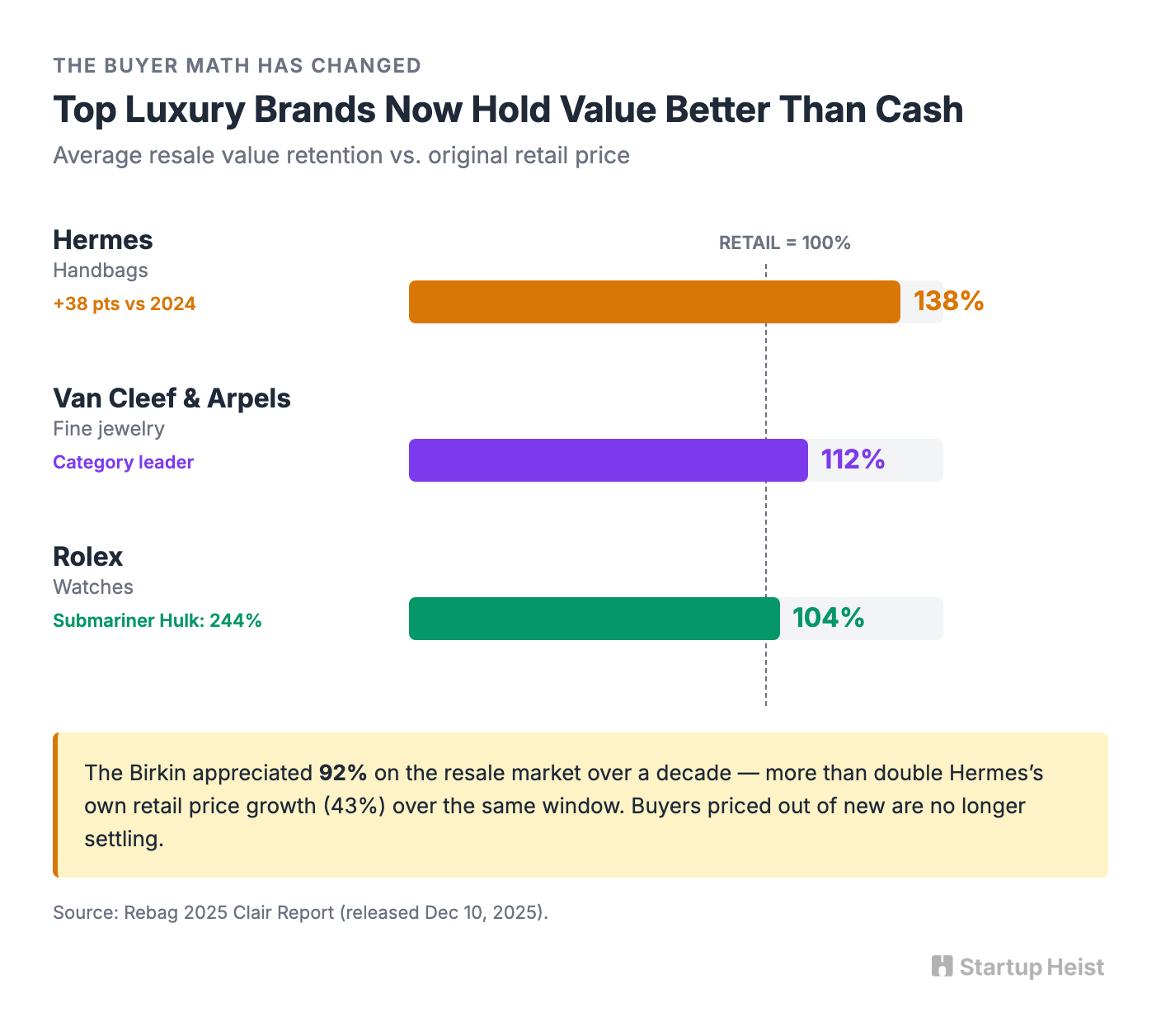
The Thesis: Why Handbags and Watches, Why Now
Unlock the Vault.
Join founders who spot opportunities ahead of the crowd. Actionable insights. Zero fluff.
“Intelligent, bold, minus the pretense.”
“Like discovering the cheat codes of the startup world.”
“SH is off-Broadway for founders — weird, sharp, and ahead of the curve.”


