


In March 2007, Safaricom and Vodafone launched M-Pesa in Kenya on cheap Nokia phones. M for mobile. Pesa is Swahili for money. The mechanism was almost embarrassingly simple. A customer walked into a local kiosk with cash and any ID. The agent behind the counter, usually a shopkeeper or a barber or a guy who also sold hardware, tapped a few buttons. Cash went into the till. Digital balance landed on the customer's phone over SMS. Sending money home was another text, and a different shopkeeper in a different town handed the recipient cash from his own till.
Twelve months in, M-Pesa had 2 million users. By 2011, 17 million. M-Pesa outlets outnumbered every bank branch, ATM, and post office in Kenya combined, five-to-one.
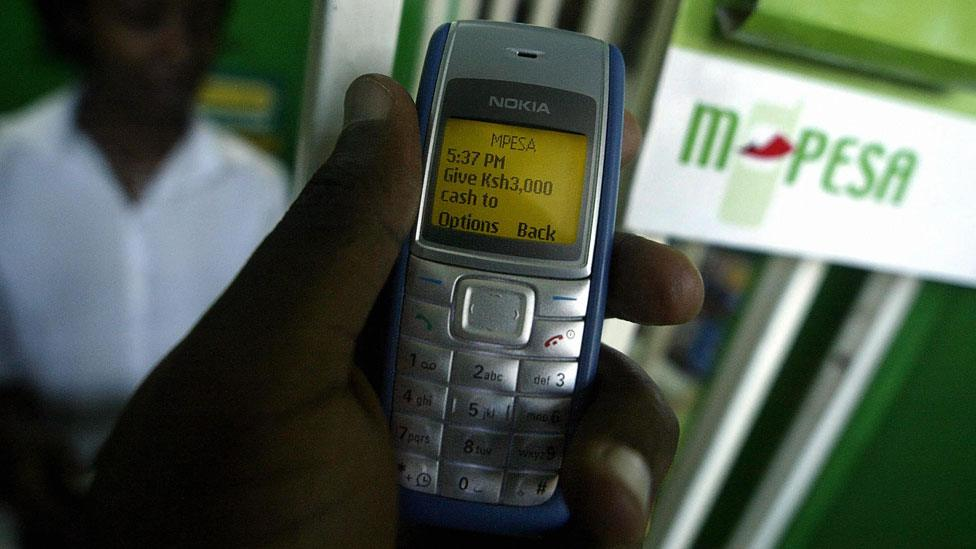
Send-money-by-SMS wasn't new in 2007. The clever part was the agent network. M-Pesa never owned a single kiosk. It made the bodega the bank.
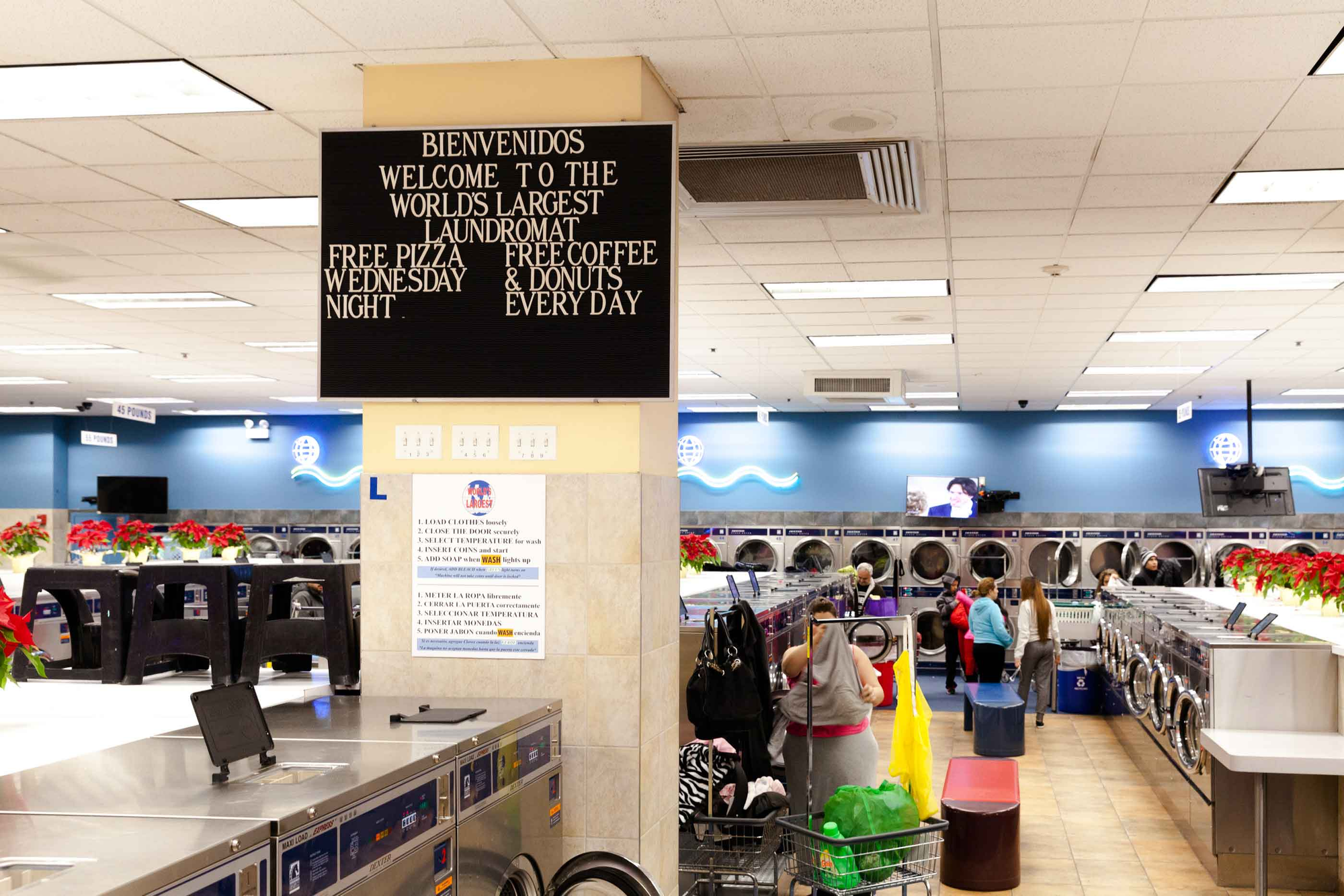
Now look at the United States in 2026. 5.6 million households have no bank account, another 19 million are underbanked, and most of them carry smartphones and use WhatsApp every day. Modern phones, archaic money. Their financial life still moves through laundromats, bodegas, ethnic groceries, and wire-transfer windows with bulletproof glass.
Then in May 2025, MoneyGram and Stellar shipped Ramps, a developer API that converts cash into digital dollars (Circle's USDC) across 180+ countries, no bank account required. The rails are finally here. Nobody has packaged the interface for the laundromat in Fresno or the bodega in Jackson Heights.
Today's idea is the kiosk-in-a-box for that gap. A bilingual Android tablet locked into one app, sitting on the counter at trusted local merchants — laundromats, bodegas, prepaid phone shops. Phone top-ups and prepaid card loading are the trust wedge. Remittance, wallet deposits, and the full immigrant financial-services bundle layer on from there. The startup never touches the cash. It sells the software, the compliance workflow, and the merchant dashboard. Setup runs $499–$1,500 per location, software $99–$299 a month, plus a slice of every transaction. Twenty good locations clear $3–8K MRR before you've even tried to scale. The bigger play underneath: the operating system for America's cash-to-digital financial life.
Read the full playbook here:
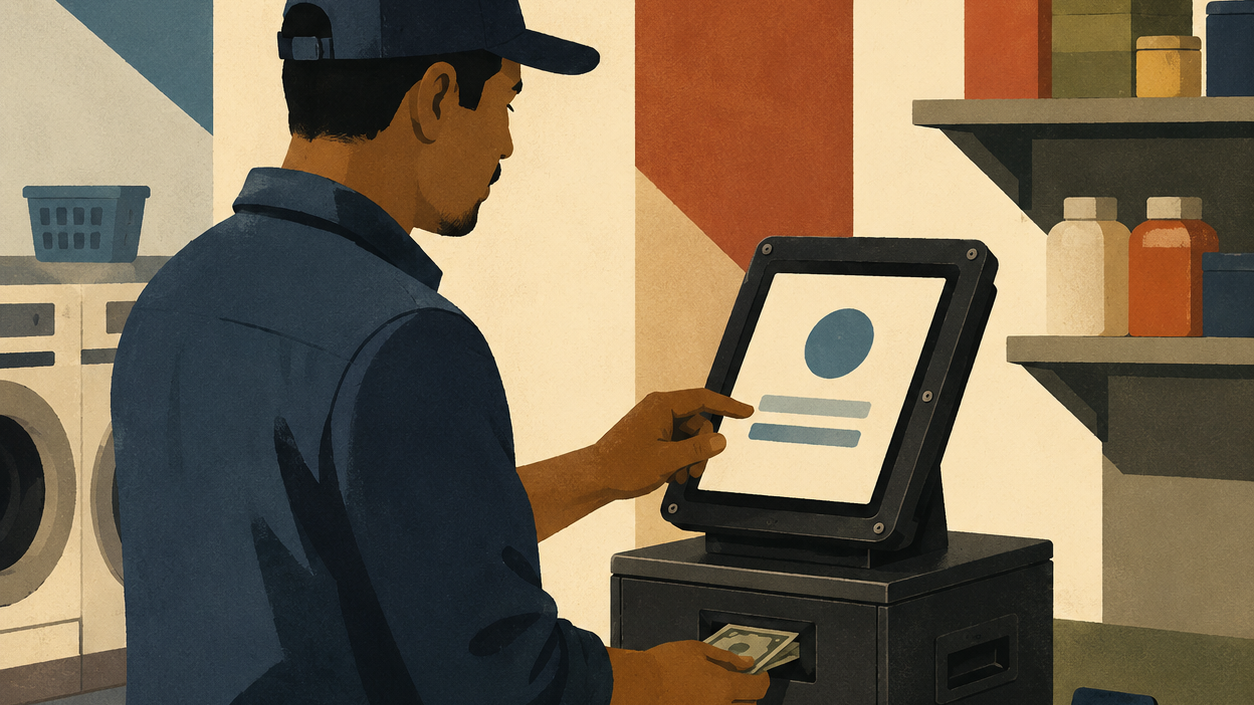
MoneyGram Ramps opened the rails. Nineteen million underbanked U.S. households are already at the counter. The software layer connecting them to local merchants doesn’t exist yet.
From the Vault:

Students and workers are using AI constantly while living under erratic detection, unclear policies, and a 2-5% false-positive rate — and nobody has built the calm, responsible field guide they’ll actually pay for.

Local SMBs lose revenue every slow Tuesday afternoon. A POS-agnostic offer engine that reads sales, weather, and daypart signals can turn dead hours into same-day campaigns automatically.


