


Around 1900, if you ran a factory, you also ran a power plant. Down in the basement sat a coal-fed steam engine or a private dynamo, plus a crew to babysit it. Power was something you made yourself, on-site, because that's how it had always been done.
Then Samuel Insull built the central station. One giant generating plant, wires running out to everyone, electricity sold by the meter. Suddenly the factory owner didn't need a dynamo or the man who tended it. He flipped a switch and bought power off the grid, cheaper and steadier than anything he could run in his own basement. Within twenty years the private dynamos were scrap. Making your own power went from obvious to quaint.
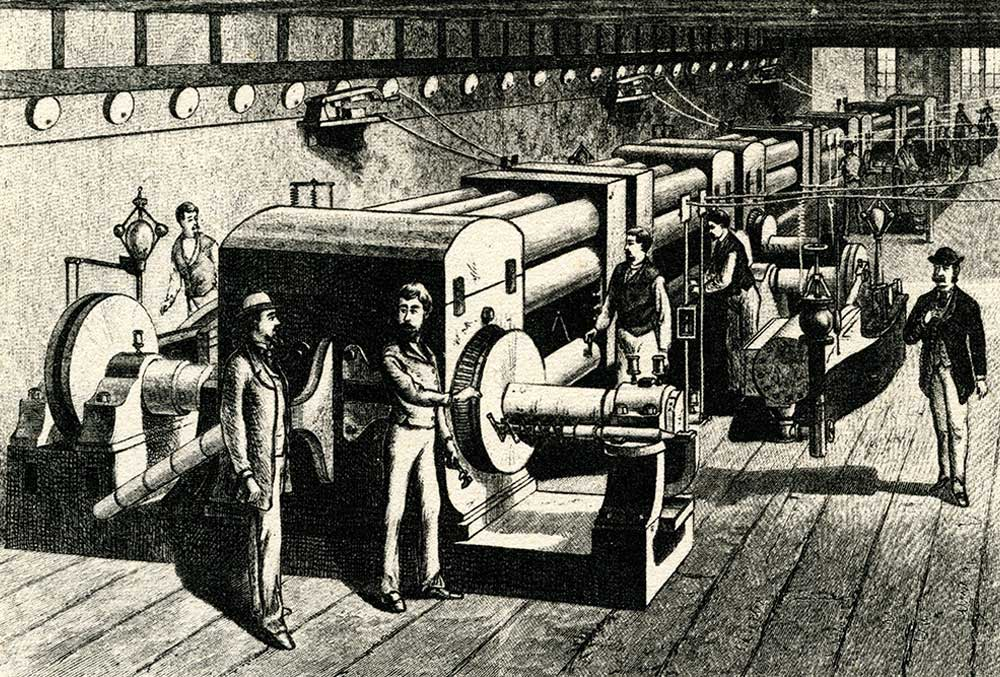
There's a quiet law buried in that. The moment something gets cheaper and more reliable to buy from the center, everybody stops making it themselves, and the basement empties out.
Computing ran the same play. Companies kept their own servers in a closet down the hall, until the cloud became the central station: metered, reliable, cheap enough that the closets emptied out too. Same pendulum, eighty years later.
But pendulums swing back, and this one already is. AI inference, the moment a model actually does something, usually has to run close to where the data is born: the warehouse floor, the metro edge. Shipping every camera frame to a data center in Virginia is too slow. So compute is creeping back outward.
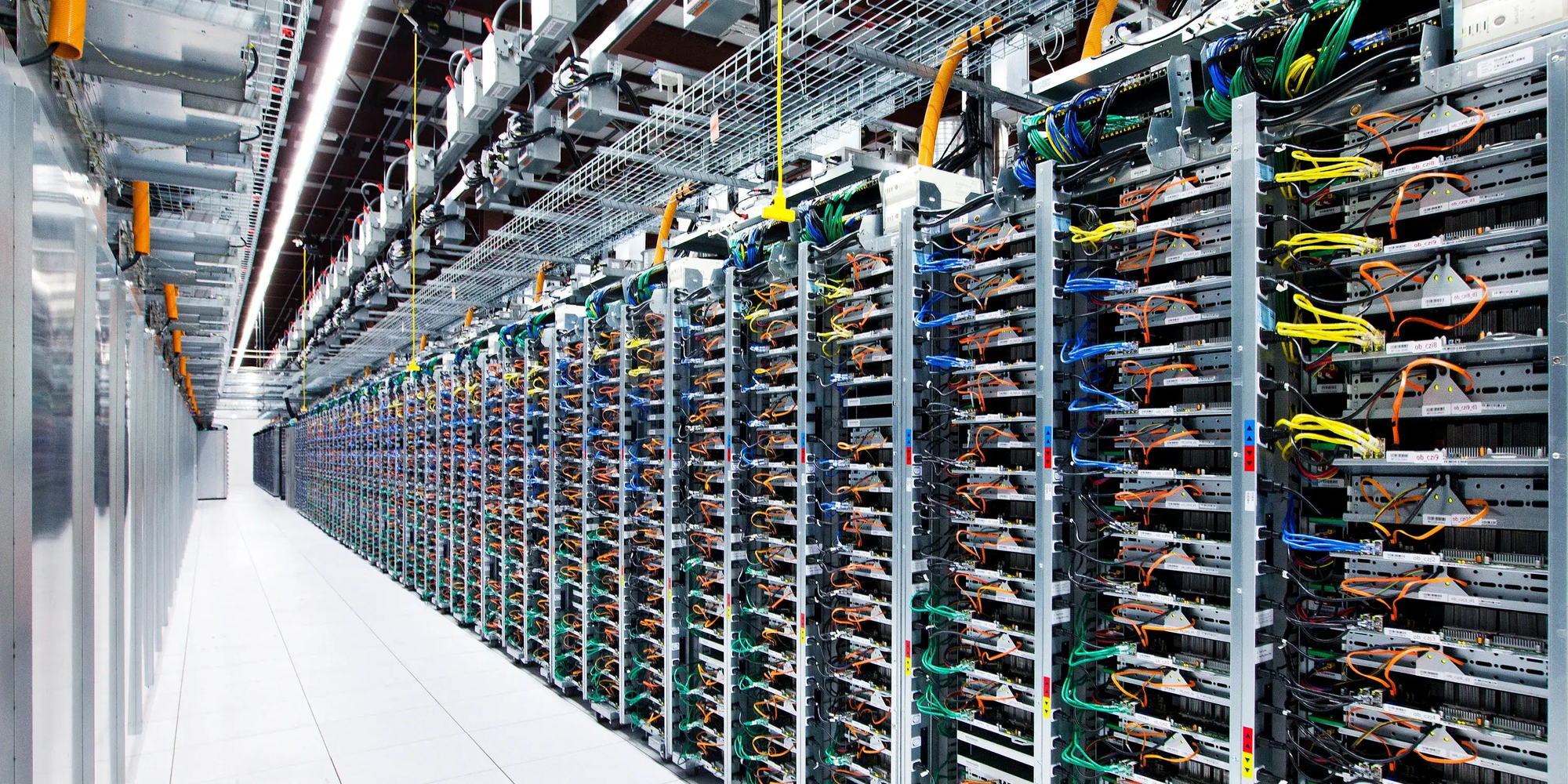
The catch is that the local supply is a mess. Some warehouse has 8 kilowatts and spare fiber sitting idle and no way to prove it's deployment-ready. So you build the underwriting desk: verify these stranded pockets of edge capacity, then broker them to the robotics and video-AI teams who need them. A lean two-person shop can clear $250K to $750K a year, and 100 live deployments throw off $20K a month in recurring commissions.
Read the full playbook here:
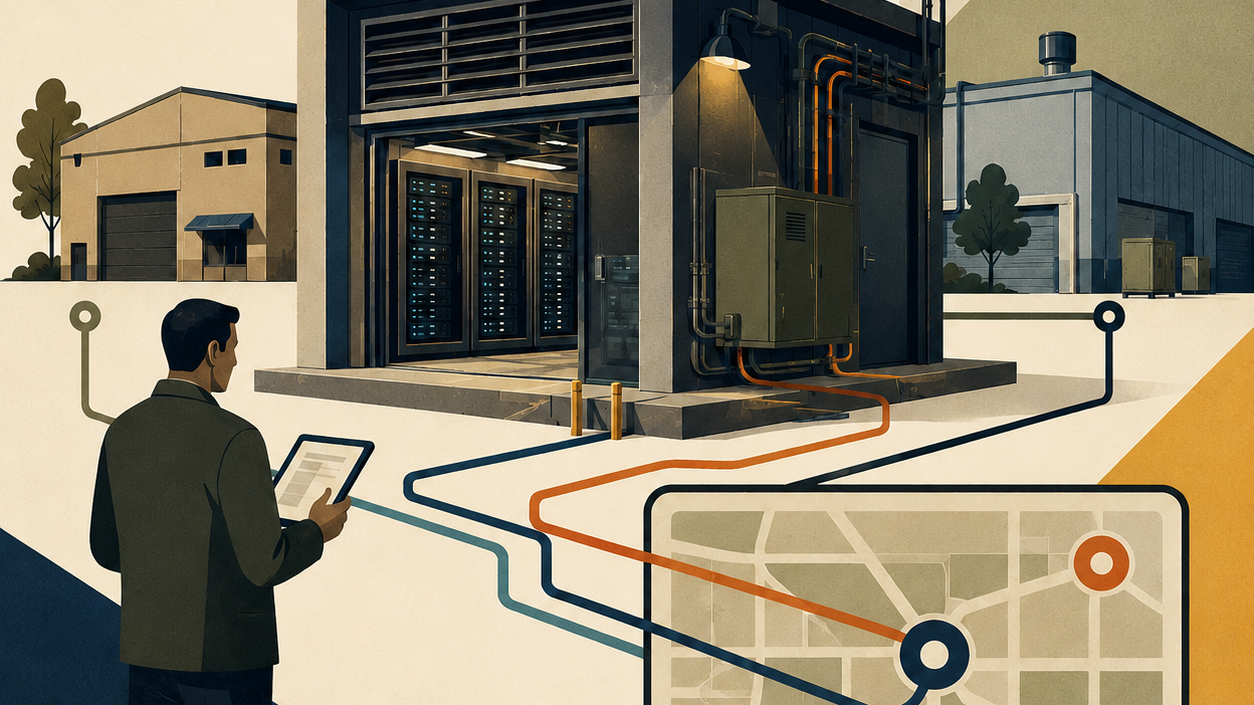
AI inference is pushing compute out of hyperscale data centers and into warehouses, factories, and metro edges — but no one has organized the supply side for small, location-specific deployments.
From the Vault:
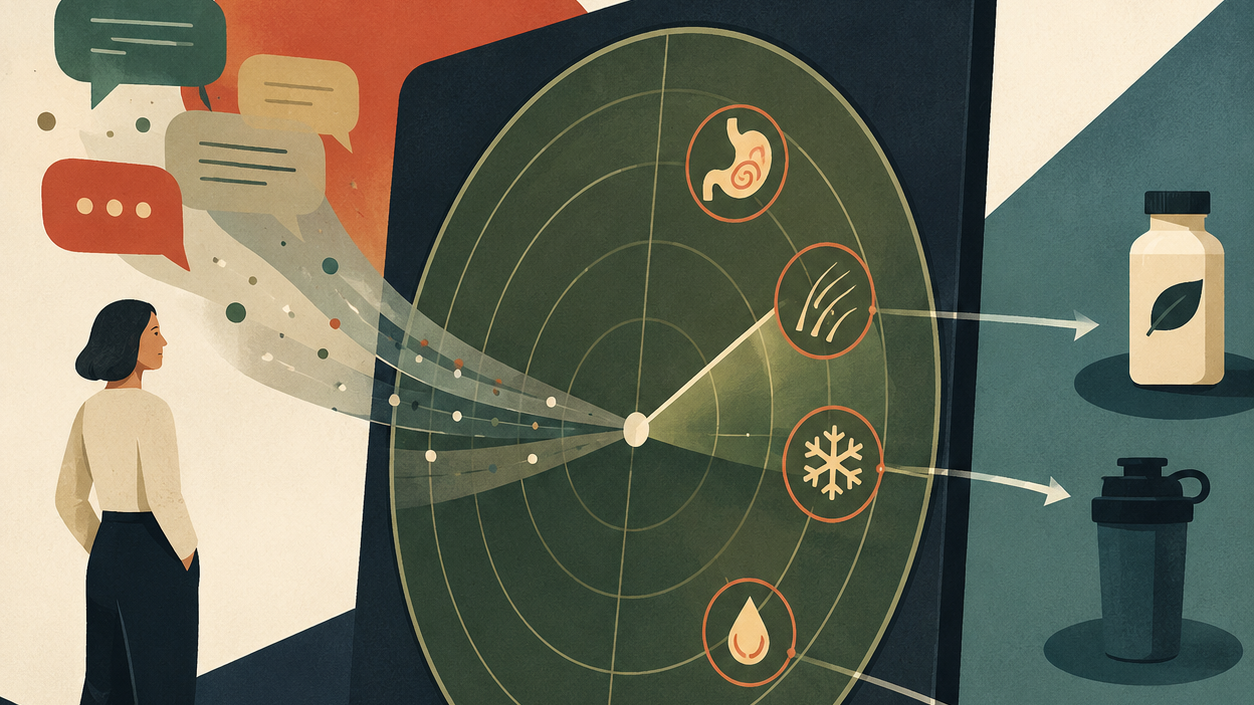
Millions of GLP-1 patients flood Reddit with unsolved problems. A social-signal intelligence product turns those complaint threads into product briefs — and a $38K MRR business with fewer than 80 customers.
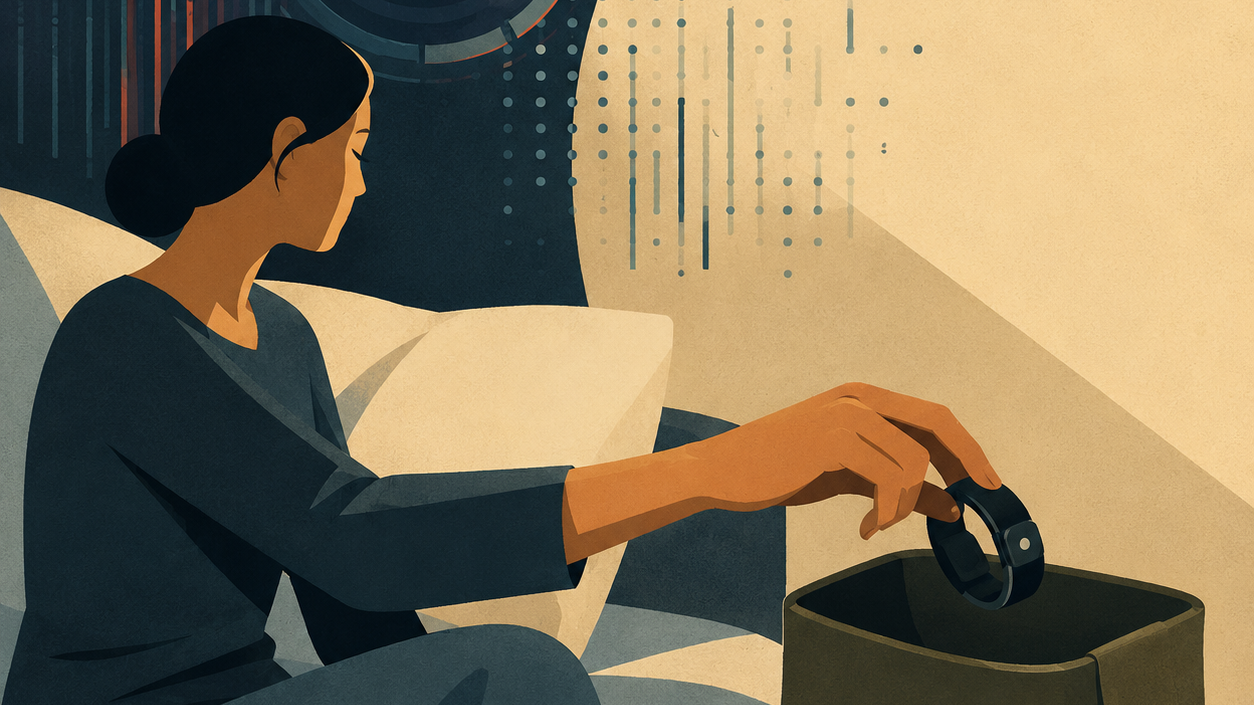
Half the country now tracks sleep. A growing subset is sleeping worse because of it. Orthosomnia is peer-reviewed, measurable, and completely unserved by every product in the sleep category.


