


June 1999. Shawn Fanning and Sean Parker launch Napster, and by February 2001 it has 26.4 million users swapping songs for free.
Then the lawyers show up. In July 2001 a court injunction shuts the whole network down, and in June 2002 Napster files for Chapter 11. That November the brand and logos go to a bankruptcy auction, where Roxio, the CD-burning software company, buys them for $5.3 million.
So what did Roxio get for its money? The servers were off and the users were gone. It bought a name and a cat's head in headphones known as Napster Kitty.
Roxio relaunches it as a legal paid service in 2003. Best Buy buys Napster for $121 million in 2008. Rhapsody takes over in 2011, then in 2016 ditches the Rhapsody brand and renames its own service Napster. In March 2025 it sells again, for $207 million. The original Napster died in 2002, and its name is still changing hands 23 years later.
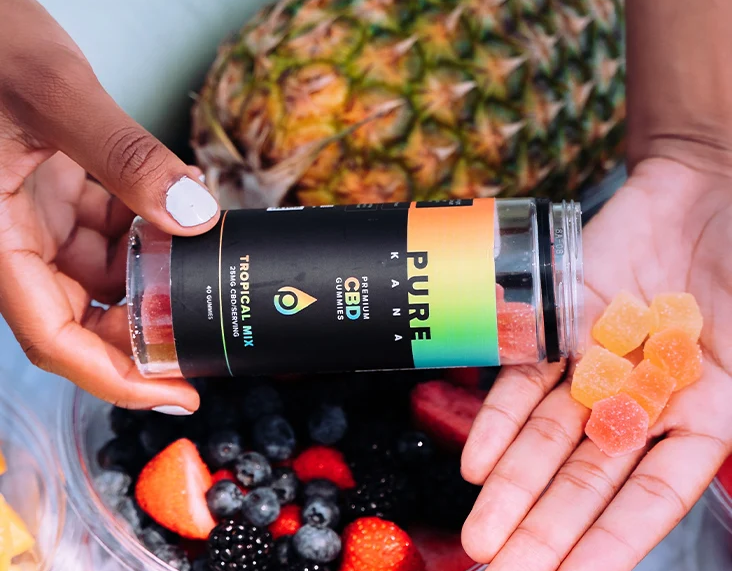
Dead brands rarely get a Napster ending. PureKana, a CBD brand, filed Chapter 7 in April 2024, and in August 2025 its IP went up for sale: trademarks, purekana.com, social accounts, hundreds of thousands of customer records and zero inventory. The listing claimed more than $190 million in lifetime sales. It sold for $160,000. A steal or a trap? Almost nobody is equipped to tell which of those assets still work.
Today's small business idea is built for that gap: an underwriting desk for bankrupt e-commerce brands. A deal feed tracks the bankruptcy auctions, and every promising brand gets a two-page Auction Autopsy covering what's actually for sale, which domains and trademarks survive the company, what a relaunch costs and when to walk away. (Friendly warning: value the email list at zero until a lawyer says otherwise.) We'd start with boring replenishment stuff like fridge filters, where the demand outlives the name. Three hundred buyers at $300 a month is $90K MRR, plus $1,500 to $5,000 diligence packages on live deals.
Read the full playbook here:
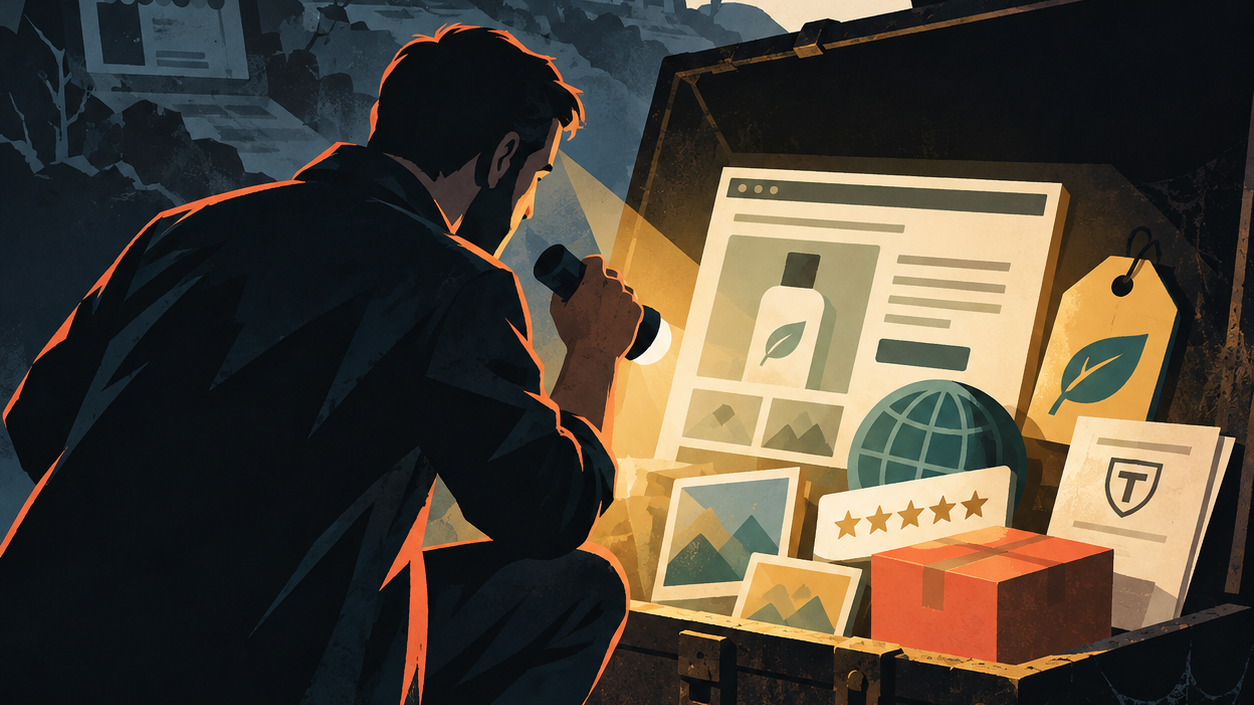
PureKana's sale listing claimed $190 million in lifetime sales, then its IP sold out of bankruptcy for $160,000. Bankrupt e-commerce brands trade through Chapter 7 auctions with no storefront and no underwriter.
From the Vault:
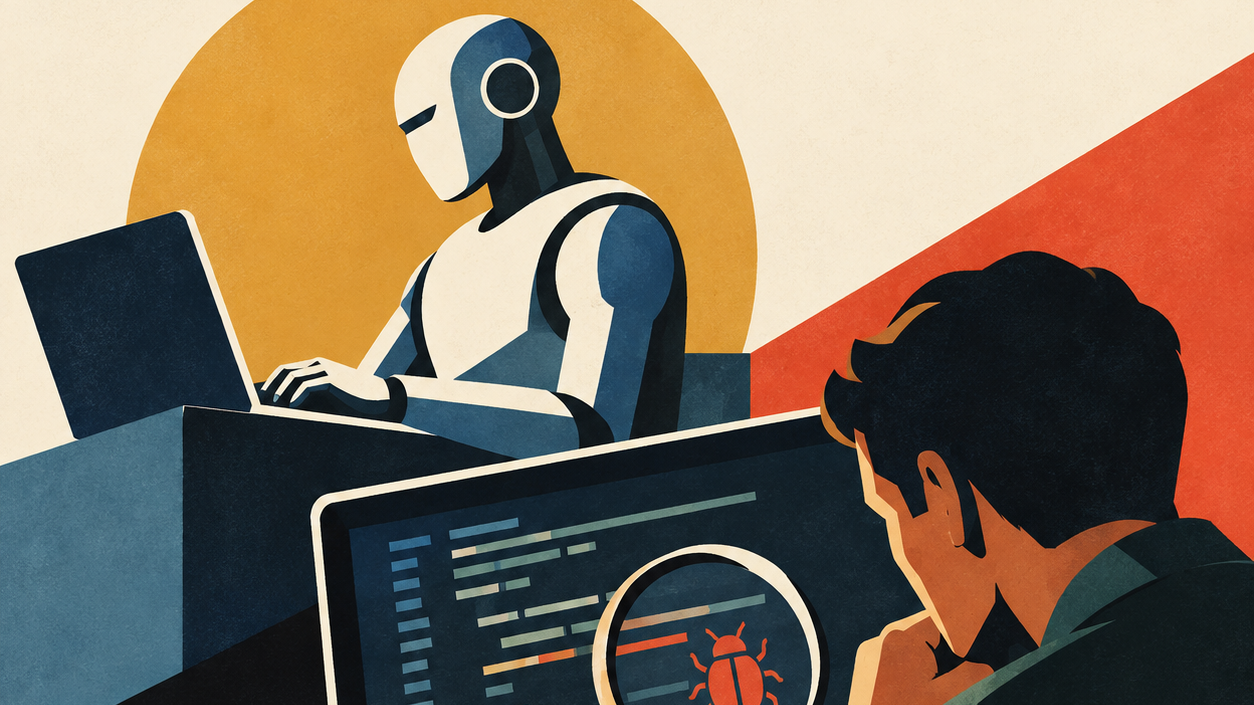
Forty-two percent of developers say AI now writes at least half their code. Verification is the new bottleneck, and a team's own fixed bugs are the debugging curriculum.

Chrome's CrUX report now exposes real-user ad count, density, weight, and CPU for any eligible publisher, and the ad-ops firms selling monetization fixes just got a sharper prospecting signal.


