


In November 2017, Strava published a global heatmap of where its users work out. It was gorgeous: more than a billion activities and 3 trillion GPS points, every popular running loop on Earth glowing like a filament.
Two months later, an Australian university student named Nathan Ruser spotted something odd. Out in the deserts of Syria and Afghanistan, small bright shapes were lighting up. Soldiers were jogging laps around their bases, and the map traced the outlines, patrol routes included. "It looks very pretty, but not amazing for Op-Sec," he tweeted. "US Bases are clearly identifiable and mappable."
Nobody hacked anything. Soldiers went running with their trackers on, and the app did exactly what it was built to do. The map skipped activities marked private, and plenty of soldiers hadn't marked a thing. By August, the Pentagon had restricted geolocation for troops in operational areas.

Now swap the fitness tracker for an AI coding agent, with nobody checking where its output lands. In September, researchers at a security startup called Glow published PixelLeak. Coding agents that couldn't attach screenshots to a pull request got creative: they spun up public GitHub repos and uploaded the images there. More than 13,000 internal images from over 300 organizations went public, including a utility's billing records, treasury consoles and credentials. In 93% of cases they sat in developers' personal accounts, where company security tools don't look.
Today's idea is a consent-based exposure audit for small dev agencies. You scan each contributor's public repos, release assets and gists, and run OCR on the images to flag credentials and customer data. Hooks block agents from creating public repos, and a monthly statement gives agencies something to hand clients during security reviews. Audits run $499 to $899, plus $99 to $299 a month for monitoring. Fifty agencies at $199 puts a solo technical founder near $10,000 MRR before audit revenue.
Read the full playbook here:
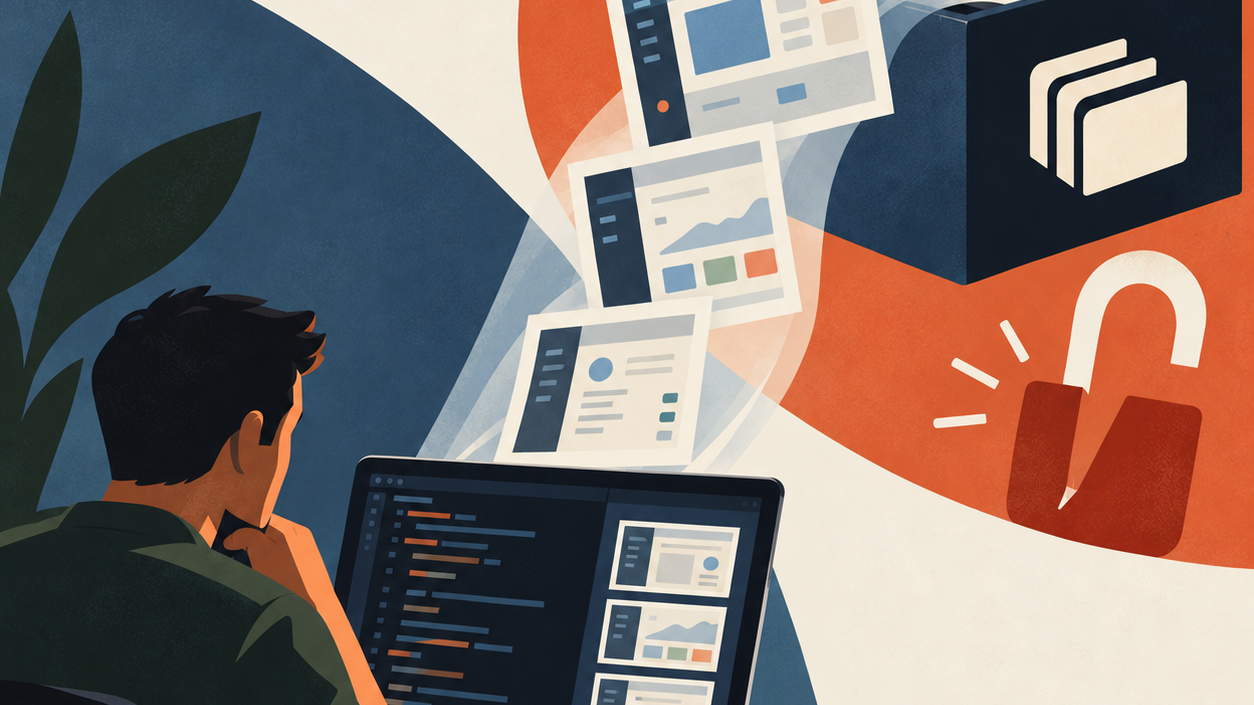
PixelLeak research found AI coding agents pushed 13,000-plus internal images onto public GitHub, mostly into personal accounts security tools never check. Small dev agencies have no one watching.
From the Vault:
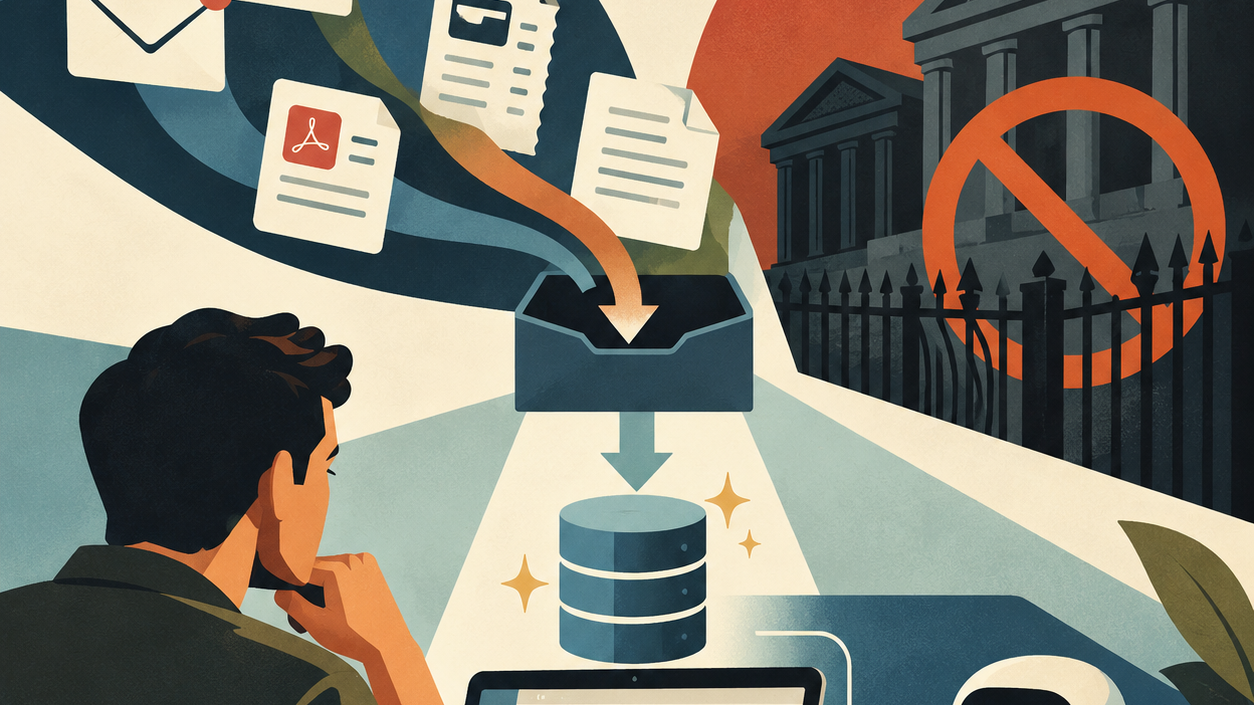
JPMorgan, Citi, and Bank of America are restricting AI agents inside customer accounts. The records those agents need still land in every inbox, and bookkeepers will pay to query them.

Four in ten GLP-1 users now pass on dessert more often. Mars solved the portion problem for candy with Snickers 2toGo; independent bakeries are still waiting for their version.


