


Roppongi is Tokyo's nightlife district, and for years it had a bookstore to match. Aoyama Book Center stayed open until 5 a.m., a haven for the neighborhood's night owls.
It closed for good in 2018. That December, the same space reopened as Bunkitsu, a bookstore with a cover charge.
¥1,500 (about $14 at the time) got you upstairs to roughly 30,000 titles, one copy of each, plus unlimited coffee and tea.
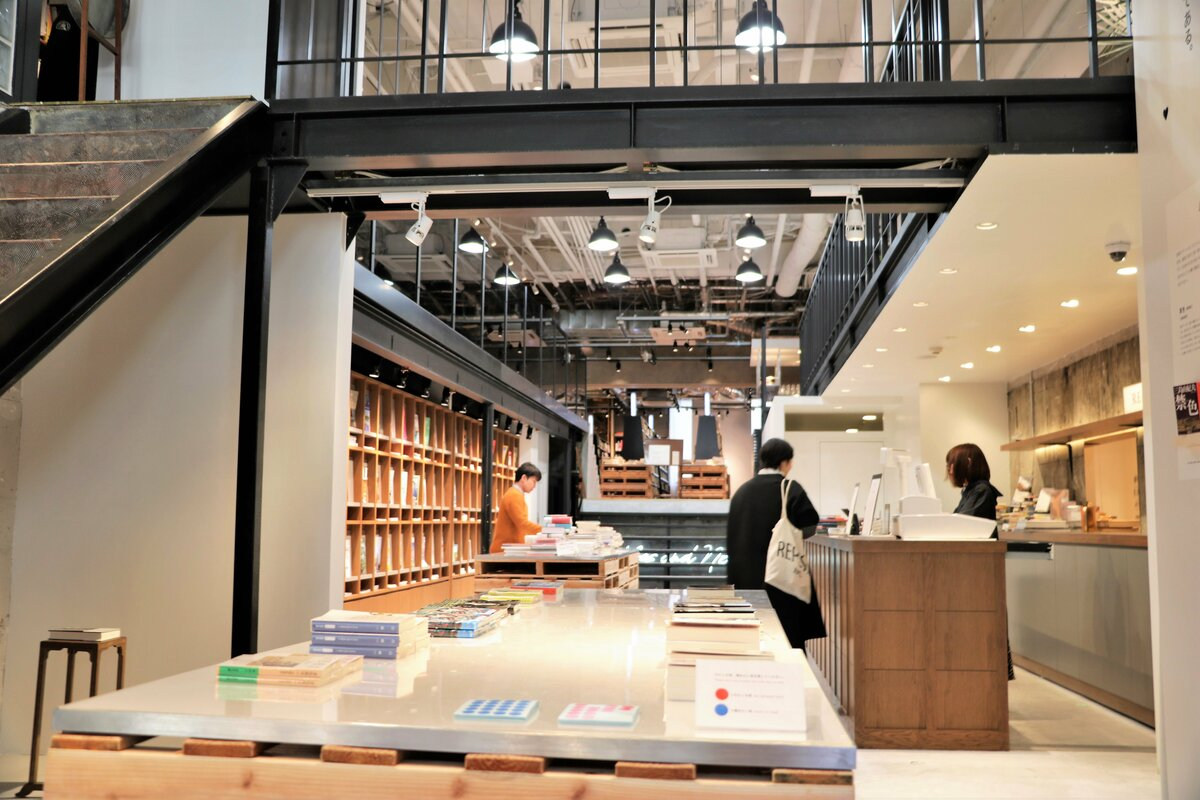
Charging people to walk into a store sounds like a great way to empty it. Staff said 30 to 40% of customers bought a book anyway. "People have paid their entry fee so they feel invested in finding a book," store manager Akira Ito said. One hairdresser said the price was worth it because he could stay the whole day. He was paying for the room, and the books were a bonus.
Now a Tokyo club has run the play in reverse. In September, an underground club in Shimokitazawa opened at 10 a.m. on a Saturday, put rugs on the floor and a DJ on ambient, and let everyone read. Advance tickets to JUCY BOOK RAVE sold out three days after the announcement, and a month later a New York book club was planning a reading rave of its own.
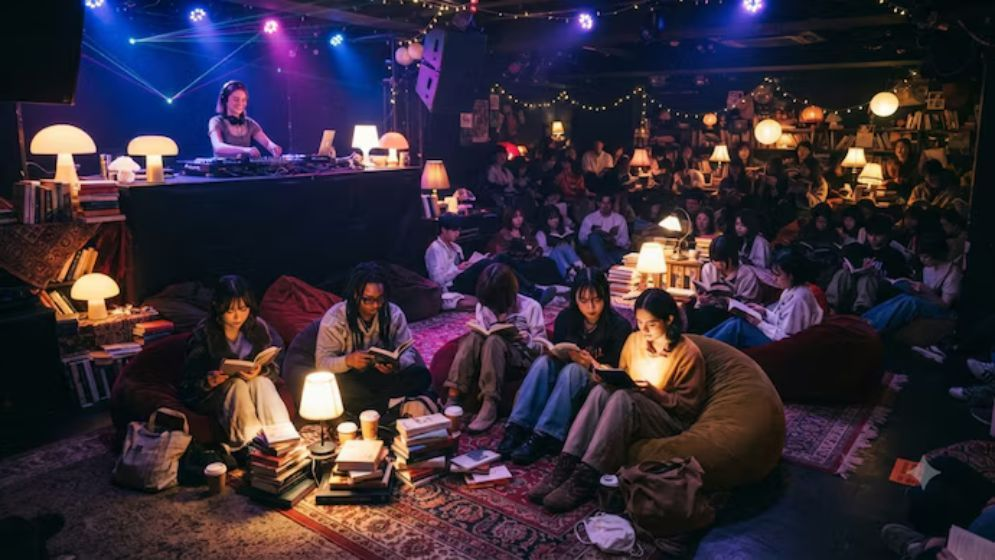
Today's idea is a recurring Saturday morning book rave series inside independent clubs and listening bars, rooms that sit dark until evening. You handle the audience, the DJ and the tickets, and the club supplies the sound system and the bar. Instead of rent, you split ticket sales, 60/40 in your favor to start, and the venue keeps every drink.
At a $25 average ticket, you break even around 48 paid guests. Fill 80 seats every Saturday and you clear about $1,670 a month before paying yourself, and a $500 sponsor per event pushes that to roughly $3,670. You can test the whole thing in 30 days without code, and the sober-curious crowd is already looking: Eventbrite says coffee-clubbing events on its platform jumped 478% in a year.
Read the full playbook here:
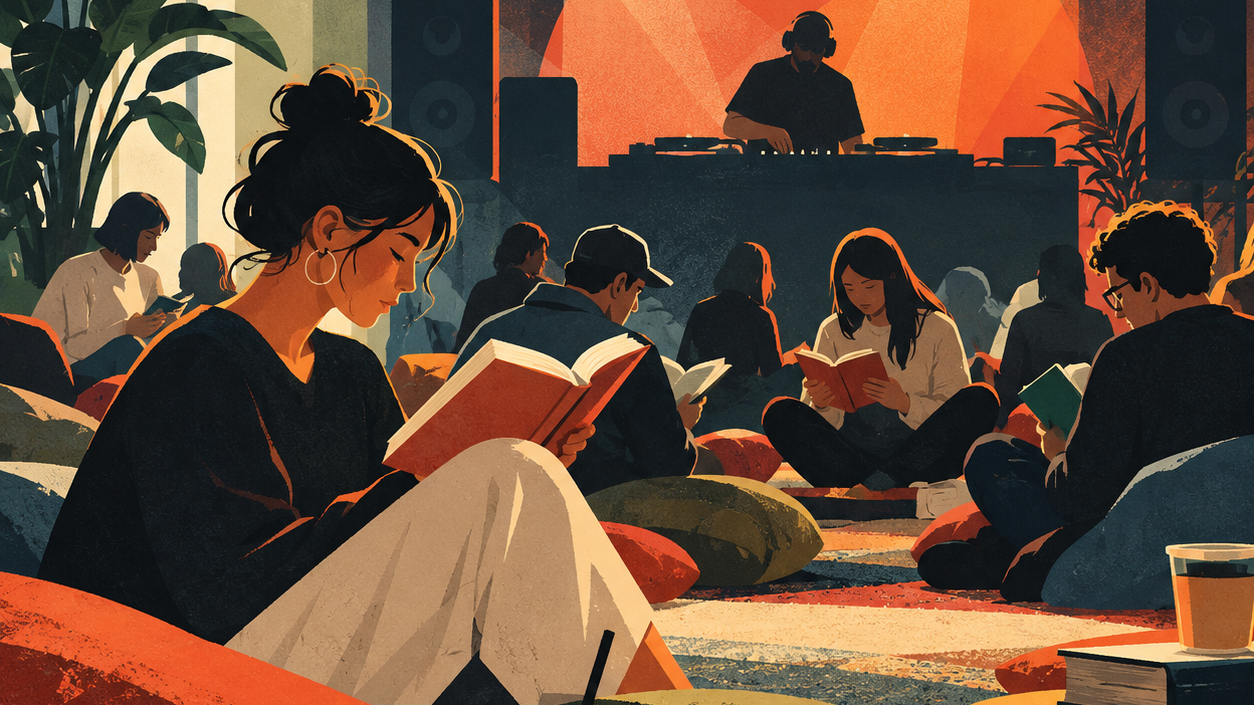
Tokyo's JUCY BOOK RAVE sold out advance tickets in three days. Nightclubs sit dark every morning, and a growing sober-curious crowd will pay to read in them.
From the Vault:
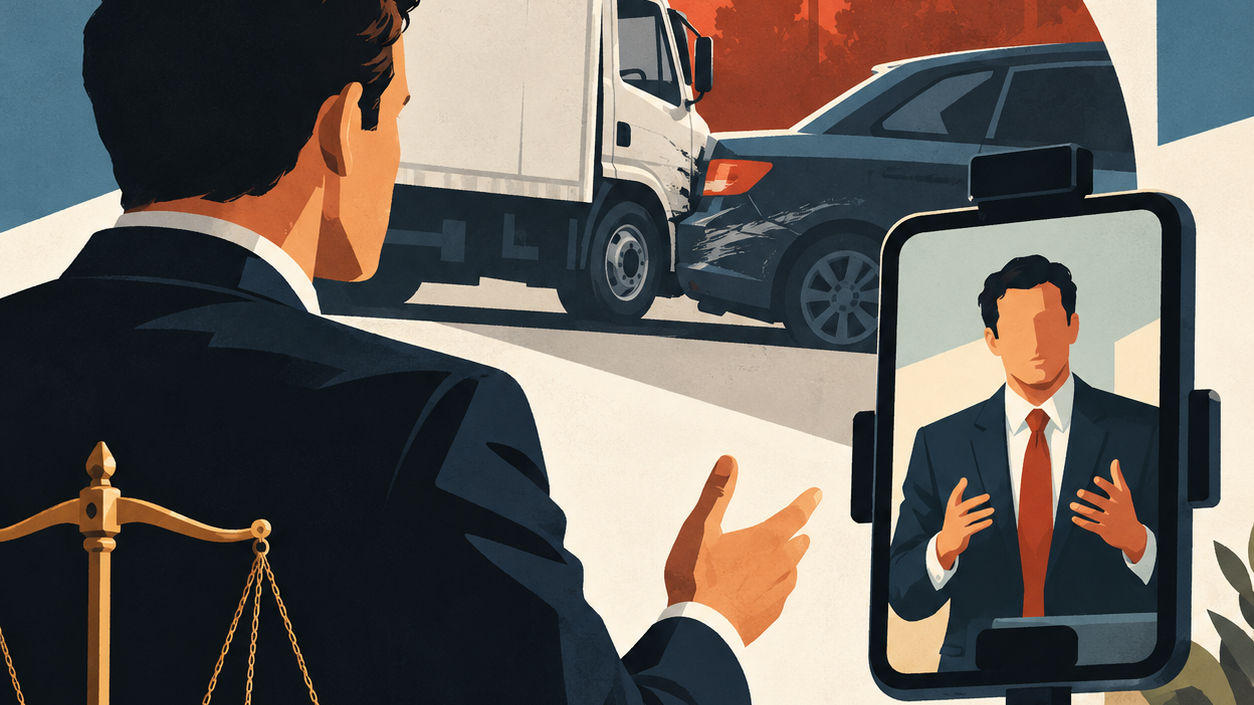
Personal injury keywords average $195.73 per Google click. On short-form video, a lawyer with 708 followers explained a parked-car scrape and drew 985,200 views for free.
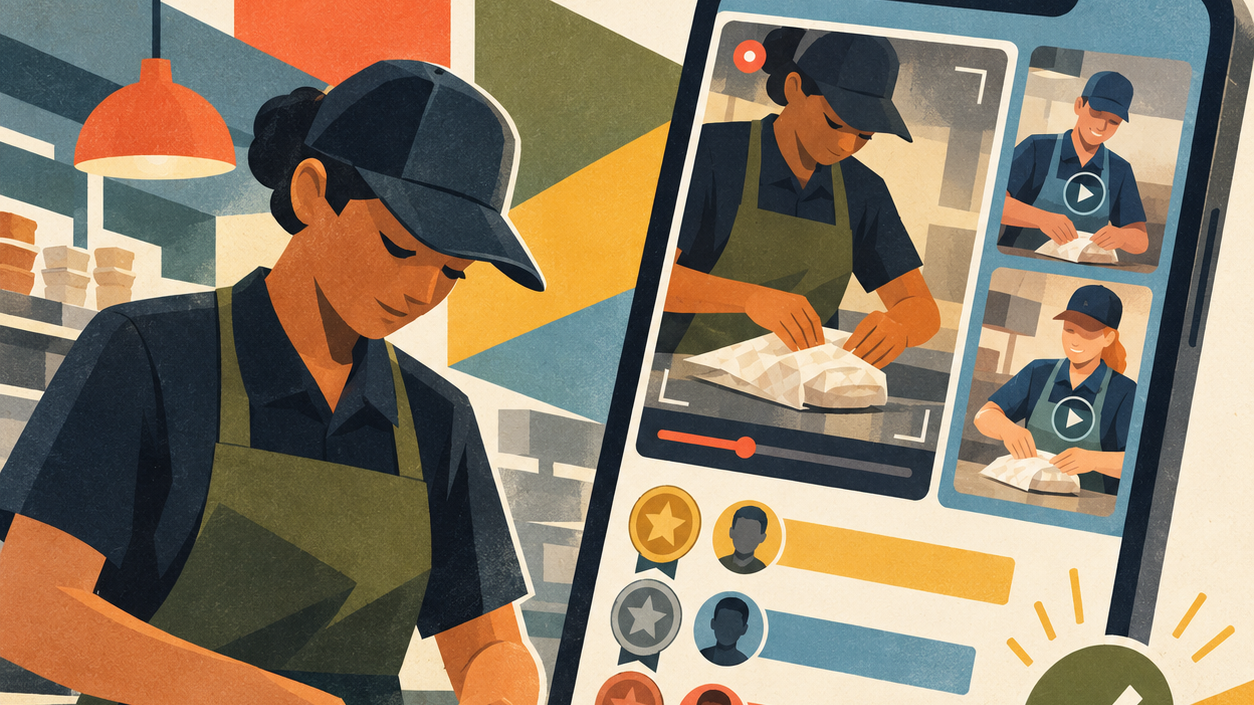
A burger-wrapping clip pulled 35 million TikTok views while limited-service restaurants churn 135% of hourly staff a year. Regional restaurant groups have the crews but no recruiting-content machine.


