


In August 2012, Cecilia Giménez, then in her 80s, touched up a flaking fresco of Christ in a church in Borja, a small town in northeastern Spain. It had been on that wall since 1930, and almost nobody outside Borja had ever looked at it.
Then everybody looked. The internet named her version Monkey Christ (Potato Jesus also had its fans). Giménez insisted the priest knew: "Everybody who came into the church could see me as I was painting."
The obvious move was to hire a real restorer and make the whole thing go away. Borja's council started charging €1 a head instead.
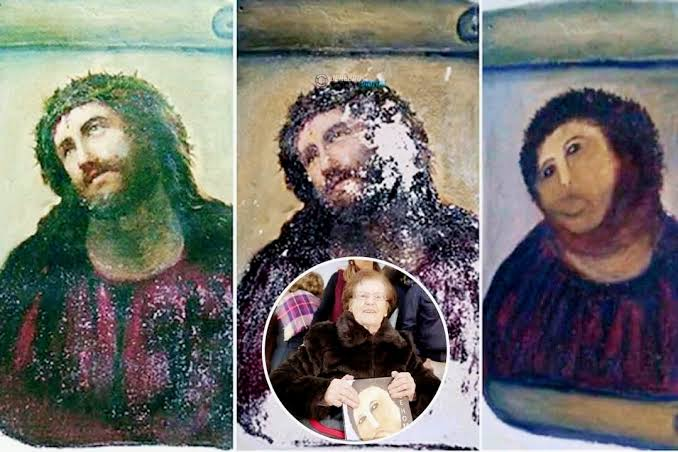
More than 40,000 people paid up within about a year, raising over $66,000 for a local care home. The face was also turning up, uninvited, on T-shirts, phone cases, coffee mugs and wine labels, so the council cut a merch deal of its own. Giménez got 49%.
The most embarrassing thing that ever happened to that church turned into the reason strangers paid to walk in.
What's your town's version? Probably smaller, like the seagull that steals your fries or the bridge that's been under construction for as long as anyone can remember. Locals have joked about it for years, and the souvenir rack still sells sunsets.
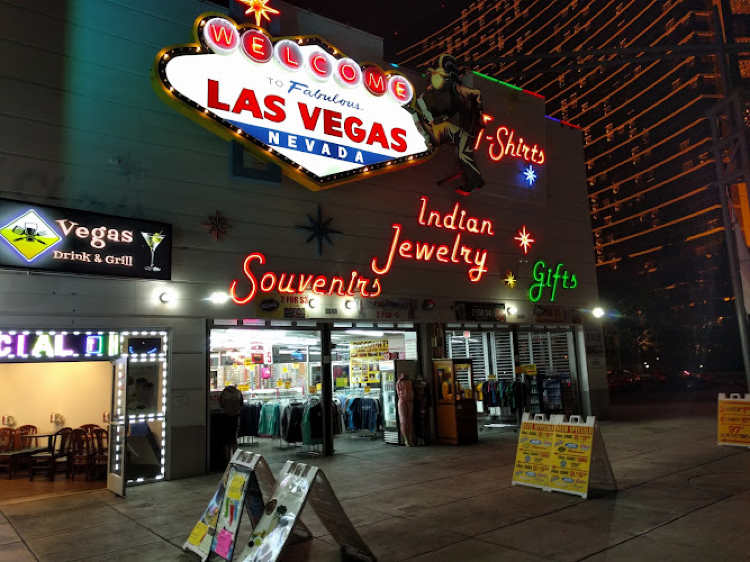
Today's idea is a regional souvenir studio that turns local folklore and inside jokes into illustrated stickers for independent gift shops. You own the character, pitch it to five nearby shops at $2 wholesale, collect prepaid orders, and print one pooled batch. Pooling is the trick. Print 50 stickers for a single shop and printing eats 60% of your wholesale price, while a shared 500-sticker run eats 15%.
The five-shop pilot contributes about $353 before you count your own hours and leaves 200 stickers for reorders. Thirty shops reordering 50 stickers a quarter comes to $12,000 a year in wholesale. Later, a proven character moves onto magnets and patches, then into licensing. (Kumamoto Prefecture's bear mascot, Kumamon, sold about $1.38 billion in goods in 2018. No pressure.) The whole test runs under $2,000.
Read the full playbook here:
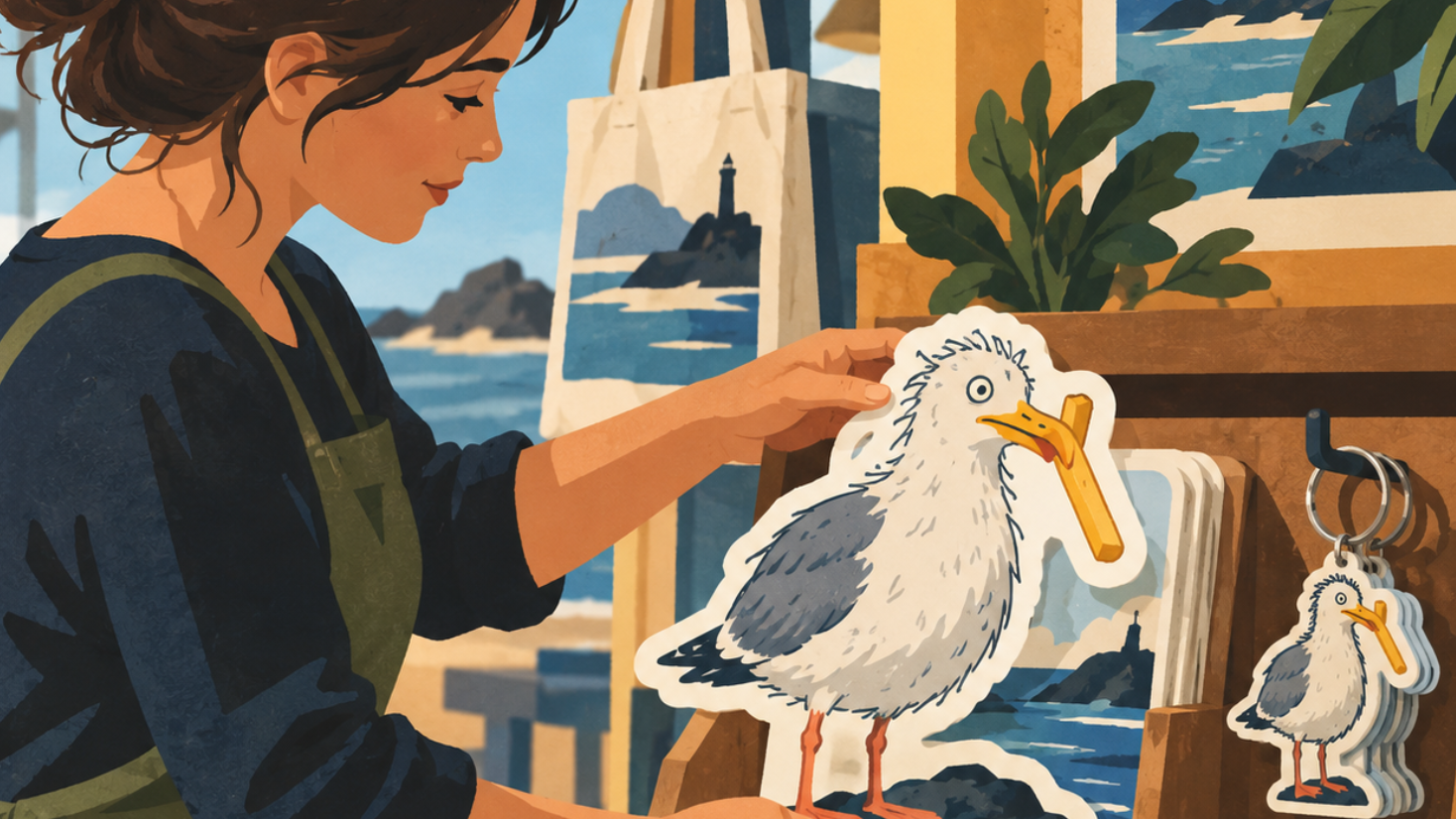
Taobao's Uglies campaign has sold more than $34 million in awkward, story-driven goods since 2020. America's souvenir racks still sell sunsets. Local folklore and town jokes are the wholesale opening.
From the Vault:

A $979 cremation becomes $1,299 when someone dies at home. Funeral prices are technically public and practically unreadable, and the FTC has documented the gap twice.

Tokyo tested an unmanned flower shop inside JR Shinagawa Station. The American version runs through the apartment lobby, where hundreds of households pass a reception desk that sells them nothing.


