


Between 2020 and 2022, venture capitalists poured over $3 billion into ghost kitchens. The thesis: strip the restaurant down to pure logistics. Kill the storefront. Run delivery on a subscription.
Travis Kalanick's CloudKitchens bought properties across two dozen cities. Wendy's committed to 700 locations with Reef Technology. Kitchen United raised $175 million.
By 2023, nearly all of them had shut down, pivoted, or were bleeding out.
The post-mortems blamed execution. But the real failure was category selection. Food delivery has perishable inventory, razor margins, and brutal platform dependency. The structural insight was actually brilliant. They just picked the worst possible industry to prove it in.
A different crowd noticed. Codie Sanchez turned "boring businesses" into an eight-million-follower media brand. Nick Huber built $30M in revenue from sweaty startups. Dave Menz became a millionaire off a laundromat he found on Craigslist. But that entire movement is about acquiring old businesses. Almost nobody is building a new one from scratch with a 2026 toolkit.
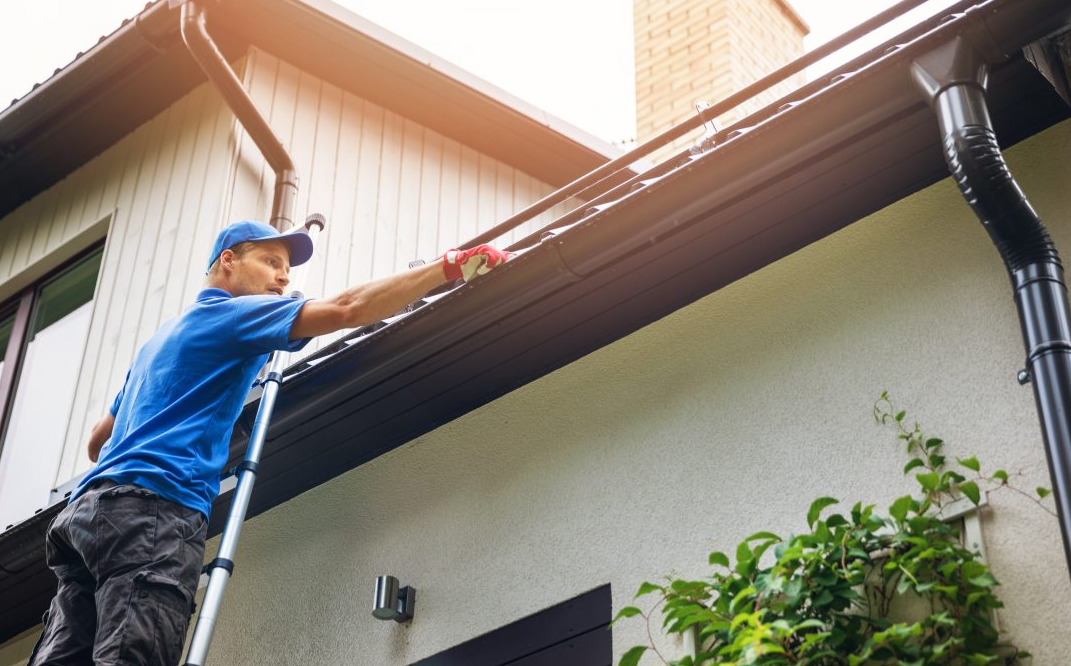
That gap is today's opportunity. Take the most overlooked corner of home services — pet waste removal, bin cleaning, gutter maintenance — and build it like a SaaS company. Subscription billing. Route density as the unit economics lever. AI-assisted scheduling, automated review acquisition, and customers organized around addresses, not transactions.
Startup capital sits around $38,000. Financial models project owner income past $156K by Year 2, with top operators clearing $700K+ EBITDA by Year 4. Breakeven at nine months.
The boring business crowd is buying old routes. You can build the new one, and own the system everyone else licenses.
Read the full playbook here:
AI tools are transforming home service businesses, but nobody has built the full operating system for recurring, route-based gross work. The franchise-style playbook is wide open.
From the Vault:

The FDA just published machine-readable ad research datasets. The real play is an AI-powered compliance and creative intelligence tool for restricted advertising — a B2B SaaS opportunity where regulation and ad performance collide.

The FDA just approved a non-opioid painkiller that keeps 90% of surgery patients clear-headed. The real B2B SaaS startup idea is the recovery workflow platform no one has built yet.


