


QVC didn't die because people stopped buying products from charismatic people on video. QVC proved that host-led commerce works. Then TikTok and YouTube changed the distribution layer faster than QVC could change its operating model.
On April 16, 2026, QVC Group filed a prepackaged Chapter 11 in the Southern District of Texas, with a restructuring plan that cuts principal debt from $6.6 billion to roughly $1.3 billion. The company aims to emerge in about 90 days and keep investing in live social shopping, streaming, and digital growth.
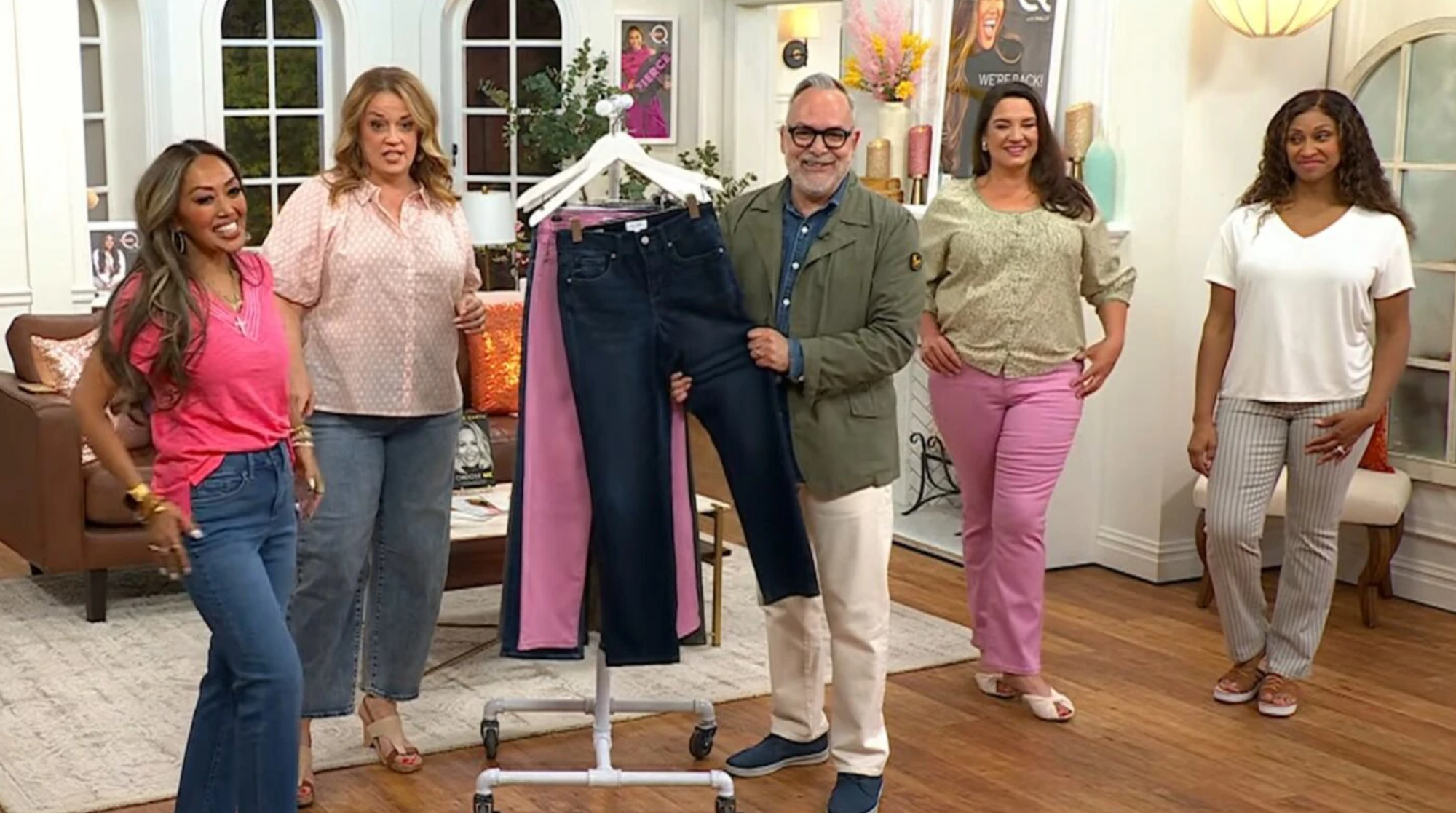
Buried inside that bankruptcy story is a more interesting signal. QVC says it picked up nearly 1 million new U.S. customers through TikTok Shop in 2025, growing its total customer file for the first time in over four years. QVC+ and HSN+ reached 1.5 million monthly active users, streaming-attributed sales rose 19%, and over 74,000 TikTok creators have featured QVC products in shoppable videos and lives.
The old machine is financially broken. The selling skill still works.
Building the next QVC is the wrong play. Too capital-intensive, too nostalgic, too platform-naive. The better play is to build the outsourced live-commerce operating layer for brands already selling on TikTok Shop and YouTube Shopping.
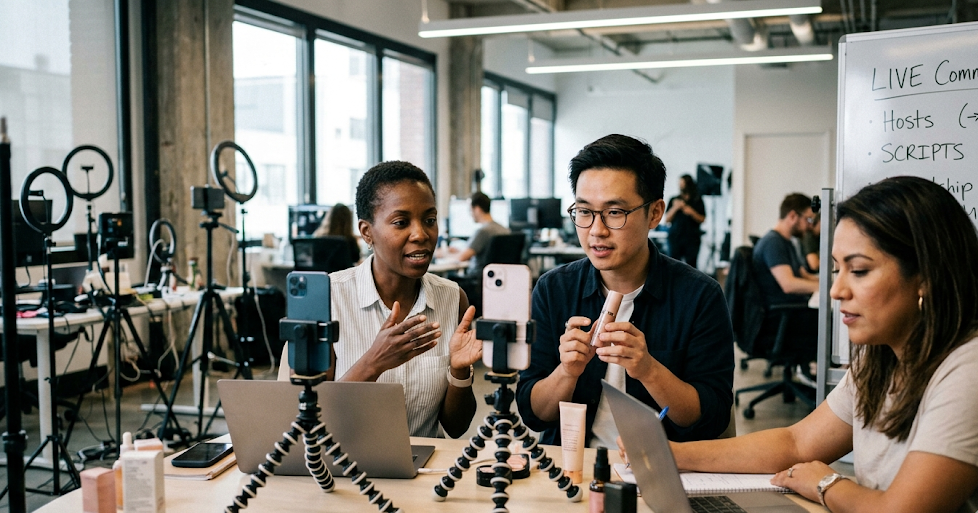
Picture a services-led firm that staffs trained ex-QVC and HSN-style hosts for TikTok Shop and YouTube Shopping lives, then slowly hardens the repeatable parts into proprietary software: host prep packets, product scripts, run-of-show templates, offer calendars, attribution summaries, and commission reporting.
The first wedge is labor, not software.
Here's the shape of the opportunity:
The money: 5 brands at $5K/mo = $25K MRR. Full Commerce Desk clients hit $20K to $40K/mo each at scale.
Inside:
• 60-day MVP: 10 hosts, 5 brands, 20 lives
• 3-tier pricing: pilot, growth, full desk
• Cold email and follow-up templates
• Five-layer operational moat
• 90-day plan to first paying brands
The Old QVC Skill Set Is Suddenly Mispriced
QVC trained a generation of people to do something most creators still learn by accident: sell products live for hours.
A trained live-shopping host can open a segment, demonstrate a product, handle objections, manufacture urgency without sounding desperate, repeat calls to action, transition between SKUs, stay warm on camera, and reset the pitch every five minutes for new viewers, all while inventory, pricing, and audience attention are in constant motion. That's performance sales, closer to a closer at a car dealership than a creator on a brand deal. Charisma is the floor, not the product.
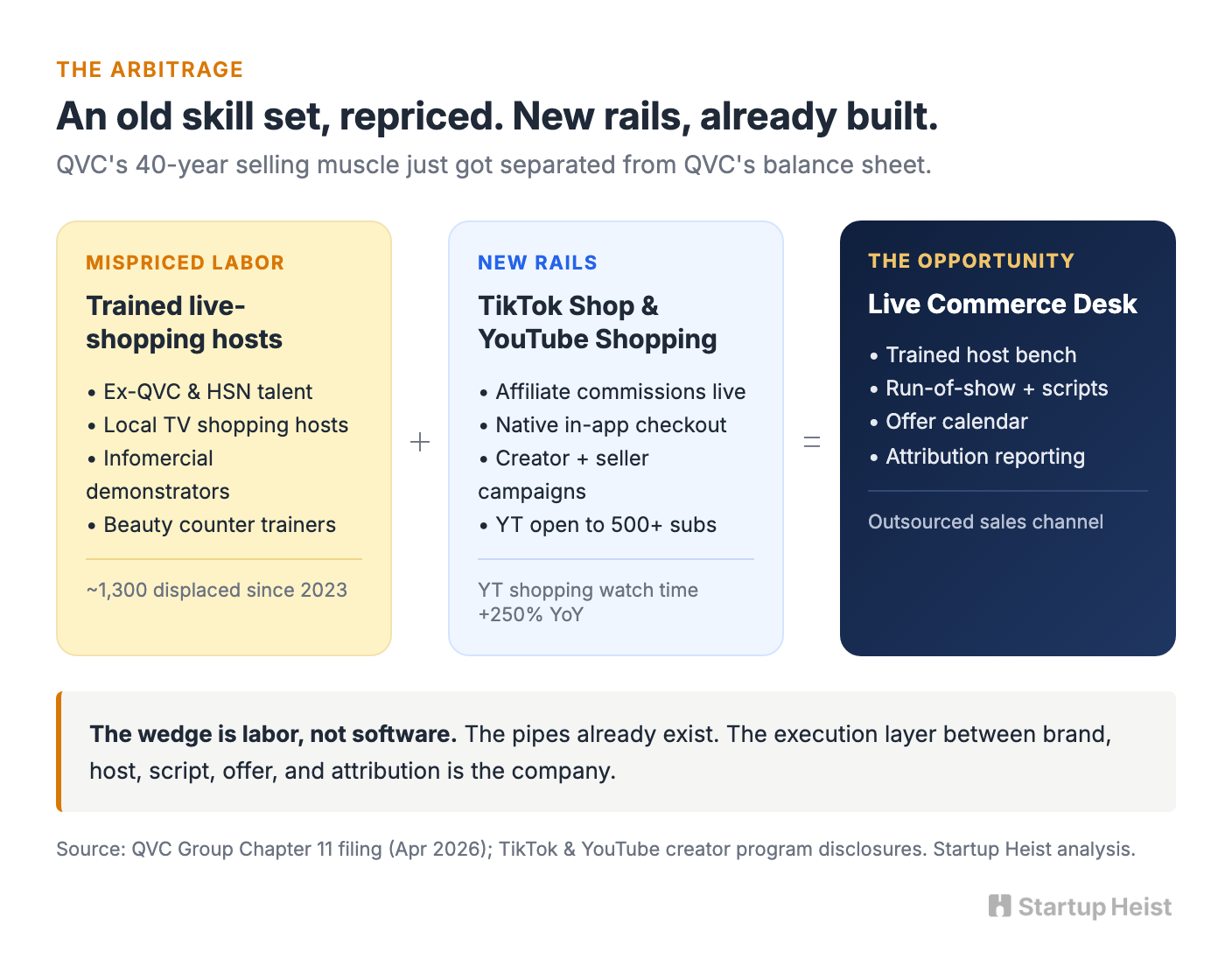
The rails for that skill set finally exist. TikTok Shop has normalized affiliate commissions and seller-managed creator campaigns, with sellers setting product- or campaign-specific rates that average roughly 13% in 2026 and run higher in beauty and fashion. YouTube Shopping affiliate commissions average around 15%, slightly above TikTok. YouTube has also followed on access: its expanded Shopify partnership opened the YouTube Shopping affiliate program first to U.S. Shopify Plus and Advanced merchants, then to all eligible Partner Program creators with at least 500 subscribers as of March 27, 2026. Shopping-related watch time on YouTube is up over 250% year over year.
The pipes exist. The execution layer doesn't.
A mid-market DTC brand can technically sell through TikTok Shop. It can run ads, seed creators, pay affiliate commissions, and connect Shopify to YouTube Shopping. It still doesn't know how to produce a professional live shopping block that converts. Who hosts it? What do they say? Which products go first? How do you reset the pitch every five minutes? How do you track whether the live drove incremental sales? The repriced labor pool, laid-off QVC and HSN talent, local TV shopping hosts, infomercial demonstrators, beauty counter trainers, is the part of the equation almost no one is buying yet.
The Market Is Big, But the Wedge Should Stay Narrow
The macro story is strong enough to matter and not so strong that it justifies fantasy.
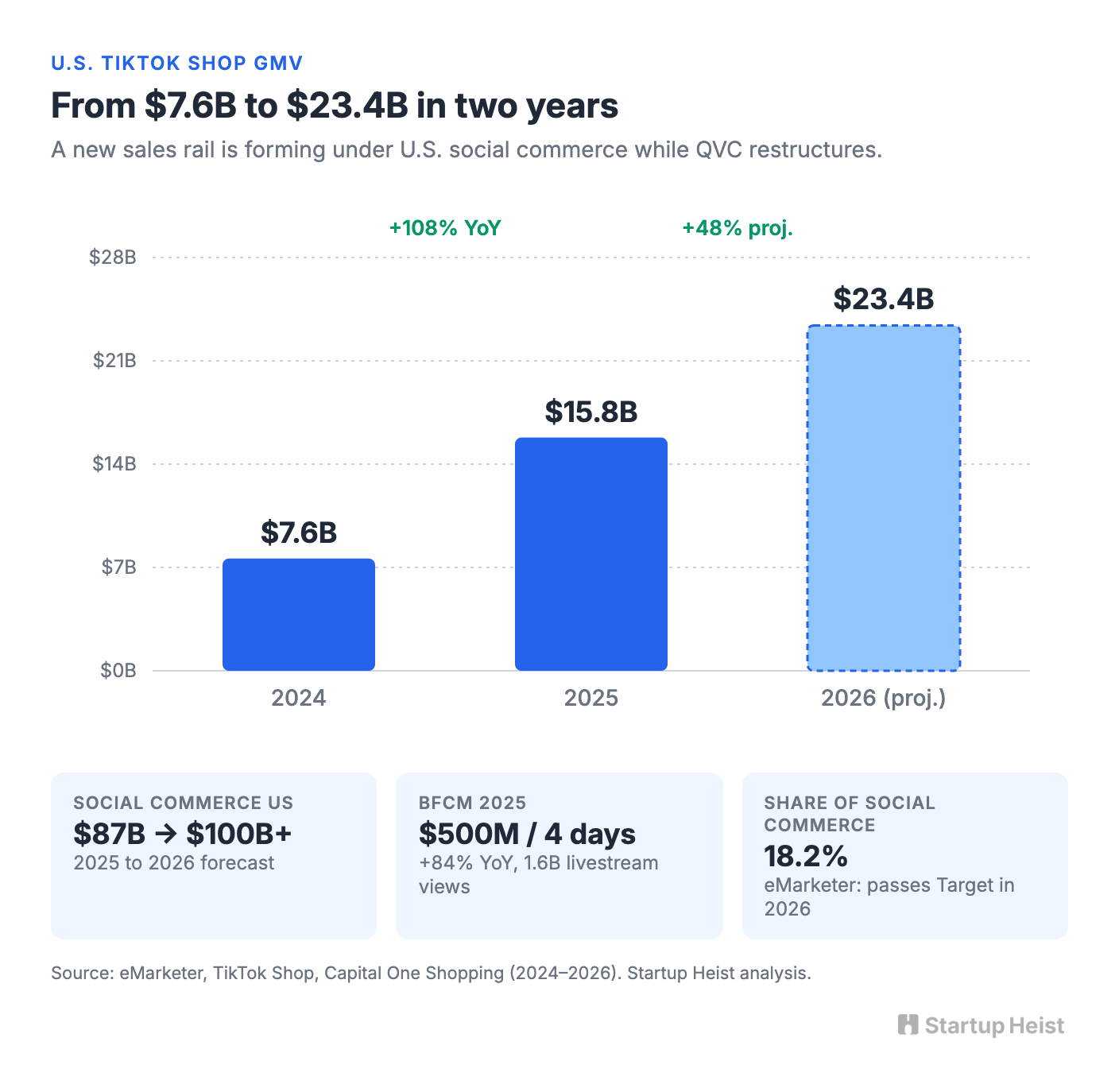
U.S. social commerce hit $87 billion in 2025, up 21.5%, and is forecast to clear $100 billion in 2026. TikTok Shop alone hit $15.8 billion in U.S. sales in 2025, up 108%, for an 18.2% share of social commerce, with $23.4 billion projected for 2026. eMarketer expects TikTok Shop to generate more U.S. e-commerce sales than Target this year. By the end of 2026, more than half of all U.S. social buyers are expected to use it. During Black Friday and Cyber Monday 2025, TikTok Shop crossed $500 million in U.S. sales over four days, with 760,000 livestream sessions generating 1.6 billion views and 84% sales growth over 2024. Brands like Ralph Lauren, Samsung, Disney Store, Crocs, Fenty Beauty, and Estée Lauder all leaned in. Whatnot, the closest live-commerce comp, did over $8 billion in seller sales in 2025 and was last valued at $11.5 billion. Host-led, scheduled live commerce is a real consumer behavior in America when the formats are tuned correctly.
One number deserves respect. Livestream is still a small share of U.S. TikTok behavior, around 2% of total user time on the app, with short-form shoppable video doing more of the heavy lifting in feed. Forty-three percent of U.S. adults say they have no interest in livestream shopping at all. The play isn't "live shopping will take over America." The play is more practical: brands selling impulse-friendly products on TikTok Shop and YouTube Shopping need better conversion operations across live, short-form, and affiliate commerce. Live is the wedge because it's operationally hard, visibly underserved, and where QVC-trained talent is most differentiated. The existing roster of TikTok Shop Partner agencies in the U.S. leans heavily on creator coordination and paid ads. Almost none are built around host-led live execution.
Live shows are the beachhead. The conversion engine is the company.
The Customer
The first customer isn't Nike. It isn't MrBeast. It isn't a celebrity skincare brand with a full internal content team.
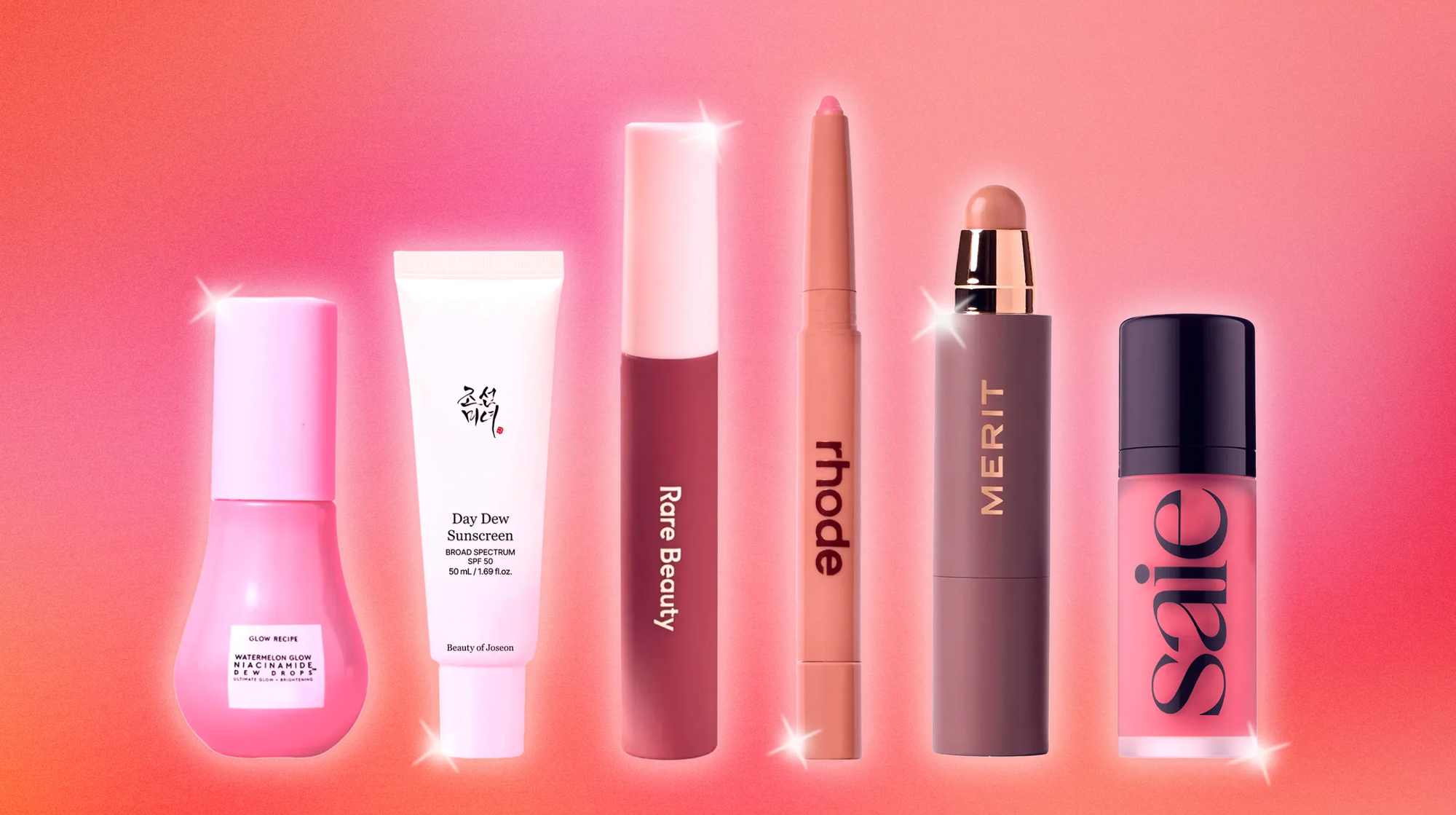
The first customer is a mid-market DTC brand doing $2 million to $30 million in annual revenue, already on TikTok Shop, already spending on paid social, and already frustrated by creator inconsistency. Best-fit categories are products that demo well on camera: beauty and skincare, hair care, wellness (no regulated medical claims), kitchen gadgets and small appliances, home organization, pet, jewelry, fashion accessories, fitness accessories, craft and hobby, careful baby and parenting products, and food where compliance allows. The host needs something to show, compare, open, pour, apply, clean, assemble, wear, taste, organize, or transform.
Bad categories are the inverse: complex B2B software, high-consideration luxury, products requiring heavy medical or financial claims, low-margin commodities, items with weak visual demo, and products where shipping, returns, or safety create chaos on a live block.
The buyer inside the brand is usually the founder, head of growth, e-commerce director, or TikTok Shop manager. They're already saying some version of: "We know TikTok Shop matters, but we don't have the team to run it properly." That sentence is the door.
The Product
The initial offer should be a managed service, not a SaaS subscription:
Call it something like Live Commerce Desk. The promise is straightforward: "We run your TikTok Shop and YouTube Shopping live-selling operation using trained commerce hosts, conversion scripts, offer calendars, and post-show attribution reports."
Core deliverables:
Unlock the Vault.
Join founders who spot opportunities ahead of the crowd. Actionable insights. Zero fluff.
“Intelligent, bold, minus the pretense.”
“Like discovering the cheat codes of the startup world.”
“SH is off-Broadway for founders — weird, sharp, and ahead of the curve.”


